
results
How Can You Manage Tirzepatide Weight Gain after Stopping Treatment?

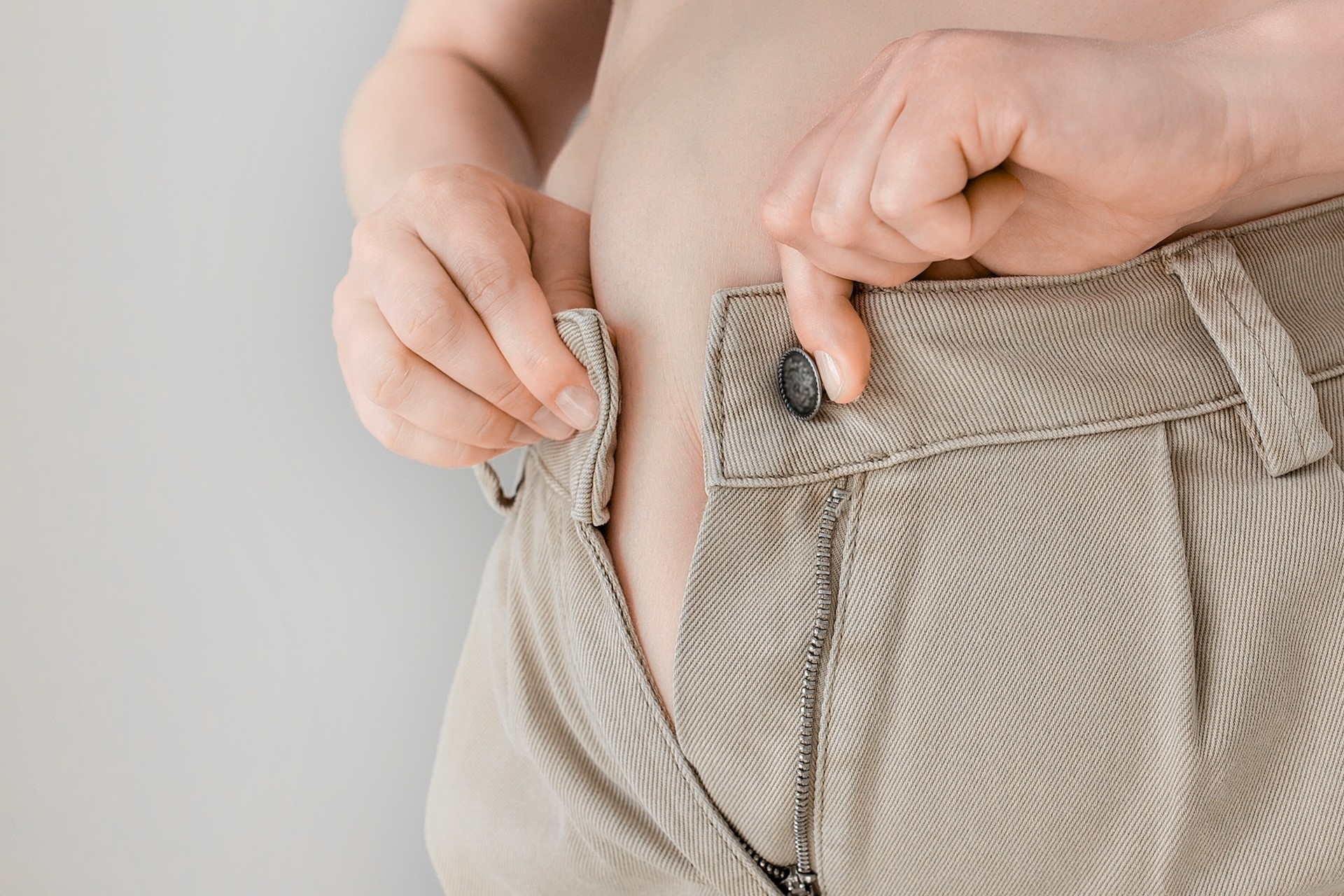
Stopping Tirzepatide can feel like stepping off a fast-moving train: you worked hard to lose weight and now worry about appetite rebound and shifts in insulin sensitivity. Tirzepatide Weight Gain After Stopping is a common concern. How do you stop the shots without regaining the pounds? This article lays out what really drives weight regain and offers practical steps for nutrition, mindful eating, activity, sleep, stress management, and gradual tapering, so you can stop Tirzepatide and keep results through sustainable habits and lasting metabolic health.
To put those steps into practice, MeAgain's GLP 1 app offers simple coaching, habit tracking, and meal and activity plans that help control appetite, support metabolic recovery, and turn short-term treatment into a long-term routine.
Table of Contents
What Really Causes Tirzepatide Weight Gain After Stopping?
How to Maintain Weight Loss After Tirzepatide
Download our GLP-1 app to Turn Your Weight Loss Journey into Your Favorite Game.
Summary
Stopping Tirzepatide triggers a physiological rebound rather than a simple lapse in willpower, with SURMOUNT-4 participants who switched to placebo after a 36-week induction regaining roughly 14 percent of their week 36 body weight over the following 52 weeks. This is where MeAgain's GLP-1 app fits in, providing tailored plans and habit coaching to protect results during tapering or discontinuation.
The drug suppresses appetite by mimicking GLP-1 and GIP signals, and when those signals vanish, hunger and reward-driven eating return, with about 15 percent of patients experiencing measurable regain within three months. MeAgain's GLP-1 app addresses this by tracking daily appetite and sending timely behavior cues that monitor early rebounds.
Rebound magnitude and timeline are substantial but gradual, exemplified by a 36-week induction producing about 20.9 percent body weight loss while continuers finished at an average 25.3 percent loss versus 9.9 percent for those switched to placebo. This is where MeAgain's GLP-1 app fits in, with simple tracking that flags negligible month-to-month weight creep so clinicians and users can respond early.
Weight loss lowers resting energy expenditure, creating a metabolic gap that, combined with restored appetite, drives regain. Clinical observations show an average return of about 5 kg within 6 months after stopping. MeAgain's GLP-1 app addresses this by tracking protein intake, resistance training, and daily weight, so the metabolic gap is monitored alongside behavior.
Behavioral and emotional collapse is a standard failure mode, as structure around meals and exercise often dissolves within 6 months, and only 16.6 percent of discontinuers kept most of their weight loss, compared with nearly 90 percent of continuers in SURMOUNT-4. This is where MeAgain's GLP-1 app fits in, converting episodic counseling into continuous monitoring of shots, hydration, protein, and activity to catch slips early.
Prevention should treat stopping as a transition with resistance training, protein-focused meals, modest caloric deficits when safe, and daily monitoring so small trends get corrected before they compound, and some clinicians consider lower maintenance dosing or intensified behavioral support as personalized options. This is where MeAgain's GLP-1 app fits in, with over 100,000 downloads and a 90% user satisfaction rate.
What Really Causes Tirzepatide Weight Gain After Stopping?

Stopping Tirzepatide usually means some degree of weight regain, because the drug’s effect on appetite and digestion is pharmacologic, not permanent; when the drug stops, hunger and metabolic adaptations push weight back up.
The SURMOUNT-4 trial makes this blunt:
People who switched to a placebo after 36 weeks regained a large share of the weight they had lost, while those who stayed on treatment continued to improve.
What Exactly Flips Back When Treatment Stops?
Tirzepatide works by mimicking the gut hormones GLP-1 and GIP, which slow gastric emptying and signal to the brain that you are full. When those receptor signals vanish, satiety falls and reward-driven eating returns. That shift is not subtle; it is physiological: brain circuits that defended a higher body fat set point reassert themselves, promoting stronger hunger, food-seeking, and carbohydrate preference until energy balance is restored.
How Fast and How Much Weight Comes Back?
SURMOUNT-4 shows the pattern clearly. After a 36-week induction with maximal doses (10 or 15 mg), participants averaged about 20.9 percent body weight loss, then those switched to placebo regained roughly 14 percent of that week 36 body weight over the following 52 weeks, while continuers lost another 5.5 percent, leaving a final average loss of 25.3 percent for continuers versus 9.9 percent for the switch group. At a practical level, people who stopped often saw weight creep back over months rather than days, and Dr. Oracle AI found that 15% of patients experienced weight regain within 3 months after stopping Tirzepatide, capturing that early rebound many report.
Why Does Resting Metabolism Deepen The Problem?
Losing weight lowers resting energy expenditure more than most people expect. Your body burns fewer calories at rest after fat loss, so the same food that previously maintained weight now produces a positive energy balance. In SURMOUNT-4, many cardiometabolic gains reversed after discontinuation, which is a signal that physiology, not willpower, shifts when the drug’s influence ends. That metabolic gap, combined with restored appetite, creates a two-front pressure: eat more and burn less.
What Emotional and Behavioral Patterns Make Regain Worse?
When we worked with members who stopped therapy after a months-long course, a clear pattern emerged within six months:
Increased hunger
Erratic energy
Stress eating became common
And adherence to structured activity and protein-focused meals faltered. That collapse is exhausting and urgent; people feel betrayed by their bodies and scramble for quick fixes that usually accelerate recovery rather than halt it.
What Do The Numbers Say About the Typical Magnitude of Rebound?
On an individual level, the regain frequently looks like a steady few kilos returning over months, not an overnight bounce. In line with clinical observations, Dr. Oracle AI summarizes the average trajectory many clinicians now see, which helps explain why nearly 90 percent of continuers in SURMOUNT-4 kept most of their weight while only 16.6 percent of discontinuers did.
Most People Try to Handle This With Counseling and Willpower. What Goes Wrong There?
Most teams and clinicians manage discontinuation through periodic counseling and general advice because that approach is familiar and requires no new systems. That works at first, but the hidden cost appears when physiological drives resurface, counseling sessions stay infrequent, and behavior slips between appointments. The result is fragmented tracking, missed early warning signs, and reactive rather than preventive changes. Solutions like MeAgain provide continuous monitoring of protein, hydration, activity, shot timing, and side effects, enabling care plans to adapt in real time and turning episodic counseling into an active maintenance system.
How Should You Think About Prevention, Practically?
Expectation setting is crucial.
Treat stopping as a transition, not an endpoint.
Preserve lean mass with resistance training and protein, keep intake under a modest deficit when safe, and increase daily monitoring of appetite and weight so small trends can be corrected early.
Clinicians have suggested options to blunt regain, such as a lower maintenance dose or intensified behavioral support, but those need personalization and medical oversight; there is no one-size-fits-all shortcut.
What are The Failure Modes People Should Watch For?
The pattern that breaks maintenance is almost always the same: appetite returns, structure dissolves, and slight weight gains go unnoticed until they compound. That’s when emotional eating spikes, motivation erodes, and the metabolic gap widens. The emotional toll is real, and it pushes people toward quick fixes that rarely work in the long term. You’ve seen the numbers and felt the frustration; We look at how to make maintenance measurable, not hopeful, and how tools change the odds. The next step exposes a surprising way to make daily tracking feel compelling and actually stick.
Related Reading
• Tirzepatide Weight Loss Before and After
• Is Tirzepatide the Same as Mounjaro
• What is Compounded Tirzepatide
• Is Tirzepatide a Peptide
• Does Tirzepatide Cause Headaches
• Does Tirzepatide Make You Tired
• Does Tirzepatide Burn Fat
• How Long Does It Take for Tirzepatide to Work
How to Maintain Weight Loss After Tirzepatide

Yes, you can keep the weight off after stopping Mounjaro, but it demands a deliberate transition from medication-driven appetite control to structured habits and monitoring. With steady meal timing, targeted resistance work, weekly tracking, and ongoing behavioral support, you preserve muscle, blunt cravings, and catch small slips before they grow.
How Should I Space Meals To Blunt Hunger And Accidental Overeating?
Pattern recognition: long fasts amplify the biological pull to eat. Aim for 3 regular meals plus 1 planned snack window each day, keeping gaps under five hours when possible. Prioritize 20 to 30 grams of protein at each sitting, pair protein with fiber and water, and use a small, planned snack (yogurt, hard-boiled egg, or a handful of nuts) if you feel the hunger crescendo. These simple timing rules reduce binge risk and make portion control a conscious, manageable task.
Which Behavioral Tools Actually Change The Outcome?
If habits are the scaffolding of maintenance, cognitive strategies are the bolts that keep it standing. Practice stimulus control, delay tactics such as the 10-minute pause before a non-hungry snack, and a single daily logging habit you can sustain. Use weekly weight checks, a very short food log, and a hunger-scale check-in each evening. This creates a signal-to-action loop: when the weight rises by 1 to 2 percent, you act within days rather than weeks. Many people fear food noise returning, and that fear is real; structuring simple, repeatable behaviors quickly reduces the mental load.
Should I Taper Or Drop Dose All At Once?
Constraint-based thinking: abrupt stopping works only if you already have a robust behavioral system in place. When you cannot guarantee that system, tapering under medical supervision is the more intelligent choice because it gives your appetite signals time to re-equilibrate while you reinforce habits. The SURMOUNT‐MAINTAIN trial found that 80% of participants maintained at least 5% weight loss after reducing the Tirzepatide dose, supporting dose reduction plus behavioral supports as a viable approach. In the same 2025 trial, Participants maintained an average weight loss of 15% over 52 weeks, showing that with structured maintenance, substantial gains can persist beyond active titration.
Most people manage follow-up care through sporadic clinic visits and ad hoc notes, which feels familiar and low-friction. That familiarity has a cost: gaps in monitoring let appetite-driven behaviors widen before anyone notices. Solutions like MeAgain close that gap by logging protein and water intake, scheduling follow-ups, and tracking injections and side effects, giving clinicians and users a continuous window into early slippage, so corrective steps happen weeks earlier and with less disruption.
What Kind of Movement Preserves Progress?
Problem-first: losing medication support exposes the need to protect lean mass. Resistance training two to three times weekly is non-negotiable because it helps maintain resting energy expenditure and keeps your body building muscle rather than fat. Add daily steps and short, high-effort intervals when life allows; these raise total daily energy without requiring long gym sessions. Track strength progress, not just the scale, and set small, measurable performance goals such as adding 5 pounds to a squat or two extra pushups per month.
How Do I Manage Cravings and The Emotional Work?
Pattern recognition: fear and the sense of lost mental freedom drive many returning behaviors. That fear shows up as urgent nighttime snacking or the quick comfort of previous go-to meals.
Treat those moments with planned scripts:
A hydration check
A two-minute breathing pause
A protein-rich mini-meal
Name the emotion out loud, reframe it as a biological signal to be managed, and reward yourself for the coping choice, not the absence of craving. Self-compassion matters because small slips are common and reversible; guilt turns a slip into a spiral, while curiosity turns a slip into data.
What if I Do Regain Weight?
Regain is a flag, not a failure. If it happens, consult your provider to review options, including restarting medication if you meet clinical criteria, and check your insurance terms for pauses longer than 4 weeks. Combine short-term medication reintroduction or dose adjustment with stepped behavioral intensity, a nutritionist consult, and closer weigh-ins until the trend stops.
A Practical Bridging Story
Most patients track maintenance with spreadsheets and scattered apps because that feels doable. That method works at a small scale, but as cravings and life complexity grow, data fragments and missed signals become the point at which recovery begins. Platforms like MeAgain centralize simple, meaningful signals, protein and water logs, injection and side-effect tracking, and scheduled clinician check-ins. Teams find slippage earlier and restore stability faster, with less guesswork and fewer reactive firefights.
Related Reading
• Does Tirzepatide Help With Anxiety
• What to Eat on Tirzepatide
• Can You Drink on Tirzepatide
• Why Am I Not Losing Weight on Tirzepatide Compound
• Tirzepatide Body Aches
• Does Tirzepatide Cause Insomnia
• Why Does Tirzepatide Cause Diarrhea
• Can Tirzepatide Cause Blood Clots
• Why Am I Still Hungry on Tirzepatide
• Does Tirzepatide Cause Dry Mouth
Download our GLP-1 app to Turn Your Weight Loss Journey into Your Favorite Game.
If you started Ozempic, Wegovy, or Mounjaro and want to protect muscle while avoiding nasty side effects, consider MeAgain, which turns protein, fiber, water, and movement into tiny, repeatable wins so the habits that prevent rebound actually stick. When we guided users through early medication changes, we found missing follow-up and exercise-limiting pain left people stuck, and that reality is why people turn to apps; with over 100,000 downloads on Google Play Store, a reported 90% user satisfaction rate in 2023, tools that centralize injection logs, side-effect tracking, and simple habit nudges make the transition far more manageable.
Related Reading
• Can Tirzepatide Cause Depression
• How to Reconstitute Tirzepatide
• Tirzepatide Weight Gain After Stopping
• Does Tirzepatide Affect Your Period
• Tirzepatide Diet Plan
• Tirzepatide Titration Schedule
• Tirzepatide Rash
• Oral Tirzepatide
• Microdosing Tirzepatide
• Tirzepatide Maintenance Dose After Weight Loss