
lifestyle
20+ Best Foods To Eat on Semaglutide for Optimal Weight Loss

Starting semaglutide can change how your appetite, fullness, and even taste work, which can make it harder to determine which meals actually help you lose weight. Many people assume that simply taking the medication is enough to see results, but the truth is stark: food choices still determine whether your weight loss stalls or accelerates. Patients who avoid processed sugars see up to 30% more effective weight loss, while high-fat, greasy meals trigger nausea in 70% of users, undermining adherence and motivation. Even careful dosing, exercise, or tracking can feel useless if small, repeated meal decisions quietly sabotage your progress.
You are not alone if you struggle with cravings, uncertainty about portions, or choosing between protein, fiber-rich vegetables, whole grains, and snacks. This guide will show which foods amplify semaglutide’s effects, how timing and structure matter, and why simple, consistent swaps can restore control over your mornings, meals, and ultimately, your results.
To put those ideas into action, MeAgain's GLP-1 app offers tailored meal suggestions, easy grocery lists, and gentle tracking that fit your semaglutide routine, so you can eat the right foods while on Semaglutide to maximize weight loss safely and effectively.
Summary
Eating the wrong foods blunts the efficacy of semaglutide; patients who avoid processed sugars report a 30% increase in weight-loss effectiveness.
High-fat, greasy meals commonly provoke side effects, with 70% of patients experiencing nausea when consuming high-fat foods while on semaglutide, which undermines adherence.
A protein-first, structured plan is essential, with clinical guidance suggesting about 1500 calories per day and roughly 30 grams of protein at each meal to preserve muscle and maintain appetite.
Small, consistent swaps drive results, as clients who shifted to protein-forward mornings and simplified evening meals regained momentum within 2 to 4 weeks.
Fragmented tracking hides cause and effect, while aligning injection timing, meal logs, and symptom notes over 8 to 12 weeks made patterns visible within weeks.
Simple portion rules reduce decision fatigue, for example, 3 to 4 ounce lean protein portions, 1/3 to 1/2 cup legumes, 1 to 2 tablespoons healthy fat, and about 5 grams of fiber per serving.
This is where MeAgain's GLP-1 app fits in: it centralizes medication reminders, meal templates, hydration prompts, and symptom logging, enabling users to connect food choices and timing to side effects and weight trends.
Table of Content
20+ Best Foods to Eat on Semaglutide for Optimal Weight Loss
Download our GLP-1 app to Turn Your Weight Loss Journey into Your Favorite Game
20+ Best Foods to Eat on Semaglutide for Optimal Weight Loss
Pick foods that work with semaglutide’s changes to appetite and digestion: prioritize gentle hydration, concentrated protein, steady low-glycemic carbs, and targeted prebiotics so the medication’s effects compound instead of collide. Below are specific foods that act as practical wins, why they matter biologically, and quick hacks you can use today.
Why Bone Broth?
What it does: Supplies easily absorbed protein and electrolytes to support hydration without heavy fat that can trigger nausea.
Why that helps: The electrolytes replace sodium and potassium lost when appetite and fluid intake shift, while the collagen-like proteins are gentle on a slowed stomach.
Quick hacks: Have 8 ounces mid-morning or as part of a light dinner to add volume and nutrients without filling up on carbs; choose low-sodium options if you’re watching overall salt.
How Can a Single Date Be a Tactical Sweet Fix?
What it does: Delivers a compact, sweet hit with fiber and micronutrients, satisfying dessert cravings without a sugar binge.
Why that helps: When you want sweets, a mindful single date reduces the urge to reach for calorie-dense treats that undo progress.
Quick hacks: Limit to one date after a protein-rich meal so it complements, not replaces, protein; pair with a tablespoon of plain Greek yogurt to blunt any glycemic spike.
Why Choose Tofu as a Regular Swap?
What it does: Delivers soy-based protein with low saturated fat and a flexible texture for many preparations.
Why that helps: It preserves lean mass as you eat less, and replacing some animal fats with tofu can reduce post-meal heaviness that worsens GI symptoms.
Quick hacks: Half-cup servings after warming or pressing give about 20 grams of protein; marinate and grill for a filling dinner that keeps calorie density low.
Which Seafood Choices Actually Help?
What it does: Lean protein plus omega-3 polyunsaturated fats that reduce inflammation and support cardiovascular markers.
Why that helps: Inflammation-control supports overall metabolic health, while lean protein helps maintain strength on a lower-calorie plan.
Quick hacks: Aim for 3–4-ounce portions, baked or steamed with citrus and herbs; avoid sweet glazes and heavy batters that add extra calories.
Should You Eat Summer Squash And Cucumbers?
What they do: High water content foods that add volume for hunger satisfaction without calories.
Why that helps: They help digestion and hydration simultaneously, and watery vegetables are less likely to provoke nausea than spicy or greasy choices.
Quick hacks: Add sliced cucumber to mid-afternoon snacks, or spiralize zucchini and serve it in warm bowls to increase meal volume without extra calories.
What Role Do Cruciferous Vegetables Play?
What they do: Feed beneficial gut bacteria with fiber and specialized compounds that support microbiome balance.
Why that helps: A healthier microbiome supports more regular digestion and may reduce bloating when gastric emptying is slowed.
Quick hacks: Roast broccoli or Brussels sprouts with a light spray of olive oil, or steam cauliflower and mash it with herbs; aim for one fist-sized serving per meal.
How To Use Legumes And Resistant Starches Strategically?
What they do: Provide sustained, low-glycemic carbs and prebiotic fibers that reach the colon and nourish helpful bacteria.
Why that helps: It helps maintain stable blood sugar and support satiety without triggering rapid glucose spikes that counteract semaglutide’s benefits.
Quick hacks: Include 1/3 to 1/2 cup of lentils or cooled cooked potatoes in a meal, or make overnight oats with undercooked oats to boost resistant starch.
How Much Fiber Should A Serving Deliver?
Practical target: Aim for about 5 grams of fiber per serving, as recommended by Healthline, to support optimal digestion, reduce constipation risk, and support the microbiome when gastric emptying slows.
Tip: Distribute soluble and insoluble fiber throughout the day rather than loading them into one meal to avoid early fullness.
How Do Low-Glycemic Fruits Fit In?
What they do: Berries and kiwi offer antioxidants and modest carbs that digest slowly, keeping blood sugar even.
Why that helps: They reduce the temptation to reach for high-sugar snacks and provide micronutrients without excessive calories.
Quick hacks: Top plain yogurt with a small handful of berries, or have half a kiwi with breakfast for a controlled sweet note.
A Practical Serving Plan You Can Steal Tonight
Balance:
A 3–4 ounce lean protein
A fist-sized vegetable (hydrating if you’re prone to nausea)
A small legume or whole-grain side
A mindful 1–2 tablespoon healthy fat
Rotate tofu, seafood, and bone-broth-based soups across the week so your meals stay repeatable and straightforward.
From Isolated Tracking to Integrated Habits
Most people track medications, meals, and symptoms in separate notebooks or apps because it feels familiar and low-friction. Over weeks, that approach obscures the correlations between what you ate and when nausea, constipation, or stalled progress appear, turning valuable data into noise.
Solutions like MeAgain centralize:
Medication reminders
Meal logs
Hydration tracking
Symptom notes
Patterns surface quickly, and you can act on the exact meal choices that create friction.
Beyond Trends: Tactical Strategies for Food Noise and Control
This pattern appears consistently among people who feel dismissed by providers despite real struggles with binge eating or unexplained weight plateaus: they are hungry for small, reliable swaps that silence food noise and restore control. That’s why these foods are tactical, not trendy, and why timing and portion rules matter as much as the choice itself.
That shift feels hopeful until you realize the daily rhythms are where plans fail or stick. But the part that actually flips the script is more surprising than most people expect.
Related Reading
Does Semaglutide Cause Constipation
How Long Does It Take to See Results From Semaglutide
How Does Semaglutide Work
Does Semaglutide Show Up in Blood Work
Should I Take Semaglutide on an Empty Stomach
How Much Does Semaglutide Cost
What Is Compounded Semaglutide
Why Does Semaglutide Cause Nausea
How Long Does Semaglutide Stay in Your System
Does Semaglutide Make You Tired
Is Semaglutide the Same as Ozempic
How to Build Your Daily Semaglutide Meal Plan
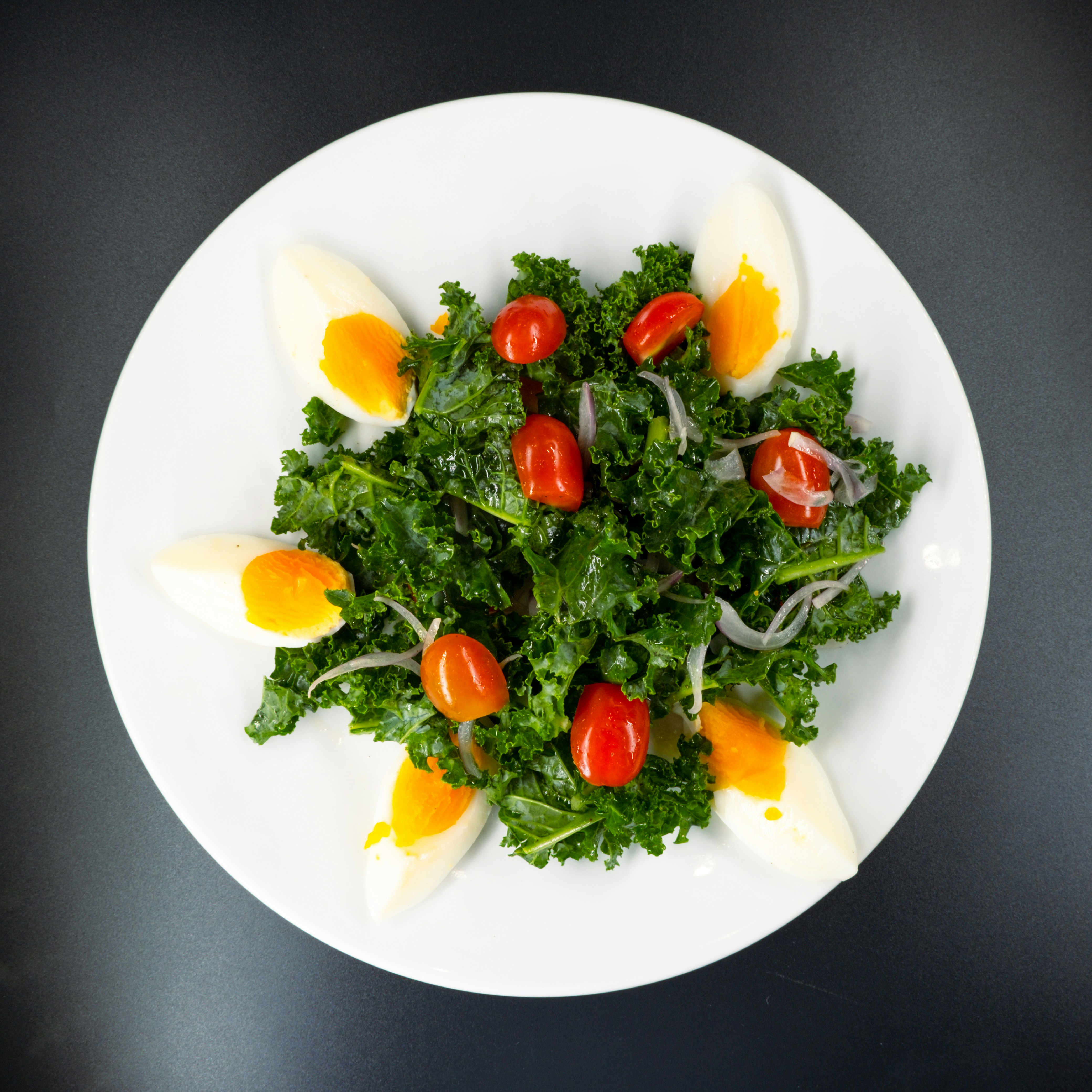
You can turn semaglutide guidance into an easy, repeatable meal plan by using a daily calorie target split across predictable meals, with a protein goal at each eating occasion and two small, actionable rules to follow when life gets busy.
For practical numbers, follow the calorie guideline from Arden Endocrinology Specialist Clinic Singapore that recommends consuming 1500 calories per day while on semaglutide, and match that with their meal-level protein aim, which is to include 30 grams of protein in each meal to support muscle maintenance, because protein preserves muscle and keeps appetite steadier when overall calories are lower.
How Should I Distribute Those Calories Throughout The Day?
Aim for a simple caloric split that removes guesswork:
Breakfast: 300 to 350 calories
Lunch: 400 to 450 calories
Dinner: 450 to 500 calories
Two snacks of 100 to 150 calories each to reach roughly 1500
Count protein first: hit about 30 grams at breakfast, lunch, and dinner, then add 10 to 15 grams across snacks. This structure prevents large swings in fullness and makes it easy to see where you can add or subtract calories without making arbitrary dieting decisions.
What Does A Realistic Plate Look Like When I Have Little Time?
Think in three anchors, not long lists.
Anchor one: Protein is nonnegotiable and should be a single serving delivering about 30 grams.
Anchor two: Fiber-rich vegetables or salad; fill half your plate to slow digestion and blunt GI effects.
Anchor three: A small controlled portion of starch or resistant starch finishes the plate and helps keep your blood sugar steady.
Picture a grain-of-rice portion of carbs, a palm-sized portion of protein, and a generous heap of vegetables. That visual shortcut replaces the need for calorie math when you are distracted.
What Prep Shortcuts Actually Save Time And Preserve Results?
Batch-cook proteins into 3 to 4 serving portions, freeze single-serve grains in zip bags, and make “assembly bowls” in 10 minutes by combining a cooked protein, a quick-steam veg, and a measured carb.
Keep three portable protein options in the pantry or fridge, such as tuna sachets, single-serve cottage cheese cups, or ready-made legume mixes, so you never face an unplanned low-protein meal. A high-protein smoothie can rescue a missed lunch.
Prepare measured bags of frozen fruit and a scoop of protein powder, then add only liquid and blend.
How Do I Handle Social Events, Travel, Or Days When My Appetite Disappears?
If you know you will be out, schedule a small protein-first mini-meal 60 minutes before the event to reduce grazing pressure. At restaurants, default to grilled or roasted preparations and ask for sauces on the side, then eat to satisfaction, not beyond it.
On days when semaglutide suppresses appetite so much that you struggle to meet your calorie goal, choose higher-calorie, nutrient-dense liquid options, such as a protein shake with added nut butter or milk, to support energy and mood. When you cannot control the kitchen, control timing and portion: eat a reliable protein portion first, then decide about extras.
What Patterns Do Patients Often Miss That Slow Progress?
This pattern appears repeatedly across clients: they focus on single meals or trendy swaps, while the proper failure mode is inconsistent structure. Skipping protein at one meal triggers larger portions later, and separate tracking of shots, meals, and symptoms obscures cause and effect.
After working with several patients over eight to twelve weeks, we found that aligning meal entries with injection reminders and logging even a single symptom note after meals made the difference visible within weeks, not months.
The “Silent Stall”: When Undereating Becomes the Obstacle
Most people track meals, hydration, and injections separately because it is familiar and seems low effort, which makes sense at first. But as patterns multiply, context fragments and the small signals that predict nausea, low energy, or a stalled scale get lost.
Solutions like MeAgain centralize shot reminders with:
Meal templates
Hydration prompts
Symptom logging
Users can see the exact meal choices tied to side effects and weight trends, turning guesswork into targeted adjustments.
How Do You Keep This Sustainable Without Making Food Feel Like A Chore?
Trade perfection for rules that protect momentum. Choose two nonnegotiables per day, for example, 30 grams of protein at breakfast and a protein-rich snack mid-afternoon, and treat everything else as flexible.
Celebrate meaningful metrics, such as consistent protein hits or consecutive days within your calorie band, rather than daily scale changes. Emotionally, that shift turns anxiety into a pattern you can nudge, which reduces frustration and rebuilds confidence over an 8 to 12 week window.
Metabolic Synchronicity: The Math of the Three Parts
Think of the plan like a bicycle with three working parts: when protein, timing, and simple portion rules move together, you build speed; ignore one part, and you wobble.
The following section will show how a single tool makes those small, steady wins obvious and oddly addictive.
Related Reading
• Semaglutide Eye Side Effects
• Semaglutide Weight Loss Side Effects
• Compounded Semaglutide Side Effects
• How Long Does Compounded Semaglutide Last in the Fridge
• Semaglutide Belly Fat
• Semaglutide Visceral Fat
• Can Semaglutide Cause Depression
• Liraglutide vs Semaglutide
• Does Semaglutide Cause Hair Loss
• Who Should Not Take Semaglutide
Download our GLP-1 app to Turn Your Weight Loss Journey into Your Favorite Game
Finally, you can see your wins instead of guessing whether your efforts worked. If you are starting Ozempic, Wegovy, or Mounjaro and are worried about muscle loss or severe constipation, MeAgain makes the daily work of:
Hitting protein
Fiber, water
Movement is straightforward and trackable
It gamifies progress with an adorable capybara, bundles shot reminders, meal and symptom logging, hydration prompts, and a supportive community while memorializing milestones with a Journey Card.
Download MeAgain and turn your weight loss journey into your favorite game.
Related Reading
• How to Track My Injections on Semaglutide?
• How Much Protein Should I Eat on Semaglutide
• How to Track My Semaglutide Side Effects?
• How to Track Food on Semaglutide
• How Can I Track My Semaglutide Progress?
• Semaglutide Foods to Avoid
• How to Inject Semaglutide
• Best App for Tracking Semaglutide Results
• What to Do When Semaglutide Stops Working
• Semaglutide Body Composition
• Semaglutide for Weight Loss in Non-Diabetics Dosage