
lifestyle
Top 12 Foods to Avoid on Semaglutide (What to Limit and Why)

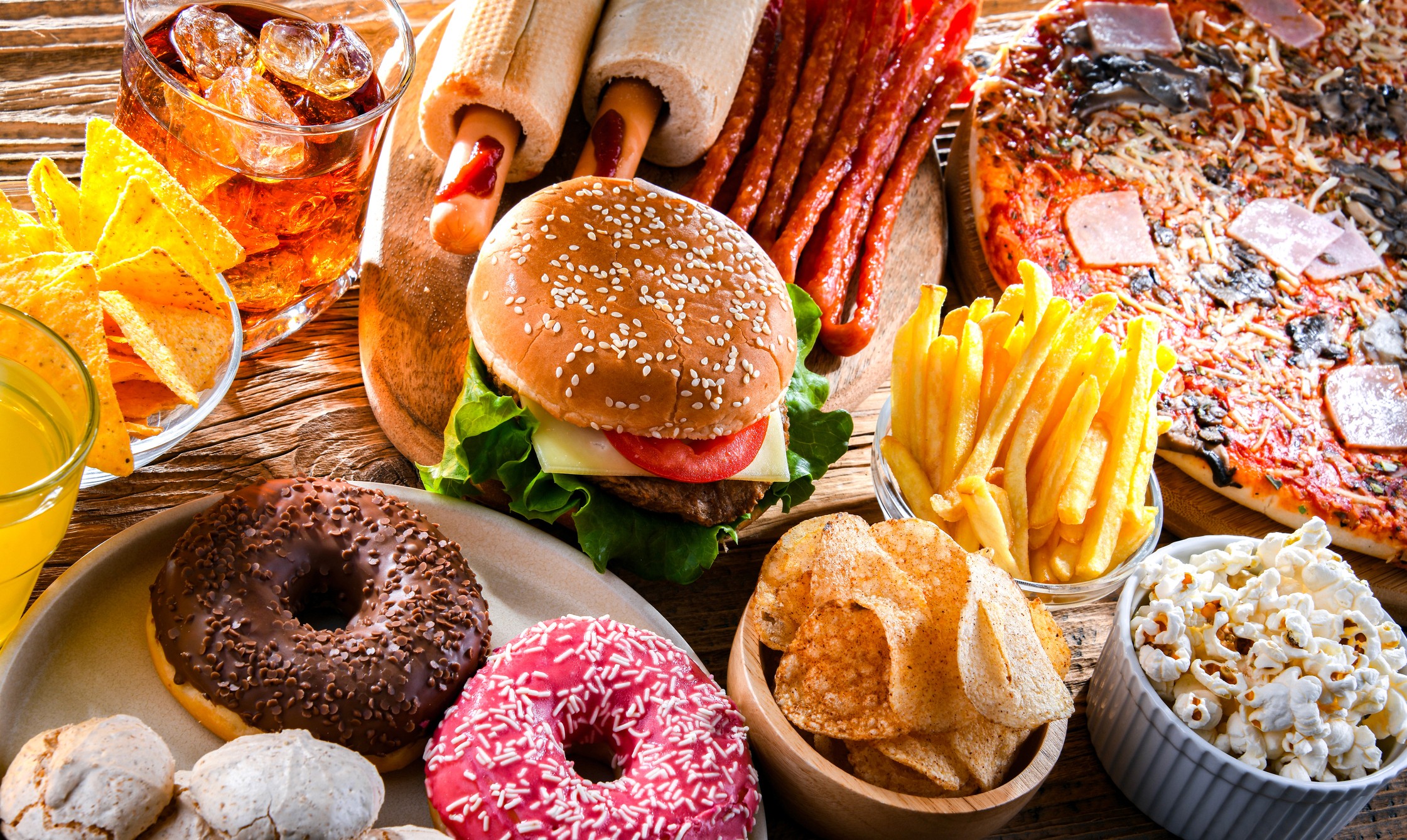
Starting semaglutide can feel confusing, especially when foods you’ve eaten for years suddenly cause nausea, bloating, or discomfort. Many people aren’t told what to avoid, only that side effects are “normal,” leaving them frustrated and unsure if they’re doing something wrong. Eating the wrong foods can worsen side effects, slow progress, and make the experience far less comfortable than it needs to be. That’s why this guide breaks down the top 12 foods to avoid on semaglutide, explaining what to limit and why—so you can make smarter food choices, reduce discomfort, and support your body as it adjusts, without overthinking every meal.
MeAgain's GLP-1 app builds on that with clear food lists, meal timing tips, and a simple symptom tracker to help you feel confident, reduce side effects, and maintain steady progress.
Summary
About 70% of people taking semaglutide experience nausea, so choosing low-fat, gentle textures and prioritizing protein, fiber, and fluids can reduce unwanted symptoms by up to 30%.
Maintain muscle and steady energy by aiming for a palm-sized portion of protein at each meal and distributing protein across three meals, while pairing carbs with protein to blunt blood sugar swings.
Seeds and nuts provide concentrated calories and healthy fats in small portions, with one serving typically about a thumb-sized handful or a tablespoon, making them efficient when overall intake is reduced.
The article identifies 12 food categories to limit, including high-fat fried foods, sugary drinks, ultra-processed carbohydrates, and alcohol, because these foods slow gastric emptying, spike blood glucose, or irritate the stomach.
During a six-week induction tracking period, missed meals and low fluid intake more often caused fatigue and lightheadedness than strict calorie targets, so scheduled snacks and hydration reminders resolved symptoms more quickly.
Small, repeatable swaps and routines matter more than broad restrictions, for example, eating smaller, more frequent meals, batch-cooking weekly, and doing strength training twice a week to preserve muscle as appetite changes.
This is where MeAgain's GLP-1 app fits in: it offers clear food lists, meal timing tips, and a simple symptom tracker to monitor meals, hydration, and side effects.
Table of Contents
What Are the Best Foods to Eat When Prescribed Semaglutide?
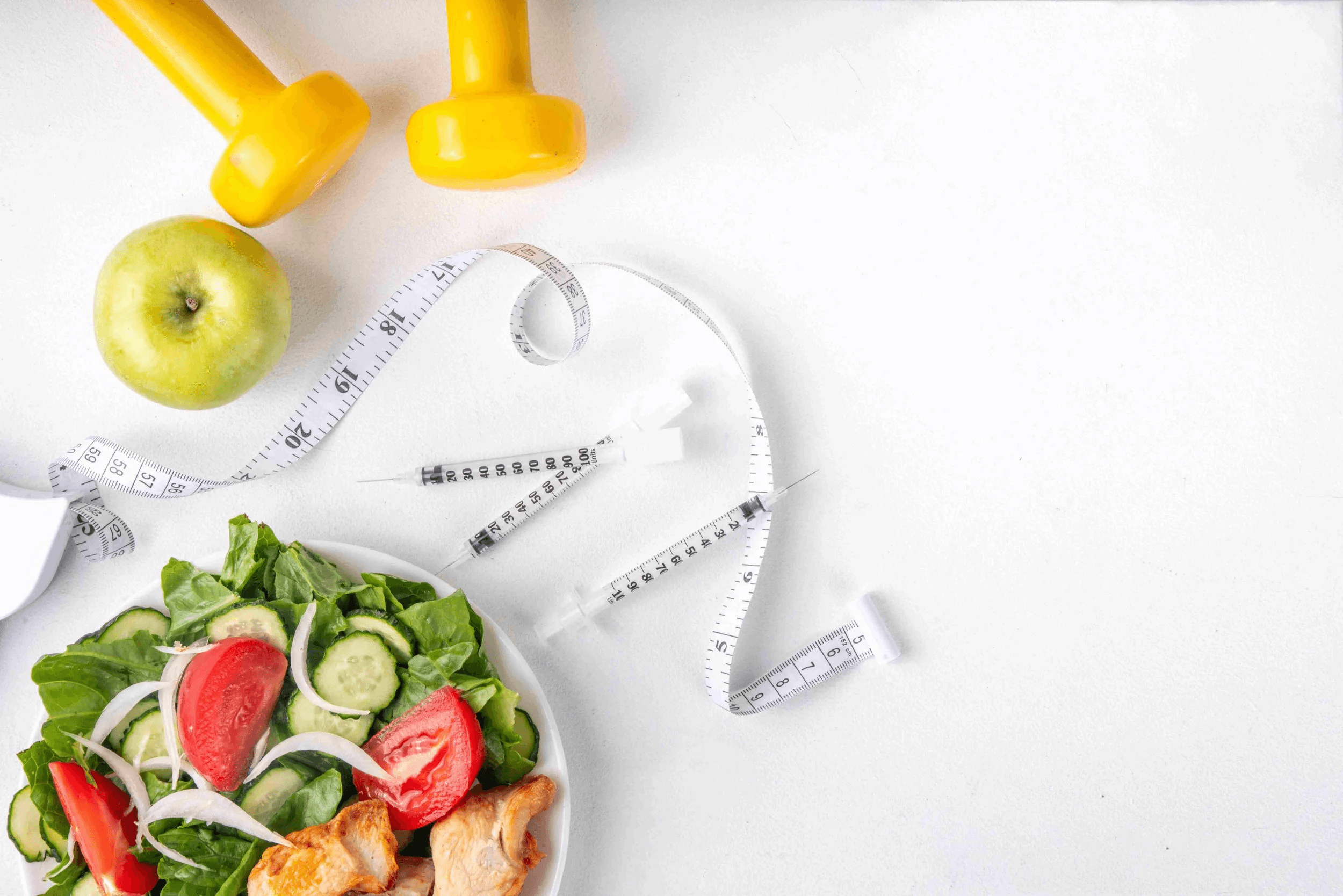
Your food choices matter because semaglutide reduces appetite and slows digestion, which increases the need to get enough protein, fiber, fluids, and calories in smaller portions. Focus on foods that keep you full, steady, and comfortable, and use simple swaps and timing to reduce nausea and preserve muscle and energy.
Why Your Diet Matters on Semaglutide
Semaglutide often makes each bite work harder, so every meal should deliver more nutritional value per bite. About 70% of people taking semaglutide experience nausea, according to Healthline, which explains why low-fat, gentle textures and steady carbohydrates matter during dose changes. A balanced approach also helps with side effects: a nutrient-focused diet can reduce unwanted symptoms by up to 30%, according to Healthline. Therefore, prioritizing protein, fiber, and hydration is not optional; it is a practical risk-reduction measure.
Foods to Eat While Taking Ozempic
Think in categories, not restrictions. Choose items that support fullness and digestion, and learn a few swaps you can repeat when appetite dips or nausea flares. The rule I use with clients is simple: prioritize protein first, pair carbs with protein or fat to slow blood sugar spikes, and favor soft or moist preparations when your stomach is sensitive.
Lean Protein
Protein preserves muscle, keeps you feeling satisfied with less food, and helps steady energy between meals. Practical tactics: aim for a palm-sized portion of protein at each meal, and use moist cooking methods like poaching, baking with a sauce, or slow-cooking to make chewing and digestion easier when appetite is low.
Examples:
Fish
Chicken
Turkey
Beans
Tofu
If solid food is unappealing, blended options such as savory protein smoothies or pureed lentil soups deliver the same nutrients in a gentler form.
Low-Fat Dairy Products
Why it helps: Dairy can be a convenient source of protein and calcium, and fermented options provide beneficial probiotics that some people find soothing, choose low-fat options if you notice an upset stomach from richer foods.
Examples:
Low-fat milk
Cottage cheese
Greek yogurt
Tip: keep dairy earlier in the day if evenings bring more reflux or nausea, and turn Greek yogurt into a snack by stirring in chia and a few berries for texture without heaviness.
Seeds and Nuts
Seeds and nuts supply healthy fats, minerals, and concentrated calories when you are eating less. They are small but efficient.
Examples:
Almonds
Walnuts
Chia
Flax
Sunflower seeds
Nut butters
Portion strategy: One serving is small, about a thumb-sized handful, or a tablespoon of nut butter; sprinkle seeds into yogurt, smoothies, or salads to boost satiety without a large plate.
Low-Glycemic Fruits and Vegetables
Choose produce that helps maintain steady blood sugar and avoids sudden energy crashes. Non-starchy vegetables and certain fruits provide fiber, vitamins, and bulk to meals without adding many calories.
Examples of non-starchy vegetables:
Leafy greens
Tomatoes
Radishes
Carrots
Low-Glycemic Fruits
Fresh berries
Apples
Citrus
Prep ideas: roast carrots and peppers to make them easier on the digestive system, and pair fruit with a protein or fat to blunt rapid blood sugar swings.
Other Tips for Avoiding Ozempic Side Effects
Eat slowly, take small bites, and sip rather than gulp. If constipation shows up, add fiber gradually and prioritize fluids and gentle movement. When we tracked intake for new GLP-1 users over a six-week induction period, we found a familiar pattern: missed meals and low fluid intake more often led to fatigue and lightheadedness than to strict calorie targets. Scheduled snacks and hydration reminders corrected symptoms faster than larger, infrequent meals.
Practical Timing and Pairing Rules
Take semaglutide as directed relative to meals, and avoid heavy fatty dinners that often worsen overnight nausea.
Pair carbohydrates with protein, for example, apple slices with cottage cheese, to extend fullness and reduce blood-sugar swings.
Spread protein throughout the day rather than loading it into one meal; aim for some at breakfast, lunch, and dinner so you do not rely on a single large meal to meet your needs.
Status Quo, Its Hidden Cost, and a Better Bridge
Most people manage this by relying on memory and occasional meals because it feels familiar and straightforward. That approach works until subtle hunger cues disappear and hydration and nutrient intake fragment, which can lead to weakness, nutrient gaps, and avoidable side effects. Platforms like MeAgain centralize tracking and reminders for medication timing, meals, hydration, and symptom notes, helping users turn scattershot habits into consistent, small routines that preserve energy and reduce side effects.
Other Diet and Lifestyle Tips to Follow While on Semaglutide Include
Eat smaller, more frequent meals if large plates trigger nausea.
Take a short walk after eating to aid digestion and avoid lying down.
Practice strength training twice a week; preserving muscle reduces metabolic slowdown and supports functional strength as you lose weight. Examples: bodyweight squats, light dumbbell rows, or a 20-minute resistance band routine performed three times per week.
Use a weekly batch-cooking habit: prepare protein bites, roasted vegetables, and portable snacks so that low appetite does not translate to poor choices.
Sample Meal Plan on Semaglutide
Breakfast: Scrambled eggs, avocado slices, whole grain toast OR turkey sausage, eggs, and berries
Small snack #1: Spinach smoothie with banana and low-fat milk OR cottage cheese and watermelon
Lunch: Turkey roll-ups with mustard, cucumbers, hummus, and apple slices OR turkey chili and an apple
Small snack #2: Greek yogurt parfait with berries and walnuts OR bell peppers and a cheese stick
Dinner: Salmon, quinoa, roasted asparagus OR ground beef seasoned with taco spices, brown rice, sautéed peppers and onions, and shredded cheese
A Quick Swap Mindset to Keep You Steady
When appetite or nausea shows up, swap rather than skip: soft proteins for tough cuts, smoothies for heavy meals, and small, frequent servings for large plates. Those tiny, trackable changes compound into steadier energy, fewer side effects, and the confidence to feel like yourself again. You think this covers it, but the list of foods that quietly sabotage comfort and results is more surprising than most expect.
Related Reading
How Long Does Diarrhea Last With Mounjaro
Top 12 Foods to Avoid on Semaglutide

1. Foods That are High in Fat
Fat slows digestion and increases the time food spends in the stomach, which compounds semaglutide’s effect of delayed gastric emptying and raises the risk of nausea and reflux. Greasy, fried, and very rich dairy or sauces can feel heavy and cause stomach upset because they require more bile and slow motility.
Examples:
French fries
Fried chicken
Greasy pizza
Cheeseburgers
Donuts
Ice cream
Butter
Cream
Rich cheeses
If you need a swap, choose smaller portions and softer preparations rather than cutting fat entirely.
2. Sugary Foods and Drinks
High-sugar items produce rapid blood sugar shifts that can undermine steady appetite signals and complicate glucose control, especially for people with diabetes. Sweets and sugary drinks can also trigger nausea when the stomach is sensitive.
Examples:
Cake
Cookies
Candy
Soda
Sweetened juices
Check labels for added sugars so surprises don’t blow up your tolerance later.
3. Ultra-Processed Carbohydrates
Refined carbs lack fiber and slow-release energy, leading to rapid glucose spikes and contributing to hunger swings that counter the medication’s satiety signal. Because semaglutide reduces meal size, those fast-burning carbs can leave you shaky or tempted to snack on problematic foods.
Examples:
White bread
White rice
Pastries made with white flour
Many plain crackers
Pairing any refined carb with protein and a little fiber helps blunt those spikes.
4. Starchy Vegetables
No, but starchy vegetables have a higher glycemic load, so they raise blood sugar more quickly and can blunt steady fullness when your portions are smaller. That makes it easier to overshoot carb targets and harder for semaglutide to stabilize appetite.
Examples to limit:
Potatoes
Corn
Parsnips
Rutabaga
Keep them as side portions rather than center-stage, and combine them with protein and non-starchy veggies.
5. Alcohol
Alcohol irritates the stomach lining, and because semaglutide prolongs gastric residence time, drinks tend to hang around longer and increase nausea and reflux. With diabetes medications, alcohol also raises the risk of low blood sugar, which can become dangerous. If you choose to drink, reduce the amount, avoid drinking on an empty stomach, and watch for overnight symptoms.
6. Spicy Foods
Capsaicin and strong chili heat can trigger or worsen nausea, heartburn, and stomach irritation when gastric emptying is slow. People who were previously fine with spicy food often find their tolerance drops with higher doses. Try milder seasonings, or reserve hotter dishes for days when your stomach feels settled.
7. Acidic Foods: Citrus Fruits and Tomatoes
Acidic foods can trigger heartburn and nausea in susceptible individuals, and these effects are more pronounced when the stomach retains food longer. If you notice acid reflux or nausea after these items, reduce them early in treatment and reintroduce slowly if tolerated.
8. Carbonated Beverages
Bubbles add gas to the stomach, which becomes uncomfortable when emptying is delayed; this results in bloating and pressure rather than simple thirst relief. Swap sparkling water for still water or a warm, soothing herbal tea when your abdomen feels sensitive.
9. Processed Meats
Processed meats are high in sodium and often contain added fats or preservatives that strain digestion and can increase bloating and reflux. These foods also give you less protein per bite for the same satiety, making it harder to meet nutritional goals on smaller plates.
Examples:
Bacon
Sausage
Hot dogs
Many deli slices
Opt for lean, minimally processed protein if possible.
10. Full-Fat Dairy
Full-fat dairy often sits heavier in the stomach and can cause indigestion in people with slow digestion, so it is usually a source of late-meal discomfort. If you notice fullness or nausea after a decadent dairy, try low-fat or lactose-free alternatives and move richer items to earlier meals when you tolerate them better.
11. Fast Food
Fast food combines high fat, refined carbs, sodium, and hidden sugars, creating a “perfect storm” of factors that increase reflux, bloating, nausea, and blood sugar volatility. The familiar approach is to rely on quick takeout for convenience, but that habit often raises symptom frequency and undermines steady energy. Platforms like MeAgain provide structured meal reminders and symptom tracking, helping users identify which quick meals consistently trigger discomfort so they can replace them with predictable, gentler options that fit their daily routine.
12. Artificial Sweeteners
Not necessarily. Artificial sweeteners can alter gut signaling and appetite regulation, and some people report increased cravings or mild digestive upset. They are often substituted with good intent, but that swap can backfire for gut comfort and hunger cues.
Examples to watch:
Diet sodas
Sugar-free candies
Sugar-free baked goods
If you need sweetness, try small amounts of natural sweeteners like stevia or a small amount of honey, and monitor how your appetite and digestion respond.
Timing and Composition
A pattern that keeps showing up with new users is this: it’s not one isolated meal, but the combo of timing, portion, and composition that breaks tolerance: late-night high-fat dinners, sugary snacks without protein, or carb-heavy fast-food lunches tend to predict nausea or bloating the next day. That pattern emerges during dose escalation and persists unless the meal pattern changes. The familiar way people manage this is by winging meals around work and family, because it feels manageable and requires no new tools. That works until side effects sap your energy and you need frequent course corrections, leaving you guessing which items caused the disruption. Solutions like MeAgain help by centralizing meal timing, symptom notes, and simple triggers, so users can spot the specific foods that repeatedly cause problems and adjust with small, measurable swaps. After you limit or test any of these items, make changes slowly, log reactions, and prefer smaller portions rather than abrupt eliminations, because individual tolerance varies. Your body will tell you what to reintroduce or avoid next. That sounds like an endpoint, but the next step reveals a surprising way to turn small tracking choices into steady, lasting improvements.
Related Reading
Download Our GLP-1 App to Turn Your Weight Loss Journey into Your Favorite Game
Starting Ozempic, Wegovy, or Mounjaro provides rapid appetite control, but protecting muscle, avoiding severe constipation, and maintaining steady energy require small, trackable habits in protein, fiber, hydration, and movement that are easy to miss. Solutions like MeAgain turn that work into a friendly game, with an adorable capybara nudging you toward targets and a Journey Card to capture milestones, so download MeAgain and make the daily routines that safeguard your strength and comfort as compelling as the results.
Related Reading
Foods to Avoid on Semaglutide
Mounjaro Heartburn
Semaglutide and Exercise
Diarrhea on Zepbound