
lifestyle
Is Semaglutide the Same as Ozempic? The Truth About Brand vs Drug

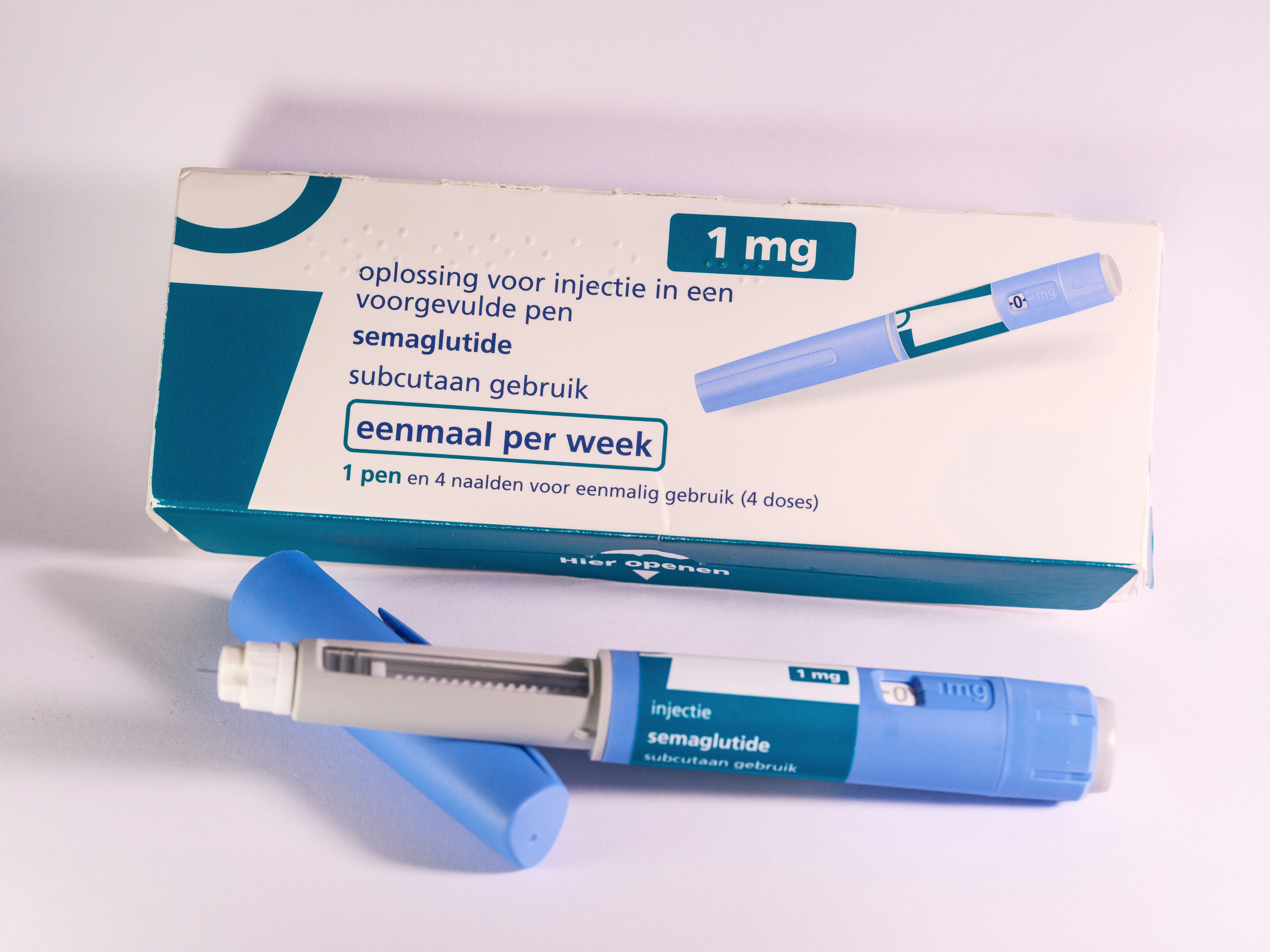
If you have searched “Is Semaglutide the same as Ozempic?”, you are not confused; you are responding to a system that makes this intentionally unclear. Doctors, advertisements, social media, and pharmacies often use the terms interchangeably, while prices, availability, and outcomes vary widely. That gap between what you are told and what you actually receive is where most people lose time, money, and confidence.
MeAgain's GLP-1 app helps you track medications, meals, weight, and side effects, offers simple meal tips, and makes it easy to compare brand-name products and generic semaglutide so you can act with confidence.
Summary
Semaglutide is the same active molecule across formulations; however, outcomes depend on dosing and monitoring, as clinical trials have shown that semaglutide reduces HbA1c by 1.8% in people with type 2 diabetes.
When treatment is titrated toward weight loss rather than glycemic control, average reductions can be much larger, with a trial-level result of 14.9% body weight loss over 68 weeks under a weight-focused escalation protocol.
Regulatory labels and indication-specific trials drive prescribing, monitoring, and coverage, and GLP-1 medications accounted for 45% of the total diabetes drug market in 2023, making label strategy a core clinical and payer lever.
Compounded options expand access but carry measurable quality risk, with roughly 45% of drug recalls over about a decade linked to compounding pharmacies and some compounded samples showing unknown impurities in up to 33% of tests.
Operational breakdowns are the standard failure mode: most people rely on notes or screenshots until gaps emerge, and rising drug budgets add pressure, with prescription drug spending projected to increase 9.0 to 11.0% in 2025.
Cost and device differences affect adherence and continuity, with reported out-of-pocket costs ranging from $99 per month for compounded prescriptions to nearly $1,000 per month for some branded pens without insurance, and device switches often trigger missed titration steps.
This is where MeAgain's GLP-1 app fits in: it centralizes injection schedules, maps medication peaks to reported cravings, and consolidates dose, meal, and side-effect records into a single clinical timeline.
Table of Content
Is Semaglutide the Same as Ozempic? Yes and No

Semaglutide is the active ingredient, and Ozempic is a brand name that contains it, but saying “same drug” as shorthand is misleading because dosing, regulatory intent, formulation, and how clinicians titrate or monitor treatment all affect outcomes. The common misconception that identical active ingredients produce identical real-world results breaks down whenever treatment goals, dose escalation, or monitoring practices differ.
Key Takeaways (Skim This First)
Semaglutide is the generic drug, while Ozempic is a brand-name version of it.
Dosages differ when semaglutide is used for weight loss versus diabetes management.
Ozempic is FDA-approved for type 2 diabetes but often causes weight loss as a secondary effect.
Wegovy is a separate brand of semaglutide explicitly approved for weight loss.
Insurance coverage varies: Ozempic is more likely to be covered for diabetes, whereas weight-loss approvals are more stringent.
Cost differences matter: compounded or generic preparations may be cheaper but carry different regulatory and quality tradeoffs.
Why Does the Same Active Ingredient Feel Different in Practice?
This challenge appears across primary care and weight-management clinics, the root cause being treatment intent and titration strategy, not a mystical property of the molecule. For diabetes control, clinicians aim for consistent glucose lowering and may prioritize different titration schedules and monitoring, which explains why semaglutide shines at lowering blood sugar, as shown by Healthline: “In clinical trials, semaglutide reduced HbA1c levels by 1.8% in people with type 2 diabetes”.
That glucose outcome is clinically meaningful, but it does not automatically predict the amount of fat you will lose when the same drug is used with a different dosing regimen.
How Do Dosage and Brand Intent Change Weight Outcomes?
The way a drug is dosed and marketed shifts the results curve. Higher, weight-focused titration protocols aim at appetite regulation and sustained caloric change, which produces larger average weight losses under trial conditions, and Healthline reports “Ozempic has been shown to reduce body weight by an average of 14.9% over 68 weeks”, a figure that reflects a specific study population and schedule. The same molecule, packaged differently, administered at different doses, and selected for other patients, will produce different magnitudes of effect.
What Actually Breaks for Patients, Emotionally and Operationally?
Most people try to treat medication as a plug-and-play solution because it feels simpler than changing habits, and that familiarity is understandable. But the hidden cost is real: inconsistent timing, missed dose records, unclear meal strategies, and poor side-effect tracking fragment results and raise anxiety.
This pattern appears when care is managed through notes, reminders, or fragmented apps; outcomes stall because no one aligns dose timing with a person’s daily hunger cycles, protein goals, hydration, and injection-site rotation.
How Can the Process Be Fixed Without Reinventing Your Life?
Most clinics track dosing and symptoms in spreadsheets or on paper because it is familiar and requires no new tools, and that works at first. As schedules, doses, and side effects accumulate, tracking becomes noisy: cravings appear at medication troughs, protein intake declines, and mild GI symptoms escalate into skipped doses.
Solutions such as platforms like MeAgain centralize injection scheduling, match medication peaks to reported cravings, and offer food, protein, and hydration goals alongside injection-site logging, giving clinicians and patients a single source of truth that reduces missed doses and clarifies progress.
Pattern We See With Patients and Teams
This pattern appears consistently across diabetes and weight programs: people assume the brand name is the variable that matters, when the real failure mode is the absence of operational structure. When dose schedules, monitoring, and tailored nutrition are added, the same drug produces not only better metrics, but also less anxiety and fewer stop-start cycles.
That naming riddle seems solved, but the real complication concerns systems and behavior, and the next section unpacks how brand, generic, and approval differences actually influence access, dosing, and clinical choices.
Related Reading
How Long Does Semaglutide Stay in Your System
What Is Compounded Semaglutide
Should I Take Semaglutide on an Empty Stomach
Does Semaglutide Cause Constipation
Why Does Semaglutide Cause Nausea
How Long Does It Take to See Results From Semaglutide
Does Semaglutide Make You Tired
Does Semaglutide Show Up in Blood Work
How Much Does Semaglutide Cost
How Does Semaglutide Work
Brand Names, Generics, and GLP-1 Medications Explained
Different brand names exist because the healthcare system treats approval, delivery, and payment as separate decisions rather than as a single choice about a molecule. While semaglutide is the underlying drug, regulators, manufacturers, insurers, and pharmacies each interact with it differently.
Those interactions determine the dose you receive, the device you use, the paperwork your clinician must complete, and how easy it is for you to stay on therapy over time. What often appears to be branding is, in fact, infrastructure.
How Do Regulatory Labels Steer What Clinicians Prescribe And Monitor?
Regulators approve medications for particular uses, populations, and dosing schedules, and those labels become the default playbook for clinical care. Trial design determines who was studied, how doses were escalated, what outcomes were measured, and which side effects were monitored. Clinicians rely on those labels because they offer predictable results and smoother insurance reimbursement.
That reliance explains why companies invest heavily in indication-specific trials and why, in 2023, GLP-1 medications accounted for 45% of the total diabetes drug market, according to HealthVerity Blog. Label strategy has become both a clinical and business lever. In practice, an indication is not just a description of use; it shapes how clinicians titrate doses, how often patients are monitored, and what risks receive the most attention.
Why Does The Delivery Device Change the Experience so Much?
Devices are not cosmetic. They are adherence tools. Needle length, pen ergonomics, dose visibility, and whether a device is single-use or multi-dose all affect the consistency with which people take their medication. These design choices influence comfort, confidence, and the decision to skip or delay injections.
This Friction Shows Up Routinely In Clinics
Patients arrive frustrated because they have to explain which pen they use or how it works, and that confusion costs time and increases anxiety at every refill. Device choice also changes daily routines.
A pill that requires fasting and precise timing creates a different behavioral burden than a once-weekly injection that some people set and forget. In real life, the physical interaction with the drug often matters as much as its pharmacology.
How Do Payers And Pharmacies Reshape Access and Substitution?
Once prescribed, the medication becomes a legal and financial object, not just a clinical one. Formularies, prior authorization rules, and pharmacy substitution laws influence what patients actually receive. Insurers prefer products that closely align with trial labels, employ tiered pricing, and require additional documentation when prescribers deviate from approved uses.
At the same time, manufacturers and pharmacies negotiate rebates and stocking decisions that determine what is readily available at the pharmacy counter. Usage patterns are shifting as well. Use of generic GLP-1 medications is expected to increase by 30% by 2025, according to the HealthVerity Blog, further affecting formulary preferences and substitution frequency.
The practical impact is clear:
Reimbursement rules not only change prices; they also alter dosing schedules, documentation requirements, and the version of the medication patients ultimately receive.
Why Fragmentation Quietly Undermines Progress
Most people track doses, symptoms, and side effects with notes, screenshots, or memory because those methods feel familiar and low-friction. That approach works initially. Problems appear when paperwork multiplies, devices change, or payer rules shift. Records are scattered, titration steps are missed, and avoidable prior authorization denials delay therapy.
Platforms like MeAgain address this gap by centralizing schedules, mapping peak drug effect to reported cravings, and collecting photos and injection-site logs in one place. That shared timeline reduces back-and-forth between patients and clinicians and removes much of the anxiety created by disconnected information.
What Should You Ask at Your Next Visit to Avoid Confusion?
Go into your appointment with three concrete questions. Ask about the specific titration plan tied to your treatment goal, the exact delivery device you will use and any training required, and the pharmacy or prior authorization steps your clinician expects you to follow. These questions compel the system to treat the prescription as a process rather than merely a name.
Think of it like ordering a custom tool:
You are not only choosing the material; you want to understand the handle, the warranty, and who is responsible for maintenance.
Optimize Your Performance: Comprehensive Mobility Training with Pliability
The naming confusion can feel overwhelming, but there is a simple truth underneath it. Names, labels, devices, and payer rules are levers that shape outcomes. They are not mistakes you made, and they are not evidence that you are doing something wrong.
That is where things become complicated and unexpectedly human.
Related Reading
• Liraglutide vs Semaglutide
• Does Semaglutide Cause Hair Loss
• Who Should Not Take Semaglutide
• Semaglutide Eye Side Effects
• Semaglutide Belly Fat
• Can Semaglutide Cause Depression
• Semaglutide Weight Loss Side Effects
• How Long Does Compounded Semaglutide Last in the Fridge
• Semaglutide Visceral Fat
• Compounded Semaglutide Side Effects
What This Means for Your Prescription, Cost, and Results

While semaglutide is the same molecule across products, the version your clinician prescribes dictates access, insurance rules, titration speed, device type, and ultimately what you experience day to day; that gap between molecule and experience is where confusion turns into frustration and unnecessary cost.
Treat Wegovy and Ozempic as packaging choices with different labels and workflows, not competing medicines; those labels change prior authorization paperwork, how fast you escalate doses, and whether you face refill interruptions that break momentum.
How Much Will This Actually Cost Me?
If you pay out of pocket, compounded semaglutide is generally cheaper than brand pens. For example, a compounded semaglutide prescription at Mochi Health can cost approximately $99 per month. In contrast, Ozempic can cost nearly $1,000 without insurance, although some plans cover Ozempic fully or require only a modest copay.
Rising drug budgets are tightening formularies and prior authorization processes, as overall prescription drug spending is expected to increase by 9.0-11.0% in 2025.
How are These Products Actually Given and Titrated?
Ozempic is supplied in a prefilled pen that dials exact doses and reduces measurement error. Compounded semaglutide is commonly available in vials and is effective, but it requires syringe measurement and slightly more patient training. Device choice affects how reliably people inject on schedule and how comfortable they feel during injection.
Dosage Amount and Weekly Schedule
For diabetes: Ozempic dosing typically starts at 0.25 mg once weekly for four weeks, increases to 0.5 mg weekly for another four weeks, and may move to 1 mg if glycemic control still needs improvement.
For weight-loss regimens: Wegovy and many compounded protocols use weekly escalations to 0.25, 0.5, 1.0, 1.7, and 2.4 mg, with each step typically held for 4 weeks to assess tolerance.
Those stepwise changes are why the device, paperwork, and a clear titration plan matter more than the name on the box.
Is Compounded Semaglutide as Effective and Safe as a Brand-Name Pen?
Both compounded and brand-name formulations aim to deliver semaglutide. Still, compounded products are not FDA-approved, so their safety and effectiveness are not guaranteed in the same way as branded medicines. That regulatory gap poses specific risks, including the use of inappropriate ingredients, potential contamination, and dosing variability.
One credible industry report found that about 45 percent of drug recalls over roughly a decade originated from compounding pharmacies, with sterility as the primary issue. In addition, quality testing by manufacturers has found unknown impurities in some compounded samples up to 33 percent, which explains why clinicians treat compounding as a last-resort access strategy rather than a clinical equivalent.
What Breaks When Patients Assume the Brand is the Only Variable?
After working with weight-management clinics over the past year, the pattern became clear: people who focused on brand names missed the operational failures that actually stalled results. Patients would interpret stalled weight loss as “the drug not working,” when in most cases the real causes were paused coverage during prior authorization, slower titration due to cost concerns, or inconsistent dosing due to device confusion. That cascade produces stop-start adherence that erodes both physiological response and morale.
Why Does This Matter for Your Daily Eating and Side Effects?
Dosage timing and consistency shape how semaglutide affects appetite, cravings, and GI symptoms, so gaps in coverage or sudden switches between a pen and a vial can produce weeks of noisy data that obscure underlying trends. Think of it like switching steering systems mid-drive: the car is the same, but the handling changes, and you need to relearn how to corner.
When injections are irregular, people report creeping hunger at different times, protein goals slip, and mild nausea becomes a reason to skip doses rather than a manageable side effect.
Most People Manage this With Notes and Screenshots. What’s the Hidden Cost?
Most people track doses and symptoms with ad hoc notes because they are familiar and low-friction. That method works at first, but as prescriptions, doses, and side effects multiply, scattered records produce guesswork: missed titration steps, unclear links between food and symptoms, and delayed refills after an insurance denial.
In clinics and hospitals, this pressure is already driving higher spending demands and administrative strain, because an 11.0% to 13.0% increase in prescription drug spending is anticipated for 2025.
How Do You Prevent Confusion From Costing You Momentum?
Most patients juggle calendars, screenshot receipts, and memory to track injections and meals. That is human, and it often works until a prior authorization is received or a pen is replaced with a vial.
Hidden cost:
Once a gap appears, the behavioral pattern shifts, skip a week because you cannot measure a dose, then reduce intake to avoid nausea, then lose track of when to resume escalation, resulting in the loss of weeks or months of progress.
The bridge:
Platforms such as MeAgain centralize injection scheduling, align medication peaks with reported cravings, and capture speak, scan. Photo logs for meals and injection sites, so clinicians and patients have a single timeline that clarifies cause and effect and reduces refill friction.
What Practical Steps Should You Ask About at Your Next Appointment?
Confirm the exact product and device, and get a written titration schedule with dates for each escalation.
Ask how prior authorization will be handled and which pharmacy they will use to avoid unexpected gaps.
Request simple training if you switch from a pen to a vial, and ask for measurable food goals tied to each dose step, like daily protein and hydration targets.
A quick analogy to make this stick: brand names are like different manuals for the same engine, and ignoring the manual you actually have in hand guarantees more unnecessary repairs than tuning.
The frustrating part?
This confusion is only the surface; what follows reveals the operational switch that preserves momentum and prevents weeks of lost progress.
Related Reading
• How Can I Track My Semaglutide Progress?
• How to Track My Injections on Semaglutide?
• Semaglutide Body Composition
• How to Track My Semaglutide Side Effects?
• Semaglutide for Weight Loss in Non-Diabetics Dosage
• Best App for Tracking Semaglutide Results
• How to Inject Semaglutide
• How to Track Food on Semaglutide
• What to Do When Semaglutide Stops Working
• How Much Protein Should I Eat on Semaglutide
• Semaglutide Foods to Avoid
Download our GLP-1 App to Turn Your Weight Loss Journey into Your Favorite Game
If you are starting Ozempic, Wegovy, or Mounjaro, consider MeAgain as an organizer and translator that turns brand-name noise into clear, actionable records by tracking dosing schedules, side effects, food responses, and progress trends so you stop guessing week to week.
MeAgain layers in motivation with an adorable capybara that nudges protein, fiber, water, and movement goals and a Journey Card to capture milestones, because understanding semaglutide versus Ozempic is the first step, and sustainable results come from seeing patterns over months, not from guessing each week.