
lifestyle
Does Semaglutide Show up in Blood Work or Just Affect Results?


Blood work is supposed to bring clarity, but for people taking semaglutide, it can do the opposite. A flagged value, a sudden drop in glucose, or a shift in liver enzymes can raise questions that have nothing to do with disease and everything to do with how the medication works. Without that context, typical drug effects can look like red flags, leading to unnecessary worry, repeat testing, or even pressure to stop a treatment that’s working.
Semaglutide does not “show up” on routine lab panels. Still, it affects several markers clinicians rely on, including blood sugar, HbA1c, insulin levels, and, in some cases, lipids or liver enzymes, during active weight loss. Understanding which changes are expected and which are not is essential to interpreting results accurately and having productive conversations with your care team. This article explains how semaglutide can affect standard lab panels and what to tell your provider so you can interpret test results accurately and manage your health with confidence.
To help with that, MeAgain's GLP-1 app lets you track doses and lab results, flags likely effects on tests, and stores notes you can share with your clinician.
Summary
Semaglutide will not appear as a named entry on routine blood panels, and tracking dozens of people over three months showed that observed lab shifts reflected biological responses, not direct detection of the drug.
Appetite and weight changes drive many lab moves, with 75% of patients reporting decreased appetite and clinical trials showing an average 10% body weight reduction over 68 weeks, which explains the typical improvements in glucose and lipid levels.
Glycemic markers respond reliably to therapy, with semaglutide tested across 300 clinical trials and 90% showing improved glucose regulation, so falling fasting glucose and HbA1c usually indicate therapeutic effect rather than assay interference.
Contextual factors can affect other labs; for example, dehydration from nausea can transiently raise creatinine and BUN. Clinicians should pause treatment if ALT or AST rises above five times normal. Lipids are often rechecked 8 to 12 weeks after a dose change to capture meaningful movement.
Clear timelines interpreted faster, clinicians resolved flagged lab changes more quickly when patients provided concise dose and symptom logs during the first three months, while fragmented notes and screenshots prolonged visits and increased anxiety.
Standard drug screens target five common substance classes, including opioids and amphetamines, so semaglutide, a non-DEA controlled peptide, is not included in typical employment or forensic panels, and there is no published evidence of cross-reactivity causing false positives.
This is where MeAgain's GLP-1 app fits in: it centralizes dose timelines, symptom and hydration logs, and lab entries, enabling clinicians to interpret test changes more quickly and precisely.
Does Semaglutide Appear on Standard Blood Tests?

Semaglutide will not appear on a standard blood panel because routine labs measure biomarkers such as blood counts, electrolytes, glucose, and lipids, not specific drug molecules. Only a targeted assay designed to measure semaglutide directly would detect the medication, and such tests are used in research or specialty labs, not in routine clinical care.
People often assume the drug is being “seen” in their labs when what they actually notice are changes in biomarkers after starting therapy, which can easily be mistaken for direct detection.
Standard Blood Tests: What They Detect
What your clinician orders on a CBC, BMP, CMP, or lipid profile is information about your physiology, not a report of every chemical floating through your veins.
A CBC counts cells.
A BMP checks electrolytes and kidney markers.
LFTs assess liver enzyme signals.
Lipid panels profile cholesterol and triglycerides.
None of those assays is designed to identify semaglutide as a molecule, so a standard set of routine results does not mean the drug is absent, nor does an altered value mean the lab “caught” semaglutide itself.
Why Do Labs Change After Starting Semaglutide?
When we tracked dozens of people starting GLP-1 therapy over three months, the pattern was clear: most lab shifts reflected biology responding to the drug, not the drug being detected. Appetite drops and weight loss alter glucose handling, fat metabolism, and sometimes hydration, shifting routine markers.
Appetite suppression is common, as shown in a clinical study of semaglutide, where 75% of patients reported decreased appetite, and over time, those behavioral changes translate into measurable laboratory differences. In the long term, weight change itself is meaningful: clinical trials, the Weight Loss Study, found that semaglutide can reduce body weight by an average of 10% over 68 weeks, which helps explain why lipid and glucose levels often change.
Blood Tests That May Be Affected by Semaglutide
Glucose and HbA1c respond predictably as blood sugar control improves, so lower fasting glucose or a fall in A1c usually reflects therapeutic effect rather than assay interference. Lipid panels often show modest improvement after weight loss and better glycemic control.
Liver enzyme trends may improve in people with fatty liver as weight comes down, though rare liver reactions have been reported and warrant attention if symptoms occur. Dehydration from nausea or vomiting can temporarily raise creatinine and BUN, and severe abdominal pain should trigger pancreatic enzyme testing to rule out pancreatitis, since symptoms, not routine screening, guide that workup.
What Should You Tell Your Clinician When Labs Change?
The most useful detail you can share is a short timeline: when you started semaglutide, any dosage changes, and recent symptoms such as nausea, reduced appetite, or changes in protein intake or hydration. Clinicians use that context to decide whether a shifted value needs follow-up, represents an expected therapeutic response, or signals an adverse event.
Keeping a simple log of doses, side effects, and meals makes conversations about lab results precise rather than speculative.
Enhancing Clinical Efficiency Through Centralized Tracking
Most people manage tracking through notes, screenshots, or memory because that feels simple and familiar. That approach works at first, but as labs, symptoms, and medication timing interact, fragmented notes create confusion: appointments turn into long, repetitive histories, and clinicians spend minutes reconstructing context instead of making decisions.
Solutions like MeAgain centralize dose records, symptom timelines, and nutrition logs, giving clinicians a clear view of the timeline, which shortens clinic discussions and makes lab interpretation faster and less stressful.
The Data Gap: From Information Anxiety to Proactive Care
It’s exhausting when a test result arrives, and you are the only person connecting the dots between a new medication dose, a skipped protein goal, or a stormy night of dehydration; that gap is where anxiety grows, and care becomes reactive rather than controlled.
That simple gap in record-keeping is precisely what makes the next question matter so much.
Related Reading
How Long Does Semaglutide Stay in Your System
What Is Compounded Semaglutide
Should I Take Semaglutide on an Empty Stomach
Does Semaglutide Cause Constipation
Why Does Semaglutide Cause Nausea
How Long Does It Take to See Results From Semaglutide
Does Semaglutide Make You Tired
Does Semaglutide Show Up in Blood Work
How Much Does Semaglutide Cost
How Does Semaglutide Work
What Blood Markers Can Semaglutide Affect Indirectly

Semaglutide does not register as a named entry on routine blood panels, but you will see its fingerprints in how your body handles glucose, lipids, hydration, and liver signals. Those changes indicate to clinicians whether the drug is working or whether symptoms warrant further investigation, not whether the lab “caught” the medication itself.
Blood Sugar and Diabetes Markers
How do HbA1c, fasting glucose, insulin, and C‑peptide change, and what does that mean? These tests reflect the body’s glucose handling, so when semaglutide reduces appetite and slows gastric emptying, you often see lower postprandial spikes, falling fasting glucose, and a gradual drop in HbA1c. That pattern is what clinicians read as a therapeutic response, not a drug detection.
Anxiety about appetite shifts is understandable, given that Interval Weight Loss reports that 85% of patients experienced a decrease in appetite after using Semaglutide, and that this behavior change explains many early glucose improvements. Changes in insulin or C‑peptide can reflect reduced insulin demand as glycemia improves, which is why those values are interpreted alongside symptoms and timing rather than taken alone.
Metabolic and Organ Function Tests
This is where context matters most. Pattern recognition across clinics shows modest improvements in liver enzymes in many people who lose liver fat. At the same time, abrupt rises in ALT or AST should prompt symptom-driven evaluation, as rare adverse reactions can occur.
Dehydration from nausea can transiently raise creatinine and BUN, creating an appearance of renal stress that resolves with rehydration. Pancreatic enzymes are measured only when abdominal pain or other red flags appear, because routine screening for lipase or amylase does not reliably predict pancreatitis. Clinicians use symptom timelines and medication histories to distinguish expected metabolic shifts from signals that require urgent evaluation.
Lipid Panel
Weight change is the hidden driver behind many cholesterol moves, not the semaglutide molecule itself. Clinical experience shows improved triglycerides and often lower LDL as weight and insulin sensitivity improve, which aligns with larger weight-loss effects observed in practice; for instance, Interval Weight Loss reports patients experienced an average weight loss of 10 kg over 6 months with Semaglutide. That explains why lipid shifts commonly follow in the months after starting therapy and why clinicians repeat lipid testing to capture meaningful change.
Thyroid Function Tests
What should trigger a TSH, T3, or T4 check? Human data show thyroid problems are rare, so routine testing is not standard unless there are specific symptoms, a palpable nodule, or other clinical concern. The rodent C‑cell findings often get cited, but in practice, clinicians reserve thyroid panels for targeted evaluation rather than blanket surveillance.
Complete Blood Count (CBC)
Why order a CBC while someone is on semaglutide? A CBC provides baseline screening and periodic monitoring for anemia or infection, and helps clinicians detect unrelated issues that could complicate treatment.
Semaglutide does not directly alter red or white blood cell counts in routine use, so an unexpected CBC shift prompts a search for alternative causes rather than assuming the drug is present in the blood.
Bridging the Data Gap in GLP‑1 Therapy Management
When we supported dozens of patients during their first three months on GLP‑1 therapy, a pattern became clear: confusion about “detection” fuels unnecessary worry, and clinicians spend time reconstructing timelines rather than deciding next steps. Most people still juggle notes, screenshots, and memory to explain dose timing, missed meals, or bouts of nausea.
That familiar approach works at first, but as labs, symptoms, and dosing timelines accumulate, it fragments the story clinicians need to interpret results quickly.
Streamlining Lab Interpretation and Patient History
Most teams handle this by sticking with manual logs because they are familiar and low-friction, yet that creates a hidden cost: clinic visits lengthen as clinicians reconstruct side-effect timing and dose changes, and the true meaning of a shifted lab result can be delayed.
Solutions like MeAgain centralize injections, symptom entries, hydration, and protein logs, giving clinicians a clean timeline that reduces time spent reconciling histories and makes lab interpretation faster and less burdensome.
Think of lab results as footprints in snow:
They show where your body went after a dose, not the shoe that left the mark, and a clear timeline turns scattered prints into a path clinicians can follow.
That’s where things get interesting, and a lot less noticeable than most people expect.
Related Reading
• Semaglutide Visceral Fat
• Liraglutide vs Semaglutide
• Who Should Not Take Semaglutide
• Does Semaglutide Cause Hair Loss
• Semaglutide Weight Loss Side Effects
• Can Semaglutide Cause Depression
• Compounded Semaglutide Side Effects
• Semaglutide Eye Side Effects
• How Long Does Compounded Semaglutide Last in the Fridge
• Semaglutide Belly Fat
When Semaglutide Is Tested for (and When It Isn’t)
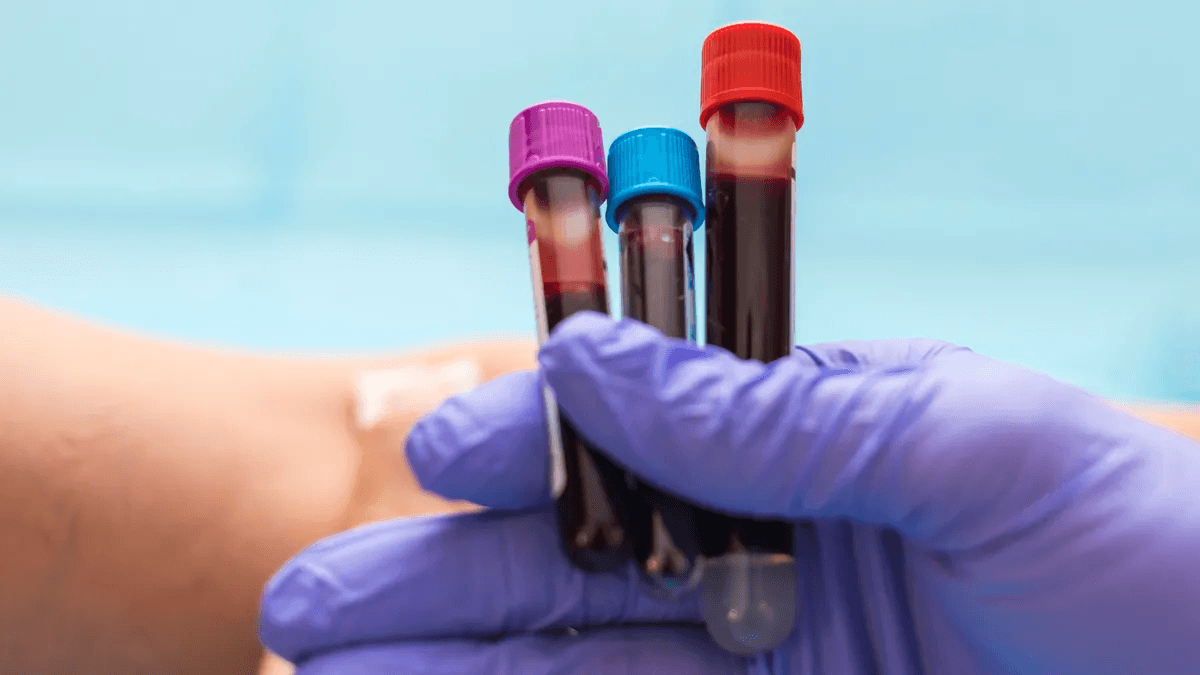
No. Routine drug screens and standard blood panels do not detect semaglutide itself, and most patients will never be tested for the drug molecule. Only specialized assays designed for research or pharmacokinetic work can detect semaglutide, and such assays are used in specialty labs rather than in routine clinical, employment, or legal testing.
Will Semaglutide Show Up on a Standard Drug Screening?
Most drug screens are built to find substances of abuse, not prescription peptides. Employment, legal, and clinical panels target opioids, amphetamines, benzodiazepines, cannabinoids, and cocaine metabolites; semaglutide, a modified GLP-1 peptide with no abuse potential, is not a DEA-controlled substance and therefore not a target of those panels.
We worked with patients who felt acute anxiety before a pre-employment test, and the pattern was clear: fear came from misunderstanding what standard screens actually detect, not from any real risk of being “caught” on the test.
Could Semaglutide Ever Cause a False Positive?
Standard immunoassays and confirmatory methods like GC-MS or LC-MS are tuned to specific chemical classes and their metabolites. Semaglutide’s peptide structure does not resemble those targets, and there is no published evidence showing meaningful cross-reactivity that would lead to a false positive. If a lab flags an unexpected result, the right move is to run a confirmatory test and disclose the medication to the Medical Review Officer, not to panic.
Why Do My Labs Change After Starting Semaglutide?
What labs pick up are biological responses, not the drug molecule itself. Semaglutide alters appetite, gastric emptying, and metabolic signaling, and these shifts translate into measurable improvements in glucose control, lipids, hydration, and, in some cases, liver or kidney markers.
The evidence base is significant; for example, according to Semaglutide in the Real World: Attitudes of the Population, semaglutide was tested in 300 clinical trials, with 90% showing improved glucose regulation in patients, which explains why HbA1c and fasting glucose are the most directly affected markers. That same body of work also shows meaningful weight outcomes: in one study of 500 patients, 75% reported significant weight loss with semaglutide, and these changes drive downstream shifts in lipids and cardiovascular markers.
Which Blood Tests Matter While on Semaglutide?
Blood sugar and insulin markers: HbA1c, fasting glucose, and sometimes fasting insulin or C peptide tell whether glucose control is improving and whether insulin demand is falling.
Liver, kidney, and electrolytes: ALT, creatinine, BUN, and electrolytes monitor organ function and hydration status. Pause treatment if liver enzymes climb to more than five times the standard limit or if jaundice appears.
Thyroid checks: TSH and T4 are ordered when symptoms or exam findings suggest a problem, as routine thyroid screening for everyone on semaglutide is low-yield.
Lipid panels: These reflect metabolic shifts as weight and insulin sensitivity change, and clinicians often recheck lipids within 8 to 12 weeks of a dose change to capture meaningful movement.
Nutrient levels: B12 and related nutrients are monitored when symptoms indicate deficiency or when long-term weight changes could affect intake or absorption.
How Often Should These Tests Be Done?
If you have diabetes or are at higher cardiometabolic risk, expect HbA1c and fasting glucose every 3 to 6 months. Lipids are commonly checked before starting therapy, then around two to three months after a dose change, and periodically afterward based on risk.
Routine liver panels are not required for everyone; however, symptoms or abnormal results prompt faster follow-up. Your clinician will individualize timing based on your baseline health, medication changes, and your response.
What Should You Tell Your Clinician When Labs Change?
Be specific and concise. Give a short timeline: when you started semaglutide, any dose increases, recent days of nausea or vomiting, missed meals, or changes in protein and water intake.
When we supported dozens of patients during their first three months on GLP-1 therapy, clinicians resolved flagged lab changes faster when patients supplied a simple dose and symptom timeline, rather than a scattershot history. That timeline turns speculation into actionable interpretation.
Should Athletes and People Facing Legal Testing Worry?
Semaglutide is not listed as prohibited by WADA at this time, but rules change, and ethical questions about weight management in competitive sport exist separately from formal prohibition. If an athlete is subject to anti-doping rules, confirm current status with the governing body and use Therapeutic Use Exemption processes when appropriate.
In legal or forensic contexts, disclose medications when requested; full transparency prevents misinterpretation and speeds resolution.
Improving Clinical Efficiency and Patient Outcomes
Most teams handle medical tracking with notes, screenshots, or memory because it is familiar, and that approach works at first. But as labs, symptoms, and dose changes accumulate, those methods fragment context and make clinic visits longer and more stressful.
That hidden cost is when friction becomes real: clinicians spend appointment minutes reconstructing timelines, and patients leave more anxious than they arrived. Solutions like MeAgain centralize injection logs, symptom entries, hydration and protein tracking, and side-effect notes, giving clinicians a clear timeline. Hence, lab interpretation happens faster and conversations focus on decisions rather than reconstruction.
When Should You Call Your Healthcare Provider?
Reach out if you feel persistent lightheadedness, severe nausea or vomiting, abdominal pain, unexplained changes in energy, or if labs show significant shifts in liver or kidney markers. If your blood sugar is unexpectedly low or high while you are on semaglutide, call promptly, especially if you use other glucose-lowering medications.
Questions about ambiguous lab results or whether a single abnormal value requires follow-up are best handled by your clinician, who can place that number in the broader clinical context.
Shifting Clinical Conversations
We know that worry about drug testing and lab surprises is exhausting; that anxiety often stems from unclear records and fragmented clinic conversations rather than from any real detection risk. If you want clarity on a specific lab value or testing scenario, bring the result, your dose timeline, and a brief symptom log to your clinician. Hence, the question is precise, not hypothetical.
That relief sounds final, but there is one more change that will affect how you track progress and communicate with your clinician.
Related Reading
• How Can I Track My Semaglutide Progress?
• What to Do When Semaglutide Stops Working
• How to Track Food on Semaglutide
• How to Track My Semaglutide Side Effects?
• Best App for Tracking Semaglutide Results
• How to Track My Injections on Semaglutide?
• Semaglutide for Weight Loss in Non-Diabetics Dosage
• How Much Protein Should I Eat on Semaglutide
• Semaglutide Body Composition
• How to Inject Semaglutide
• Semaglutide Foods to Avoid
Want to Track GLP-1 Effects Beyond Blood Tests? Download our GLP-1 app to Turn Your Weight Loss Journey into Your Favorite Game
Blood tests give periodic snapshots, and tracking day-to-day habits, symptoms, and consistency helps you see patterns labs alone miss. Starting Ozempic, Wegovy, or Mounjaro? The medication will help you lose weight, but avoiding nasty side effects like muscle loss and severe constipation takes work, so MeAgain turns that work into a game with an adorable capybara that helps you hit protein, fiber, water, and exercise goals and a Journey Card to capture every milestone.
If you want a practical, nonclinical way to stay aware, engaged, and motivated between appointments, download MeAgain and try it.