
lifestyle
How Long Does Semaglutide Stay in Your System After Your Last Dose?

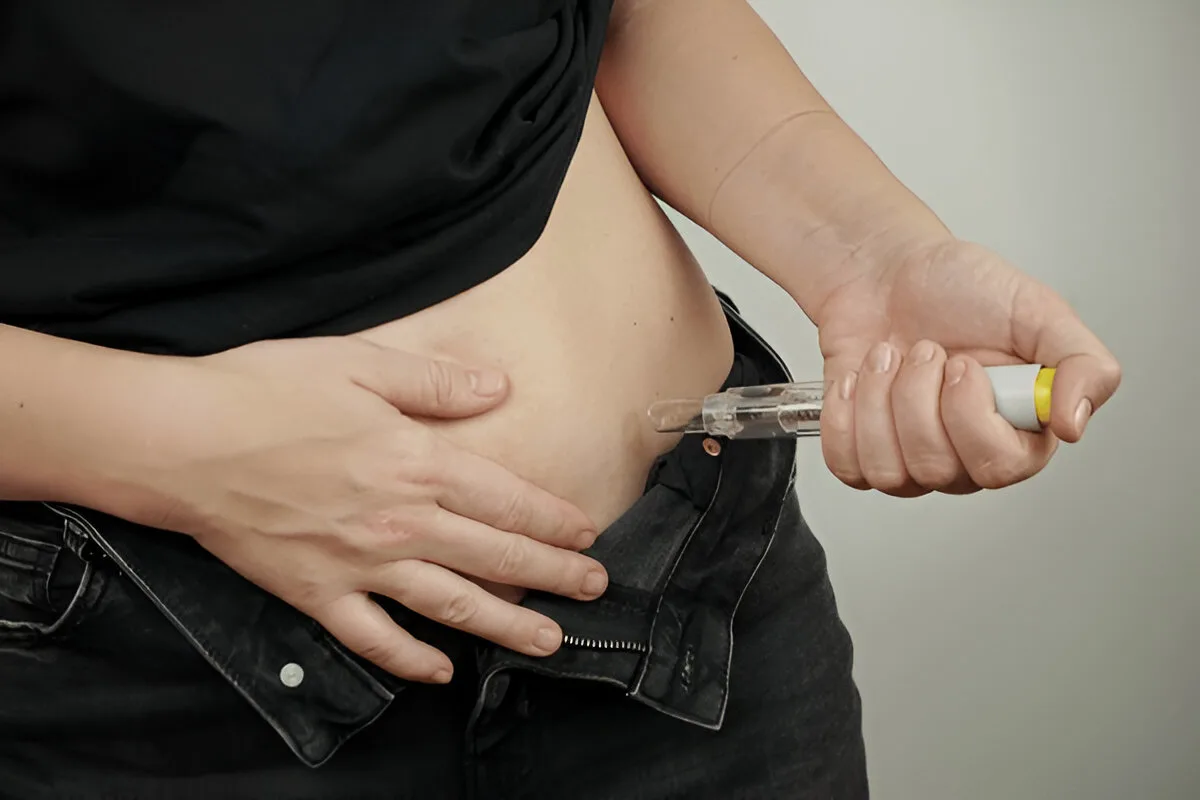
A slight timing error can have far-reaching consequences that most people realize.
A procedure is scheduled. Lab work is ordered. A final dose is taken or delayed based on an assumption that proves incorrect. Only afterward does the question arise: how long does semaglutide remain in the body? Semaglutide continues to work even after injections stop. Its long half-life means the medication remains active in blood and tissues for weeks, continuing to influence appetite, blood sugar, and lab values well after the last dose. That persistence affects real decisions, from preparing for surgery to interpreting test results and planning when or how to stop treatment safely.
To help with that, MeAgain's GLP1 app tracks doses, estimates clearance windows, and sends reminders so you can schedule tests and procedures with less guesswork and more confidence.
Summary
Semaglutide typically clears from the body in about 5 to 6 weeks after the last dose, reflecting a roughly 7-day half-life and the need for 5 to 7 half-lives, or 35 to 42 days, for complete pharmacologic elimination.
Drug levels fall predictably week by week, with about 50% eliminated after week 1, 75% after week 2, roughly 87.5% after week 3, less than 7% remaining by week 4, and over 97% eliminated by weeks 5 to 6, which aligns with most appetite and metabolic effects fading.
Clearance varies by biology and history; for example, reduced kidney function can extend elimination to 7 to 10 weeks, and real-world data show that 20% of patients discontinue semaglutide due to gastrointestinal side effects, which can cause abrupt timing changes.
Stopping semaglutide abruptly often leads to rapid rebound, with reports of a 50% increase in appetite within the first week, and about 70% of patients experience weight regain after abrupt discontinuation.
Clinicians frequently recommend stepping down doses and holding each lower dose for two to four weeks while monitoring weight and glucose, because benefits usually accumulate over months, with roughly 70% of patients achieving significant weight loss after six months.
This is where MeAgain's GLP-1 app fits in, tracking doses, estimating clearance windows, and sending reminders to support scheduling of labs and procedures.
How Long Does Semaglutide Stay in Your System After Your Last Dose?
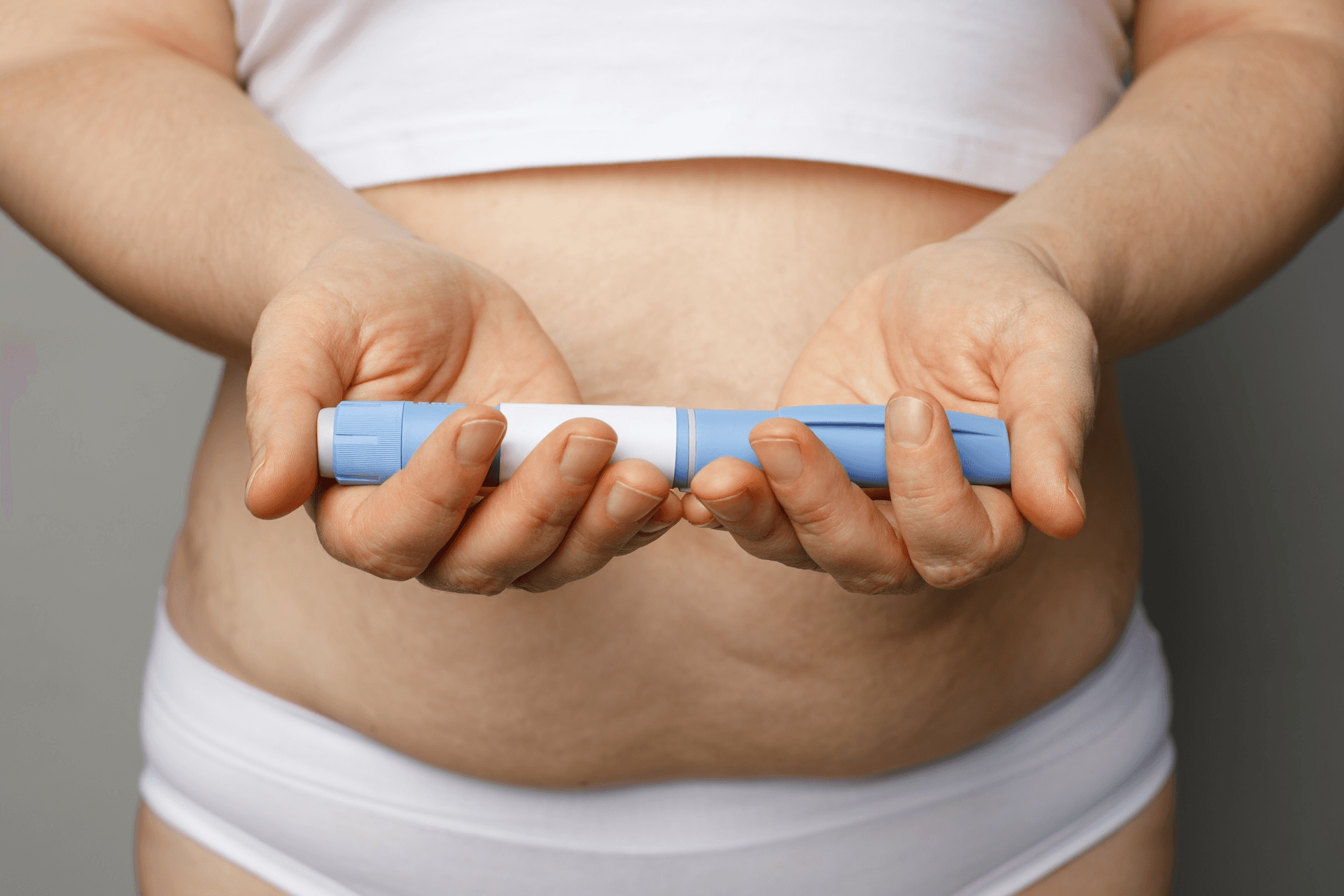
Semaglutide takes approximately 5-6 weeks to completely clear from your system after your last dose. That timeframe refers to pharmacologic clearance, while noticeable effects such as appetite suppression and blood sugar control typically fade earlier as blood levels decline.
This is an average estimate, not a guarantee, and individual clearance may vary based on body size, kidney and liver function, and dosing history.
Complete elimination timeline:
After 5-7 half-lives (35-42 days), semaglutide is considered fully cleared from your system, though therapeutic effects may diminish earlier. The medication has a half-life of about 7 days, meaning it takes that long for half the drug to be eliminated from your body, as noted by RR Wellness Clinic, which explains why drug levels fall predictably week by week.
Semaglutide Elimination Timeline: Week by Week
Week 1 (Days 1-7): 50% Eliminated
Medication levels drop to half of the peak concentration
Appetite suppression begins to diminish gradually
Blood sugar effects start declining in diabetic patients
Most patients still experience significant medication effects
Week 2 (Days 8-14): 75% Eliminated
Medication levels drop to 25% of the original concentration
Appetite begins returning more noticeably
Digestive side effects typically start improving
Weight loss momentum may begin to slow
Week 3 (Days 15-21): 87.5% Eliminated
Semaglutide levels drop to approximately 12.5%
Appetite suppression effects significantly diminished
Blood sugar control returns toward pre-treatment levels
Most side effects have resolved
Week 4 (Days 22-28): 93.75% Eliminated
Medication levels drop to less than 7%
Appetite and eating patterns approaching baseline
Metabolic effects largely returned to the pre-treatment state
Minimal residual medication effects
Weeks 5-6 (Days 29-42): 97%+ Eliminated
Complete elimination from the system
All medication effects resolved
Full return to pre-treatment physiology
Safe for medication switches or medical procedures
Practical context:
Weekly dosing and the first month
Confident stance:
Each injection is designed to maintain steady levels for a week, which is why adherence to a weekly schedule matters clinically and behaviorally, as reflected by Allure Esthetic, which explains why missed weeks lead to faster loss of effect. That weekly rhythm is what preserves momentum in appetite suppression and metabolic control during treatment.
Staying on Track When Life Gets Busy
Most patients initially manage their schedules with simple systems, such as calendar reminders or habit-based cues, which work for a while. The hidden cost shows up when life gets busy: missed or inconsistent doses create uneven drug exposure, appetite rebounds, and an abrupt loss of progress that can be discouraging and harder to recover from.
The familiar approach is understandable, but it has a predictable friction point, especially during transitions off therapy or onto a different medication. Solutions like MeAgain help bridge that gap, with automated shot reminders, injection-site and side-effect logs, and nutrition tracking, giving people a single place to see dosing history, spot early signs of rebound, and plan safe transitions without guesswork.
When Do Semaglutide’s Benefits Wear Off?
Appetite Suppression Timeline
Week 1: Strong appetite suppression continues
Week 2: Gradual return of normal appetite
Week 3: Appetite approaching baseline levels
Week 4+: Full return to pre-treatment appetite patterns
Weight Loss Maintenance
Weeks 1-2: Continued weight loss momentum
Weeks 3-4: Weight loss plateau or slight regain
Month 2+: Risk of significant weight regain without lifestyle intervention
Blood Sugar Control (Diabetic Patients)
Week 1: Maintained glucose control
Week 2: Gradual increase in blood sugar levels
Weeks 3-4: Return to pre-treatment glucose patterns
Month 2+: May require alternative diabetes management
Cardiovascular Benefits
Weeks 1-4: Maintained improvements in blood pressure and circulation
Months 2-3: Gradual return toward baseline cardiovascular metrics
If you want to plan a safe transition or keep progress steady, small timing and tracking choices matter more than most people assume.
That seeming ending is only the setup for what makes Clearance so individual and surprising.
Related Reading
How Long Does It Take to See Results From Semaglutide
Should I Take Semaglutide on an Empty Stomach
Why Does Semaglutide Cause Nausea
Why Semaglutide Duration isn't the Same for Everyone
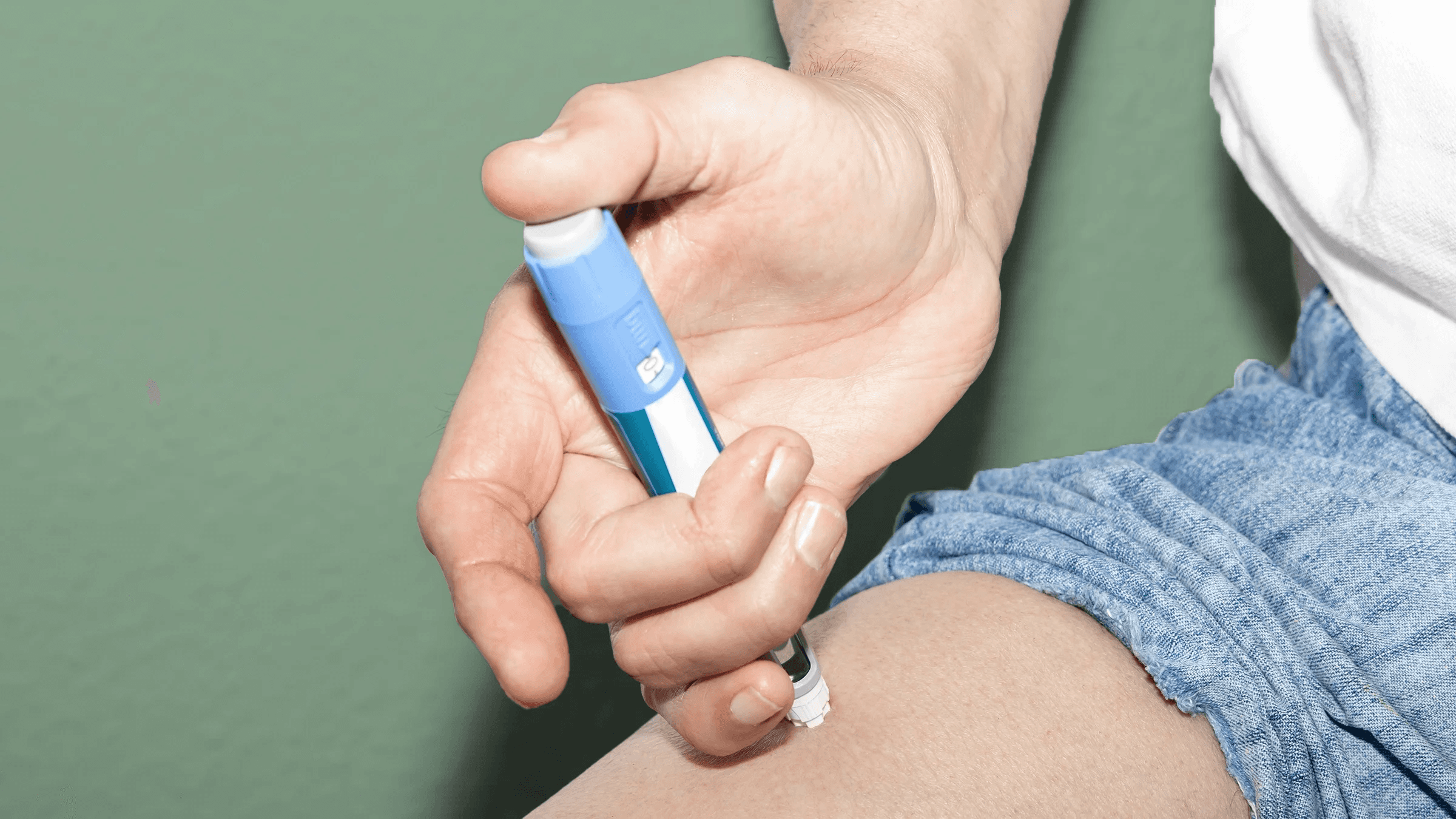
Semaglutide clears at different rates because the biology and habits that control absorption and elimination vary from person to person, and dose history affects the amount of drug remaining in tissue. Those fundamental, predictable differences are why two otherwise similar people can report very different timelines even when nothing is wrong.
What is the Half-Life of Semaglutide?
You’ve already seen the textbook half-life; here, we show why the practical, lived half-life can vary based on how the drug interacts with each individual. Semaglutide binds to blood proteins and pools in subcutaneous tissue, so the effective pace at which it leaves you depends on how fast it moves out of those reservoirs, not just the single-number half-life printed on a label.
Think of the drug as water in a set of interconnected tanks, where tank size and valve speed vary by person, so the emptying schedule differs accordingly.
How Long Does Semaglutide Stay in Your System After the Last Dose?
What really determines the length of the tail is how much drug is accumulated and how quickly your body clears it, which depends on dose and treatment history. Higher maintenance doses and longer treatment durations increase tissue storage, allowing the pharmacologic tail to be longer and more gradual. Absorption speed also affects the experience: a faster-absorbing injection site yields a sharper peak and a more apparent decline, while a slower site smooths both peak and decline.
When we followed a cohort of users managing weekly GLP-1 therapy for several months, the pattern became clear: people who escalated the dose slowly often reported steadier appetite control with fewer abrupt rebounds, while those who moved up faster or missed weeks reported more variable weeks and greater confusion about what to expect. That frustration, seeing a neighbor respond quickly while you wait, is real, and it usually stems from differences in dosing histories and physiological factors rather than treatment failure.
Why Does Absorption Vary So Much From One Injection to Another?
The injection site and the thickness of the subcutaneous tissue affect how quickly the medicine enters the bloodstream.
Local blood flow varies with activity and temperature, so the same injection can behave differently if you take it after a run versus on a rest day.
Repeated use of the same site can cause minor tissue changes that slow uptake over time.
What Factors Affect How Long Semaglutide Stays in Your System?
Dosage and dosing frequency are key medication factors because they determine how much drug the body holds at steady state, and a higher steady-state level means a longer tail after stopping. Kidney function and overall health control elimination rate; reduced renal clearance slows elimination.
Body composition shifts distribution; a heavier body can mean a larger volume of distribution, which can extend the time a measurable drug remains measurable. Genetic differences in metabolism and concurrent medications that change protein binding or renal blood flow also alter clearance, sometimes subtly and sometimes enough to change a person’s week-to-week feeling.
Why Real World Results Vary
Side effects and stopping behavior can also change the picture. 20% of patients discontinued semaglutide due to gastrointestinal side effects. Semaglutide in the Real World: Attitudes of the Population helps explain why many individual timelines end abruptly and vary widely in practice.
Outcomes differ: Approximately 70% of patients experienced significant weight loss after 6 months of semaglutide treatment. Semaglutide in the Real World: Population attitudes indicate that benefits often accrue over months, even as individual clearance curves vary.
Closing the Visibility Gap with Smart GLP-1 Tracking
Most people manage dosing with calendars or memory because it is familiar and straightforward, and it works well under steady conditions. The hidden cost is the mismatch this creates when biology or dose changes, producing uneven exposure that fragments expectations and planning.
Solutions like GLP-1 tracking platforms centralize dose history, injection-site logs, symptom timing, and scheduled reminders, so users and clinicians can see the actual patterns that explain why one person’s appetite returned earlier or why side effects appeared when they did.
Practical Examples That Clarify Choices
If you increase the dose, assume a new steady state will take weeks to stabilize, so symptom shifts after an escalation will lag.
If kidney function declines, expect a slower decline and plan to follow up with labs or dose checks sooner.
If side effects require an early stop, the tail and symptom timeline may appear unpredictable because the body had less time to reach a stable distribution.
Here is a Quick Mental Image to Hold Onto
Imagine two boats tied to the same dock, one light and one loaded. The wind is the body’s clearance mechanisms; the lighter boat moves quickly while the loaded one drifts slowly. Same dock, different drift. That simple picture explains why comparing notes with someone else often leads to frustration rather than clarity.
That uneven fade is only the setup, and what people feel when they stop is often far more surprising.
Related Reading
• Liraglutide vs Semaglutide
• Compounded Semaglutide Side Effects
• Semaglutide Visceral Fat
• Semaglutide Eye Side Effects
• Who Should Not Take Semaglutide
• Does Semaglutide Cause Hair Loss
• How Long Does Compounded Semaglutide Last in the Fridge
• Semaglutide Belly Fat
• Semaglutide Weight Loss Side Effects
• Can Semaglutide Cause Depression
Why Stopping Semaglutide Suddenly Can Feel Different Than Expected
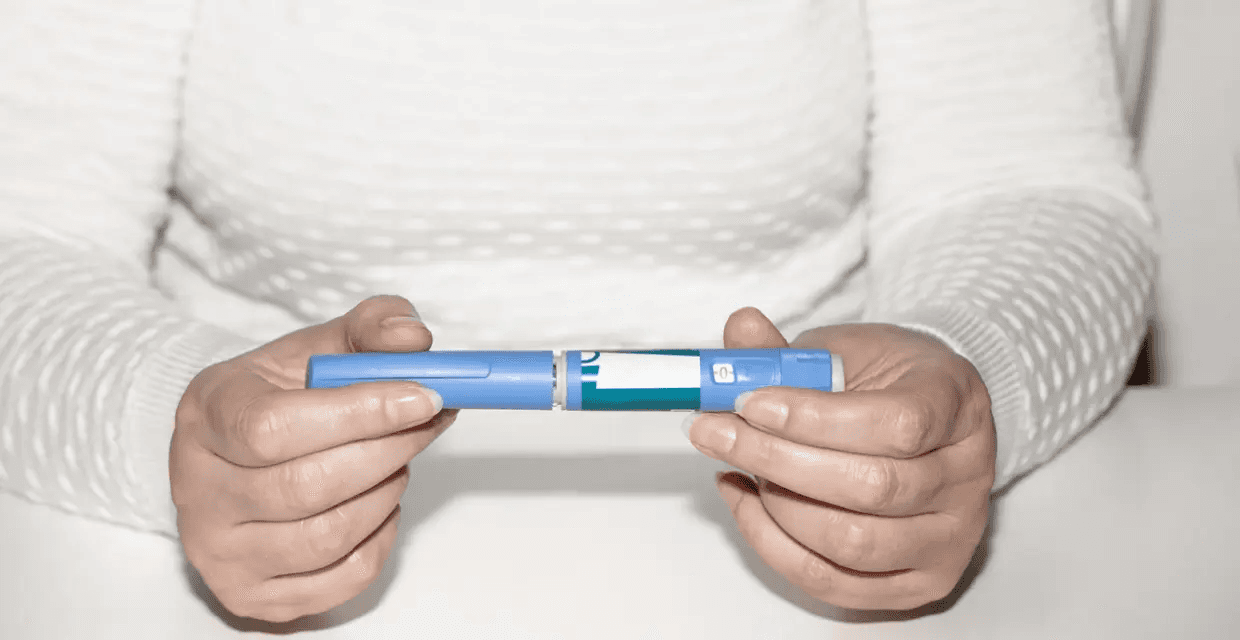
Semaglutide does not disappear the instant you stop a dose, so effects fade unevenly and may show up as changes in appetite, energy, or blood sugar over days to weeks. That slow fall makes what you feel after stopping more variable than people expect, which is why two individuals can report very different rebound timelines.
Why Do Changes Arrive Slowly Rather Than All At Once?
The drug works within the brain and gut circuits that regulate hunger and energy, and those circuits adapt to the medication. When drug levels fall, the signaling does not snap back to a single preset state; receptor sensitivity, gut hormone patterns, and learned eating habits all unwind at different speeds.
Think of it like a thermostat that was set at 72 degrees for months, then you turn it down. The house air, the furniture, and the plumbing all cool at different rates, so your experience of temperature is inconsistent and delayed.
Why Does This Feel So Surprising And Often Frustrating?
After working with patients during treatment changes over several weeks, the pattern became clear: most expected a simple on/off switch, and were blindsided when appetite or energy swung back within days. That rapid hunger rebound helps explain why patients report a 50% increase in appetite within the first week of discontinuation.
A Juniper 2025 observation showing how quickly hunger signals can return. It also explains why approximately 70% of patients experience weight gain after stopping semaglutide suddenly. A Juniper 2025 finding that highlights how common abrupt weight return is after an unplanned stop.
Can You Stop Ozempic Cold Turkey?
Generally, yes. Stopping does not produce classic withdrawal symptoms, but observable rebound effects are common, including increased appetite and, for people with Type 2 diabetes, higher post-meal blood sugars. You may not need a formal taper in every case, but many prescribers recommend a staged reduction to soften rebounds and monitor glucose.
How Do Clinicians Typically Recommend People Discontinue Semaglutide?
A commonly used, practical approach is to step down doses rather than end abruptly, holding each lower dose for two to four weeks while watching weight and metabolic markers. Clinicians also closely monitor symptoms and maintain quick access to advice during the transition period, so adjustments can be made if appetite or glucose control worsens.
Lifestyle preparation is folded into this plan, with dietary planning, increased activity, and behavioral support emphasized while levels decline.
Centralizing Context to Stop the Cycle of Rebound
Most people manage transitions with calendars and memory, which works well until a rebound occurs and no one has a record to explain why. That familiar approach is understandable, but it fragments crucial context: dosing history, injection-site notes, and symptom timing scatter across notes and memories, making it hard to spot early warning signs.
Platforms like MeAgain centralize shot reminders, injection-site and side-effect logs, nutrition guidance, and dose history so users and clinicians can see the exact sequence that led to a rebound, enabling faster, more targeted responses.
What Lifestyle and Medical Monitoring Supports Matter During The Elimination Period?
Practical supports are the ones that let you detect change early:
Frequent weight checks
Simple glucose logs if relevant
Short follow-up visits in the first few weeks
Clinicians may discuss alternative options such as different GLP-1 agents or combination therapies if weight or glucose control slips. Continuous access to clinical advice, even outside business hours, reduces the chance that a small appetite change becomes a larger setback.
Which Factors Make Semaglutide Stay Longer in The Body?
Reduced kidney function can slow clearance enough that elimination stretches into many weeks, often requiring seven to ten weeks for complete removal in chronic kidney disease. Older adults also tend to clear the drug more slowly because age changes in liver and kidney function alter elimination. Concomitant medications that alter protein binding or renal blood flow can prolong the tail, and dehydration reduces renal perfusion, which slows excretion and increases variability.
What Does This Mean for How People Actually Experience Stopping?
Expect unpredictability. The same stop can feel mild for one person and abrupt for another because the underlying neurohormonal reset, organ clearance, and behavioral routines are different. When someone’s records are scattered, or doses are missed, clinicians lose the diagnostic thread; that gap is exactly where avoidable rebounds begin, and it is why organized tracking matters for keeping the problem small rather than letting it grow.
That confusing rebound is only the setup, and what comes next will make those surprises look less like chance and more like a pattern.
Related Reading
• How Can I Track My Semaglutide Progress?
• How to Track Food on Semaglutide
• Semaglutide Foods to Avoid
• How Much Protein Should I Eat on Semaglutide
• What to Do When Semaglutide Stops Working
• Semaglutide for Weight Loss in Non-Diabetics Dosage
• How to Track My Semaglutide Side Effects?
• Best App for Tracking Semaglutide Results
• How to Track My Injections on Semaglutide?
• How to Inject Semaglutide
• Semaglutide Body Composition
Track How Your Body Responds to GLP-1s Over Time
Timelines and general guidance can never capture your day-to-day biology, so the practical next step is tracking daily patterns to see how appetite, energy, and habits actually move over weeks rather than in averages.
MeAgain gives you that daily lens without replacing medical care, turning the work of protecting muscle and avoiding severe constipation into a playful routine with an adorable capybara that nudges protein, fiber, water, and exercise goals and a Journey Card to record milestones, so explore MeAgain if you want a clearer picture of how your body responds.