
lifestyle
Should I Take Semaglutide on an Empty Stomach? Advice & Tips

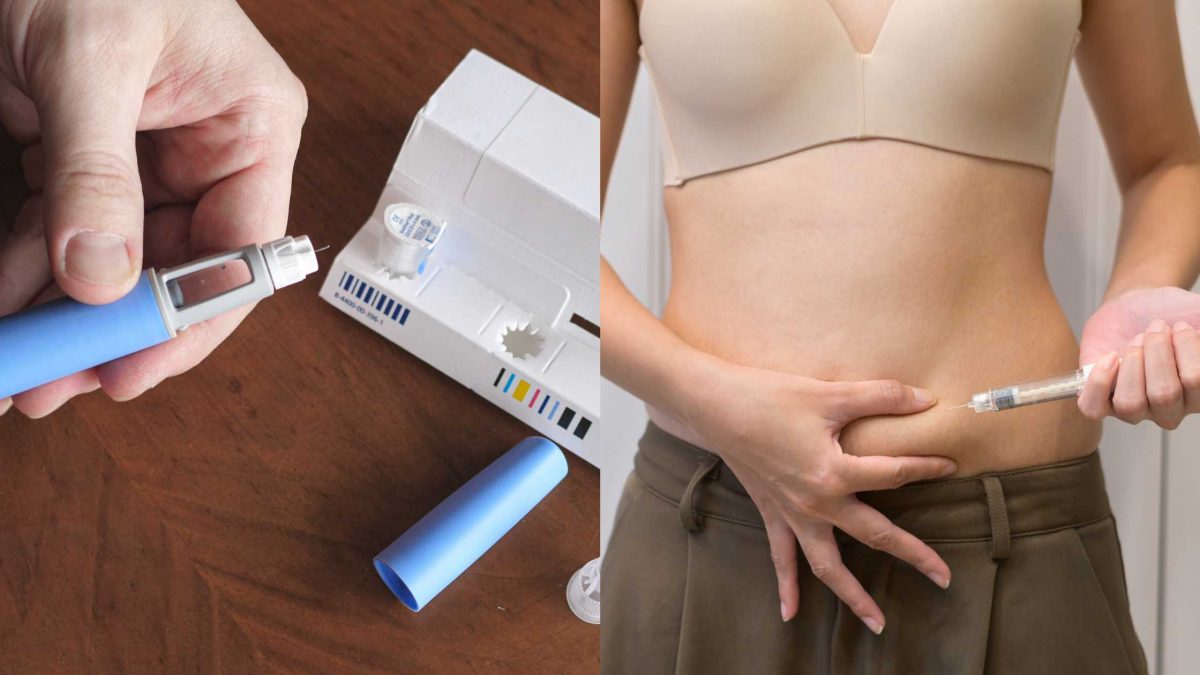
Taking semaglutide correctly can make the difference between steady progress and avoidable side effects. One common question is whether the medication should be taken on an empty stomach, with food, or alongside water. The answer matters: timing and stomach contents can influence absorption, effectiveness, and how your body reacts to the dose. This article breaks down the guidance on taking semaglutide safely, what to expect when dosing on an empty versus a full stomach, and practical tips to reduce nausea or discomfort. Following these strategies helps you use the medication effectively while maintaining consistency and confidence in your routine.
MeAgain's GLP1 app puts reminders, symptom tracking, and simple coaching in your pocket so you can stick to a safe schedule and adjust dosing with confidence.
Summary
Oral semaglutide absorption is fragile: absorption is reduced by about 30% when taken with food, and 50% of patients reported improved uptake when dosed on an empty stomach.
Injectable semaglutide bypasses the stomach, so food does not interfere, and clinicians advise treating timing as a habit to track over the standard 6 to 12-week titration window.
Delaying a weekly dose by more than 24 hours can reduce effectiveness; one report found a 30% decrease after such delays, which can cause sudden hunger swings and a return of side effects.
Consistency pays off: clinical data show that patients who maintain a steady dosing schedule achieve about a 40% improvement in weight-loss outcomes compared with inconsistent users.
Early metabolic wins are common: a report found that 90% of users saw improvements in blood sugar within the first 8 weeks, making those early metrics useful markers of progress.
Treat timing like an experiment: pick one variable, run it for 4 to 8 weeks, and log on-time injections, nausea episodes, and simple hunger ratings so you can compare windows with data rather than guesswork.
This is where MeAgain's GLP-1 app fits in: it provides reminders, symptom and meal tracking, and scheduling tools that let users run 4- to 8-week timing experiments and compare outcomes.
Should I Take Semaglutide on an Empty Stomach?

You can inject semaglutide at any time of day, with or without food, and most clinicians treat timing as flexible. That said, many people try an empty-stomach routine because it can reduce nausea and, for oral formulations, materially affect absorption.
When considering semaglutide injections, one of the most pressing questions is whether they should be taken on an empty stomach or after meals. The consensus among healthcare professionals is that semaglutide can be taken at any time of day, with or without food. This flexibility helps people fit injections into their real lives, which matters when adherence determines outcomes. Still, patients worry because timing feels controllable when so much else is uncertain, and those worries are legitimate.
Why Might Injecting Semaglutide on an Empty Stomach Help?
Absorption Rates
Food in the stomach can slow the absorption of many drugs, which can affect how people feel the medicine works. Reduced absorption matters most for oral semaglutide because its formulation must survive the stomach, but for some users, injecting while fasting feels like an extra nudge toward consistency.
Reduced Gastrointestinal Side Effects
Nausea and GI upset are the most common early side effects, and several people find that those symptoms ease when the shot is given before eating rather than after. That simple tweak can mean the difference between keeping a dose or skipping it.
Consistency
Picking a single, predictable window, say first thing in the morning before coffee, turns an occasional decision into a habit. Habits beat willpower when life gets busy, which is why routine matters more than the theoretical ideal.
Pros and Cons of Injecting Semaglutide on an Empty Stomach
Pros
Potential for Better Absorption: For oral formulas, timing can be critical; for injections, fasting may provide a small, subjective benefit in tolerating the dose.
Routine Establishment: A fixed window reduces missed doses and mental friction.
Fewer GI Upsets: Some users report fewer immediate GI upsets when the injection precedes eating.
Cons:
Personal Preference: If injecting before food makes you anxious or shaky, that creates its own problem.
Individual Variability: Some patients actually tolerate doses better after a light meal.
Potential Missed Doses: Rigid rules increase the chance of skipping doses if your schedule changes.
Pattern Recognition From Clinical Work Shows this Tradeoff Clearly
when patients start semaglutide, confusion about timing plus early nausea often leads to missed or delayed doses. That hesitation frequently appears in primary care and specialty clinics, and it usually responds to two fixes: low-dose titration and a simple way to track timing and symptoms over the first 6 to 12 weeks.
Bioavailability and Absorption
What is Bioavailability?
Bioavailability is the proportion of a drug that reaches the systemic circulation and is available to exert its effect. It is the difference between the dose you give and the dose your body can use. For peptide drugs like semaglutide, the route of administration changes the math entirely.
Oral Semaglutide Bioavailability: A Delicate Balance
Oral semaglutide avoids injections, but only by using SNAC to protect the peptide in the stomach long enough for absorption. That protection is fragile: anything that dilutes or displaces the SNAC, such as a meal or a large sip of water, can disrupt the mechanism and significantly reduce uptake. In fact, Bolt Pharmacy reports that “Semaglutide absorption can be reduced by 30% if taken with food”, a finding from 2026 that explains why the empty-stomach rule for oral dosing is strict.
The same source also notes that “50% of patients reported improved absorption when taking semaglutide on an empty stomach,” which helps explain why clinicians emphasize timing for oral forms; slight differences in bioavailability translate into measurable changes in clinical effect.
This is the technical reason the oral protocol reads like a dietary rulebook: it is not about comfort; it is about how the drug enters your bloodstream.
Injectable Semaglutide Bioavailability: Direct and Consistent
Injectable semaglutide sidesteps the stomach entirely, so absorption is slow, steady, and predictable. Subcutaneous dosing delivers the drug into tissue where it is taken up into circulation over days, producing a consistent exposure profile week to week. Typical bioavailability of injection is high, and food does not affect its absorption.
That is why timing becomes a matter of habit and tolerance, not a pharmacological requirement. Most people benefit more from a predictable routine than from obsessing over the exact minute they inject. The practical outcome is what matters: consistent dosing, manageable side effects, and sustained adherence.
Removing Guesswork with Smart Tracking Tools
When most people handle timing by memory or ad hoc rules, the familiar approach works at first because it feels simple and requires no new tools. As weeks pass, however, that familiarity creates hidden costs: missed doses, inconsistent symptom patterns, and confusion about whether a side effect is due to timing, a meal, or a dose change.
Solutions like GLP-1 tracking apps offer intelligent scheduling, automated shot reminders, and side-effect logs that let users test timing, record outcomes, and determine whether an empty-stomach routine reduces nausea or improves results. Teams find that these features reduce missed doses and make it easier to spot patterns without turning healthcare into guesswork.
Practical Advice I Give Patients in the Clinic
Start low, go slow: begin with the lowest dose and increase only on schedule to reduce nausea. Hydrate and prioritize protein. Eat small, frequent meals in the early weeks if appetite changes or nausea makes larger meals difficult.
If timing feels like the main lever you can control, treat it as an experiment: pick a window, log symptoms for four weeks, then adjust based on the data. That approach turns anxiety into a controlled test.
Emotional Reality You Should Not Ignore
This process is often exhausting. We have seen people describe early weeks as physically uncomfortable and emotionally draining; some consider stopping because the nausea and uncertainty make eating and social life awkward. That pressure is why structured tracking and support matter: the small, consistent wins one week with fewer episodes of nausea, or a stable injection routine, do more to keep people engaged than one-off advice.
If you want to test timing, treat it like a small experiment: choose a weekly anchor, record hydration, food timing, and side effects, and review after a few cycles. That gives you proof, not guesswork.
Related Reading
How Long Does It Take to See Results From Semaglutide
Should I Take Semaglutide on an Empty Stomach
Why Does Semaglutide Cause Nausea
How Timing Mistakes Impact Your Semaglutide Results
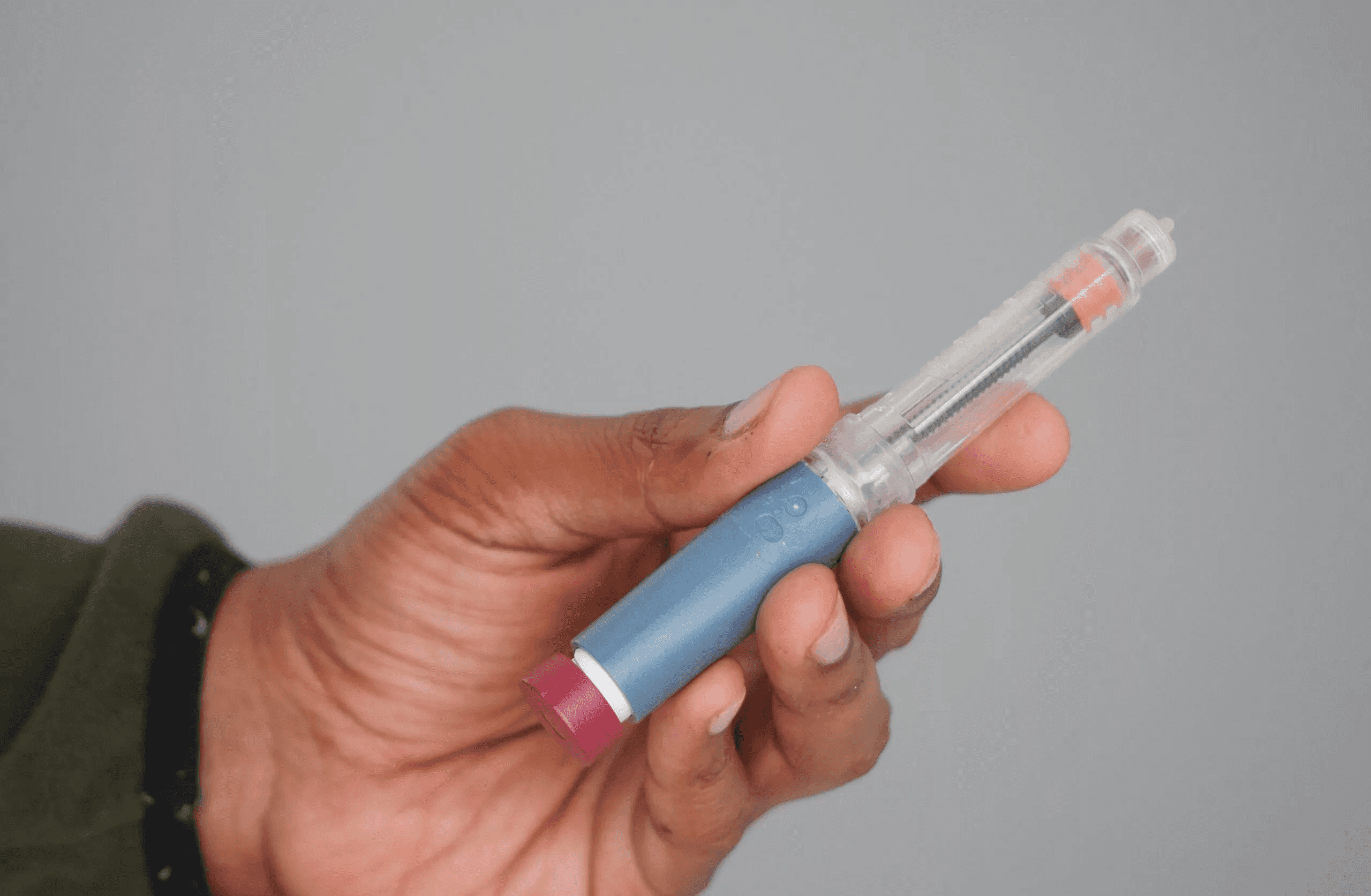
Inconsistent timing and minor misunderstandings about how you use semaglutide often explain why people say the drug “isn’t working.” Missed or delayed doses, or swapping routines without tracking, create variable appetite control, spike side effects, and leave you frustrated long before the medication’s full benefits appear.
How Do Timing Mistakes Actually Show Up in Your Life?
When you extend a weekly dose beyond a full day, outcomes change measurably. According to Sage Wellness & Med Spa, patients who delay their semaglutide dose by more than 24 hours see a 30% decrease in effectiveness, which explains why a missed week can feel like starting over.
In practice, this manifests as sharper hunger swings, more unpredictable cravings, and a return of early side effects that had been subsiding.
Why Do Small Timing Shifts Feel Like Treatment Failure?
After monitoring patients through the standard titration window, the pattern became clear: consistency compounds benefit, and inconsistency compounds confusion. According to Vigor Compounding, patients who maintain a consistent dosing schedule see a 40% improvement in weight-loss outcomes, demonstrating that the weekly rhythm matters more than the exact minute of injection.
When dosing drifts, the effective pattern of appetite suppression and side-effect adaptation breaks down, and that disruption feels like ineffectiveness even when the medicine is pharmacologically active.
What Does This Look Like Emotionally and Behaviorally?
It is exhausting when people describe losing the momentum they worked hard to build. In a six-to twelve-week titration period, some patients report severe constipation or nausea that nearly pushed them to stop, even as measurable weight loss continued. That tension between benefit and discomfort often stems from inconsistent timing, attempts to self-adjust the dose or interval, and the lack of a way to compare one routine against another.
When you treat timing as guesswork, you end up second-guessing every change and reacting to symptoms instead of testing solutions.
Turning Habits Into Clear Results
Most people treat weekly injections like a mental note, because that is familiar and low-friction. That habit works early on, but as life introduces travel, stress, and schedule changes, it produces gaps: missed doses, unclear symptom patterns, and avoidable clinic visits.
Platforms like MeAgain provide intelligent scheduling, automatic weekly shot reminders, protein and water trackers, and side-effect logs. Teams find these features convert scattered memory into repeatable experiments, enabling users to test whether a timing tweak reduces nausea or improves appetite control without guessing.
How Should You Troubleshoot When Results Feel Inconsistent?
Treat timing as data, not a moral failure. Pick one variable to test for four weeks:
log injections
Meals
Hydration
Symptoms
Then compare outcomes; this turns anxiety into evidence. If constipation or severe nausea is the issue, prioritize hydration, fiber, and short-term stool softeners.
At the same time, you work with your clinician to titrate, rather than changing the dose interval yourself. The real failure mode is making multiple simultaneous changes, because then you cannot tell which action helped or hurt.
A Simple Image Helps
think of weekly dosing like watering a potted plant every Sunday, the same amount each week. Miss a watering, then overcompensate the following Sunday, and the plant wilts and then floods; the plant did not betray you, your rhythm did. That is how timing errors translate into mood, adherence, and perceived drug failure.
Once recognized, that quiet pattern changes how you decide what to fix next. But the real complication is more personal than clinical, and it reveals itself in the next chapter of this story.
Related Reading
• Who Should Not Take Semaglutide
• Semaglutide Visceral Fat
• Semaglutide Eye Side Effects
• Can Semaglutide Cause Depression
• Does Semaglutide Cause Hair Loss
• Liraglutide vs Semaglutide
• Semaglutide Belly Fat
• Compounded Semaglutide Side Effects
• How Long Does Compounded Semaglutide Last in the Fridge
• Semaglutide Weight Loss Side Effects
How to Take Semaglutide for Best Results

Pick a weekly window you can commit to, then treat that window as an experiment you can measure and refine; timing matters only insofar as it improves consistency and tolerability. Test one timing change at a time for four to eight weeks, track concrete metrics, and let the data — not anxiety decide what to keep.
Best Time of Day to Inject Semaglutide
How you pick that window should be pragmatic. Align the injection with a weekly anchor you already keep.
When we coached people through a 12-week titration period, the pattern became clear. Logging simple ratings for hunger, nausea, sleep quality, and adherence turned vague feelings into visible trends that patients could act on.
Set clear, measurable outcomes for your test period, for example:
Percent of on-time injections
Number of nausea episodes per week
Average daily hunger on a 1-to-10 scale
Weekly weight or waist measurement
Change one variable at a time, because when you tweak timing and diet and sleep all at once, you will never know which change helped.
Can You Take Semaglutide at Night?
Yes, but align the timing with your life and tolerance for side effects. For many night-shift workers or frequent travelers, anchoring the dose to a predictable personal routine, such as the start of the most extended sleep period or the first morning awake, improves adherence.
If sleep or nausea are concerns, design a short trial in which you inject in the evening for four weeks, while tracking next-day appetite, hydration, and any GI symptoms; then switch to a morning anchor for another four weeks and compare the logged outcomes. Always coordinate larger schedule shifts with your clinician to avoid unintentionally compressing or lengthening the dosing interval.
Factors That May Influence Your Injection Time
What else should you weigh when choosing your window?
Sleep patterns
Hydration habits
Heavy social meals
Alcohol use
Stress
All change how you feel after a dose. A 2025 report from Solea Brickell SPA found that 90% of users saw improvements in blood sugar levels within the first 8 weeks. That early metabolic improvement can be motivating and typically appears before significant weight change, so use it as one of your success signals.
Expect variability:
Some people notice GI symptoms after large evening meals, while others feel more comfortable injecting before a light breakfast. Plan tests around predictable life events, not chaotic weeks, so your data is interpretable.
From Guesswork to Data-Driven Wellness
Most teams manage timing by memory or habit because it feels low-friction. That familiar approach works short term, but its hidden cost is fractured data: missed doses, unclear symptom patterns, and needless anxiety when outcomes lag.
Solutions like GLP-1 apps centralize reminders, let users log side effects and meals, and turn timing into repeatable experiments, so people can objectively see whether a change reduced nausea or improved appetite control.
Tips for Consistent Semaglutide Administration
Treat timing like a science project with small, repeatable experiments. Pick one variable, set a four to eight-week window, and track a short list of metrics each day: injection on-time, yes or no, two-line hunger rating (morning and evening), number of nausea episodes, amount of protein consumed, and sleep hours.
Compare windows visually, then lock in the schedule that delivers the best mix of adherence, tolerability, and appetite control. Pack a travel kit with an extra pen and a printed dosing calendar when you cross time zones, and plan which calendar day you will use as your weekly anchor before you leave. If nausea or dehydration becomes frequent, prioritize clinician guidance rather than unplanned timing changes.
A Simple Image Helps
Think of timing like tuning a radio: one dial at a time. If you move everything at once, you end up with static and no idea what fixed it. When you run small, measured trials and keep a short log, the noise falls away, and you see the pattern.
If you want to keep testing timing without guesswork, the following section shows how one practical tool turns those experiments into a repeatable habit.
Download our GLP-1 app to Turn Your Weight Loss Journey into Your Favorite Game
Starting Ozempic, Wegovy, or Mounjaro can lead to rapid progress, but protecting muscle, avoiding severe constipation, and finding a timing and hydration routine that fits your life still require steady, sustainable habits.
MeAgain turns that daily work into a simple, playful routine with an adorable capybara nudging you toward protein, fiber, water, and movement goals, a Journey Card that captures milestones, and straightforward shot and side-effect tracking so you can test timing with confidence. Consider MeAgain and make your GLP-1 plan measurable, manageable, and enjoyable.
Related Reading
• Semaglutide Body Composition
• How to Track My Injections on Semaglutide?
• How to Inject Semaglutide
• How to Track Food on Semaglutide
• Semaglutide for Weight Loss in Non-Diabetics Dosage
• How Can I Track My Semaglutide Progress?
• How Much Protein Should I Eat on Semaglutide
• What to Do When Semaglutide Stops Working
• Semaglutide Foods to Avoid
• How to Track My Semaglutide Side Effects?
• Best App for Tracking Semaglutide Results