
lifestyle
Does Semaglutide Cause Hair Loss and How Can You Reduce It?

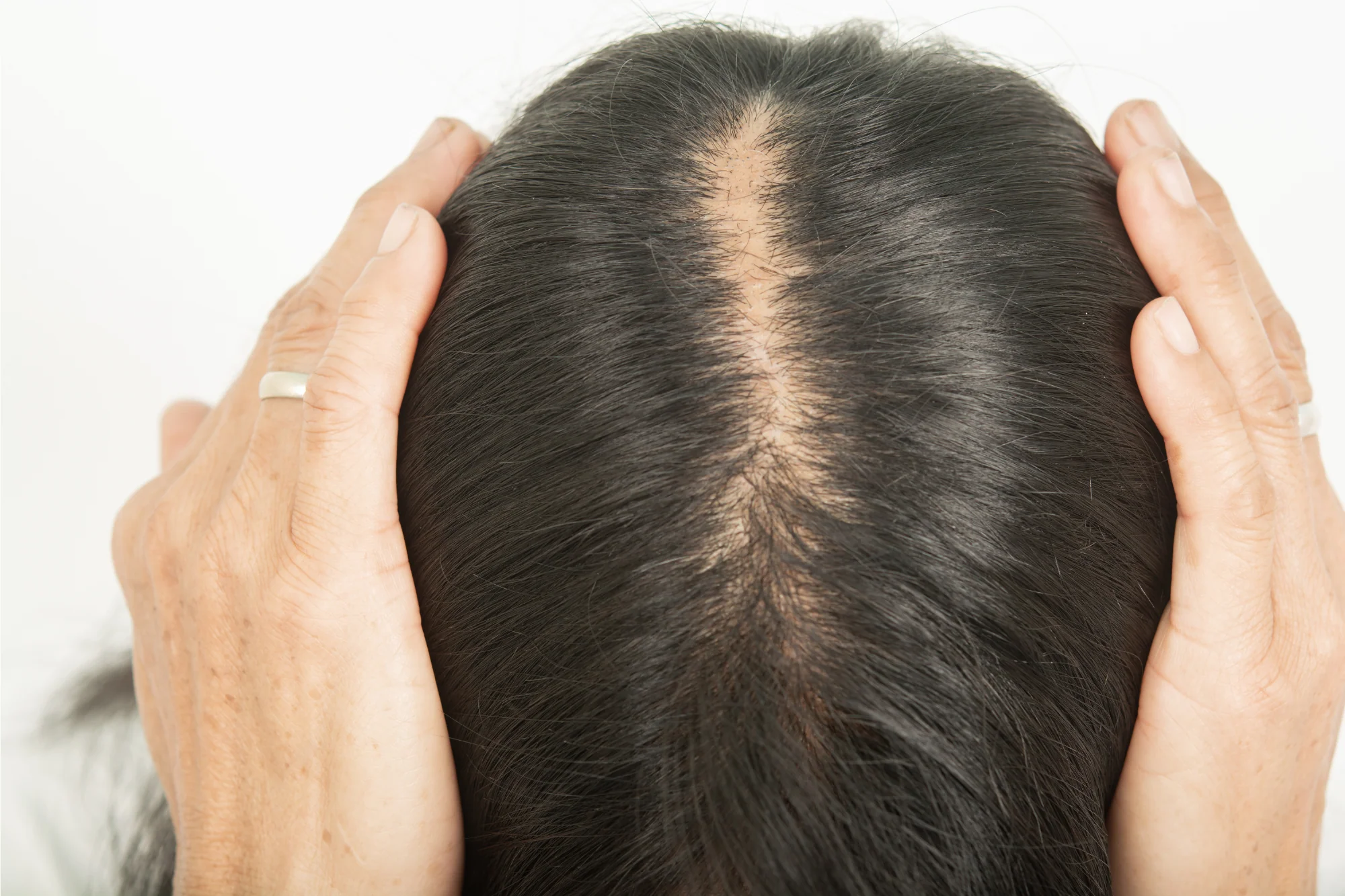
You started semaglutide to lose weight, then noticed excessive shedding or thinner hair and wondered what caused it. Does semaglutide cause hair loss? It is a question many people ask after starting drugs like Ozempic or Wegovy. This article looks at possible links such as telogen effluvium, nutrient shifts, hormone changes, and medication side effects, summarizes what studies and reports show, and gives clear steps on dosing, nutrition, scalp care, and monitoring so you can meet your weight management goals while protecting your hair and confidence.
To help put those steps into practice, MeAgain's GLP 1 app guides daily dose tracking, nutrient checks, symptom logging, and simple scalp-care tips to help you use semaglutide safely and maintain your appearance.
Summary
The best evidence points to reactive telogen effluvium rather than direct follicle toxicity, with an observational analysis reporting an adjusted hazard ratio of 1.52 for hair loss among semaglutide users compared with an active comparator.
Women showed a higher observed risk in the same real-world sample, with an adjusted hazard ratio of 2.08 for hair loss (95% CI 1.17 to 3.72), although observational data can be confounded.
Timing and frequency matter because many people begin to notice shedding around six to twelve weeks after starting a GLP-1, and roughly 30 percent of people taking semaglutide report hair shedding.
Nutritional and pacing levers drive the mechanism, so aim for a protein intake target of about 1.2 to 1.6 grams per kilogram of body weight per day while losing weight, and avoid losing more than about 1 percent of body weight per week when shedding appears.
Clinicians focus on specific labs that reflect follicle function, including ferritin, transferrin saturation, zinc, vitamin D, B12, and thyroid markers, with baseline testing and repeat testing at approximately eight to twelve weeks if shedding develops.
Structured tracking shortens the diagnostic timeline, converting what is often weeks of guesswork into days of pattern recognition by documenting injection dates, weekly weight, protein logs, and scalp photos.
This is where MeAgain's GLP-1 app fits in: it consolidates injection timing, protein and hydration logs, and symptom tracking into a single timeline that clinicians can review.
Does Semaglutide Cause Hair Loss? What the Evidence Shows

Hair loss while on semaglutide is a real, frightening concern, but the blunt claim “Semaglutide causes hair loss” overstates the case. Semaglutide may be associated with hair shedding in some people, but the best evidence to date points to weight-change-related stressors, not a direct toxic effect on hair follicles. The issue is usually temporary and manageable. Pay attention to how quickly you lose weight, your protein and micronutrient intake, and a simple tracking routine — those are the levers that actually change what you see in the mirror.
How Strong is the Clinical Evidence?
The first real-world analysis compared a large group of patients taking semaglutide to an active comparator group, with the cohort including 1,926 semaglutide users and 1,348 users of bupropion-naltrexone, from a MedRxiv preprint published in 2025, which means the study looked at nearly two thousand semaglutide-treated patients versus a sizable comparator but has not yet completed peer review.
Clinical Trials:
Semaglutide clinical trials (including Wegovy studies) reported hair-related side effects, but these were uncommon and not clearly linked to direct damage to hair follicles. Rates were similar to what you’d expect in populations experiencing rapid weight changes.
Real-World Evidence:
A 2025 study from the University of British Columbia (UBC) analyzed 1,926 people taking semaglutide for weight loss and compared them with 1,348 people taking bupropion-naltrexone.
Hair loss diagnoses occurred at 26.5 per 1,000 semaglutide users versus 11.8 per 1,000 bupropion-naltrexone users.
Women were affected more than men, showing roughly double the relative risk in the cohort studied.
The authors caution that this observational study cannot confirm causation—just an association.
Expert Commentary:
Dr. Saami Khalifian, MD, dermatologist, notes that telogen effluvium, a temporary, non-scarring form of hair shedding caused by physiological stress, is often observed in GLP-1 users.
Dr. Brynna Connor, MD, a family medicine physician, reports similar patterns: hair loss often occurs in the first weeks of therapy and usually resolves as the body adapts.
Mechanism: Rapid weight loss, dietary changes, and metabolic shifts stress the hair cycle, pushing more hairs into the shedding phase temporarily.
Is Semaglutide Directly Toxic to Hair Follicles?
No, there is no convincing pharmacology that semaglutide kills follicle cells. The pattern clinicians report is consistent with telogen effluvium, a reactive shedding that follows physiological stressors such as rapid weight loss, sudden dietary shifts, or metabolic strain. This pattern is consistent across clinical weight-loss settings: when weight drops quickly, more hairs enter the shedding phase simultaneously. That explains why many patients experience a transient loss early in treatment, rather than progressive hair loss.
Why Do Women Seem More Affected in This Study?
The same MedRxiv preprint found that the adjusted hazard ratio for hair loss for women using semaglutide compared to bupropion-naltrexone was 2.08 (95% CI: 1.17-3.72), from the 2025 analysis, which signals roughly double the relative risk for women in that sample but also requires caution because observational studies can be confounded by unmeasured factors. In practice, that means a clear rationale to monitor and investigate hair changes in women more proactively, rather than assuming a uniform risk for everyone.
How Can Tools Change That Status Quo?
Solutions like MeAgain centralize injection timing, protein, and hydration logs, and side effects entries, letting users visualize correlations and export concise reports for clinicians, compressing the detective work from weeks to days while maintaining privacy. Teams find that structured tracking cuts the guesswork, so you can make an informed change, such as adjusting caloric pace or adding a targeted supplement, without abandoning a treatment that may be delivering major metabolic benefits.
What Should You Tell Your Clinician?
Bring a simple timeline: start date, dose changes, week-by-week weight, and a hair-shedding diary. That concrete record differentiates telogen effluvium from other causes and speeds diagnosis. It’s exhausting when visible progress on one front introduces new worries on another, but a clear record collapses speculation into testable hypotheses. There’s more to this story than the headline suggests, and the next section goes into why that matters for your hair and your plan.
Related Reading
Why Hair Loss Can Happen During Semaglutide Treatment
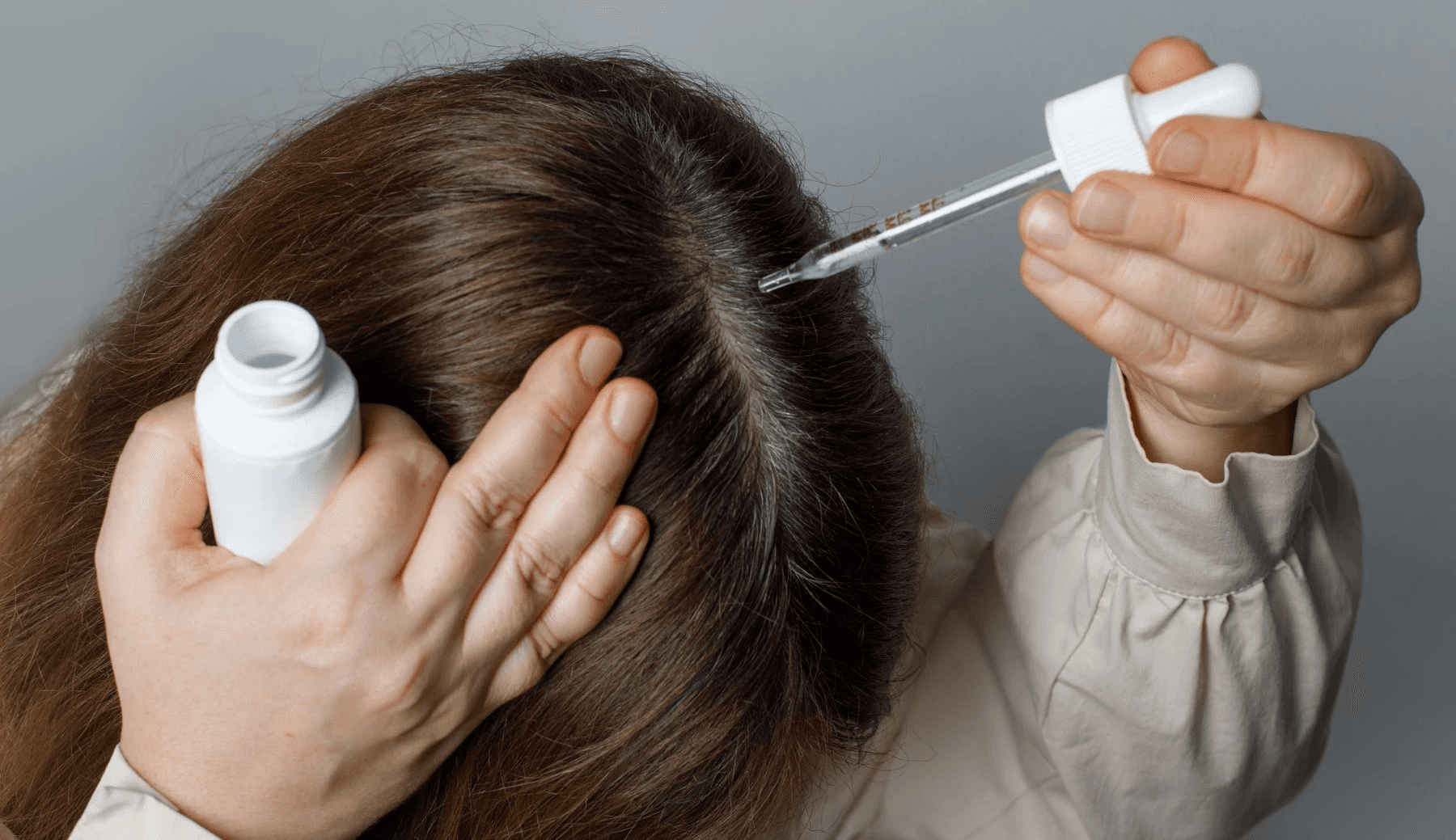
Semaglutide itself is not causing hair shedding; the changes people notice are usually due to the body shifting priorities during rapid physiological change, with nutrition, hormones, and stress signals rerouting resources away from nonessential growth. That rerouting explains why shedding occurs after metabolic change and why the pattern and timing indicate a systemic response rather than a local toxic injury to follicles.
How Does The Body Reassign Resources When Things Change?
Think of the body as a factory with a finite parts budget. When calorie intake and nutrient delivery fall quickly, the factory redirects raw materials away from low-priority production lines, and hair production is an early casualty. At the cellular level, hair matrix cells require steady supplies of sulfur-containing amino acids for keratin synthesis, iron for iron-sulfur cluster activity and rapid cell division, and zinc for DNA transcription and for structural enzymes.
If those inputs fall or become harder to absorb, the follicle moves from active growth to a resting state, so lots of hairs hang around until they drop weeks later. Stress hormones, especially sustained cortisol elevations, accelerate that shift by suppressing growth signals and altering local scalp blood flow.
Which Blood Values and Signals Actually Matter for this Mechanism?
Clinicians watch ferritin, transferrin saturation, zinc, vitamin D, vitamin B12, and thyroid markers because deficits correlate with poorer hair matrix function and slower recovery. Low protein intake reduces the substrate available for new keratin, so even if calorie targets are met, inadequate amino acids can weaken shafts and increase breakage. At the same time, nausea or chronic under-eating will blunt micronutrient absorption, compounding the effect. A practical rule of thumb for investigation is to map labs to the timing of shedding, because patterns in labs, along with a precise symptom timeline, indicate whether the problem is transient metabolic stress or an underlying patterned hair loss.
What Does The Clinical Signal Say About Risk?
Observational analyses that adjust for confounders still show a modestly elevated association with hair loss following semaglutide use; for example, a 2025 MedRxiv analysis reported an adjusted hazard ratio of 1.52 for hair loss with semaglutide compared with bupropion-naltrexone, indicating a signal worth investigating rather than proof of direct toxicity. The same data also show that subgroups differ in sensitivity; in practice, we observe women presenting more often with distressing thinning, which aligns with the reported higher relative risk in some samples.
Who’s Most Likely to Notice It, and Why Does That Matter Emotionally?
Women in perimenopause, people on concurrent hormone therapies, and those already near marginal nutrient status are the groups that surface complaints most frequently, because multiple small shifts add up into a larger physiologic nudge. When we worked with people tracking their start dates, dose changes, and side effects over the first three months of therapy, the common pattern was anxiety and rapid decision making. Many considered stopping therapy within weeks of noticing increased shedding, not because the loss was permanent but because it felt immediate and visible. That emotional weight matters because stopping a medication that is improving metabolic health can be an overreaction when the true lever is pace and nutritional support.
Turning Scattered Notes into Clinical Clarity
Most people manage this by keeping scattered notes and hoping the clinician will piece it together, which is familiar and simple. The hidden cost is losing months of metabolic benefit or changing therapies without evidence, because fragmented evidence can make causation appear certain. Platforms like MeAgain, which centralize injection timing, weight trendlines, protein and hydration logs, and a side-effect diary, provide a single timeline that clinicians can quickly read, compressing investigative work from weeks of guessing into days of pattern recognition and targeted tests.
How Do Genetics and Concurrent Treatments Change the Mechanics?
Genetic predisposition to patterned hair loss can coexist with a telogen-type shedding event; the former creates vulnerability, and the latter triggers it. In those cases, the shedding looks diffuse at first, then the underlying pattern becomes evident months later. That’s why a careful timeline, paired with targeted labs and a family history, changes the clinical decision from “stop everything” to “adjust pace, correct deficits, and then reassess,” a less disruptive approach for long-term health. That’s where things get complicated and unexpectedly human.
Related Reading
How Long Does Compounded Semaglutide Last in the Fridge
Semaglutide Weight Loss Side Effects
Who Should Not Take Semaglutide
Semaglutide Eye Side Effects
Compounded Semaglutide Side Effects
Semaglutide Belly Fat
Semaglutide Visceral Fat
Liraglutide vs Semaglutide
What Can You Do If You Notice Hair Shedding on Semaglutide?

Hair changes while on semaglutide are common for some people and are often temporary and manageable with targeted steps rather than abrupt changes. Expect a window of active shedding; watch for clear red flags that require clinical attention, and use concrete nutrition, sleep, and stress-management tools to protect hair while your metabolism recalibrates. Building on the earlier discussion about reactive shedding and basic labs, here are the specific actions, thresholds, and everyday routines that actually change outcomes.
When Should You Expect Shedding, and When Should You See a Clinician?
Pattern recognition is important here: many people notice increased shedding around six to twelve weeks after starting a GLP-1. Roughly 30 percent of people taking semaglutide report hair shedding, according to Healthline, so it is not rare, but it is not universal either. Call your provider sooner if you notice sudden, patchy hair loss; clumps of hair while washing or brushing; scalp pain or redness; or if shedding coincides with fatigue, paleness, or other signs that suggest anemia or a thyroid problem. If the shedding is diffuse but mild, document it for four weeks with photos and a simple daily hair-count log before changing medication.
Why You Should Not Stop Semaglutide Abruptly
The critical tradeoff is physiological and practical: stopping suddenly can undo metabolic gains, trigger rapid weight rebound, and create new medical risks that outweigh a likely temporary hair issue. For most people, the smarter route is clinician-guided adjustments, such as slowing the titration, holding at a lower dose while you correct nutrition or labs, or arranging a structured discontinuation plan if the risk-benefit balance shifts. That deliberate approach protects your metabolic safety while you treat the hair concern, and it prevents the emotional whiplash many patients feel when they stop a drug and see multiple systems destabilize.
How Do You Make Daily Choices That Help Hair Recover?
What you eat and when you eat it matters. As Khalifian says, “Eat the protein first because by the time you get to the carbs, you might be full.” Aim for a measurable target, for example, 1.2 to 1.6 grams of protein per kilogram of body weight per day while losing weight, and split protein intake across meals so each plate contains a concentrated source at the start.
Practical swaps:
Two eggs or a cup of Greek yogurt at breakfast
A lean-protein salad at lunch
A portion of fish or chicken at dinner
These small structural changes preserve the amino acids the follicle needs for keratin production.
Should You Try Supplements or Topical Treatments?
Connor recommends baseline labs before starting GLP-1s, targeted supplementation if labs show gaps, and that some people benefit from add-ons. Biotin may help: approximately half of individuals experiencing hair loss while taking semaglutide see improvement with biotin supplements, according to Healthline. It is not a universal cure and should be initiated only after other causes are ruled out. Topical minoxidil is another option your dermatologist might trial; dermatologists have effective tools for stimulation and scalp care if recovery stalls.
How Should You Manage Stress, Sleep, and the Pace of Weight Loss?
This is where small changes deliver outsized returns. Lower chronic stress with short daily practices, protect deep sleep with a consistent lights-out routine, and avoid crash diets that push rapid weight loss. If you are losing more than about 1 percent of your body weight per week, talk to your clinician about slowing the pace briefly and adding resistance training to protect lean mass. Think of hair recovery like coaxing a garden after drought; you do not flood it suddenly; you adjust moisture and nutrients steadily so new growth takes hold.
What Practical Monitoring Strategy Prevents Guesswork?
When we followed patients from treatment start, a clear pattern emerged: people who tracked injection dates, weekly weight, protein intake, and scalp photos were able to make a single, evidence-informed change that resolved the problem faster than those relying on memory. Most patients start out with scattered notes, which is understandable, but the hidden cost is months of back-and-forth visits. Solutions like MeAgain centralize injection timing, protein and hydration logs, and side-effect entries, providing clinicians with a clear timeline and reducing time to a targeted fix.
When is It Time to Bring in a Dermatologist or Rethink Hair-Specific Meds?
If shedding continues beyond six months.
If patterned or miniaturized hair appears in photos, consult a dermatologist for targeted therapy and scalp evaluation.
Also, weigh the psychological consequences before stopping hair medications outright, because simplifying a regimen sometimes reduces daily burden but can destabilize mood if done suddenly. A staged plan, coordinated with your prescriber and mental health supports as needed, protects both your hair and your emotional well-being.
A Quick, Practical Checklist You Can Act on Tonight
Photograph your scalp from three angles, then repeat weekly for four weeks.
Start with protein-first meals and aim for a daily protein intake that matches your body weight.
Book baseline labs if you have not had them, and schedule follow-up labs at eight to twelve weeks if shedding occurs.
Talk to your prescriber before making any dose changes; don’t stop abruptly.
If you want to try supplements, discuss biotin and lab-directed micronutrients with your clinician.
This feels solvable but still unsettling. There is one subtle move that changes everything about how you respond next.
Related Reading
• How to Track My Injections on Semaglutide?
• Semaglutide Foods to Avoid
• Best App for Tracking Semaglutide Results
• What to Do When Semaglutide Stops Working
• How to Track My Semaglutide Side Effects?
• How to Track Food on Semaglutide
• Semaglutide for Weight Loss in Non-Diabetics Dosage
• How Much Protein Should I Eat on Semaglutide
• How Can I Track My Semaglutide Progress?
• How to Inject Semaglutide
• Semaglutide Body Composition
Turn GLP-1 Side Effects Into Signals You Can Actually Manage
We understand that when semaglutide changes your body, the question “Does Semaglutide Cause Hair Loss?” becomes urgent, and you deserve practical answers, not panic. Most people patch together scattered notes and gut calls, which quietly cost weeks of progress, so consider MeAgain, a private GLP-1 app that gathers the right signals into one clear timeline, like turning scattered snapshots into a photo album, so you and your clinician can make calm, evidence-based choices.