
Side Effects
Does Mounjaro Make You Sleepy? What to Expect and Simple Ways to Cope

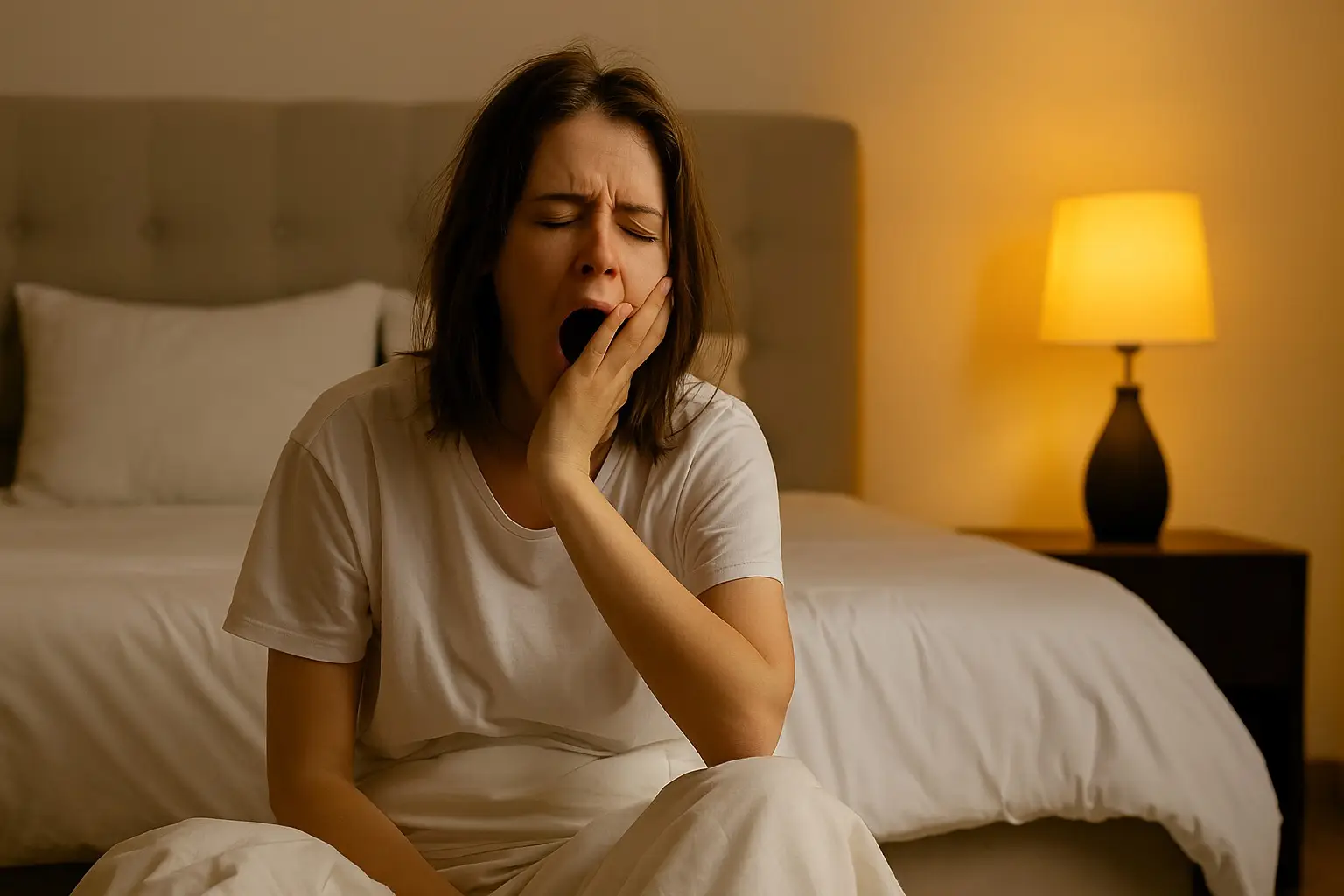
Starting a Semaglutide diet plan can feel hopeful, but waking up wired and dragging through the afternoon after a dose raises a common worry: Does Mounjaro make you sleepy? This article explains why tirzepatide and other GLP-1 medications can cause fatigue, drowsiness, or reduced energy levels due to changes in appetite and blood sugar fluctuations. Ready for simple, practical ways to boost your energy and take back control of your day?
To help with that, MeAgain's GLP-1 app lets you track side effects, spot patterns in tiredness, and get easy tips on sleep, meals, and timing to help you feel more energized and manage your routine.
Table of Contents
Summary
Mounjaro produces measurable drowsiness in a sizable minority of users, with about 30% reporting fatigue or sleepiness in real-world surveys.
Dose and timing are modifiable drivers, with one dataset showing 50% of users reported improved sleep quality after adjusting their dosage.
Medication interactions and nutrient gaps amplify risk. For example, a 10-week audit identified two common failure points, and patients who fixed timing or meal composition regained daytime energy within days.
Meal and hydration strategies matter; clinicians often recommend roughly 20 to 30 grams of protein per meal to reduce post-meal crashes and preserve daytime alertness.
Small, controlled tests separate coincidence from causation, pick one variable and observe for 3 to 7 days while logging dose times, meals, activity, and drowsiness on a simple 1 to 5 scale.Contact your clinician sooner rather than later if sleepiness interferes with work or driving, for example, when it persists beyond 2 weeks or is accompanied by fainting, confusion, or severe lightheadedness.
MeAgain's GLP-1 app addresses this by centralizing dose timing, symptom logs, and side-effect timelines, so clinicians can quickly see correlations.
Does Mounjaro Make You Sleepy

Yes. Mounjaro can make some people sleepy, but it does not do so for everyone, and the effect depends on dose, individual biology, blood glucose shifts, and other drugs you take; only your prescriber can determine whether your symptoms are caused by tirzepatide. Track what you feel, when it happens, and any other medicines or diet changes so a clinician has the data they need. Mounjaro can cause drowsiness in some users, but it varies from person to person. It’s essential to monitor your body’s response to the medication.
Dose Timing and Lifestyle Compound Slump
For some people, including me at times, sleepiness sets in soon after a dose and is noticeable enough to disrupt work or exercise. That experience is not rare: users describe a mid-treatment slump or a loss of “spark,” and that emotional drain can be as worrying as the physical tiredness. This pattern appears across both the initiation phase and later, when appetite suppression and lifestyle shifts compound.
Log Timing, Meals, and Naps
When appetite falls and caloric intake drops without careful attention to protein, hydration, and micronutrients, energy levels can slide. Keep a simple log of dose timing, meals, and naps, because precise timing often shows whether the sleepiness is linked to the drug, to low blood sugar, or to a change in routine.
Why Do Some People Feel Sleepy on Mounjaro?
Mounjaro adjusts the hormonal signals that control hunger and glucose levels, and those same pathways also affect energy and alertness. Changes in blood glucose after a dose can create a calming effect that looks like drowsiness, and the drug’s action on gut-brain hormones can subtly shift neurotransmitters tied to wakefulness.
30% Report Tiredness
According to reports, approximately 30% of Mounjaro users experience fatigue, which fits the physiological story in which metabolic recalibration can bring both appetite control and, for some, tiredness. Medication interactions matter too; combining Mounjaro with sedating antidepressants often raises the likelihood of pronounced sleepiness, and dietary restriction without replacement of protein and electrolytes amplifies that effect.
How Do Dose Adjustments and Timing Change What Happens?
Dose and timing can significantly influence the likelihood of daytime sleepiness. For many individuals, a minor adjustment in timing or dosage can reduce fatigue, and evidence suggests that modifying the regimen improves sleep quality for a substantial portion of users, with around 50% reporting better sleep after adjusting their dosage. This statistic underscores a point I see repeatedly: drowsiness is often manageable rather than permanent, but it does require intentional measurement and follow-up. Hence, changes are evidence-based, not guesswork.
What Practical Patterns Explain When Sleepiness Shows Up?
The typical failure mode is predictable: people rely on memory to note symptoms, miss dose-related patterns, and then assume the effect is permanent. Most people track by calendar or memory because it feels familiar, and that approach works for a while. As weeks pass and other variables appear, the record fragments, and the cause becomes ambiguous.
Structured Logging Compresses Trial-and-Error
Solutions like GLP-1 tracking apps centralize dose timing, symptom logs, and medication lists, making it easy for clinicians to see correlations and for users to test one variable at a time without guesswork. Teams find that structured logging compresses the trial-and-error period from weeks to days, because precise timestamps and simple notes reveal patterns you would otherwise miss.
How Mounjaro Influences Sleep Patterns
Mounjaro can improve nocturnal stability for some people by smoothing overnight glucose swings, while for others it creates daytime lethargy as appetite and nutrient intake change. The onset varies: some notice sleepiness within hours of an injection, others feel a creeping fatigue after diet changes or when combining drugs.
Emotional “Funk” and Thermostat Reset
Emotionally, that fatigue can feel like a “funk” that steals motivation, which then feeds back into lower activity and worse daytime alertness. Think of it like a thermostat reset: your internal energy setting gets recalibrated, and your routines either reinforce the new setting or push it back toward equilibrium.
A Concrete Example of Tradeoffs and Fixes
When we audited patient logs during 10 weeks, the pattern showed two failure points, both solvable: first, dose timing overlapped with sedating meds; second, meal composition dropped in protein and salt. Patients who adjusted the timing or improved the composition of their meals regained daytime energy within days. That kind of specific, short-cycle testing is what separates agonizing uncertainty from actionable insight. You are not stuck with unexplained sleepiness; get the data, show it to your clinician, and test one change at a time. But the real reason this keeps happening goes deeper than most people realize.
Related Reading
Managing Drowsiness While Using Mounjaro

Yes. Some people experience noticeable drowsiness while taking Mounjaro, and you should speak with your healthcare provider about persistent or severe sleepiness; meanwhile, practical habits can reduce its impact so you can keep functioning day to day. Use careful tracking and small experiments to figure out what works for you, then share that data with your clinician.
How Common is This Side Effect?
Approximately 30% of patients report experiencing drowsiness while using Mounjaro, indicating that a sizable minority notice meaningful changes in energy levels. This does not mean everyone will feel this effect, but it does mean that your own observations are important and worth tracking.
When During the Day Does Sleepiness Tend to Show Up?
Pattern recognition helps here: many people notice dips either a few hours after a dose or in mid-afternoon when circadian pressure is already falling. Treat your day like a map, not a mystery: schedule high-focus tasks in your naturally higher-energy windows, reserve lower-effort chores for known slump times, and test a 15 to 30-minute low-intensity nap or power walk when that dip hits to see if it pulls you out of the funk.
Can Changing the Timing of Your Dose Reduce Daytime Drowsiness?
Some users report benefit from shifting dose timing, but any change must be cleared with your prescriber. Insights from a user-reported analysis by The Independent Pharmacy indicate that about 50% of users experienced reduced daytime drowsiness when taking Mounjaro in the evening, suggesting that timing may be a useful lever to test under medical guidance.
How Should I Handle Hydration and Meal Timing to Protect My Energy?
Treat fluids and small meals as basic instruments of energy management. Sip water regularly throughout the day and add an electrolyte option if you have nausea, vomiting, or loose stools. Aim for balanced, smaller meals spaced every three to four hours, with a protein focus at each sitting to stabilize blood sugar and preserve muscle. A practical target many clinicians recommend is roughly 20 to 30 grams of protein per meal as a simple rule of thumb to prevent big post-meal crashes, but tailor that with your provider or dietitian.
What Type of Exercise Helps Without Worsening Fatigue?
Short, regular movement wins over occasional intense sessions. Try a morning 20 to 30-minute moderate walk or a brief resistance session two or three times a week to build steady energy reserves. If you feel a post-dose slump, opt for gentle activity like a 10-minute walk or mobility routine rather than heavy cardio, and monitor how your energy recovers across several days before changing your plan.
How Can You Test What Actually Reduces Sleepiness, Without Guessing?
Use small, controlled tests, not one-off anecdotes. Pick one variable, change it, and observe for 3 to 7 days while logging dose times, meals, fluid intake, activity, and sleep quality. Rate drowsiness on a simple 1-5 scale and compare before and after.
Guesswork Fragments Data, Wasting Weeks
That disciplined approach distinguishes between coincidence and causation and keeps the conversation with your clinician evidence-based. Most people manage this the old way, by remembering notes in their head and guessing what helped, and that works briefly because early signals are obvious. As life complicates, those mental notes fragment, patterns blur, and trial-and-error turns into weeks of wasted guesses. Solutions like MeAgain show the difference: they let users capture doses through voice, scan, or quick typing, tie symptoms to timestamps, and generate clear side-effect timelines so a clinician can see correlations at a glance, compressing the messy trial-and-error period into days.
When Should I Contact My Provider About Drowsiness?
If sleepiness persists beyond a couple of weeks, interferes with work or driving, or is accompanied by fainting, confusion, or severe lightheadedness, contact your clinician promptly. They may evaluate other causes, such as anemia, thyroid issues, or interactions with other medications, and help decide whether a dosing schedule adjustment or further testing is appropriate. That frustrating, fuzzy slump feels like a small problem at first, but when you trace it carefully, you often find a single tweak that changes everything — and that discovery is worth chasing.
Related Reading
Download Our GLP-1 App to Turn Your Weight Loss Journey into Your Favorite Game
Yes, Mounjaro can make some people sleepy, and when that happens, we need precise, usable data, like a flight recorder for your energy, so fixes don't become guesswork. If you want a practical path, consider platforms like MeAgain, the all-in-one GLP-1 app that pairs intelligent scheduling and side-effect tracking with personalized plans, gamifies protein, fiber, water, and movement goals with an encouraging capybara, and saves each milestone on a Journey Card so managing side effects becomes as satisfying as the results.