
lifestyle
How To Manage Wegovy Insomnia For A Better Night’s Sleep

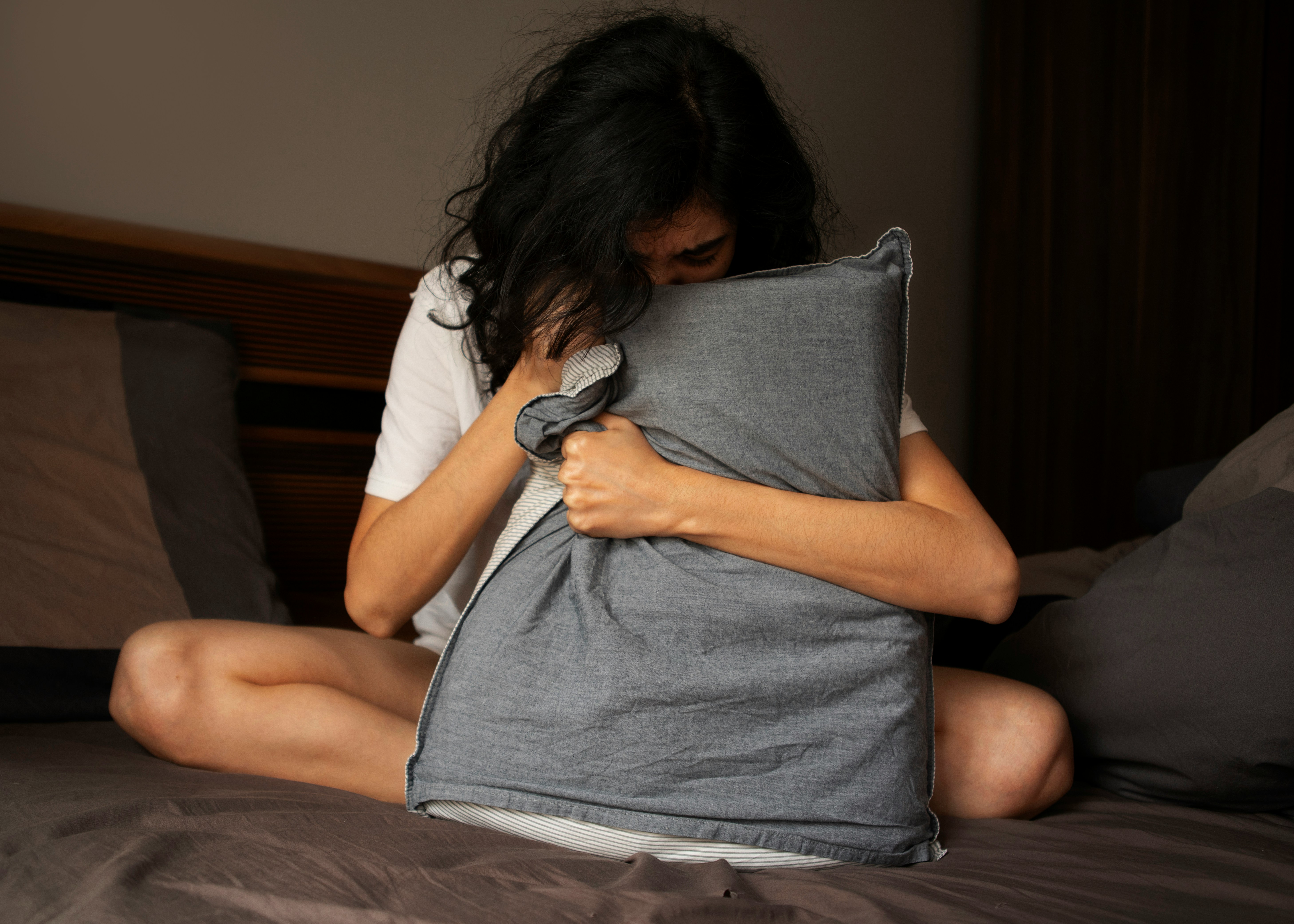
Starting a Semaglutide diet plan can change appetite and energy levels, and many people also experience new sleep troubles. Do you wake after a dose, lie awake with nausea or anxiety, or drag through the day with brain fog and daytime fatigue? That pattern is often called Wegovy insomnia and can manifest as sleep disturbance, nocturnal awakenings, longer sleep latency, or restless nights as your circadian rhythm and REM cycles shift. This article explains how dosage timing, typical side effects, and better sleep hygiene can help you sleep through the night again, feeling rested, clear-headed, and fully able to continue your Wegovy journey without constant fatigue.
To help you do that, MeAgain's GLP-1 app offers simple tracking, sleep-friendly reminders about dose timing, and easy bedtime routines so you can spot patterns and try fixes that reduce sleeplessness and protect cognitive function. No jargon, just clear steps to get back to solid sleep and steady weight loss progress.
Summary
Clinical evidence is mixed; the FDA does not list insomnia as a Wegovy side effect, yet a clinical trial found 7% of patients reported insomnia, and a systematic review of 81 studies did not find a consistent causal link.
Real-world reports show wide variability: some observational analyses note that about 5% experience sleep disturbances, while a 2025 Care Pharmacy summary found that roughly 30% of patients on Wegovy reported insomnia.
Indirect effects of semaglutide, like nausea, heartburn, blood sugar dips, headaches, and vivid dreams, can fragment sleep, and simple measures such as elevating the head 6 to 8 inches and finishing eating at least 2 to 3 hours before bed are commonly recommended.
Practical sleep-hygiene changes have a measurable impact, with about 50% of people on weight-loss injections reporting improved sleep after adopting adjustments like earlier meals, routine wind-downs, and reduced evening stimulants.
Tracking gaps matter because most people use scattered notes and alarms that hide trends, so clinicians often ask for time-stamped logs, for example, keeping structured symptom and dose records for at least one week to reveal patterns.
If problems persist despite consistent changes, try a planned set of adjustments for two to three weeks while logging sleep, meals, exercise, and medication timing, and contact your prescriber rather than altering Wegovy dosing yourself.
This is where MeAgain's GLP-1 app fits in; it addresses this by offering simple, time-stamped tracking of injections, meals, sleep, and side effects so clinicians can review patterns and guide timing or dosing decisions.
Table of Content
Can Wegovy Cause Insomnia?

Wegovy, a prescription semaglutide medication, is not officially listed by the FDA as causing insomnia, but some people do report sleep disturbances while taking it.
Current evidence is mixed: anecdotal and observational reports suggest sleep changes in a subset of users, while higher-quality reviews so far do not show a clear causal link; you should talk with your clinician about any symptoms you notice.
Does Wegovy Officially Cause Insomnia?
The FDA does not list insomnia as an expected or reported side effect of Wegovy, but that absence does not erase people’s lived experiences.
Clinical trial signals exist, and they deserve context: Sleep Recovery, 2024 documents that in a clinical trial, 7% of patients taking Wegovy reported insomnia as a side effect, a finding that suggests a measurable signal in controlled study conditions, yet does not prove causation for everyone taking the drug.
What Do The Observational Reports Say?
Researchers who examined self-reported side effects from users taking Wegovy and other GLP-1 agonists found that insomnia was reported at higher rates than expected by the study team, and a separate analysis of social media and public reports found mixed results, with insomnia improving for some people and worsening for others.
Sleep Recovery also notes that approximately 5% of users experienced sleep disturbances while on Wegovy, further pointing to variability across individuals and reporting methods rather than a universal effect.
Why Is The Research Still Unsettled?
A systematic review that pooled 81 studies looking at Wegovy and a range of mental health symptoms did not find a consistent link between Wegovy and insomnia, so higher-quality evidence leans away from a simple cause-and-effect story.
At the same time, animal work shows potential benefits; for example, a recent rat experiment found that drugs like semaglutide increased sleep quality and quantity, and some sleep researchers speculate that these drugs might eventually help treat sleep problems.
The honest takeaway is uncertainty:
Different study designs
Reporting sources
Individual biology produces conflicting signals
Further prospective research is required.
What Sleep-Related Issues Can Semaglutide Cause Indirectly?
Stomach issues. Nausea, abdominal pain, and heartburn are common side effects that can interrupt sleep, with heartburn often worse at night.
Intestinal issues. Diarrhea, constipation, and bloating can follow because semaglutide slows digestion; when someone takes sleep meds, poor absorption from diarrhea can reduce their effectiveness.
Headaches. New or worsening headaches are common and can make falling or staying asleep difficult.
Changes in blood sugar. Semaglutide lowers blood sugar, particularly in people with diabetes, and low glucose can trigger night wakings and restless sleep.
Vivid dreams. Several users report vivid dreams that wake them and make it harder to fall back asleep.
Plus, weight loss itself can reshape sleep patterns, so changes you experience may come from the medicine, the weight change, or both interacting.
How Does Weight Loss Itself Affect Sleep?
This challenge affects both early starters and long-term users: the physiological and psychological shifts that come with calorie reduction and fat loss can influence sleep in different ways. Some studies show that caloric restriction can improve sleep, but a recent multi-study review found that sleep does not reliably improve from weight loss alone.
At the same time, other work suggests that fat loss, rather than overall weight loss, predicts improvements in sleep quality. Restrictive dieting and weight cycling tend to worsen sleep, particularly when they cause stress, hunger, or hormonal swings that fragment sleep.
The Emotional Tax of Treatment: Anxiety, Groggy Days, and the Changing Cost-Benefit Analysis
It’s exhausting when a treatment promising control leaves you groggy, anxious, or waking at odd hours; that emotional toll is real, and it changes how people weigh benefits and side effects. The familiar approach is logging symptoms in scattered notes or relying on memory, which feels safe because it requires no new tools.
Over time, that method fragments, patterns hide in screenshots and calendars, and clinicians get snapshots instead of trends.
Centralized Care: How Intelligent Platforms Turn Scattered Logs into Actionable Clinical Data
Most teams track side effects through spotty notes and calendar reminders because it is familiar and takes no extra setup. As reports accumulate, the hidden cost appears: missed patterns, delayed tweaks in dosing or timing, and repeated uncomfortable nights that could have been prevented if a clinician could see trends.
Platforms like MeAgain centralize:
Shot reminders
Intelligent scheduling
Protein and water tracking
Side-effect logs
It turns scattered notes into clear patterns you can review with your clinician to make adjustments faster and more confidently.
The Power of Precision: How a Time-Stamped Log Unlocks Personalized Assessment of Sleep Changes
If your sleep is changing after starting Wegovy, do not assume the medication is the sole cause. Changes like nausea, blood sugar dips, headaches, vivid dreams, and the stress of rapid weight shifts can all interfere with sleep, and the best course is personalized assessment with your prescriber.
Keep a simple, time-stamped log of symptoms, dose timing, and meals so you and your clinician can separate what is drug-related from what is behavioral or dietary.
That surprising mismatch between clinical data and authentic experience is precisely why the next section matters so much.
Related Reading
How Long Does Diarrhea Last With Mounjaro
How To Beat Wegovy Insomnia For A Good Night’s Sleep

You can improve sleep with clear, practical sleep-hygiene habits:
Adjust meal timing and composition
Move the exercise earlier
Reduce evening stimulants and screens
Use calming breathing or routine cues.
If sleep problems persist, do not change your Wegovy dose on your own; contact your clinician to:
Review timing
Other meds
Next steps
Should I Change When And What I Eat In The Evening?
Make dinner the day’s lightest meal and finish eating at least two to three hours before bed, which gives digestion time to settle and reduces nighttime heartburn. Favor a larger lunch with lean protein and fiber to keep your daytime energy steady instead of crashing late, and avoid fatty meats, aged cheeses, and highly processed starchy foods at night, since they can increase reflux and restless sleep.
If heartburn wakes you, simple changes like elevating your head 6 to 8 inches, cutting back on evening alcohol, and using over-the-counter antacids or an H2 blocker can blunt nighttime symptoms. Check with your prescriber before starting or stopping any medication.
How Should I Handle Caffeine, Chocolate, And Evening Stimulants?
Treat caffeine like a 10-hour loan to your nervous system:
Avoid coffee
Caffeinated soda
Even dark chocolate in the late afternoon and evening
Nicotine and some herbal supplements can have stimulant effects too, so scan everything you consume after 3 p.m. and test a 48-hour window without them to see if your sleep improves.
Could Other Medicines Be Keeping Me Awake?
Ask your clinician to review all prescriptions and over-the-counter meds, especially:
Stimulants
Certain antidepressants
Decongestants
Thyroid medicines
These medicines can disrupt sleep when taken in the evening. Keep a simple time-stamped log of medication timing for a week so your clinician can see overlaps with night wakings rather than relying on memory alone.
When Should I Exercise, And Which Kinds Help Sleep?
Move your main workouts into daylight hours, ideally finishing moderate or vigorous exercise at least 3 hours before bed; morning sunlight and movement help reset the circadian rhythm and reduce restlessness at night.
Gentle evening movement, like a 10-minute walk or light stretching, can aid digestion and calm the body without revving your system.
What Should I Eat During The Day To Avoid Nighttime Energy Crashes?
Prioritize protein and fiber every few hours, aiming for a palm-sized portion of protein and a fistful of vegetables or whole grains at meals, which stabilize blood sugar and avoid the insulin dips that can wake you at night.
Hydration matters too, but time most fluids earlier in the day so you are not waking up repeatedly for the bathroom.
How Do Breathing Exercises And Stress Tools Actually Work?
If anxiety or racing thoughts wake you, try a concentrated breathing routine that engages the parasympathetic nervous system, such as box breathing:
A four-count inhale
A four-count hold
A four-count exhale
Repeat it for five minutes.
Progressive muscle relaxation, where you tense groups of muscles for five seconds then release, reduces physiological arousal in 10 to 15 minutes and gives your mind a clear, repeatable script to follow when you lie down.
How Do I Train My Body To Expect Sleep Every Night?
Treat bedtime like a 30-minute performance you rehearse, not a variable event. Start a predictable pre-sleep sequence: shower, brush teeth, change into sleep clothes, and do a low-effort activity such as reading under dim light, beginning at roughly the same time each night for two to four weeks to reset your internal clock.
Think of routine like training a muscle, small repeated cues that make your brain associate specific actions with sleep.
What Should I Do About Screens And Light In The Hour Before Bed?
Reduce screen time in the last 60 to 90 minutes before lights out. Blue light suppresses melatonin and keeps your brain on high alert, so swap scrolling for a book or calming audio, and set bedroom lighting to warm, low levels that signal wind-down.
How Long Should I Try These Changes Before Contacting My Provider?
Try a consistent set of changes for two to three weeks while tracking sleep time, awakenings, meal times, exercise, and medication times.
If you still have significant trouble falling or staying asleep, or if daytime sleepiness worsens, reach out to your clinician; do not adjust your Wegovy dose yourself.
Connecting the Dots: How Structured Tracking Links Injection Timing, Meals, and Night Wakings
Most people manage sleep problems with scattered notes, alarms, and calendar reminders because that method is quick and familiar. Over time, that creates fragmented records where links between injection timing, meals, and night wakings stay hidden, and clinicians get snapshots rather than trends.
Platforms like MeAgain centralize:
Shot reminders
Intelligent scheduling
Protein and water trackers
Side-effect logs
It helps users surface consistent patterns and present precise, time-stamped data to their clinician so decisions about timing or other adjustments happen faster and with more confidence.
Balancing the Data: Why Both Insomnia Prevalence and Sleep Hygiene Success Rates Matter on Wegovy
Practical steps work for many people, as shown by 50% of individuals receiving weight-loss injections like Wegovy who experienced improved sleep after implementing sleep hygiene tips, according to The Care Pharmacy.
At the same time, remember that a meaningful share of users report sleep changes, approximately 30% of patients using Wegovy report experiencing insomnia, which is why tracking and clinical input matter.
More Than Knowing: The Unexpected Difficulty in Making Consistent Sleep Cues a Habit
A small analogy to hold onto: consistent sleep cues act like traffic signals for your nervous system, reducing chaos one repeatable signal at a time.
That change feels encouraging, but the moment you try to make it stick is where most people run into an unexpected snag.
Related Reading
Download our GLP-1 app to Turn Your Weight Loss Journey into Your Favorite Game
If Wegovy is causing insomnia, vivid dreams, or night wakings, consider MeAgain. Like a pocket coach with an affectionate capybara, it gamifies:
Protein
Fiber
Water
Movement goals
It saves each milestone to a Journey Card, so tracking sleep disruption and progress feels:
Simple
Motivating
Worth sticking with
Download MeAgain and make your GLP-1 plan work for you.
Related Reading
Foods to Avoid on Semaglutide
Mounjaro Heartburn
Diarrhea on Zepbound