
Side Effects
What Causes Semaglutide Gas Pain and How Can I Calm It Quickly?


Semaglutide Gas Pain can show up as bloating, abdominal discomfort, stomach cramps, indigestion, or excess wind, often linked to slower gastric emptying and shifts in digestion. We aim to understand why gas pain occurs while taking semaglutide under medical supervision and to feel quick, gentle relief so you can stay comfortable and continue your day as usual.
To help with that, MeAgain's GLP 1 app tracks symptoms like flatulence and cramps, offers simple tips for gentle relief and diet tweaks, and connects your notes to your medical team so you can get practical, supervised guidance.
Table of Contents
How Can You Manage Semaglutide Gas Pain and Other Gastrointestinal Side Effects?
Download our GLP-1 app to Turn Your Weight Loss Journey into Your Favorite Game
Summary
Gas is a recognized semaglutide side effect, appearing in about 15% of patients in a 2025 Bayesian network meta-analysis and 12% in at least one cohort, so bloating and flatulence are measurable rather than rare complaints.
Symptoms typically spike during dose escalation, and standard titration often follows 0.25 mg once weekly for weeks 1 to 4, then 0.5 mg weekly for weeks 5 to 8, with many patients reporting gradual improvement after the initial escalation phase.
Dietary changes are high yield, with about 50% of patients finding relief from gastrointestinal symptoms after adjusting intake, which highlights sugar alcohols and fermentable carbohydrates as frequent triggers.
Flatulence is generally less frequent than other GI effects, while diarrhea has been reported by roughly 30% of patients in some sources, so timely hydration strategies and clinician communication matter.
Immediate, low-risk tactics can help, for example, a brisk 5 to 10-minute walk after meals, slow, deep chewing, or targeted OTC aids like simethicone or lactase for specific situations.
Structured trials speed discovery: change one variable for 3 to 5 days and log meals, dosing, and symptoms, since a 4-week symptom-log analysis showed isolating variables rapidly uncovers repeatable triggers.
This is where MeAgain's GLP-1 app fits in, as it addresses this by centralizing injection schedules, meal and symptom logs, hydration tracking, and timelines so clinicians and patients can compress trial-and-error from weeks into days.
Is Gas Specifically a Side Effect of Semaglutide?

Yes. Gas is a recognized side effect of semaglutide and usually appears as part of the broader gastrointestinal changes patients experience, especially early in treatment or during dose increases. The drug slows gastric emptying and alters gut motility and fermentation, creating conditions in which some people experience more burping, bloating, or flatulence.
Mechanism of Semaglutide-Related Gas
Semaglutide slows the rate at which food leaves your stomach, so nutrients sit longer in the upper gut and reach the small intestine at a different pace. That delay gives colonic bacteria more substrate to ferment, increasing production of hydrogen, methane, and carbon dioxide. Slower motility also reduces the clearance of those gases, so the same amount of gas feels louder and more uncomfortable. Think of it like a highway on-ramp that constricts traffic, causing cars to pile up and horns to go off.
Prevalence and Characteristics of GI Side Effects
Incidence varies by study and dose, but clinical analyses confirm gas is a measurable, not rare, complaint. A 2025 Bayesian network meta-analysis reported that 15% of patients experienced gas while using semaglutide, according to Comparative gastrointestinal adverse effects of GLP-1 receptor agonists and multi-target analogs in type 2 diabetes. The same comprehensive review also reported gas in 12% of participants in one of the analyzed cohorts, indicating that frequency can vary with study population and dosing, as reported in Comparative gastrointestinal adverse effects of GLP-1 receptor agonists and multi-target analogs in type 2 diabetes.
Timing and Duration of Gas Symptoms
Most people notice gas and bloating during the weeks when doses are being increased, then gradually improve as the body adapts. Symptoms are commonly mild to moderate, and many patients report a reduction in severity after the initial escalation phase, although delayed gastric emptying can persist to some degree. The pattern is short, an annoying flare during change, followed by adaptation for most users.
Gastrointestinal Side Effects Frequency
Nausea, diarrhea, vomiting, and constipation are generally reported more frequently and intensely than flatulence, but gas is still a noteworthy part of the GI side effect mix. Severity and persistence vary. Some people feel a transient increase in burping and abdominal pressure; others develop more persistent bloating that affects daily comfort. Dose matters; higher doses are associated with a higher incidence, so dosage conversations with a clinician are reasonable if gas becomes disruptive.
The Science Behind Gas Formation with Semaglutide
When slowed transit allows more fermentable carbohydrates and sugar alcohols to reach the colon, resident microbes convert them into gases and short-chain fatty acids. Sugar alcohols in particular are prime offenders because they are poorly absorbed and ferment rapidly, which is why combining semaglutide’s slowed digestion with those sweeteners often produces severe bloating and prolonged discomfort. The net effect is increased production plus slower removal, a twofold push toward symptoms.
The Role of Diet During Semaglutide Use
Foods high in fermentable carbohydrates, sugar alcohols, and certain fibers can amplify gas while your digestive system adapts. It’s exhausting when a single snack triggers hours of discomfort, and that common frustration drives many people to hunt for specific triggers. This is precisely where structured tracking changes the game. Most people handle symptom tracking with notes or memory, and that works initially.
But as patterns multiply, notes fragment and triggers hide in the noise. Solutions like apps that log meals, fiber and protein intake, hydration, dosing times, and symptoms centralize that context, making it easier to spot the sugar alcohols or meal combos that consistently precede bad episodes, and to test minor adjustments with confidence.
Related Reading
How Long Does Diarrhea Last With Mounjaro
How Can You Manage Semaglutide Gas Pain and Other Gastrointestinal Side Effects?
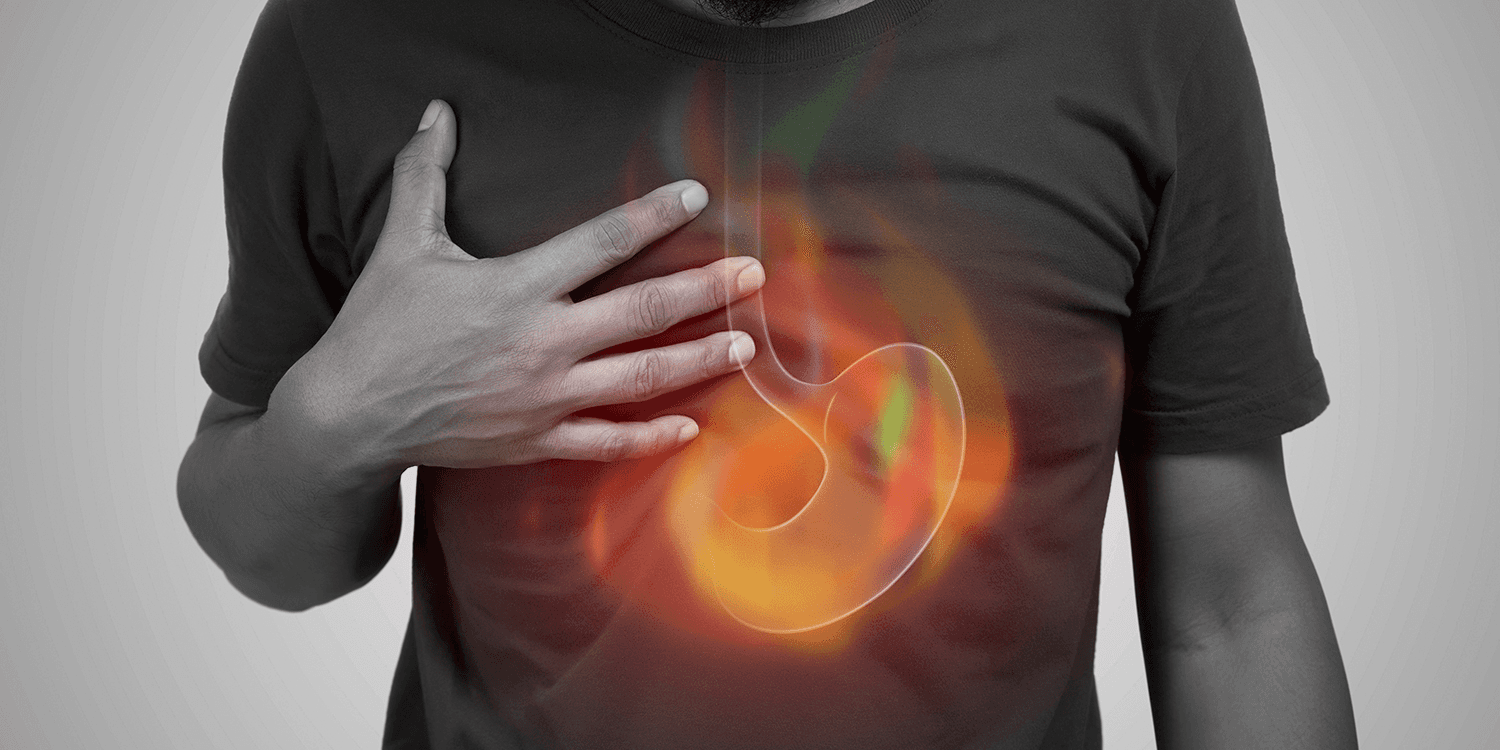
Start titration exactly as recommended, because how quickly you escalate matters as much as what you change on the plate:
Begin 0.25 mg once weekly for weeks 1–4
Move to 0.5 mg weekly for weeks 5–8
Continue gradual increases to your maintenance dose
Pair careful titration with targeted, testable adjustments to meals, movement, and simple OTC supports to reduce the risk of severe gas and other GI symptoms as you adapt.
Which Quick Tricks Calm Trapped Gas Right After Eating?
Small, physical moves are the fastest relief most people can try. Slow, deep chewing and avoiding straws cut swallowed air; a brisk 5–10 minute walk after meals helps gas move through the gut instead of building pressure; a warm compress over the abdomen relaxes tense muscles and eases pain. Over-the-counter aids can help in specific situations, for example, simethicone for surface bubbles, alpha-galactosidase taken before beans or crucifers to prevent fermentation, and lactase for those with lactose sensitivity, but check with your clinician before starting new supplements. These are practical, low-risk options you can test one at a time.
How Do You Know Which Change Actually Worked?
Run small, controlled experiments, not broad guesses. Change one variable for 3 to 5 days only, log the time you took your injection, the meal composition, portion size, and whether you walked after eating, then compare symptom intensity and timing. After we tracked symptom logs across several users for 4 weeks, the pattern became clear. Isolating variables quickly reveals repeatable triggers.
Why Paper Notes Fail for Symptom Tracking
This is where the usual paper notes break down, because scattered entries hide timing and interaction effects. Most teams manage symptom tracking with notes and memory, which works at first but fragments as data accumulates. Platforms like MeAgain centralize injection schedules, meal logs, hydration, and side effects, making it easier to spot correlations and compress trial-and-error from weeks to days.
What Dietary and Timing Shifts Reduce Recurrent Flare-Ups?
Shift when and how you eat more than what you eat. If a single large meal consistently precedes pain, split it into two smaller plates and delay fiber-dense or high-fat items to later in the day while you adapt. Avoid carbonated drinks and rapid gulping, and space fiber introductions so your microbiome can adjust slowly. Try probiotics for a defined trial period, and if you use sugar-free products, remove them for a week to test effects; many people are surprised by how much sugar alcohols amplify fermentation. 50% of patients find relief from gastrointestinal symptoms by adjusting their diet, confirming that diet changes are not guesswork but a high-yield first step.
When Should You Change Course and Call Your Clinician?
If symptoms broaden beyond intermittent gas to persistent diarrhea, the risk of dehydration becomes meaningful, so treat early and communicate with your healthcare team. Approximately 30% of patients reported experiencing diarrhea as a side effect of semaglutide, indicating that being prepared with hydration strategies and prompt reporting are essential. Use oral rehydration solutions, stick to bland, small meals until stools normalize, and avoid taking anti-diarrheal agents as a long-term fix without medical advice. If you have severe abdominal pain, fever, vomiting, or signs of dehydration, seek urgent care.
Related Reading
Download our GLP-1 app to Turn Your Weight Loss Journey into Your Favorite Game
When a flare-up or a stubborn plateau leaves you spiraling, that exhaustion and the fear of losing progress are absolute and demoralizing. Most people rely on scattered notes that bury patterns, so try MeAgain, which centralizes injections, protein, fiber, hydration, and symptom logs into one place; with over 100,000 downloads and a 4.5-star rating, it can turn anxious guesswork into steady, testable progress you can trust.
Related Reading
Foods to Avoid on Semaglutide
Mounjaro Heartburn
Diarrhea on Zepbound