
lifestyle
How To Stop Sulfur Burps on Wegovy for a Calmer Digestive Routine


Starting Wegovy can be an exciting step toward your weight-loss goals, but for some people, it comes with an unexpected side effect – sulfur burps. These rotten-egg-smelling burps are usually harmless, but they can be uncomfortable and even a little embarrassing. They happen because Wegovy can slow digestion, which sometimes leads to gas buildup and that distinctive sulfur smell. The good news? There are simple, practical ways to reduce or prevent them so you can stay focused on your weight-loss journey without digestive distractions.
To help with that, MeAgain’s GLP-1 app offers simple symptom tracking, personalized tips on diet and timing, and easy reminders to help you reduce sulfur burps while staying on your Wegovy plan.
Table of Contents
How to Stop Sulfur Burps on Wegovy for a More Pleasant Adjustment Phase
Download our GLP-1 app to Turn Your Weight Loss Journey into Your Favorite Game
Summary
GLP-1 drugs slow gastric emptying, which increases fermentation of sulfur-containing foods and produces hydrogen sulfide, and about 10% of Wegovy users report sulfur burps.
Sulfur burps often appear after dose increases and in the evening, with symptoms typically peaking in the first 8 to 12 weeks and sometimes persisting up to 20 weeks.
The social embarrassment and anxiety caused by sudden sulfur burps can lead people to consider stopping treatment, even though Wegovy is associated with an average 15% body weight loss.
Dietary changes are a fast lever for many users, with about 80% of patients reporting improvement in sulfur burps after adjusting sulfur-rich foods.
Gastrointestinal side effects affect a substantial share of users, roughly 30% reporting issues like burps or nausea, so low-risk, trackable experiments such as hydration, smaller meals every 3 to 4 hours, avoiding carbonated drinks, and brief trials of enzymes or probiotics are practical first steps.
Fragmented tracking fuels guesswork and early discontinuation, while coaching showed that pairing hydration reminders with mindful meal pacing usually reduced disruptive episodes within 10 to 14 days.
This is where MeAgain's GLP-1 app fits in. The GLP-1 app addresses this by centralizing symptom and injection logs, offering diet and timing tips, and setting reminders so users can run short, measurable trials to identify what reduces sulfur burps.
What are Sulphur Burps and How Are They Linked to Wegovy?
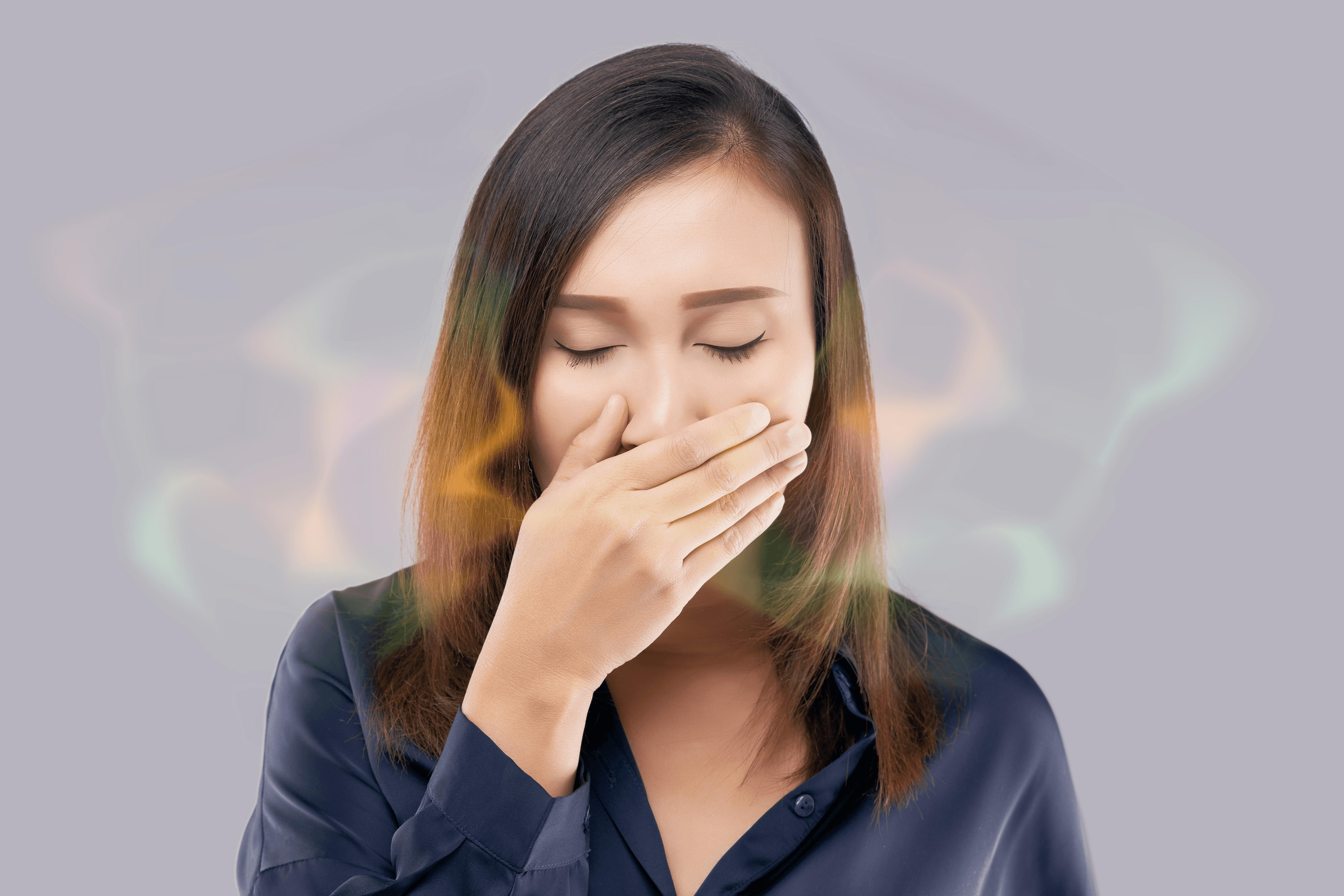
Sulfur burps are burps that smell like rotten eggs because hydrogen sulfide gas is being released from your digestive tract; they usually come from certain foods, slower digestion, or a temporary shift in gut bacteria. Wegovy can increase the likelihood of these events by slowing gastric emptying and altering how long food sits and ferments in the stomach and upper gut.
Why Does Wegovy Cause Sulphur Burps?
GLP-1 drugs like Wegovy mimic a hormone that slows stomach emptying, helping reduce appetite and supporting weight loss. When food lingers longer, bacteria have more time to break down sulfur-containing compounds and produce hydrogen sulfide gas. That change in timing also nudges the gut microbiome toward different activity patterns, so a process that was quiet before can suddenly produce noticeable, rotten-egg burps.
These Burps are Horrific - The Reality Of Sulphur Burps
When we coached clients through early dosing and tracked side effects over the first two months, one clear emotional pattern emerged: the first sulphur burp hits like a surprise insult. People report confusion, disgust, and immediate embarrassment. Those reactions matter because they can make someone dread meals or second-guess continuing treatment, even when the medication is doing what it is supposed to do.
What They Actually Feel Like
The sensory report is consistent and blunt: a strong rotten-egg smell, an unpleasant metallic or sour taste, and sometimes nausea or a queasy wave afterward. Physically, you may feel stomach gurgling, bloating, or a heaviness that accompanies the burp. For many, the experience is not just unpleasant; it is socially jarring; loud, unexpected burps create real anxiety about public situations.
When Sulphur Burps Usually Appear
Patterns cluster around two triggers, dose changes and the evening hours. Many people notice them after stepping up a dose, for example, moving to a higher weekly amount, and others see them mostly at night when gastric motility naturally slows. SingleCare reports that approximately 10% of patients taking Wegovy experience sulfur burps, which explains why this is a noticeable, not rare, side effect among a meaningful minority of users.
Are Sulphur Burps a Sign of Other Wegovy Side Effects?
They are usually a symptom of the same adjustment process that causes nausea, bloating, and changes in bowel patterns, not a separate disease. That said, if sulphur burps arrive with severe abdominal pain, persistent vomiting, fever, or jaundice, treat those as red flags and get medical attention. Also, keep an eye on hydration and electrolytes when burps coincide with vomiting or diarrhea, as these downstream effects pose clinical risks.
Common Vs Less Common Side Effects
Common gastrointestinal effects include nausea, vomiting, diarrhea, constipation, indigestion, bloating, delayed gastric emptying, and excess gas or burping. Less common but serious problems are:
Severe abdominal pain
Signs of pancreatitis
Gallbladder issues
Allergic reactions
Kidney problems from dehydration
Significant mood changes
Remember that many of the routine symptoms reflect the medication doing its job on appetite and gastric timing, while the rarer issues require prompt clinical review.
A Familiar Approach, Its Hidden Cost, And A Better Bridge
Most people track side effects in scattered notes, text threads, or memory because that feels simple and immediate. That works at first, but as dosing steps and meal changes accumulate, the data fragments, triggers go untested, and frustration grows, sometimes causing people to stop before they reach weight-loss benefits. Platforms like MeAgain centralize injection timing, side-effect logging, hydration and nutrition checks, and simple tools like voice or photo logs and progress charts, so users can test what changes reduce burps and see measurable results without guessing.
How Long Do Wegovy Sulfur Burps Last?
These burps are most common during the initial weeks and around dose increases; many people find that symptoms peak in the first 8 to 12 weeks and may persist up to 20 weeks during titration to the highest dose. That adjustment window sits against the medication’s benefit. SingleCare found Wegovy helps patients lose an average of 15% of their body weight, which is why tolerability strategies matter. People are often willing to tolerate temporary discomfort for substantial results if they feel supported and can measure progress. Once you see the small changes that actually prevent a burp, everything about the adjustment phase shifts.
Related Reading
How Long Does Diarrhea Last With Mounjaro
How to Stop Sulfur Burps on Wegovy for a More Pleasant Adjustment Phase
Small, everyday shifts in what you drink, how you eat, and how you track those changes can significantly reduce sulfur burps without medical intervention. About 30% of patients taking Wegovy reported gastrointestinal side effects, including sulfur burps, according to Ro, which means many people find relief through practical tweaks rather than immediate clinical changes.
How Should I Stay Hydrated to Reduce Burps?
Hydration helps move food through your digestive tract more smoothly, reducing the risk of gas buildup and foul-smelling gas. Stick to plain water and sugar-free beverages, and avoid caffeine, artificial sweeteners, and fizzy drinks, as they can cause gas or worsen reflux. Try setting small, reachable goals like 8 ounces every two hours and use a tracker to notice patterns, because consistent sipping beats occasional downing for digestion.
What Does Smaller, More Frequent Eating Actually Look Like?
Smaller portions spaced every three to four hours limit stomach overload and reduce the amount of air you swallow. Pause distractions while you eat, chew with your mouth closed, wait to speak until you finish chewing, and drink from a cup instead of a straw. Aim for balanced plates with whole grains, lean protein, and non-cruciferous vegetables, and log meal size and timing so you can spot which patterns make burps worse.
Which Foods Should I Cut Back On Right Now?
When sulfur-rich foods are the trigger, cutting back on them often helps fast. Foods to temporarily reduce include eggs, onions, garlic, leeks, chives, kidney beans, dairy products such as mature cheeses, pastries, and cruciferous vegetables such as Brussels sprouts and broccoli. Simple swaps, like switching a cheese-heavy snack for a plain turkey roll or a smooth nut-butter smoothie, can make mealtimes tolerable while you test what works. According to Genesis Lifestyle Medicine, 80% of patients report improvement in sulfur burps after dietary changes, which shows food adjustments are often the fastest lever.
Should I Stop Drinking Carbonated Beverages?
Yes, because carbonated drinks add extra air to your gut and commonly worsen belching and reflux. Try herbal teas and flavored still water for variety; peppermint tea can calm stomach discomfort for some people. Give the swap two weeks, and track any changes in burp frequency or intensity before deciding whether it helps you.
Could Digestive Enzymes Actually Help?
Over-the-counter enzymes can be a worthwhile experiment when specific foods cause trouble, since they help break down lactose or complex carbs before bacteria ferment them. Lactaid, for lactose issues, and Beano, for beans and cruciferous vegetables, are examples to try before a meal that has previously triggered symptoms. Log the timing and response, because enzymes work for some people and not others, and a short trial is the only honest way to tell.
Are Probiotics Worth Trying?
Probiotics aim to rebalance gut bacteria so sulfur-producing strains do not dominate. Try either fermented foods or a single-brand supplement for four to eight weeks while you track burps, nausea, and bowel changes. If symptoms shift, keep the habit; if nothing changes, move on. This is about low-risk experiments, not quick fixes, so patience and consistent logging matter.
How Can Mindful Eating Actually Stop Swallowed Air?
The most common source of excess swallowed air is distracted, hurried eating. Slow the tempo: take a breath before you eat, set a minimum of 10 to 15 minutes for a meal, and use smaller bites. Think of it like changing from sprinting through a room to walking carefully through it; the slower pace reduces accidental inhalation and gives your body a better chance to digest.
What Should I Discuss With My Healthcare Provider About Dosing?
If lifestyle changes do not ease burps, a dosage discussion is reasonable. Lowering a dose or adjusting injection timing can change how quickly your stomach empties and sometimes reduce symptoms without losing benefit. Your clinician might also suggest short-term OTC options, such as bismuth subsalicylate or simethicone, for relief. Bring a simple log showing when burps occur relative to injections and meals so that clinicians can act on patterns, not guesswork.
When Should I Get Urgent Medical Help?
Seek prompt care if burping comes with severe nausea, repeated vomiting, intense abdominal pain, fever, jaundice, or if it prevents you from eating, sleeping, or socializing. Those signs may indicate conditions that require immediate evaluation. If you are unsure, show your provider a 7 to 14-day record of symptoms, food, fluid, and injection timing so they can triage accurately.
Centralizing Health Data for Precise Tracking and Trials
Most people track side effects in scattered notes at first, and that works until patterns get messy and decisions feel like guesswork. As the habit of fragmented tracking grows, missed links between meal timing, dose changes, and symptoms emerge, creating anxiety and wasted trial-and-error. Platforms like MeAgain centralize injection timing, hydration, and nutrition logs, voice or scan logging, and side-effect charts, so users can run short trials, for example, removing eggs for two weeks and see whether the change reduced burps, making follow-up conversations with a clinician more precise and faster.
Tracking and Managing Meal Discomfort
It’s exhausting when a burp makes you dread a meal or a crowded room; when we coached clients through dose steps over four weeks, a clear pattern emerged: people who paired hydration reminders with mindful meal pacing usually reported fewer disruptive episodes within 10 to 14 days. That simple change helps, but the bigger test is turning these experiments into reliable data you can act on. That solution sounds final, until you see the one trick that makes tracking feel effortless and almost fun.
Related Reading
Download our GLP-1 app to Turn Your Weight Loss Journey into Your Favorite Game
If you're starting Ozempic, Wegovy, or Mounjaro and worried that rapid loss will cost you muscle or leave you dealing with awful constipation, you don't have to guess. MeAgain turns the daily micro-habits that preserve strength, digestion, and hydration into a simple game with an adorable capybara and a Journey Card that saves each milestone. It's already over 100,000 downloads and rated 4.5 stars by 10,000 users, so a short tracked trial with its shot scheduler, protein and water goals, and side-effect logs gives you precise, shareable data to test what actually helps.
Related Reading
Foods to Avoid on Semaglutide
Mounjaro Heartburn
Diarrhea on Zepbound