
lifestyle
How To Fix Ozempic Face Naturally for a Healthier, More Balanced Look

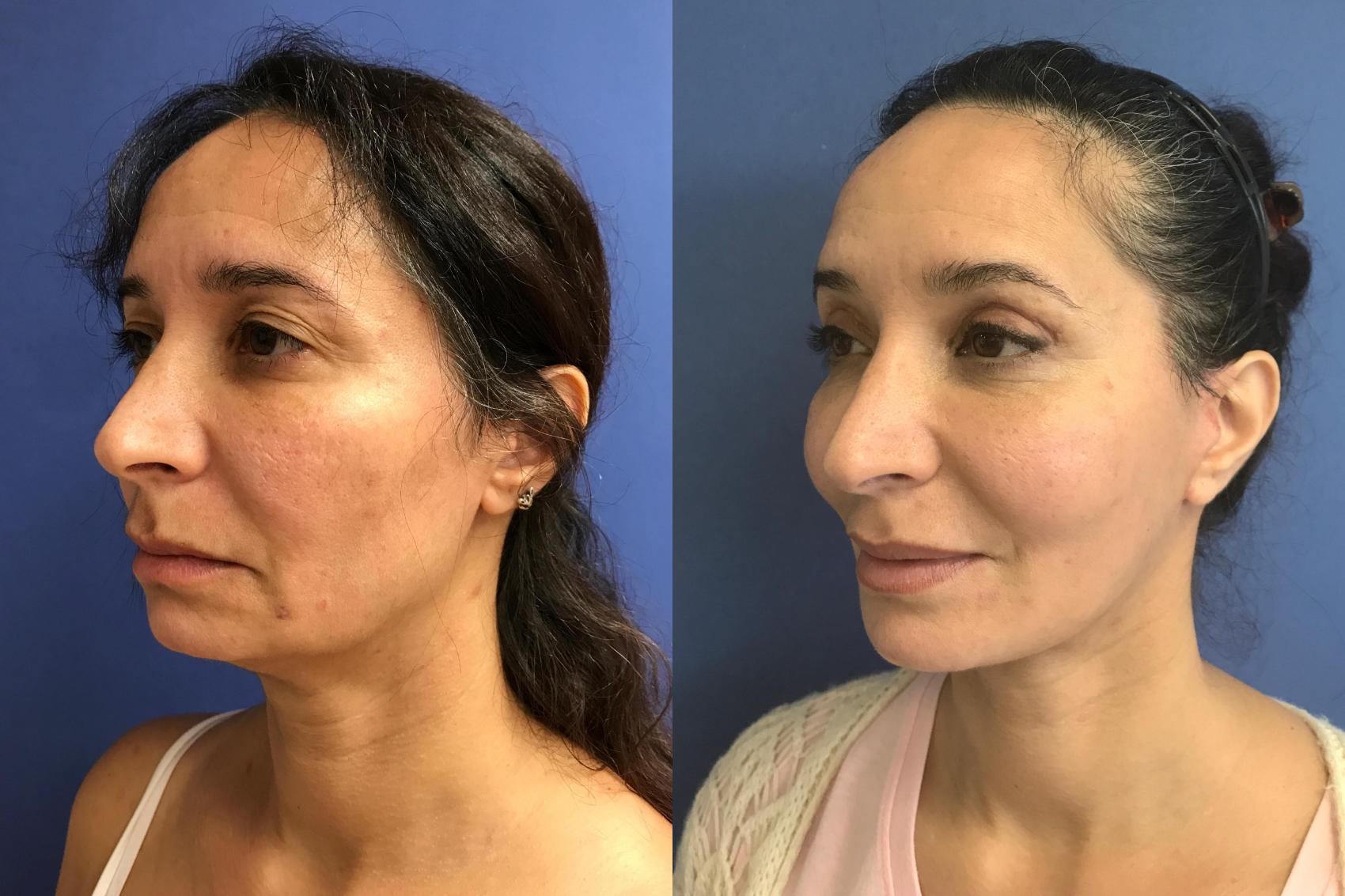
If you’ve noticed changes in your face while taking Ozempic, you’re not alone. Sometimes, rapid weight shifts can make the face look different, leaving some people feeling a bit self-conscious. The good news is that there are natural, safe ways to help your skin and facial structure adjust over time. In this guide, you’ll learn how to fix Ozempic face naturally with simple, supportive habits that promote hydration, skin health, and overall balance—so you can feel more confident and comfortable in your own skin.
To help you sustain those habits, MeAgain's GLP-1 app offers gentle coaching, reminders, and simple progress checks that keep you focused on healthy facial balance and steady results.
Table of Contents
Summary
Rapid, GLP-1-related weight loss often causes visible facial volume loss; a 2023 study found that 73% of participants reported facial volume changes, while some therapies have been associated with up to 15% body weight loss.
Three dominant contributors determine risk: biological age, total pounds lost, and the rate of loss, with rate the most controllable factor in practice.
Nutrition matters; aim to consume about 20 to 30 grams of protein per meal, and consider targeted supplements such as 5 to 10 grams of hydrolyzed collagen daily to support connective tissue rebuilding.
Daily fluid balance affects facial fullness, since roughly 20 to 30 percent of water intake comes from foods, and steady hydration that keeps urine pale straw color corresponds with less transient hollowness.
Short, consistent facial resistance and massage work matters, for example, 10 to 15 minutes of targeted exercises five times weekly plus gentle gua sha of 10 to 15 strokes per area, with many people noticing firmer contours in about 6 to 12 weeks.
Supportive therapies should be viewed on a months-long timeline: for instance, red light therapy three times weekly, systemic habits tracked over 3 to 6 months, and use standardized progress photos (612 by 408 pixels) so changes are measurable.
This is where MeAgain's GLP-1 app fits in; it centralizes medication timing, protein and water targets, and simple progress tracking so users can spot the daily habits that protect facial fullness.
What is Ozempic Face and What Causes It?
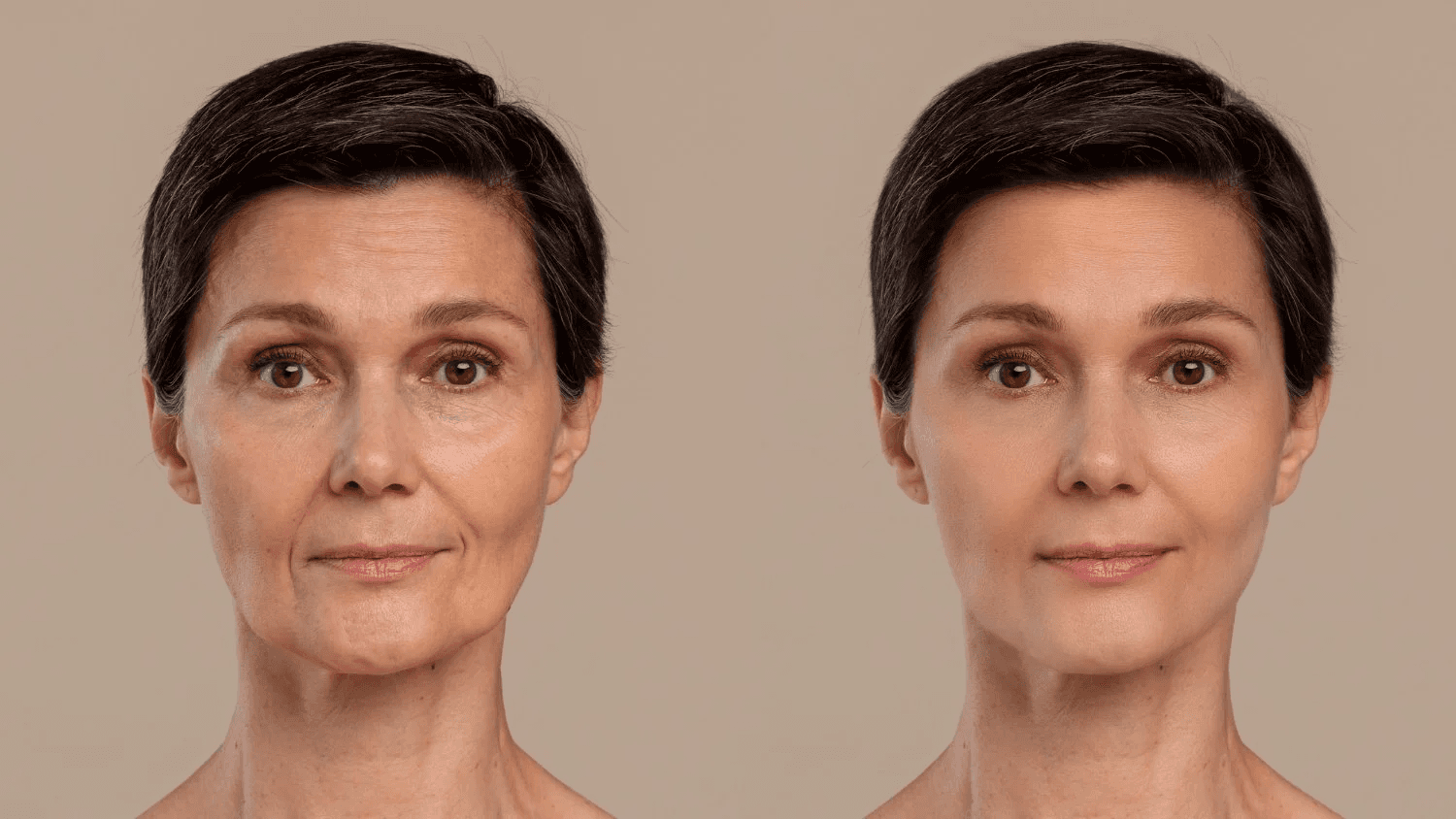
Ozempic face describes the facial changes some people notice after rapid weight loss, including hollowed cheeks, loose skin, and features that can seem older. These shifts come from how fast fat leaves the face and how skin and connective tissue respond, not from the drug itself, and individual outcomes vary widely, so check with your clinician for tailored guidance.
“The term ‘Ozempic face’ refers to the changes in the face that can happen with rapid weight loss,” explains endocrinologist Vinni Makin, MD. “It’s characterized by gauntness, sunken cheeks, new wrinkles and loose skin on the face and neck.”
‘Ozempic face’ isn’t a side effect of the medication itself. Instead, it’s a side effect of the rapid weight loss the medication can bring.
Social Term, Not Medical
This term first became popular on social media after a celebrity dermatologist used it to describe how Ozempic (semaglutide) affected some of his patients. But it’s not a medical term, and it’s probably not one you’ll hear your healthcare provider use. It’s also not limited to taking Ozempic.
Linked to Rapid Weight Loss
“Facial changes can also occur after having bariatric surgery or adopting lifestyle changes that cause very rapid weight loss,” Dr. Makin points out. “But they’re often associated with weight loss medications like semaglutide and tirzepatide, which can lead people to very quickly achieve weight targets that they haven’t been at in many years.”
How Ozempic Can Affect the Face
What matters is where the fat sits and how fast it leaves. Subcutaneous fat under the skin gives cheeks and lips their roundness, and when you remove that padding quickly, the visual result is not only thinner, but it can look older. Rapid loss reduces collagen and elastin production, so skin behaves less like a flexible membrane and more like a draped cloth that doesn’t snap back.
73% After Rapid Weight Loss
Research shows that facial changes are common among people who lose weight quickly, with 73% of participants experiencing facial volume loss after using Ozempic, according to Medical News Today. The 2023 study highlights how frequently participants noticed these volume changes when the weight shifted rapidly. At the same time, Ozempic has been associated with weight loss of up to 15% of body weight, as reported by the Cleveland Clinic, emphasizing why these facial effects can occur when reductions are significant and fast.
Examples of What It Can Look Like
Wrinkles, fine lines, and crepey texture around the mouth and eyes appear sooner than expected as collagen levels drop. Sunken eyes occur when the fat pads around the orbit shrink, making the eyes appear deeper-set. Lips can lose plumpness as perioral fat diminishes. Sagging skin on the cheeks and neck produces a jowl-like look when the support under the jaw thins. And without that padding, cheekbones and jawlines read as sharper, which some people like and others find alarming.
“Looking Older” Shock
After working with people on GLP‑1 therapies over three to nine months, the pattern became clear: those who pushed dose and diet to chase fast numbers often reported the emotional shock of “looking older” within weeks, and that anxiety compounded their frustration with a treatment that otherwise helped them reach health goals.
Factors That Cause Ozempic Face
This isn’t a single cause problem. The three dominant contributors are:
Total amount of weight lost
The speed at which you lose it
Those factors interact, and when two or all three lean toward risk, the chance of noticeable facial changes rises.
Age
Older skin has lower baseline collagen and elastin levels, so it tolerates volume changes poorly. In practice, this means that someone in their 50s who loses the same number of pounds as someone in their 20s is more likely to show sagging and lines. That difference is not a moral failing; it is a structural constraint we need to plan around.
Amount of Weight Lost
Significant reductions stretch skin over the years; when that padding disappears, there is simply more excess skin to accommodate. If you remove a lot of volume, think of the face like a shipping crate that had multilayered packing; when too much is pulled out, the inner surfaces ripple and collapse. Small, steady changes give tissue a chance to adapt; big drops require interventions beyond time alone.
How Quickly You Lose It
Speed is the single controllable variable most people underestimate. Rapid loss short-circuits the skin’s repair signals, so even if total loss is moderate, finishing it in a few weeks rather than months raises the odds of hollowing. That’s why many who accelerate the dose or calorie restriction to hit the target weight fast later regret not pacing the change.
Fragmented Data Accelerates Tissue Loss
Most people manage nutrition, hydration, protein intake, exercise, and symptom notes across spreadsheets, sticky notes, and separate apps because it feels familiar and low-effort, and it works for a while. The hidden cost shows up when data fragments, missed low-protein days, unnoticed dehydration, or skipped strength sessions quietly accelerate tissue loss and increase the likelihood of facial changes. Platforms like MeAgain centralize medication timing, protein and water targets, and symptom tracking with simple inputs. Hence, users spot the small, cumulative habits that support facial fullness while still pursuing weight goals.
Rapid Loss vs. Facial Structure
Practical tradeoffs matter here. Prioritizing rapid weight loss shortens the timeline to health wins, but it raises the chance of facial volume loss and the emotional cost of feeling older. Slowing the pace keeps more options open, and when slower progress is not possible, combining measured nutrition, consistent protein, and targeted resistance work often preserves more facial structure than diet alone.
Dehydration, Protein, and Jowling
A few specific, observable patterns emerge across cases: Dehydration shows up as temporary hollowness, low daily protein correlates with poorer skin recovery over months, and lack of facial or neck resistance work predicts more pronounced jowling in older adults. These fail points tell you where to focus tracking and habit design so the visual and emotional outcomes align with your health goals.
Related Reading
How Long Does Diarrhea Last With Mounjaro
How to Fix Ozempic Face Naturally Without Harsh Routines

Repairing facial fullness after rapid weight change is a gradual, habit-driven process that targets collagen, gentle volume restoration, and skin nutrition rather than quick cosmetic fixes. Focus on:
Consistent hydration
Strength (including facial resistance)
Topical care
These actions nudge tissues to rebuild over weeks and months, not overnight.
Nutrients and Supplements
When we prioritize food first, supplements become targeted tools, not substitutes. Aim for distributed protein across meals, whole‑food vitamin C with each main meal to support collagen synthesis, and dietary sources of zinc and copper for tissue repair. For supplements, many people find benefit from:
Hydrolyzed collagen peptides taken daily (ordinary study doses range from about 5 to 10 grams)
Hyaluronic acid for hydration support
Antioxidant support from vitamins C and E or resveratrol
Check interactions and dosing with your clinician, especially while on GLP‑1 therapy. If you use vitamin A or retinol internally or topically, stagger timing and sun protection to avoid irritation, and treat it as a therapeutic tool used over months rather than a quick fix.
Hydration
Pattern recognition shows transient facial hollowness often tracks with fluid balance over days, not months. Rather than gulping large volumes at once, aim for steady intake that keeps urine pale straw-colored throughout the day, and pair water with electrolytes if you sweat a lot or are restricting sodium. Eat hydrating whole foods like cucumbers, watermelon, and broths, since roughly 20 to 30 percent of daily water intake can come from foods in many people’s diets. That steady reservoir helps skin appear plumper while supporting nutrient transport to fibroblasts.
Skincare
Specific experience: improving skin structure is as much about technique as it is about product choice. Layer simply, apply antioxidant serums in the morning and retinoids at night, and always use a broad-spectrum SPF 30 or higher during the day. Pick a non-irritating humectant, like hyaluronic acid, to trap moisture, and use peptides or low‑concentration growth factor serums to support repair. Patch-test new active ingredients for a week on a small area, and introduce one product at a time so you can trace benefits or sensitivity.
Facial Exercises and Massage
If you commit to short, consistent sessions, muscles respond: do 10 to 15 minutes of targeted facial resistance work five times weekly, focusing on cheeks, jawline, and perioral muscles. Combine that with lymphatic drainage massage using light upward strokes, and use an oil or balm to reduce fluid stasis and improve circulation. Use gua sha gently along predictable drainage lines, with 10 to 15 strokes per area, and track progress weekly; most people notice firmer contours after consistent practice for 6 to 12 weeks.
Focus on Nutrition for Skin Health
Problem-first: without the right building blocks, collagen production flatlines. Prioritize vitamin C-rich produce (citrus, bell peppers), whole collagen foods like bone broth or egg whites, and omega-3-rich choices such as salmon and walnuts to reduce inflammation, which otherwise accelerates collagen breakdown. Distribute 20 to 30 grams of high-quality protein at each meal to supply amino acids for repair, and time a protein‑rich recovery snack within 60 minutes after resistance training to support connective tissue remodeling.
Boost Facial Volume Using Natural Techniques for Fat and Muscle
The critical difference is pacing and intentional maintenance, not "undoing" weight loss with extremes. When you reach a sustainable weight, modest caloric stabilization and a diet higher in healthy fats can encourage gentle, natural fat redistribution over months. Pair that with twice-weekly whole‑body resistance training to preserve lean mass and progressive facial resistance to strengthen local musculature. Expect muscle-related contour changes to become visible in 6 to 12 weeks, provided consistency and adequate protein are present.
Encourage Collagen and Elastin Growth in a Natural Way
What most miss is that collagen is a process, not a product. Protect what you have by reducing UV exposure, quitting tobacco, and lowering chronic stress, and stimulate new production with sleep, nutrition, and targeted energy therapies. Red light therapy, used three times weekly for short sessions, increases fibroblast activity over weeks, supporting collagen and elastin without needles. Think in three- to six-month blocks, with measurable targets such as consistent protein intake, nightly sleep hours, and the frequency of red light sessions to gauge progress.
Using Topical Solutions
Constraint-based: topical activities work when used with discipline and the proper schedule. Start retinoids slowly, two nights weekly for a month, then increase as tolerance builds. Keep vitamin C in the morning, under sunscreen, to help defend against photoaging, and use hyaluronic acid as a daily moisture binder. For those preferring plant alternatives, bakuchiol offers retinoid-like benefits with lower irritation risk, and peptide serums can support the skin’s matrix while you focus on systemic nutrition.
Everyday Tips and Healing Strategies
Pattern recognition shows that people who standardize tracking see more precise results. Use consistent lighting, angle, and distance for progress photos; pick a fixed frame such as 612 pixels wide and 408 pixels high, so that before-and-after comparisons are accurate. Schedule face-focused micro‑habits: morning hydration, mid-day protein check, evening facial resistance, and a once-weekly skin audit where you record:
Products
Sensations
Photos
This running log makes adjustments practical rather than guesswork.
Fragmented Habits Accelerate Visible Tissue Change
Most teams track habits across notes and spreadsheets because it is familiar and low friction, but that approach fragments data, buries trends, and makes it hard to spot which small changes preserve facial fullness over months. As those gaps grow, hydration lapses, skipped protein days, and missed strength sessions multiply into visible tissue change. Platforms like MeAgain centralize medication timing, water and protein targets, symptom notes, and visual progress in one place, so users replace scattered logs with automated reminders and simple charts that reveal which daily habits actually protect their face and confidence.
Explore Natural Ways to Boost Collagen
Confident stance: the supplements that move the needle are the ones you take consistently and safely. Hydrolyzed collagen peptides, silica supplements, and biotin can support connective tissue when paired with vitamin C and adequate protein, and adaptogens that lower cortisol help protect collagen from chronic stress‑driven breakdown.
3-6 Month Evaluation and Provider Check
Expect to evaluate effects over three to six months, and always run new regimens past your healthcare provider for interactions, dosing, and lab checks where indicated. That steady, data‑driven routine helps more than you think, but there is a straightforward habit most people miss that changes everything.
Related Reading
Download Our GLP-1 App to Turn Your Weight Loss Journey into Your Favorite Game
Starting Ozempic, Wegovy, or Mounjaro brings rapid results, and I know the everyday habits that protect muscle, steady hydration, and facial fullness are the ones that slip first when life speeds up. Platforms like MeAgain make that maintenance simple and even fun, with an adorable capybara nudging you to hit protein, fiber, water, and movement goals, and a Journey Card that records milestones. Consider MeAgain and make protecting your strength and your face part of the progress you enjoy.
Related Reading
Foods to Avoid on Semaglutide
Mounjaro Heartburn
Diarrhea on Zepbound