
Side Effects
How Digestive Changes Link Semaglutide and Acid Reflux

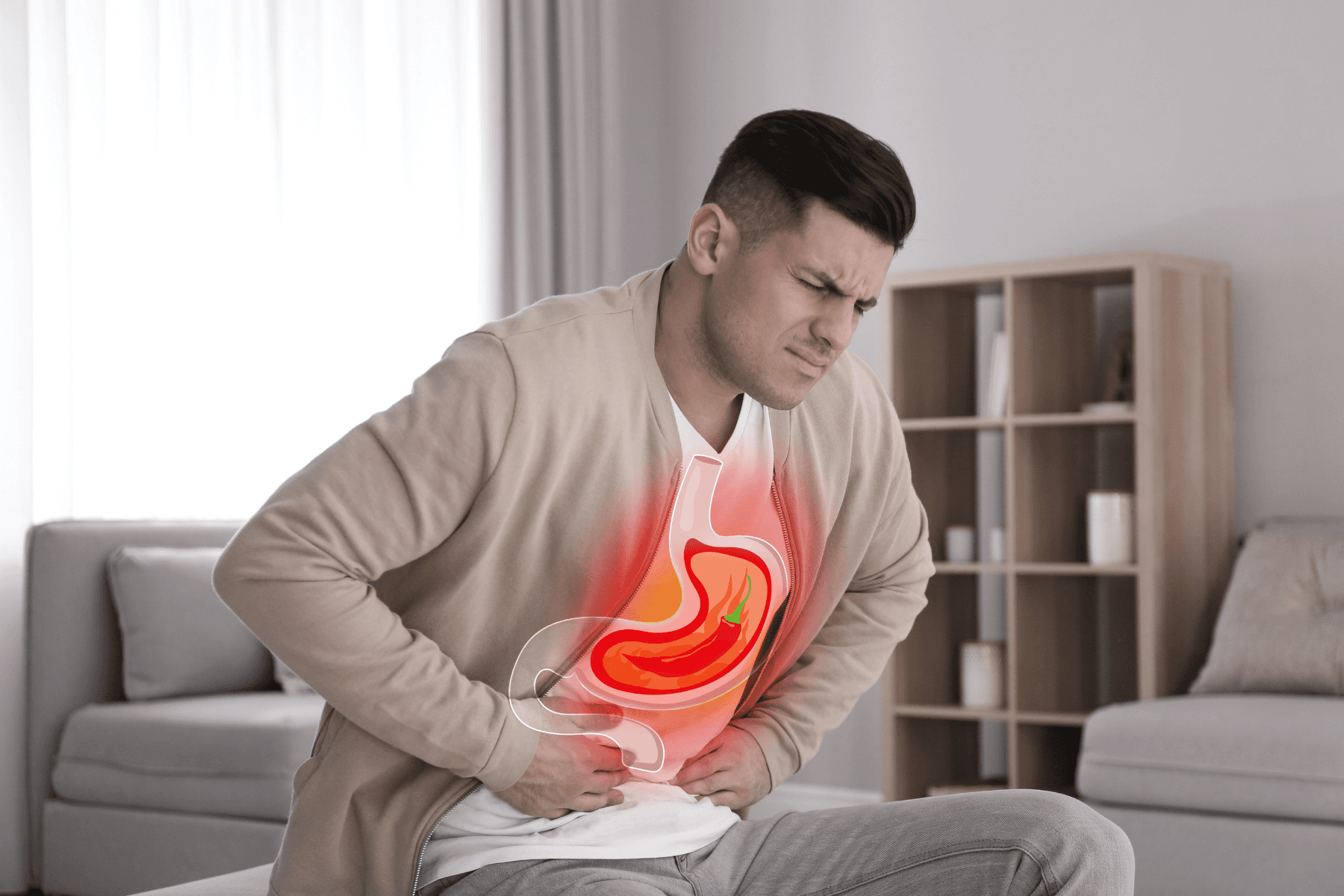
Digestive changes can catch anyone off guard, especially when they appear alongside a medication meant to support other aspects of health. If you’ve noticed heartburn or a burning heaviness after meals, you might wonder how semaglutide and acid reflux connect. Understanding what’s happening inside the body can make the whole experience feel less confusing and a lot more manageable. This article breaks down why these sensations might show up, what’s going on beneath the surface, and how to talk with a health-care professional if something doesn’t feel right.
To put those steps into practice, MeAgain's GLP-1 app helps you track symptoms, dose timing, meals and easy lifestyle tweaks so you can spot patterns, try changes, and share clear notes with your clinician.
Table if Contents
Summary
Semaglutide commonly causes reflux-like symptoms because it slows gastric emptying, and in clinical trials about 20% of people reported experiencing acid reflux.
Heartburn specifically affected roughly 15% of patients, indicating it is a frequent side effect whose severity often rises with higher doses or overlapping risk factors.
Delayed gastric emptying can present as bloating, early fullness, nausea, and reflux, and about 10% of users reported indigestion while on semaglutide.
Meal timing matters, because logging for two weeks often reveals patterns and eating within two to three hours of bedtime is repeatedly linked to worse nocturnal symptoms.
Adjusting meal size and frequency helps, for example splitting intake into four to five smaller plates per day reduces stomach backlog and lowers the chance of reflux when digestion is slowed.
Persistent or severe reflux warrants clinical review, since reports show about 15% experienced reflux symptoms in some series and among certain GI cohorts 10 out of 50 patients developed severe reflux oesophagitis.
This is where MeAgain's GLP-1 app fits in, it addresses this by logging medication timing, meals, hydration, and side effects so users and clinicians can spot symptom clusters and make informed adjustments.
Does Semaglutide Cause Acid Reflux?
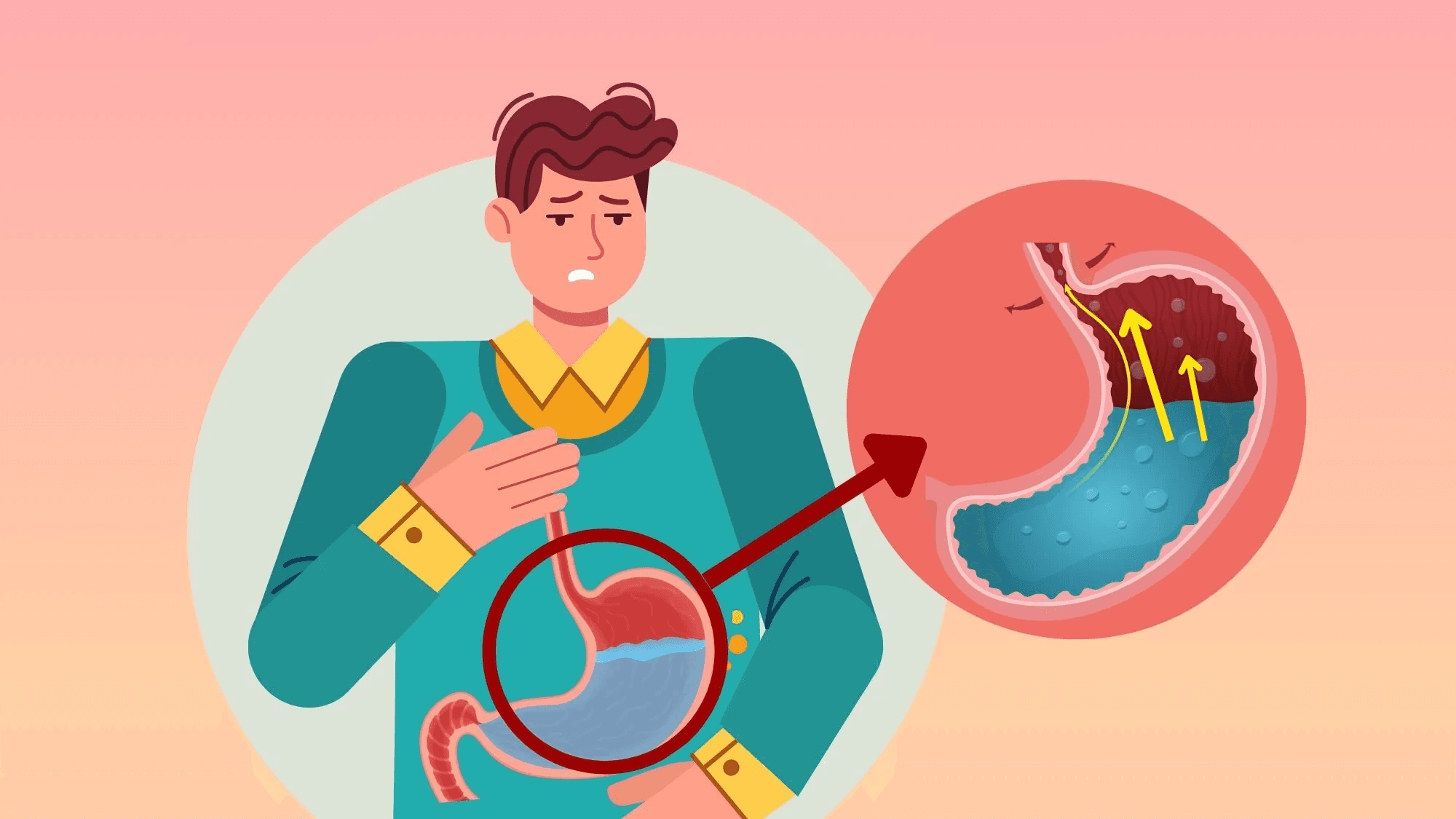
Yes. Semaglutide can cause symptoms that feel like acid reflux for some people because it slows gastric emptying, which raises the chance of nausea, indigestion, and reflux; how often and how badly this happens varies widely. Many patients tolerate the drug with minor discomfort, while a smaller group sees persistent or worsening reflux that needs careful tracking and discussion with their clinician.
Does Semaglutide Cause Acid Reflux?
In clinical trials, approximately 20% of people taking semaglutide reported experiencing acid reflux, highlighting it as a common gastrointestinal side effect. That number does not prove a direct causal chain for every individual, but it does show the link is common enough to take seriously.
Nausea, Fullness, and Heartburn Cluster
The mechanism is straightforward: slower stomach emptying lets meals linger, which raises intra-stomach pressure and gives acid more opportunity to move upward, especially if the lower esophageal sphincter relaxes at the wrong time. Pattern recognition from care programs suggests this shows up as a cluster—nausea, fullness after small meals, and intermittent heartburn—rather than a single, universal symptom.
Why Does Ozempic Cause Heartburn?
Slowing digestion is the primary suspect. When food and acid sit in the stomach longer, belching, bloating, and retrograde movement become more likely. Vomiting episodes, or repeated retching, further irritate the esophagus and can worsen reflux. Clinically, severity often rises with dose or with overlapping risks like:
Obesity
Certain foods
Late-night meals
The practical point is this is a mechanical effect, not a mystery: change the timing or volume of what’s in the stomach, and you change the odds of reflux.
Does Ozempic Cause Heartburn?
Approximately 15% of patients taking semaglutide experienced heartburn as a side effect, highlighting it as a relatively common gastrointestinal reaction. That shows heartburn is a common companion symptom but not a guaranteed one. People using semaglutide often juggle tradeoffs: the medication’s appetite and weight effects help many with reflux driven by obesity, yet the drug’s direct impact on gastric emptying can produce new reflux for others. Emotionally, this creates a hard choice for patients who feel better overall but are troubled by new digestive discomfort.
What is the Difference Between Heartburn, Acid Reflux, and GERD?
Think in terms of timeframe and consequence. Heartburn is a symptom, acid reflux is the event of stomach contents moving upward, and GERD is the chronic condition when those events are frequent enough to cause ongoing damage or regular symptoms. For someone on Semaglutide this distinction matters because transient heartburn after a dose is different from evolving GERD that interferes with sleep, nutrition, or quality of life; tracking frequency, timing, and severity clarifies whether the problem is episodic or chronic.
Ozempic Heartburn May Be a Sign of a Serious Condition
Problem-first: persistent or severe reflux can flag deeper problems, such as delayed gastric emptying that becomes disabling, biliary issues, or pancreatic inflammation. The critical pattern to watch is escalation over weeks rather than an isolated flare after a large meal. Patients often describe the emotional fatigue of weighing therapeutic benefits against symptoms that interfere with daily life, and that tradeoff is precisely why clinicians monitor new or worsening reflux closely.
Acid Reflux and Gastroparesis
Pattern recognition across clinics shows delayed gastric emptying, sometimes labeled gastroparesis, can present with bloating, early fullness, nausea and reflux because the stomach is not moving contents onward efficiently. When that happens, acid has more opportunity to backflow, and symptoms can become persistent. This is a mechanistic link, not a certainty; for many people the effects are mild and manageable, while for a minority they become limiting.
Guesswork Fragments Data and Hides Patterns
Most people handle new reflux by experimenting with meal size and timing, antacids, or stopping the drug temporarily, which works short-term but fragments data and choices. As the hidden cost, guesswork buries the pattern that could inform better decisions, outcomes and clinician conversations. Solutions like MeAgain centralize medication timing, meal logs, hydration, and side-effect visualization, letting users spot whether reflux clusters around doses, certain meals, or dehydration, and then act on that insight with their provider. When this pattern becomes personal, it feels like a betrayal: you gain control over weight or blood sugar, and your digestion starts to fight back. Which is why systematic tracking matters more than willpower. That tension doesn’t end here, it leads straight into a sharper question about what actually sparks reflux while you’re on semaglutide.
Related Reading
How Long Does Diarrhea Last With Mounjaro
What Triggers Reflux When I’m Using Semaglutide?
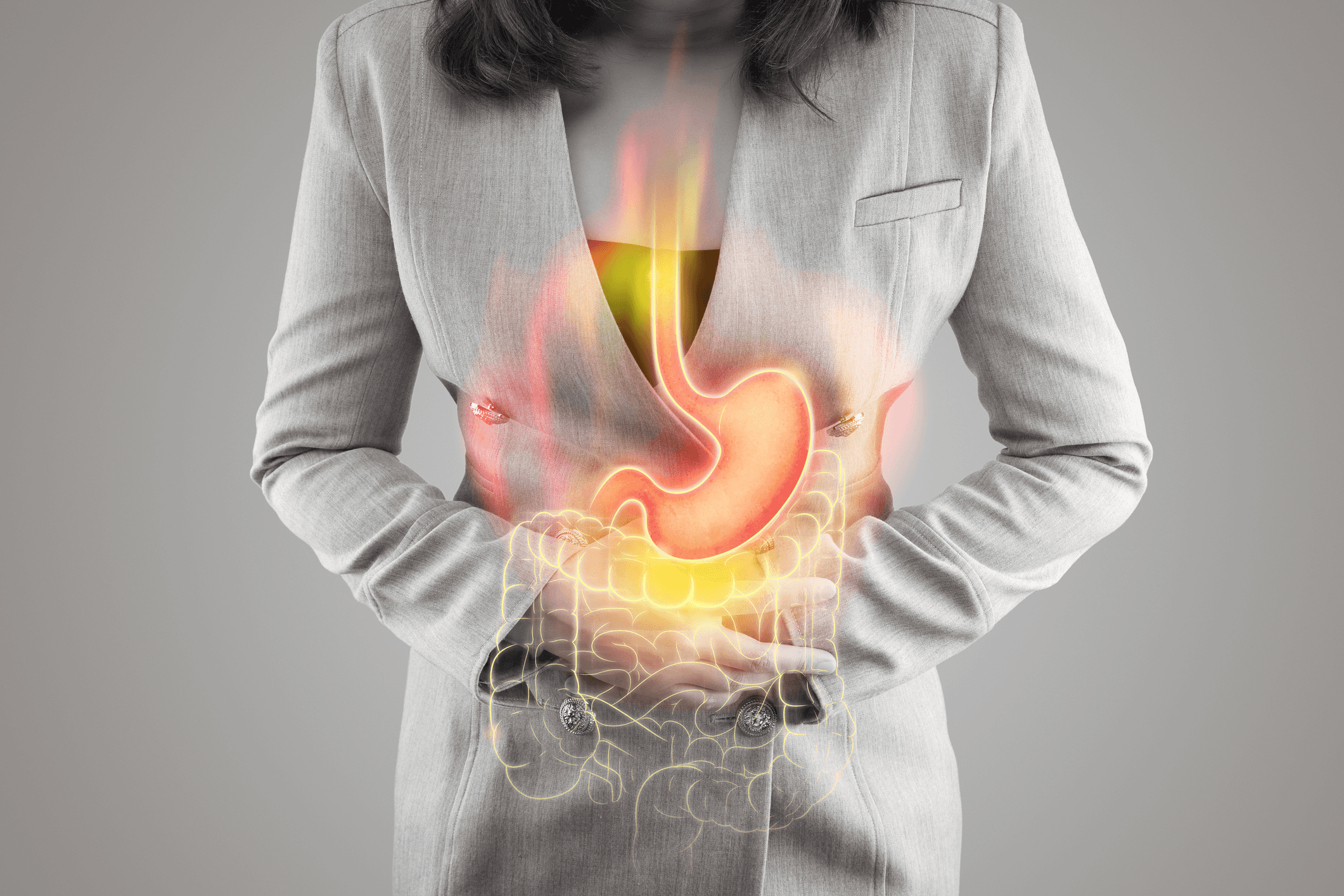
Several interacting factors make reflux more noticeable when you’re on semaglutide, but none are guaranteed causes on their own. Slower gastric emptying increases the likelihood that a large, rich, or acidic meal will sit in the stomach longer, and when that is combined with foods or behaviors that relax the lower oesophageal sphincter, reflux becomes more likely and more noticeable.
What Role Do High-Fat Foods Play When Gastric Emptying is Slower?
When meals are high in fat, the lower oesophageal sphincter relaxes more easily and the stomach clears more slowly, so pressure builds and acid has more opportunity to move upward. This is a contributing factor rather than a sole cause, and the effect is more substantial when you eat large portions or eat quickly.
Cut Back on Fatty/Fried Foods
Reduce or cut back on items like french fries and onion rings, full-fat dairy such as butter and whole milk, fatty cuts of beef, pork, or lamb, bacon fat and lard, indulgent desserts like ice cream, cream sauces and gravies, and other oily or fried foods while you learn your personal tolerance.
Could Acidic Fruits and Tomato-Based Foods Make Reflux Worse?
Acidic fruits and tomato products commonly bother people prone to reflux because they can irritate the oesophagus and increase the burning sensation when acid comes up. Try steering clear of oranges, grapefruit, lemons, limes, pineapple, tomatoes, tomato sauces, salsa, and foods that rely heavily on tomatoes for a trial period to see if symptoms drop.
Is Chocolate Actually a Trigger?
Yes, chocolate contains methylxanthines, which can relax the lower oesophageal sphincter and increase the likelihood of reflux episodes. If you notice heartburn after chocolate, treat it as a possible contributor and track it alongside other variables, rather than assuming it is the sole culprit.
Do Garlic, Onions, and Spicy Foods Matter More on Semaglutide?
This pattern appears consistently when people combine semaglutide with meals that are high in spice or raw alliums: the slowed stomach emptying magnifies whatever irritation those foods usually produce. Garlic, raw onions, and strongly spiced dishes will not trigger reflux in everyone, but they often worsen symptoms in those already sensitive. Track meal composition and timing carefully; many users find cooked, milder preparations are better tolerated than raw, heavily spiced plates.
Should I Worry About Mint or Mint-Flavored Products?
Mint and mint-flavored items like chewing gum and breath mints can relax the lower sphincter in some people and precipitate reflux feelings. If you use mint to freshen your breath after meals and then feel burning, try skipping the mint for several days while you watch symptoms.
Are There Other Foods Worth Testing by Elimination?
Yes, testing less obvious items can reveal individual intolerances. Consider a time-limited elimination of dairy, wheat-based products such as bread and crackers, or whey protein for three to four weeks to see if reflux or indigestion improves. About 10% of users reported indigestion while taking semaglutide, highlighting that gastrointestinal responses vary and some effects are relatively common.
How Do Eating Speed, Meal Size, and Fasting Patterns Interact with Diet to Change Symptoms?
When we look at patterns across users adjusting semaglutide, one clear failure mode emerges: long fasts followed by large meals create a backlog in the stomach, and that backlog amplifies the impact of any trigger food. If you graze in small portions, the system copes; if you break an extended fast with a heavy, high-fat, or acidic meal, the combination frequently produces:
Nausea
Fullness
Belching
Reflux
That pattern is emotionally draining because it forces constant tradeoffs between weight-management goals and comfort, and it pushes many people into guessing rather than measuring what actually sets off symptoms. Most people manage this by trial and error, which is familiar and simple, but it scatters evidence across sticky notes, memory, and half-remembered meals. As a result, patterns hide in plain sight and adjustments become reactive instead of strategic.
Logging Reveals Reflux Triggers
Platforms like MeAgain provide focused logging for medication timing, meals, water, and side effects with visualized clusters, so users find whether reflux consistently follows certain foods, meals after long fasts, or particular dose timings, enabling more targeted conversations with their clinician.
Solvable Triggers Often Cluster
Clinical trials document the scale of these side effects; for example, 20% of people taking semaglutide reported experiencing acid reflux, which helps explain why many users seek practical strategies to reduce symptom frequency rather than accept them as inevitable.
The frustrating part? This feels solvable and it still manages to surprise people, because the real trigger is often the way several small factors collide.
Related Reading
Managing Acid Reflux while on Semaglutide

Practical habit changes can make reflux easier to live with while you stay on semaglutide: tweak what you eat, when you eat, and how you sleep, and then track the results so you can talk through patterns with your clinician. These are comfort-focused, everyday tactics, not medical treatment; always check with your health-care professional before changing medication or treating severe symptoms.
First and Foremost, Monitoring Your Diet is Key
When you deliberately log meals and symptoms for just two weeks, patterns emerge faster than you think: late dinners, big portions, and greasy foods cluster with worse evenings and disrupted sleep. That pattern appears consistently across people managing semaglutide side effects, and the emotional result is predictable, it wears you down—sudden cramps or nightly burning that make the tradeoff with the medication feel fragile. Start by writing down meal size, time, and one-word notes on how you felt afterward; that small habit turns guesswork into action items you can bring to your clinician.
Foods to Help Reduce Acid Reflux
Vegetables
Choose steamed, roasted, or raw mild vegetables like:
Green beans
Broccoli
Asparagus
Cauliflower
Leafy greens
Potatoes
Cucumbers
Aim to add two vegetable portions to lunches and dinners, which helps bulks meals without adding fat that can provoke reflux.
Ginger
Ginger eases inflammation and calms the stomach, so try grated ginger in:
Smoothies
Stir-fries
A cup of warm ginger tea after a meal
It also helps with nausea that sometimes comes with GLP-1 therapy.
Oats
Oats and other whole grains offer soluble fibre that soothes digestion and reduces reflux risk. If overnight oats feel heavy, try smaller portions or mix with yogurt or a banana for easier tolerance.
Non-Citrus Fruits
Melons
Bananas
Apples
Pears instead of oranges
Grapefruit
Pineapple
These low-acid options are less likely to provoke burning after a meal.
Lean Meats and Seafood
Grill
Broil
Poach chicken
Turkey
Fish
Seafood
Low-fat protein reduces stomach pressure while still supporting satiety and muscle-preserving weight loss.
Egg Whites
Use egg whites or whole-egg moderation; the whites provide high-quality protein with less fat, which often tracks with fewer reflux complaints.
Healthy Fats
Keep fats focused on:
Avocados
Walnuts
Flaxseed
Olive oil
Avoid deep-fried or heavily battered items that slow gastric clearance and relax the lower oesophageal sphincter.
How Should I Change Meal Size and Frequency?
Problem-first: large meals create pressure that pushes acid upward, and that effect intensifies when digestion slows. Try four to five smaller plates through the day instead of two oversized ones; this evens stomach workload and keeps fullness signals steady. If you use a protein target to feel satisfied, split that protein across meals so you meet goals without a single heavy dinner. Hydration matters too, sip fluids between bites rather than with the whole meal to avoid overfilling the stomach.
Should I Adjust Meal Timing Around My Shot or Bedtime?
Pattern recognition shows meals eaten within two hours of bedtime frequently lead to worse nights, so aim to finish eating at least two to three hours before you lie down. If dose timing seems linked to symptoms, note the time precisely in your log, and discuss possible timing shifts with your clinician rather than changing dose on your own.
How Can I Identify Personal Food Triggers?
Constraint-based: elimination trials work when you control one variable at a time. Remove one suspect food for two weeks, track symptoms, then reintroduce and watch for changes. Visual tracking that overlays meals, medication timing, and side-effect intensity reveals clusters you would miss otherwise. Many people find that this structured approach reduces the guessing and emotional fatigue of testing by memory.
When Should I Contact My Clinician?
The familiar approach is to absorb mild, occasional heartburn with over-the-counter antacids, but severe or persistent pain needs professional review because complications can occur. According to BMJ Case Reports, 15% of patients taking semaglutide reported experiencing acid reflux symptoms, highlighting that reflux is common enough to discuss proactively. Among gastrointestinal side effects, serious cases do happen, and 10 out of 50 patients experiencing GI side effects reported severe reflux oesophagitis, a reminder to seek care if you have worsening pain, difficulty swallowing, or bleeding.
How Do You Put This Into Daily Practice Without Losing Your Mind?
Most people manage tracking with scattered notes or memory because it feels simple at first, but that habit fragments evidence over time. This works for a while, then fractures when symptoms shift, because you cannot reliably link an episode to a single meal or dose. Solutions like dedicated GLP-1 tracking apps centralize:
Medication timing
Meal composition
Hydration
Side-effect visualization
So users find whether reflux clusters around certain foods, post-fast large meals, or specific dose timings, and can bring precise data to their clinician, shortening the path from confusion to targeted changes.
Elevating Your Head While Sleeping, Does It Help?
Yes, modest elevation often cuts nocturnal reflux intensity because gravity helps keep stomach contents down. Prop the head of the bed or use a wedge pillow to maintain a gentle incline, and test changes for a week to see if nights improve. Keep the elevation modest, consistent, and paired with earlier dinners for the most significant effect.
How Should You Combine These Habits with Emotional Self-Care?
It is exhausting when stomach cramps or reflux make daily life feel precarious; that sense of betrayal is real. Naming the irritation, keeping a simple log, and sharing the data with your clinician turns abstract suffering into manageable steps and restores agency. Small wins, like two nights in a row with no burning after bedtime adjustments, compound quickly and build confidence that you can balance symptom comfort with the benefits you want from treatment.
What to Avoid Doing on Your Own
Do not assume a single food is the sole culprit without testing. Do not increase or stop medications without clinician's approval. And do not ignore signs that symptoms are worsening; prompt evaluation preserves options. That solution feels like progress, but the next part shows how simple habit tools can change the game in practice.
Related Reading
Foods to Avoid on Semaglutide
Mounjaro Heartburn
Diarrhea on Zepbound
Download Our GLP-1 App to Turn Your Weight Loss Journey into Your Favorite Game
You're starting Ozempic, Wegovy, or Mounjaro because you want change, and we both know protecting muscle and managing semaglutide-related acid reflux, heartburn, nausea, and constipation takes daily habits, not hope. MeAgain makes those habits simple and even fun, with an adorable capybara that nudges protein, fiber, water, and movement targets and a Journey Card that preserves every milestone, so download MeAgain and keep the benefits of semaglutide without letting reflux or muscle loss steal your progress.