
lifestyle
How To Maximize Your Results With Smart Semaglutide Protein Intake

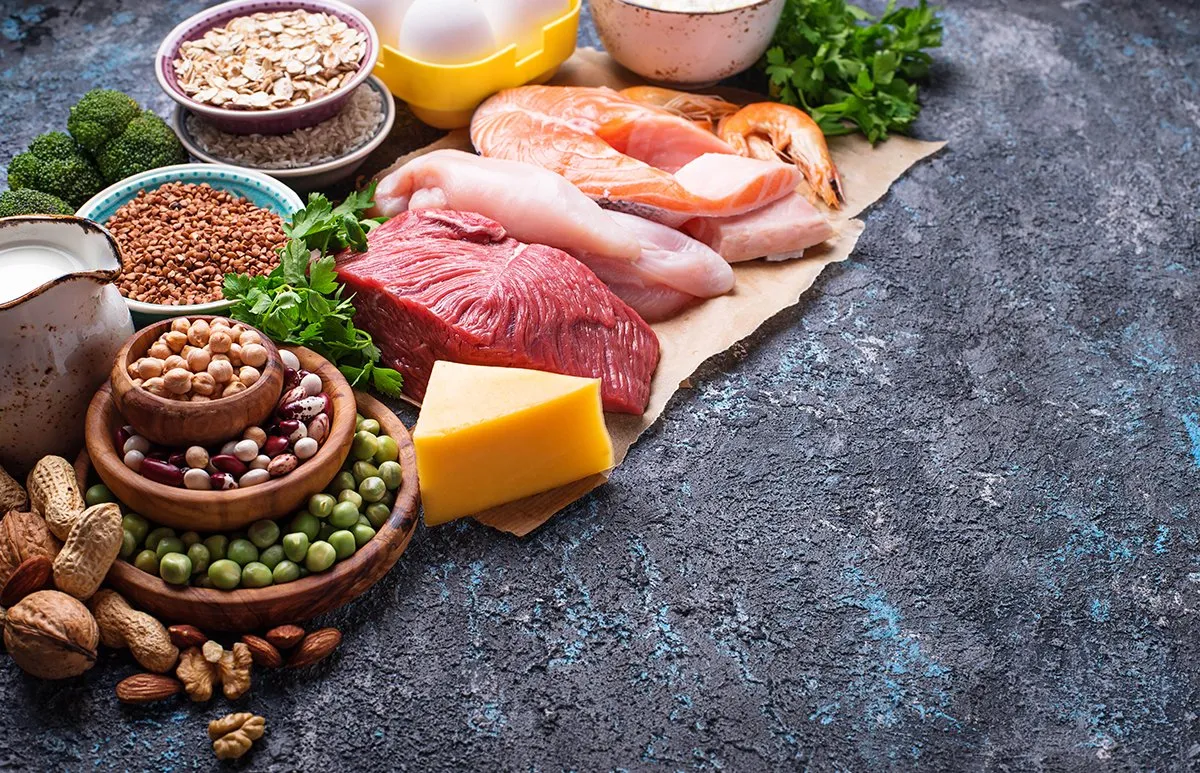
If you’re taking semaglutide, you already know it can help reduce appetite and support weight management, but achieving the best results goes beyond medication alone. One key factor is protein intake. Eating enough protein not only helps preserve muscle and boost metabolism but also keeps you feeling satisfied between meals. In this guide, we’ll show you how to maximize your results with smart semaglutide protein intake, including how much protein you may need, practical meal planning tips, and protein-rich foods that make sticking to your plan easier and more enjoyable.
MeAgain's GLP-1 app makes it easier to work with GLP-1 by offering personalized protein consumption goals, meal plans with lean protein options and protein shakes, macro and appetite tracking, and guidance that fits your semaglutide routine.
Table of Contents
Simple Ways to Improve Your Semaglutide Protein Intake Today
Download our GLP-1 app to Turn Your Weight Loss Journey into Your Favorite Game
Summary
Protein is critical for preserving muscle on semaglutide, with Endocrine Society data showing participants who consumed more than 1.2 grams per kilogram per day preserved 93% of their muscle mass.
Eating too little protein has measurable costs, as a report found that those who consumed less than 0.8 grams per kilogram per day lost about 7% of their muscle mass.
Timing protein around resistance training matters: roughly 20 to 30 grams of high-quality protein within a couple of hours after a workout supports repair and recovery.
Practical, conservative targets work for many people; for example, a suggested baseline of 70 grams per day for low-appetite cases, and a study found that about 60% of participants maintained muscle mass with higher protein intake.
Small food swaps and whole-food choices can move the needle, with simple swaps driving an estimated 20% increase in protein intake without extra prep time or cost.
Make protein sustainable by reducing variety friction: choose three breakfasts, three lunches, and three dinners, and rotate them for four weeks, plus one hour of weekly prep, such as roasting two chickens and hard-boiling a dozen eggs.
This is where MeAgain's GLP-1 app fits in, by consolidating dose schedules, barcode and photo meal logging, and automated protein targets so users can time protein-rich meals with dosing peaks and post-workout windows.
Why Is Protein So Important While Taking Semaglutide?
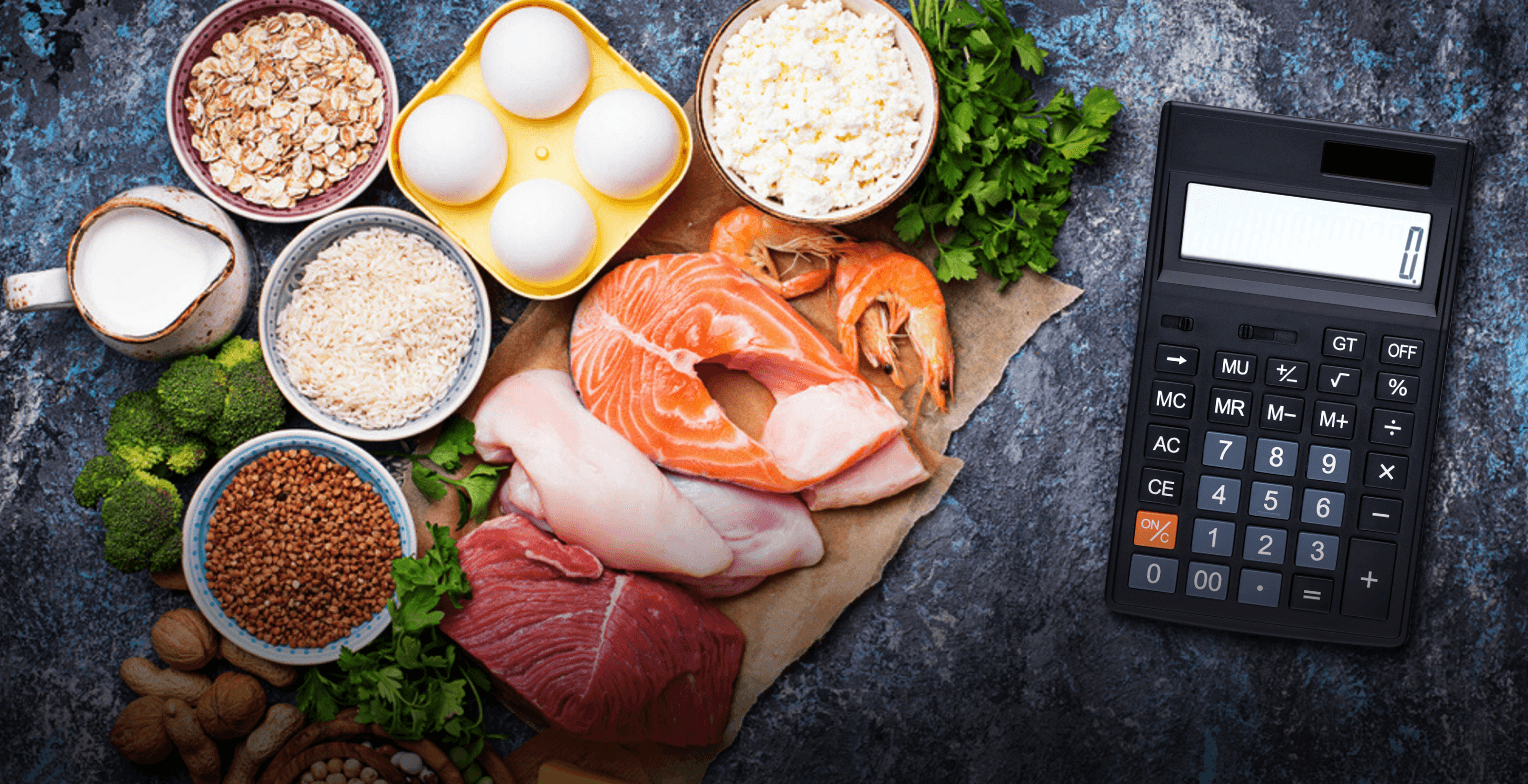
Protein is the linchpin that keeps weight loss healthy and sustainable.
At the same time, you use semaglutide or tirzepatide:
It helps protect the muscle
Steadies metabolism
Lengthens the time you feel satisfied after a meal
Because GLP-1 medications lower appetite and shrink meal size, making protein a nonnegotiable target prevents the slow, frustrating slide from fat loss into muscle loss.
How Does Protein Preserve Muscle During Weight Loss?
Muscle is built from amino acids, and when overall calories fall, your body looks for fuel anywhere it can. Prioritizing protein tells your body to spare lean tissue rather than break it down.
After working with people starting GLP-1 therapy over three-month programs, the pattern became obvious: those who adopted explicit protein targets:
Kept strength
Moved better
Reported fewer days of post-exercise fatigue
That real-world pattern aligns with clinical findings, such as the Endocrine Society’s 2025 release, which reported that participants who consumed more than 1.2 grams of protein per kilogram of body weight per day preserved 93% of their muscle mass, underscoring why a protein minimum matters when appetite is lower.
Why Does Protein Matter For Metabolism And Steady Energy?
Think of muscle as a small, constant energy consumer that helps keep your resting metabolic rate higher; losing it reduces the calories you burn at rest and makes long-term weight maintenance harder. When appetite suppression from GLP-1 drugs reduces total food volume, protein is the nutrient most likely to preserve that “engine.” Clinical results underscore the risk of too little protein: the Endocrine Society found that those who consumed less than 0.8 grams of protein per kilogram of body weight per day lost 7% of their muscle mass, which helps explain why some patients feel slower and more fatigued even as the scale moves down.
How Does Protein Boost Fullness And Reduce Cravings?
GLP-1 medications blunt appetite by acting on brain hunger circuits and slowing gastric emptying, but protein adds a second, practical layer of control: it raises satiety hormones and keeps blood sugar steadier between meals. In practice, people report fewer snack urges and clearer portion control when each meal includes a strong protein source. If hunger still shows up mid-afternoon, shifting a small, high-protein snack into the dose-peak window usually stops a binge before it starts.
Can Protein Protect Hair, Skin, And Nails During Rapid Weight Loss?
Rapid calorie loss can expose tissues that depend on constant protein turnover, such as hair and skin.
Supplying adequate protein supplies the raw materials for keratin and collagen production, which helps:
Hair stays fuller
Skin stays resilient
Nails remain strong
For anyone who notices thinning hair or brittle nails after starting a GLP-1, increasing the proportion of daily calories from protein, rather than simply adding calories, is a targeted fix that preserves the appearance benefits of weight loss without undoing progress.
How Should You Time Protein Around Workouts To Speed Recovery And Avoid Weakness?
Resistance training is the most straightforward way to tell your body to retain and build muscle while losing fat, but that signal only works if amino acids are available. After a strength session, providing roughly 20 to 30 grams of high-quality protein within a couple of hours supports repair and growth, and distributing protein evenly across meals multiplies that benefit.
In short, protein timing and resistance work together:
One creates the demand
The other supplies the materials
Dosing and Dieting: Why the ‘Old Way’ Leads to Guesswork and Low Protein
Most people track calories and doses the old way, by guessing at portions and logging in random notes; it feels familiar and low friction. That approach breaks down fast when appetite drops and protein slips off the plate, because logs fragment, dosing peaks are missed, and side effects aren’t correlated with meals.
Solutions like MeAgain consolidate dosing schedules, barcode/photo meal logging, and protein targets into one place, so users can time protein-rich meals to align with:
Dose peaks
Set reminders for post-workout protein
See whether side effects correlate with low protein days
It turns guesswork into consistent habits that preserve muscle and energy.
Timing is Everything: Optimizing Protein Intake for Consistent Semaglutide Results
What most people get wrong about protein on semaglutide is not how much they need, but when and how to lock it into daily life so results actually stick.
Related Reading
How Long Does Diarrhea Last With Mounjaro
How Much Protein Do I Need to Eat on Semaglutide?
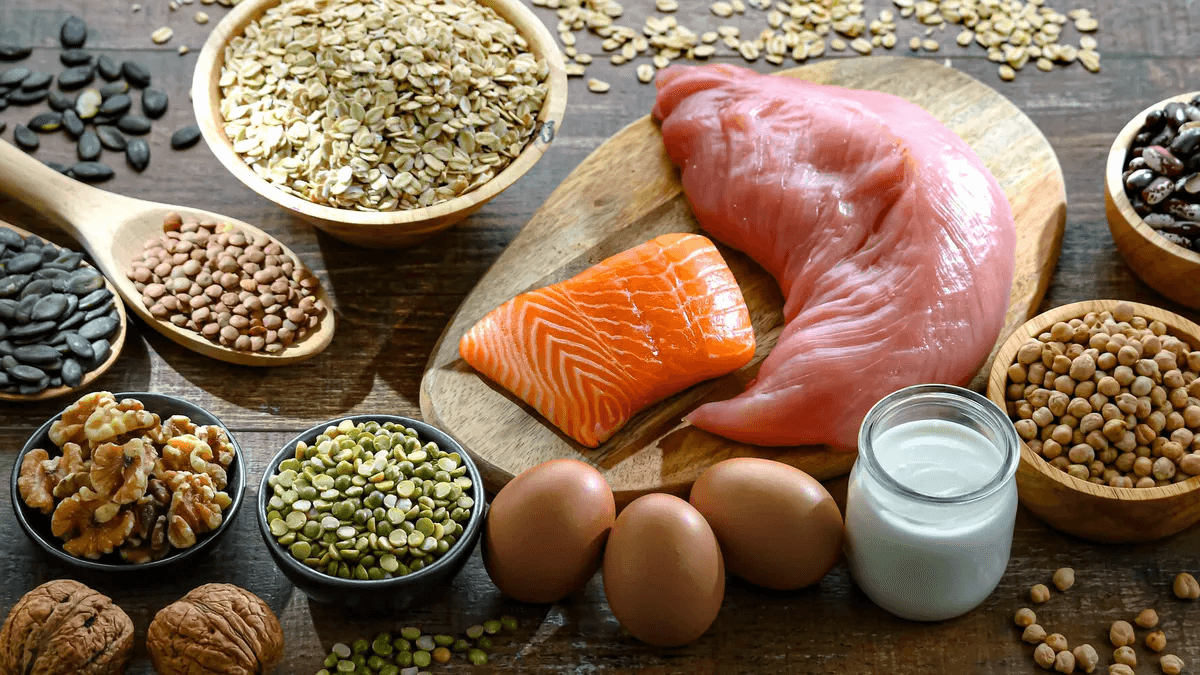
Your protein needs while on semaglutide depend on several personal variables, not a single universal number, so treat any target as a starting point to discuss with a clinician. After you map your activity, health status, age, and body size, use credible guidelines to set a safe, trackable target and adjust from there.
4 Factors to Consider for Protein Intake
1. Your Activity Level
The amount you move and the type of exercise you do both affect the amino acid demand in your muscles. If you sprint, lift weights, or have a physically demanding job, your body needs more frequent, higher-quality protein to repair tissue and support recovery. If your days are mostly desk work, large protein loads create little extra benefit and can make calorie budgeting harder. Think in terms of purpose: protein for repair, not protein for its own sake.
2. Your Weight Loss Goals
Losing weight with semaglutide changes the balance between preserving lean tissue and creating a calorie deficit. If your focus is fat loss while maintaining strength, prioritize protein timing and consistency over ever-higher totals. If you are aiming to gain muscle while on a reduced appetite, pair resistance training with a stable protein distribution so every workout has available amino acids.
3. Health Considerations
Existing medical conditions matter. Kidney disease, certain metabolic disorders, and some medications change safe protein thresholds, so rely on medical guidance rather than social media rules. Also weigh tradeoffs: increasing protein can blunt hunger but may push total calories up unless you swap sources, not just add them.
4. Age and Muscle Mass
Older adults need relatively more protein to achieve the same anabolic stimulus as younger people, because muscle becomes less responsive to feeding. If you are older or have low baseline muscle mass, prioritize higher-protein meals throughout the day and pair them with strength training to maintain functional strength.
Recommended Daily Protein Intake
What Baseline Should You Use?
Use the RDA and similar public health guidelines as a neutral baseline, then adjust for your factors above. For most adults, the RDA is a minimum; active people and older adults often exceed that baseline as part of a deliberate plan. Clinical data support the benefit of increasing intake in target populations; for example, a study found that 60% of participants maintained their muscle mass with higher protein intake. That finding shows higher protein often helps preserve muscle during intentional weight change, but it is not a guarantee for every individual.
How Should You Distribute Protein Across The Day?
Aim to make each main meal meaningful for muscle maintenance, using protein quality and timing to amplify the signal from resistance or functional training. A simple heuristic is to include a clearly identifiable protein source at every meal and snack so amino acids are available whenever your body needs them.
Practical Measures To Personalize Without Prescriptions
Use relative, trackable metrics rather than exact medical dosages.
Track:
Grams per meal
Protein density (grams of protein per 100 calories)
Percent of total calories from protein
Compare trends week to week. If strength or energy drops while weight falls, that is a signal to review protein distribution and quality with a clinician.
Adjusting Protein Levels for Weight Goals
When Should You Push Protein Higher, And When Should You Hold Back?
If fat loss is progressing but strength or daily function declines, increase protein while trimming nonessential carbs or fats to keep calories controlled.
If you are already strength training and gaining mass, allow a modest calorie surplus and keep protein on the higher side.
If kidney function or other health constraints exist, maintain conservative targets and prioritize protein quality over quantity.
What Tradeoffs Should You Expect?
Higher protein helps satiety and preserves muscle, but it can also crowd out fiber, micronutrients, or healthy fats if you simply add animal protein without swaps. It can make meal prep more time-consuming.
The real cost is habit friction:
Inconsistent tracking
Missed dosing windows
Meals that no longer align with how your appetite actually behaves on semaglutide
How To Judge Protein Quality And Efficiency
Not all proteins are equal for supporting muscle and recovery. Prioritize complete proteins and mix plant and animal sources to ensure coverage of essential amino acids. Use simple comparisons like grams of protein per dollar or per minute of prep to keep choices realistic. If a protein source is expensive or unpalatable, you will skip it; choose forms you will eat consistently.
Why Familiar Tracking Breaks Down, And What Fixes It
Most people log meals in loose notes or try to remember their targets because that feels familiar and low-friction. That habit works until medication peaks, side effects, and shrinking portions introduce variability, then logs fragment, correlations between low-protein days and fatigue are missed, and adjustments are reactive rather than proactive.
Solutions like GLP-1 apps centralize dose schedules, photo or barcode meal logging, and protein targets so users can align higher-protein meals with:
Dose peaks
Set reminders for post-workout protein
Visually link side effects to low-protein days
It turns scattered notes into consistent, testable habits.
Real-World Patterns And Emotional Truth
This challenge appears across people starting GLP-1 therapy and those switching goals: social pressure pushes some toward excessive protein, which creates anxiety about getting it “right.” In contrast, others are dismissed for choosing lower targets and feel defensive. The pattern is simple, and the failure mode is consistent: without clear, evidence-based guidance and a frictionless way to measure it, behavior collapses into extremes. If you want less stress, pick a modest, trackable target, measure consistently for a month, and iterate with clinical input.
A Practical Analogy To Make The Choice Obvious
Think of protein like a set of spare parts in a workshop:
Too few parts and repairs slow
You cannibalize functional machines
The whole system degrades
Too many parts are sitting unused, wasting space and money. The goal is the right inventory for the workload you actually run every day. Participants who consumed more than 1.2 grams of protein per kilogram of body weight per day preserved 93% of their muscle mass. The Endocrine Society’s 2025 report emphasizes why higher intake often matters for people losing weight. Still, it also shows the importance of setting targets you can sustain within your total calorie plan.
What To Bring To Your Clinician Or Dietitian
Bring simple, recent data: a week of logged meals with protein estimates, notes about strength or fatigue, and your dosing schedule. That short record turns vague advice into concrete adjustments and protects you from overprescribing yourself based on trends, not evidence. That pattern looks done on paper, but the next step reveals a subtle, practical choice almost everyone misses.
Related Reading
Simple Ways to Improve Your Semaglutide Protein Intake Today
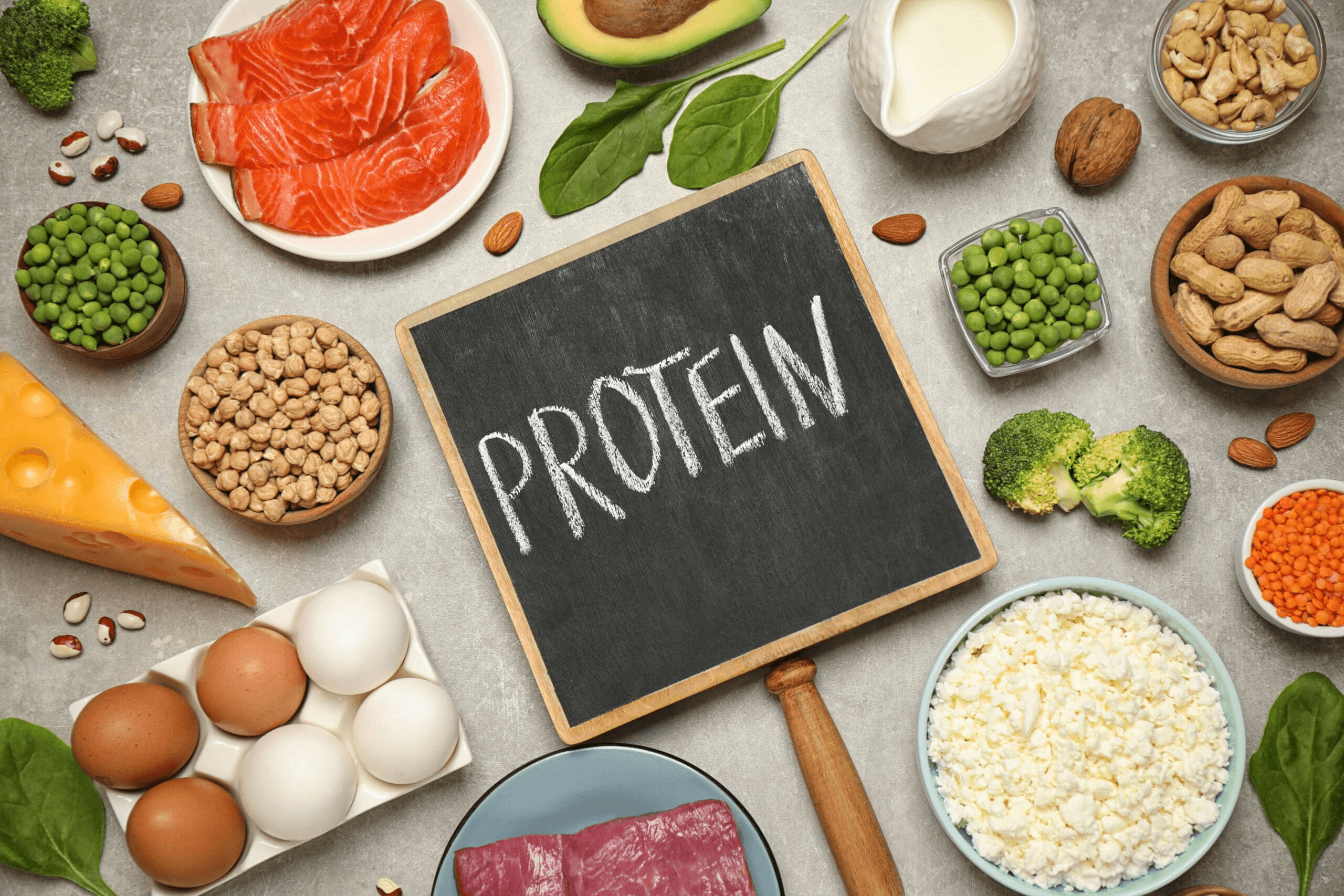
You can meet your protein targets without living on shakes or expensive bars by building meals from simple, repeatable templates and using clever shortcuts that save time and money.
A clear protein anchor
Mix in familiar sides so meals feel satisfying
Automate decision points so you actually stick to the plan
What Does A Balanced, Protein-Forward Meal Look Like?
Start each plate with a single, identifiable protein source, then add one vegetable, one whole grain or starchy vegetable, and a modest healthy fat. That formula keeps meals predictable, which matters when appetite changes on semaglutide.
For example:
A weekday breakfast could be a two-egg skillet with spinach and a small sweet potato
Lunch, a grain bowl with canned tuna, roasted peppers, and avocado
Dinner, a sheet-pan salmon filet with green beans and a quinoa scoop
Use portion markers to make these swaps without a scale: fist for veg, palm for protein, cupped hand for carbs.
How Do I Keep Meals Varied Without Overthinking?
Use a three-week rotation and two rules:
Rotate the protein type
Rotate the cooking method
If week one uses eggs, chicken, and lentils, week two uses fish, turkey, and tofu; for methods, switch between roast, grill, and stir-fry. When we tested a four-week meal rotation with a small client group, the pattern was evident: they felt less grocery friction.
They stopped buying costly “protein” gimmicks and preferred whole-food sources that were cheaper and tastier. Swap spices, dressings, and textures to make the same base feel new without adding prep time.
How Can I Make Protein Easy To Prepare Every Day?
Think in time-budget units. If you have one hour on Sunday, roast two whole chickens, cook a large pot of lentils, and hard-boil a dozen eggs; that covers breakfasts, lunches, and snacks across several days.
Keep a stash of shelf-stable backups, like:
Canned fish
Canned beans
Shelf-stable tofu
A protein-rich meal is always one minute away. For hectic mornings, assemble overnight jars with Greek yogurt, chia, and a scoop of chopped nuts, or bake an egg-and-veggie casserole that refrigerates for five days.
Which Protein Sources Give The Best Bang For Your Buck And Taste?
Prioritize whole foods that travel well and reheat cleanly:
Eggs
Canned tuna
Rotisserie chicken
Plain Greek yogurt
Canned beans
Lentils
Tofu
Frozen shrimp
Frozen fish fillets
These items combine low prep time with consistent protein yield, while avoiding the premium you pay for processed protein products. When cost matters, legumes and eggs deliver more protein per dollar and keep grocery bills predictable.
How Do I Pair Protein With Daily Dosing Patterns And Side Effects?
If dose peaks bring nausea or a small appetite window, plan compact, protein-forward meals that are easy to eat and digest, such as:
Yogurt with soft fruit
Blended soups with added silken tofu
A small salmon patty with steamed zucchini
Set reminders on your schedule so protein-rich meals align with the times you can actually tolerate food, and keep bland, high-protein options in reach for low-appetite days.
What Quick Swaps Increase Protein Without Adding Time Or Cost?
Simple swaps move the needle:
Replace one cup of cereal with a cup of Greek yogurt and berries
Swap one afternoon snack of chips for a hard-boiled egg and a small apple
Trade a half-cup of rice for a half-cup of lentils
These small changes stack: choosing denser whole-food proteins instead of marketed protein snacks can increase protein intake by 20%, without raising meal frequency or prep time.
How Should I Set A Practical Baseline Target I Can Actually Hit?
Some clinicians use a simple floor for clients who struggle with very low appetite, for example, 70 grams of protein per day, recommended by Eastside Bariatric and General Surgery, as a pragmatic baseline to avoid chronic shortfalls while you adapt to medication-driven appetite changes.
From Guesswork to GPS: Correlating Protein Intake with Side Effects and Fatigue
Most people manage protein tracking with scattered notes and guesswork, which works until dose timing and side effects introduce variance. That familiar approach keeps progress vague, logs fragment, and missed protein days go unnoticed.
Platforms like MeAgain change that pattern by combining dose schedules with:
Barcode or photo meal logging
Automated protein targets
Timed reminders
It helps users see when protein dips align with fatigue or cravings and then course-correct quickly.
How Do I Keep This Sustainable Instead Of Exhausting?
Pick three breakfasts, three lunches, and three dinners you enjoy, and repeat them on a loose rotation for four weeks while you track intake. Measure adherence, not perfection: if you miss a target one day, swap a protein-packed snack into the next meal rather than overloading a single sitting. Build rituals you like, not rules you dread, and trade expensive novelty products for staples you will actually eat several times a week.
The Consistency Trap: When A Simple Meal Plan Fails Due To Tracking And Scheduling
Treat your weekly meal plan like a tool belt: pick a few reliable tools you actually use, not a shelf full of specialty gadgets you ignore; consistency with basic, high-utility items beats occasional fancy incursions. That simple plan works until a niggling scheduling or tracking problem prevents you from executing it, and then everything frays.
Related Reading
Foods to Avoid on Semaglutide
Mounjaro Heartburn
Diarrhea on Zepbound
Download our GLP-1 app to Turn Your Weight Loss Journey into Your Favorite Game
Suppose you're starting Ozempic, Wegovy, or Mounjaro. In that case, the meds do the heavy lifting, but avoiding side effects like muscle loss and severe constipation means daily habits matter. MeAgain turns that maintenance into a game with an adorable capybara that nudges you toward protein, fiber, water, and movement. Capture every milestone on the Journey Card, keep doses and meals in one place. Try MeAgain so the small, essential choices stick, and your progress feels as rewarding as the results.