
lifestyle
Does Ozempic Give You Bad Breath & What Can You Do About It?

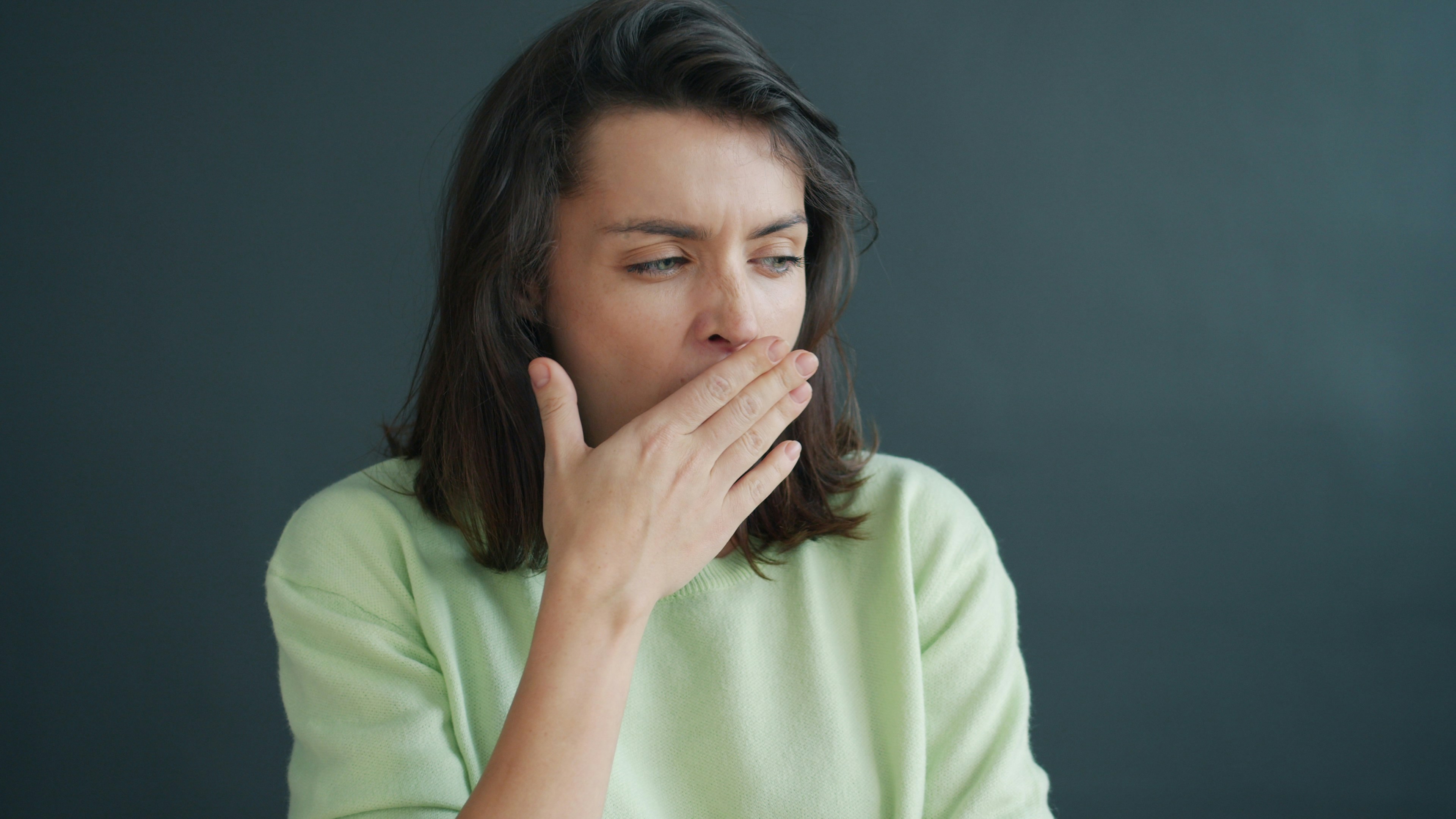
If you’ve been hearing people talk about Ozempic breath, you’re not alone. As this medication becomes more widely discussed, so do the side effects people swap stories about, including bad breath. But is it real? Why does it happen, and what can you actually do about it? In this guide, we break down what’s going on behind the scenes, why some users notice a change in breath, and the simple, everyday habits that can help keep things feeling fresh. Whether you’re researching for yourself or just trying to understand the buzz, you’ll get clear, practical answers without the confusion.
To help with that, MeAgain's GLP1 app offers simple symptom tracking, hydration reminders, and easy oral care tips so you can manage breath odor and feel steady on your regimen.
Summary
Breath changes are a common patient-reported issue with GLP-1 drugs, with the American Dental Association noting that about 30% of Ozempic users report bad breath, and one analysis showed a 15% higher chance of halitosis for semaglutide patients.
Ketosis from steep or prolonged carb restriction produces acetone breath, and adding 15 to 30 grams of a slow carb once daily typically improves odor within 24 to 72 hours if ketones are the cause.
Delayed gastric emptying on GLP-1 therapy can cause burping and stomach-derived mouth odor, and clinicians often log three things over one week to link burps or reflux to injection timing.
Reduced saliva drives classic halitosis pathways, and steady hydration, such as aiming for about 2 liters of water per day, is a practical way to blunt dry-mouth-related odor.
Targeted oral care matters: a routine that includes brushing, tongue scraping, and an alcohol-free antibacterial rinse can cut recurrence; tongue scraping twice a day has been shown to reduce bad breath by up to 50%, and toothbrushes should be replaced every three months.
If self-care does not improve breath within 7 to 14 days, or if bleeding gums, new tooth sensitivity, or chronic dry mouth appear, seek professional evaluation, since documenting changes and timing can cut diagnostic time in half.
MeAgain's GLP-1 app addresses this by centralizing shot reminders, hydration tracking, and side-effect logs so users can spot timing correlations and test targeted fixes.
Table of Content
Does Ozempic Give You Bad Breath?

Yes. Some people taking Ozempic report unpleasant mouth odor, but “Ozempic breath” is a patient-coined term, not an official diagnosis, and it does not occur in everyone. Multiple plausible mechanisms explain why the medication can change breath odor, and those mechanisms point to practical ways you can monitor and manage the issue rather than panic about it.
Halitosis, more commonly known as bad breath, affects approximately 35% of people worldwide and 80 million people in the United States. While many people are aware of the unpleasant consequences of this condition, few know that it can be caused by a variety of underlying medications, including using a GLP-1 (glucagon-like peptide-1) agonist drug like Ozempic.
Why Ozempic May Cause Bad Breath
Notably, halitosis, or bad breath, is not listed as a side effect for Ozempic, Wegovy, Monjouro, or Zepbound. No definitive peer-reviewed study has yet proven causation, though patient reports and preliminary analyses deserve attention. A substantial portion of users describe changes in oral smell or taste, which has pushed clinicians and dentists to look for mechanistic links rather than assume coincidence; in fact, American Dental Association, approximately 30% of Ozempic users report experiencing bad breath, a figure that signals a recurring patient experience needing rigorous follow-up.
At the same time,The Conversation, patients on semaglutide, the active ingredient in Ozempic, have a 15% higher chance of developing halitosis compared to those not on the medication, which suggests an elevated risk profile clinicians should weigh against benefits.
Ketosis
What role does ketosis play in breath changes? When appetite drops and carbohydrate intake falls enough, your body shifts to burning fat for fuel and produces ketone bodies, one of which is acetone. That creates a dry, sweet, sometimes metallic breath quality that people notice quickly.
It is a metabolic signal, not an oral infection, and it will diminish as carbohydrate intake and overall energy balance normalize. I treat it like a clear feedback loop: lower carbs, more ketones, a distinct smell, so tracking macronutrients gives you an early warning.
Delayed Gastric Emptying
Why would slower digestion affect breath? GLP-1 drugs slow gastric emptying, reducing hunger and portion size. Food that lingers in the stomach can undergo partial fermentation, and when gas escapes, the odor can carry into the mouth.
Clinically, this shows up as increased burping and that patient-reported “Ozempic burp.” It is not the same as chronic halitosis originating from oral bacteria, but it can feel identical in social situations because the source is stomach contents rather than oral microbes.
Dry Mouth
How does reduced saliva change things? Saliva washes away debris, buffers acids, and helps maintain oral bacterial balance. When people become dehydrated from vomiting, diarrhea, or simply drinking less because their appetite is low, saliva volume drops, and bacterial activity increases.
That creates classic halitosis pathways: volatile sulfur compounds and other odorous molecules accumulate on the tongue and between teeth. Treating this is partly behavioral, partly clinical, and rehydration and targeted oral hygiene reduce the bacterial load quickly.
Belching, Gerd, and Enamel Risks
What about reflux and acid? People who experience reflux or vomiting can have acid and stomach contents reach the mouth, producing bitter tastes, enamel erosion, and odor.
Repeated exposure leads to sensitive, yellowing, or smaller-looking teeth over time because enamel dissolves in the presence of acid. These are downstream consequences, not inevitable, and they underscore the value of watching symptoms early before damage accumulates.
A Realistic Status Quo Problem, and A Better Path
Most people manage side effects by guessing: changing meals, skipping snacks, or telling themselves bad breath will pass because they read a forum thread. That approach is understandable, but it fragments data across notes, apps, and memory, making it hard to see patterns such as injection timing, hydration dips, or protein gaps.
Solutions like MeAgain centralize shot reminders, water and protein goals, and side-effect logs, letting users spot correlations fast and act on them, reducing anxious guesswork and shortening the time between noticing a problem and fixing it.
Practical Nuance Many Clinicians Miss
What separates a transient odor from a problem needing care? Timing, pattern, and persistence. Breath that follows a specific behavior, like skipping fluids or eating very low-carb for three days, is different from breath that is constant and accompanied by tooth pain, bleeding gums, or enamel changes. I focus on triage: identify whether the source is metabolic, gastric, or oral, then target the weakest link. That prevents unnecessary antibiotics, stops overreaction, and protects dental health.
How I Track And Judge Severity in Practice
When I assess a patient, I log three things over one week: fluid intake and urine color; macronutrient ratios and unusually low carbs; and any GI events, like burping or reflux, tied to injection timing.
A consistent association between an injection window and morning burps points to delayed gastric emptying. Persistent bad breath, poor salivation, or gum disease shifts the focus to oral care. That method provides straightforward, actionable steps rather than vague advice.
Small, Vivid Analogy to Bind the Idea
Think of your mouth and stomach as two rooms with a door between them. GLP-1 drugs slow the housekeeper in the stomach, so the kitchen smells linger longer; at the same time, if the bathroom (saliva) is dry, there is nothing to mop the floor. Addressing both rooms stops the odor faster than treating only one.
The frustrating part? This isn't the end of the story, and what comes next will change how you act.
Related Reading
How Long Does Diarrhea Last With Mounjaro
How to Manage and Prevent Ozempic Breath

Yes. You can sharply reduce or prevent Ozempic-related breath issues by turning vague fixes into a simple, repeatable routine that tracks what you do and when you do it. Below are concrete steps you can implement today, with exact timing, technique, and what to log so you can see cause and effect instead of guessing.
How Should I Schedule My Hydration to Actually Help?
Start by spacing fluids so your mouth never gets parched. Aim to drink water steadily through the day rather than gulping it all at once; drinking at least 2 liters of water daily can help reduce the symptoms of Ozempic breath
Practical rhythm:
One 250–350 ml glass within 30 minutes of waking
A 150–250 ml sip every 20–40 minutes while you’re awake
Plus another glass with each meal
Track urine color as an immediate biofeedback signal. Pale straw is good; dark yellow means add another glass. If you notice breath worsening overnight, move one of your carbs or a small protein-and-carb snack to late evening; that can blunt overnight ketone spikes that contribute to morning odor.
What Exact Oral-Hygiene Moves Actually Change The Smell?
Upgrade from “brush and floss” to a three-step microhabit that takes two minutes more but cuts recurrence.
First, brush with a fluoride toothpaste for two minutes, focusing on slow strokes and the gumline; replace your toothbrush every three months.
Second, use a tongue scraper with firm, forward strokes five times, rinsing between passes, because using a tongue scraper twice a day can reduce bad breath by up to 50%.
Third, follow with a 30-second rinse with an alcohol-free antibacterial mouthwash containing cetylpyridinium chloride or a similar ingredient, not immediately after fluoride brushing if you want the fluoride to sit on the teeth.
Log the time of each step for three days and compare notes to when breath problems showed up; patterns often appear in the timing, not the technique.
What Dietary Changes Reduce Ketosis-Related Odors Without Wrecking Weight Loss?
You do not need to abandon lower-calorie goals to avoid ketone breath, but you must avoid extreme carb cuts for multiple consecutive days. If you are noticing breath changes, add a modest 15–30 gram slow carb source once daily for 24–72 hours, think a small sweet potato or a cup of berries with yogurt, and monitor whether breath improves the following morning. Choose fiber-rich carbs that blunt ketone production rather than spike glucose.
Also, prioritize complete proteins at meals to stabilize metabolism and reduce prolonged fat-burning windows, which can increase acetone production. Use a simple log: note carbs eaten, time, and morning breath score for one week; you will usually see improvement within two nights if ketosis was the cause.
What Quick Lifestyle Tricks Work When You Need Instant Relief?
Carry pocket-sized tools that buy you time socially. Xylitol gum or mints to stimulate saliva and suppress odor-producing bacteria, a slight spritz of alcohol-free mouth freshener, and a travel tongue scraper. Avoid smoking and reduce late-night alcohol, both of which dry the mouth and magnify odor.
If reflux or burps precede the breath change, try an upright posture after meals and avoid lying down for at least two hours post-meal, and note whether changing the injection timing shifts those episodes. Keep a single-note timeline on your phone so you can match a breath flare to a behavior within a 24-hour window.
When Should I Bring This Up With a Dentist or Prescriber?
If simple self-care and the minor dietary tweaks above do not improve breath within 7–14 days, or if you add persistent gum bleeding, new tooth sensitivity, chronic dry mouth, or worsening reflux, see a professional.
Dentists can run a focused exam for oral infection, salivary flow testing, and targeted treatments such as prescription mouth rinses or saliva substitutes; prescribers can evaluate whether dosage timing or an alternative therapy would reduce gastric or metabolic contributors. Document what you changed and when for your appointment, because specific time-linked notes cut the diagnostic time in half.
The Benefit of Integrated Health Management Platforms
Most people handle breath problems by trying one tip, then moving on, which is understandable when routines are busy and information is scattered. That approach works for occasional issues, but it fragments evidence, so you miss clear links between injection timing, hydration, and breath spikes.
Platforms like MeAgain centralize water and protein goals, shot reminders, and side-effect logs, letting users spot those correlations quickly and change one variable at a time, which shortens the path from noticing a problem to fixing it.
Think of the Mouth Like A Small Garden
Consistent watering, daily soil sweeping, and targeted pruning prevent most odors before they take hold. That still leaves one question that changes everything about how you manage these routines.
Related Reading
Download our GLP-1 app to Turn Your Weight Loss Journey into Your Favorite Game
If you're starting Ozempic, Wegovy, or Mounjaro and feel anxious about muscle loss, constipation, or sudden meat aversions and shrinking glutes, try a practical system that turns the daily work of protein, fiber, water, and movement into habits you actually keep.
MeAgain already shows real traction with over 100,000 downloads on the Google Play Store and a 4.5-star rating from users, centralizing shot reminders, side-effect logs, personalized protein and hydration goals, and a Journey Card so you stop guessing and protect your muscle, digestion, and confidence.
Related Reading
Foods to Avoid on Semaglutide
Mounjaro Heartburn
Diarrhea on Zepbound