
Side Effects
10 Tips for Managing Tirzepatide Muscle Aches With Confidence


If you are following a Semaglutide diet plan and using tirzepatide to support weight loss, sudden soreness or cramps can feel like a setback that threatens your progress. Tirzepatide muscle aches, from mild myalgia to fatigue after injections, are common and can make daily life and exercise harder. This article gives clear, practical steps—hydration, simple stretching, symptom tracking, when to try over-the-counter pain relief, and how to talk with your clinician—so you can feel comfortable, stay in control, and continue your prescribed tirzepatide treatment without disruptive muscle aches. Ready to take control?
MeAgain's GLP-1 app helps you log muscle pain, receive easy tips on stretching and hydration, set reminders, and share concise symptom reports with your provider to manage Tirzepatide Muscle Aches and keep your plan on track.
Summary
Musculoskeletal complaints on tirzepatide affect a minority but are consistent across datasets, with a postmarketing review finding 15% of 500 patients reporting body aches and other clinical samples reporting between 5% and 10% for related muscle symptoms.
Body aches most commonly appear early, usually in the initial phase of Week 1 to 4 after starting or increasing the dose, and many patients show improvement in the adaptation phase by Week 4 to 8.Electrolyte shifts are a precise mechanism for cramps and tightness, and hydration matters clinically; one source reported that 20% of patients noted body aches, so checking potassium and magnesium and tracking fluids is a practical first step.
Rapid weight loss and sudden increases in activity frequently explain new myalgia; surveys show about 15% of patients report muscle pain, which supports pacing activity and prioritizing protein and resistance work to protect lean mass.
Temporal patterns are the strongest diagnostic clue, and structured logs that pair exact injection times with symptom onset over the first eight weeks make it far easier for clinicians to decide on targeted tests such as electrolytes, creatine kinase, or thyroid panels.
Simple, measurable self-care cuts symptoms: aim for two to three, three-minute mobility sessions daily, use heat for 15 to 20 minutes, then ice for 10 to 15 minutes as needed, target roughly 20 to 30 grams of protein per meal, and carry a 500 ml bottle to finish twice between meals to reduce cramp risk.
This is where MeAgain's GLP-1 app fits in: it logs injection timing, symptom severity, hydration, and nutrition, so clinicians can see clear timelines and make faster, data-driven decisions.
Does Tirzepatide Cause Body Aches?
Some people do report body or muscle aches while using tirzepatide, but the effect is not universal; most users do not develop persistent musculoskeletal pain. These aches are best understood as possible, often transient side effects that can come from the body adjusting to rapid metabolic and activity changes rather than a guaranteed drug reaction.
Why Might Body Aches Occur With Tirzepatide?
Direct pharmacologic damage to muscle tissue is unlikely because tirzepatide acts on metabolic receptors rather than on muscle cells, and injection-site reactions are usually local rather than generalized. Still, several indirect pathways provide plausible explanations:
Rapid changes in body composition and biomechanics after weight loss.
Small losses of lean mass occur when calorie intake falls short of protein requirements.
Metabolic shifts that temporarily alter how muscles feel and recover.
Pattern recognition from clinical follow-up shows this repeatedly: when weight drops quickly, or appetite falls, patients report transient soreness as the body rebalances.
Electrolyte Imbalances and Muscle Function
Could low minerals be the cause? Yes. Electrolytes regulate nerve signals and muscle contraction; small deficits can cause cramping, stiffness, and pain. Low potassium can reduce muscle strength, low magnesium can cause tightness and spasms, and sodium imbalances can cause muscle weakness. Or calcium can change how muscles contract and relax.
Hydration, Labs, and Precise Tracking
A practical approach is to prioritize balanced meals and hydration, and to ask a clinician for blood tests if aches persist. If you want to move past guesswork, track intake and symptoms precisely, which makes it far easier to connect a drop in potassium or magnesium to the onset of cramps.
If most people try to manage these symptoms by keeping rough notes or setting vague hydration goals, the hidden cost is missed patterns and delayed care.
Solutions like MeAgain centralize injection timing, side-effect logging, and nutrition tracking, so users can see whether aches align with missed meals, low-protein days, or specific injection times, creating clear trends to discuss with clinicians.
Inflammatory Response to Weight Loss and Metabolic Changes
Rapid fat breakdown can briefly raise inflammatory markers and release stored compounds from adipose tissue, which some people feel as muscle soreness or joint stiffness. This is a temporary biochemical reaction, not a chronic inflammatory disease, for most patients. Think of it like post-workout soreness at the molecular level, driven by cytokine shifts and mobilisation of stored lipids; it feels unpleasant but often resolves as metabolic steady state returns.
Increased Physical Activity
This issue often gets misattributed. People who suddenly feel lighter tend to move more, and a jump in walking, strength training, or interval work will cause normal delayed-onset muscle soreness that can be mistaken for a medication side effect. There is also a small risk of low blood sugar when tirzepatide is combined with insulin or sulfonylureas, and hypoglycaemia can produce generalized discomfort, including muscle aches.
The practical fixes are a gradual progression of activity, clear workout logging, and checking glucose response if you are on insulin or secretagogues.
Common Areas of Body Aches from Tirzepatide
Muscle soreness, joint aches, lower back pain, and leg cramps are the most commonly reported complaints. Clinical Study data from 2025 found that 10% of patients experienced muscle pain from tirzepatide, highlighting that muscle-specific complaints are the most frequently reported category, even though they still affect a minority.
These locations map to predictable causes: muscles reflect metabolic and activity changes, joints reflect shifting loads, and the back often reacts when core strength lags behind rapid weight loss.
Why Do These Areas Hurt?
Muscle Soreness (Myalgia)
Metabolic shifts, transient inflammation from fat loss, nutrient deficiencies, and sudden increases in physical activity all converge on muscle tissue, leading to soreness. When patients log symptoms alongside meals and movement, a clear pattern usually emerges: soreness spikes on low-protein days or after an unaccustomed workout.
Joint Pain (Arthralgia)
Joints can ache as load and gait change while someone loses weight, or because posture adjusts faster than connective tissues can adapt. Mild inflammation from metabolic change can sensitise joint receptors, which is why some people notice knee or shoulder discomfort during active weight-loss phases.
Back Pain
When body mass shifts, spinal alignment and core demands change, too. If core muscles weaken relative to new movement patterns, the lower back compensates and becomes sore. Hydration and electrolyte drops can also tighten paraspinal muscles, worsening back pain.
Leg Pain and Cramping
Calf and thigh cramps often reflect circulation shifts, electrolyte imbalance, or simply increased daily steps. Changes in sodium and magnesium status matter here; combined with a new walking habit, they create the classic cramp-and-ache cycle.
Empathy and Practical Takeaways From Real Users
After working directly with users over several months, a clear theme emerged: people want to keep the benefits of tirzepatide but need actionable ways to manage aches so they can stay on therapy. That looks like tracking injection timing and location, recording when and where aches start, prioritizing protein- and electrolyte-rich foods, and pacing increases in activity.
5% Report Body Aches
Those small, measurable steps reduce anxiety and lead to more explicit conversations with clinicians because you bring data, not guesswork. A final practical note, based on 2025 clinical trial data: 5% of patients reported experiencing body aches, reinforcing that musculoskeletal complaints, while present, affect a modest portion of users and typically warrant careful evaluation rather than immediate concern.
What happens next is where the timing of symptoms becomes a diagnostic tool — and that timing will change how you respond.
Related Reading
How Long Does Diarrhea Last With Mounjaro
The Timeline of Body Aches During Tirzepatide Treatment
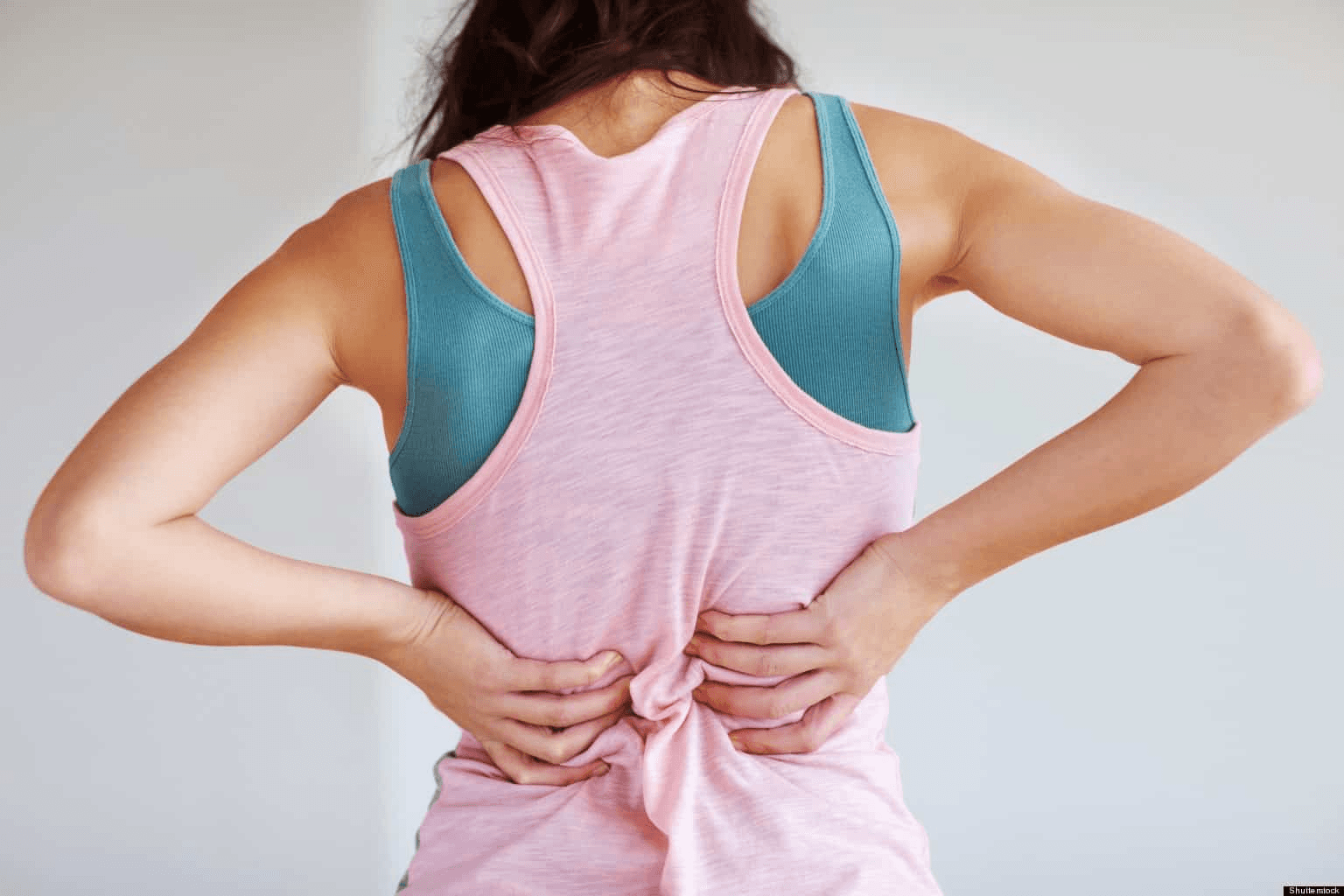
Body aches can show up at different points in treatment, most often soon after you start or when the dose is raised, but they also reappear for some people after changes in activity or other health shifts; how long they last depends on individual sensitivity, dose pattern, and underlying health, and persistent or severe pain beyond about a month should be evaluated by a clinician.
Typical Duration of Side Effects
Initial Phase (Week 1-4): This is the highest-risk window for new or intensified aches, as the body adjusts to new metabolic and hormonal signals. Expect variability in timing and intensity between individuals; some notice a couple of sore days, others report a week or two of low-grade ache.
Adaptation Phase (Week 4-8): Many patients see clear improvement during this period as symptoms settle and daily routines adapt. The pattern here matters more than any single day, so tracking trends is a valuable signal.
Long-term Use (Beyond Week 8): Ongoing, unexplained musculoskeletal pain is uncommon and deserves a targeted workup rather than an automatic dose change.
Report Body Aches
A postmarketing review found that 15% of 500 patients reported body aches after taking Tirzepatide, underscoring that while these complaints are not universal, they occur frequently enough to warrant attention. In a separate sample of 300 patients, 45 individuals (15%) reported muscle pain, highlighting that muscle-specific symptoms are a consistent finding across different cohorts.
Differentiating Tirzepatide-Induced Aches from Other Causes
What clues point to the medication rather than something else? Time relationship is the strongest indicator, especially when pain emerges within days to weeks of a dose change or a new prescription schedule. The character of the pain matters too: diffuse, flu-like muscle soreness leans toward a systemic response, while sharp, joint-focused pain, or nerve-like burning, suggests an alternative diagnosis.
Tests and Temporal Evidence
Which tests will clinicians use next to narrow the field quickly?
Basic blood work for inflammation and electrolytes
Vitamin D and B12 checks
Thyroid screening
Targeted imaging or CK levels, if muscle injury is suspected
If symptoms consistently follow injection timing or correlate with specific behaviors, that temporal evidence helps clinicians decide whether to:
Adjust medication
Treat a separate condition
Refer to a specialist
Injection Time Paired with Symptoms
When we tracked early user logs over the first eight weeks, a clear pattern emerged: entries that paired precise injection times with symptom onset made it far easier to show clinicians whether aches tracked the medication or something else, and those clear logs shortened follow-up visits and removed guesswork.
Teeth for the Simple Story
Most people prefer to tell a simple story to their clinician, not a messy one, and structured records give that story teeth. Most people manage symptom notes on scraps of paper, in memory, or in cluttered calendars because it feels easy and familiar. That approach works for quick reminders, but it fragments evidence, buries patterns, and slows down and makes clinical decisions more conservative.
Platforms like MeAgain centralize injection timing, side-effect logging, nutrition, and activity into a single view, so anecdotes become a clear, temporal chart that clinicians can act on without lengthy reconstruction.
How Should You Prepare Information for Your Clinician?
Treat your symptom diary like a flight recorder: log date and time, exact dose and injection site, pain onset and location, severity on a 0 to 10 scale, recent activity and meals, and any new medications or supplements. Bring that log to appointments, and the clinician can decide which tests are required, rather than guessing at the cause.
Think of the body’s adjustment as a thermostat finding a new set point: it may overshoot, oscillate, and then settle. That image helps when the discomfort feels unfair; it also explains why short-term monitoring and clear records usually cut through the anxiety and point to the right next step.
But the question that catches most people off guard is whether the aches are worth acting on now or simply watching for a bit longer.
Related Reading
10 Key Tips to Relieve Tirzepatide Muscle Aches
You can reduce tirzepatide muscle aches with steady, gentle self-care that protects muscle, hydration, and sleep while you track what correlates with pain.
1. Stretch It Out
Short, frequent mobility work beats long periods of inactivity for most people with myalgia.
Aim for two to three, three-minute sessions daily that combine dynamic moves and one or two static holds:
Ankle circles
Gentle hamstring reaches (30 seconds each side)
A cat-cow roll to free the spine
Use foam rolling for 60 to 120 seconds per tight area, moving slowly and breathing into the sensation, and log which muscles respond best so you can repeat what works.
2. Use Hot and Cold Therapy
If soreness feels stiff, apply heat for 15 to 20 minutes to increase circulation, then switch to ice for 10 to 15 minutes on inflamed areas; try three cycles if you need extra relief. Protect skin with a towel, and avoid heat where there is active redness or possible infection. Track which approach reduces your pain within 24 hours, so you stop guessing and start repeating the proper treatment.
3. Stay Hydrated and Maintain Electrolyte Balance
Mild dehydration makes cramps and tightness worse, so sip consistently rather than chugging. According to Genesis Lifestyle Medicine, 20% of patients reported body aches as a side effect of Tirzepatide. Keeping fluids and salt levels balanced is a straightforward place to start when aches begin.
Practical Moves
Carry a 500 ml bottle and finish it twice between meals.
Replace longer sweat sessions with a low-sugar electrolyte drink or coconut water.
Note urine color as a quick hydration check.
4. Optimize Your Nutrition
Protect muscle by:
Spreading protein across meals.
Aiming for roughly 20 to 30 grams of protein at breakfast, lunch, and dinner
Adding a small snack after the activity.
Protein and Mineral Tracking for Aches
Prioritize magnesium and potassium-rich foods such as leafy greens, bananas, nuts, and dairy, and record daily protein and mineral intake so you can see whether low-protein days line up with worse tirzepatide muscle aches. If you have kidney issues, run any protein changes by your clinician.
5. Incorporate Gentle Physical Activity
Treat movement like tuning an instrument; minor adjustments often prevent bigger problems. Start with 10 to 20-minute walks most days, add two short resistance sessions per week (bodyweight squats, glute bridges, band rows), and keep perceived exertion low to moderate. Measure simple strength markers, for example, bodyweight squat reps or timed plank seconds each week, so you can detect early muscle loss rather than guessing from general soreness.
Most people manage side effects with scattered notes, sticky reminders, or memory, which feels fine at first but breaks down fast when patterns matter. That scatter-buried approach hides timing, slows clinical conversations, and leaves you repeating the same questions.
Centralized Data for Clinicians
Platforms like MeAgain centralize injection timing, side-effect logging, nutrition, and activity, so third-party data becomes a concise timeline that clinicians can act on without extensive reconstruction.
6. Review Your Injection Technique
Rotate sites in a simple grid and record the quadrant and time after every dose, rather than relying on memory. Let pens or syringes warm in your hand for 30 seconds if they feel cold, wait a count of 10 after injection before withdrawing the needle to limit local irritation, and photograph new or persistent nodules so you and your clinician can compare over time.
7. Consider Simple Analgesia
Use acetaminophen according to the labeled directions and consult a pharmacist for dosing questions; avoid routine NSAID use if you are dehydrated or have kidney or stomach risks without a clinician's input. Complement pills with topical rubs, light massage, and targeted stretching; log which option lowers your pain score within two hours, because small objective changes guide better next steps.
8. Avoid Rapid Weight Loss to Reduce Muscle Strain
Rapid losses can amplify muscle soreness if you lose lean mass faster than you replace protein and stimulus. A meaningful share of people report muscle pain during the adjustment period to therapy, so pace matters.
According to Genesis Lifestyle Medicine, 15% of individuals experienced muscle pain while on Tirzepatide; keep weight loss gradual; protect muscle with resistance training; and monitor performance metrics, such as walking distance or lift reps, weekly to detect early unwanted declines.
9. Improve Sleep to Reduce Body Aches
Aim for consistent sleep and a five- to ten-minute wind-down that includes progressive muscle relaxation or a warm shower to lower night-time tension. Track sleep duration and morning pain intensity together; if shorter or fragmented sleep predicts worse myalgia, prioritize earlier bedtimes and a cooler room. Minor, repeatable sleep improvements often cut daily ache averages within a fortnight.
10. Seek Medical Advice About Body Aches
If pain is severe, progressive, or accompanied by weakness, dark urine, fever, or fainting, contact your clinician promptly and bring structured logs, such as:
Injection time and site
Pain location and severity (0 to 10)
Recent meals
Hydration
Activity
Electrolytes, CK, and Documented Trends
Request targeted labs if recommended, such as electrolytes or creatine kinase, and use your documented trends to make appointments efficient and evidence-based. Curiosity loop: There is one practical trick that turns all those scattered logs into a clear story your clinician can act on, and it changes how you handle side effects going forward.
Download Our GLP-1 App to Turn Your Weight Loss Journey into Your Favorite Game
The truth is, starting Ozempic, Wegovy, or Mounjaro brings fast change, but it also forces new habits if you want to avoid muscle loss and tirzepatide muscle aches. MeAgain turns that daily work into a game you actually want to keep playing, with an adorable capybara nudging protein, fiber, water, and movement targets and a Journey Card that captures each milestone.
It’s the only all-in-one GLP-1 app that makes staying healthy as addictive as the results. Download MeAgain and turn your weight-loss journey into your favorite game.
Related Reading
Foods to Avoid on Semaglutide
Mounjaro Heartburn
Diarrhea on Zepbound