
Side Effects
How To Prevent Hair Loss on Ozempic & Protect Your Hair Growth Cycle

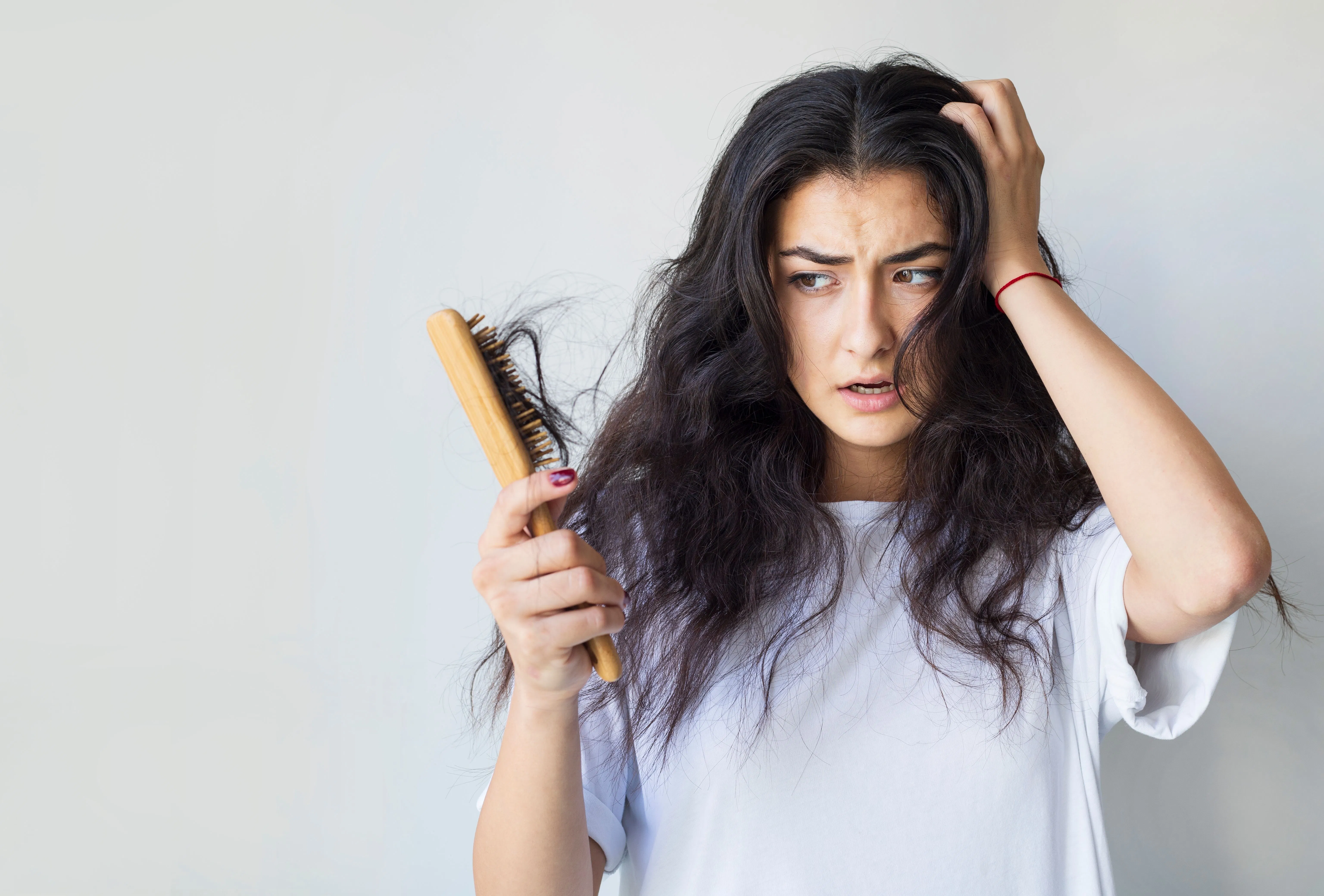
If you’re taking Ozempic and starting to notice more strands in your brush or shower drain, you’re not alone, and you’re not imagining it. While Ozempic doesn’t directly cause hair loss, the rapid changes your body goes through during weight loss can sometimes disrupt the hair-growth cycle. There are practical, healthy ways to support your hair and protect its growth while staying on track with your goals. In this guide, we’ll break down why hair changes can happen and what you can do to keep your hair feeling strong, steady, and supported throughout your journey.
To help with that, MeAgain's GLP-1 app makes it simple to track symptoms, meals, and medications so you spot patterns in reflux and hair loss and get tailored, practical tips. Use it to test minor fixes like timing meals or adjusting supplements, and feel more in control of your digestion and hair health.
Table of Contents
Summary
Most GLP-1-related hair loss fits the telogen effluvium pattern, a stress-driven shift in the hair cycle that commonly occurs 3 to 6 months after starting treatment, suggesting a delayed systemic response rather than direct follicle damage.
Rapid weight loss is an apparent trigger, with clinical guidance noting that 5% to 15% of people experience hair loss during rapid weight loss because ongoing calorie and protein restriction prolongs the shedding phase.
Appetite suppression on GLP-1 meds can cause nutrient shortfalls that slow regrowth. Because some users lose up to 10% of their body weight, clinicians recommend maintaining daily protein and iron intake to preserve lean mass and hair-building substrates.
Differential diagnosis matters, since telogen effluvium presents as diffuse thinning rather than the patterned recession of androgenic alopecia, and early recognition within the 3 to 6 month window changes the tests and timelines clinicians use for recovery planning.
Practical monitoring and targeted labs are key; check iron, vitamin D, and zinc when shedding persists, and short-term tracking of protein and symptoms for 8 to 12 weeks helps identify patterns before making major medication or diet changes.
Small behavioral changes reduce risk and support recovery, for example, cutting heat and tight styles, pausing harsh chemical treatments, and adding brief stress-lowering practices, such as 10 minutes of breathwork or a short walk after meals, to limit chronic physiological stress.
MeAgain's GLP-1 app addresses this by centralizing injection logs, meals, and symptom tracking so users and clinicians can spot correlations between dosing, reflux, and hair shedding and test minor fixes.
Why Does Ozempic Cause Hair Loss?
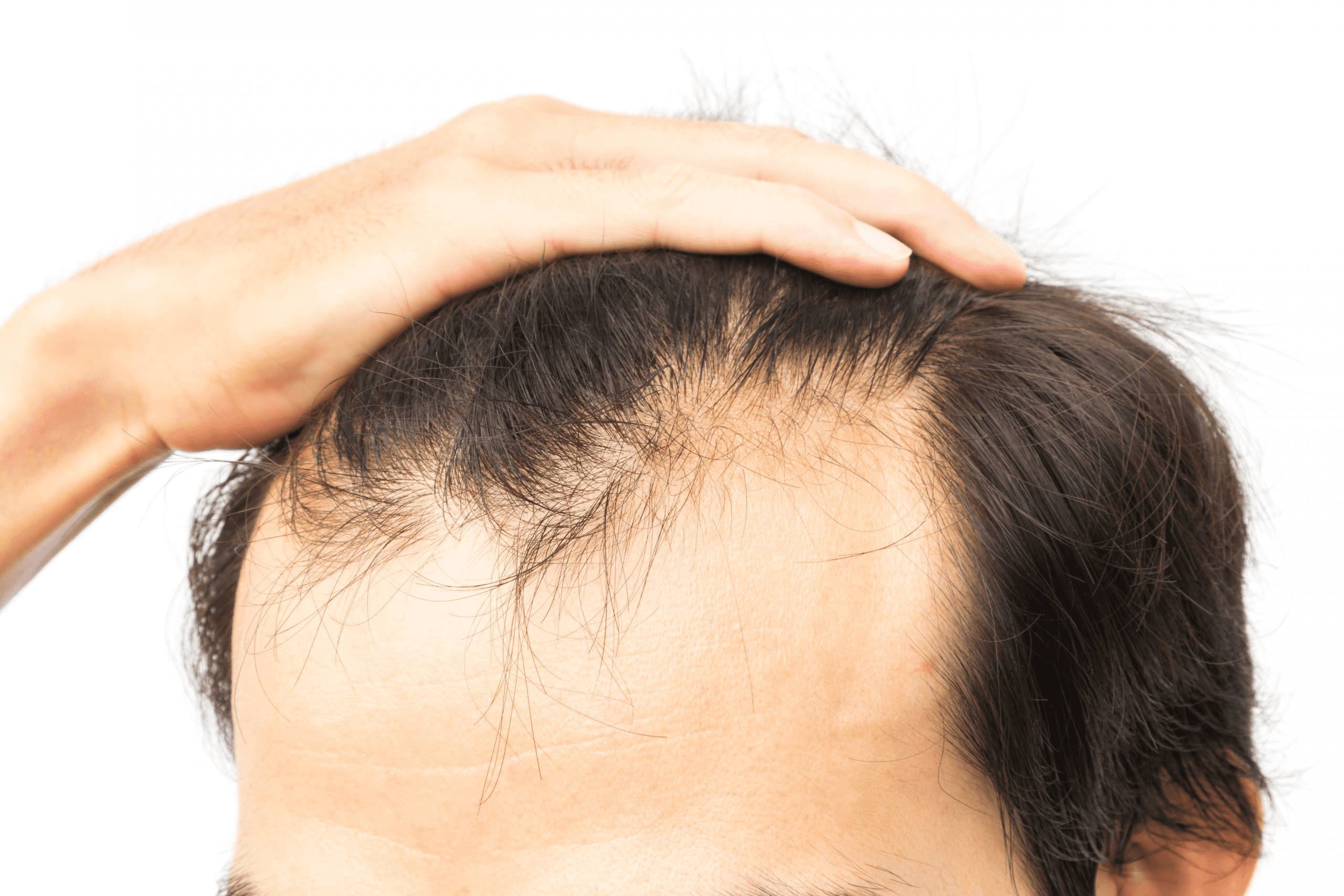
Hair loss after starting a GLP-1 is usually not the drug attacking your follicles; it is the body responding to a change. Most cases trace to rapid weight loss, nutritional gaps, hormonal shifts, or sustained physiological stress, and only a minority of patients experience significant shedding.
What Causes Sudden Hair Loss?
Telogen effluvium is the most common mechanism, a shock to the hair-growth cycle that pushes more hairs into the resting phase and then out. Triggers range from childbirth to endocrine shifts and dramatic reductions in calorie or protein intake; because GLP-1 therapy often produces steady, ongoing weight loss, that weight change can act as a continuous stressor, prolonging shedding. Clinical guidance indicates that hair shedding usually occurs after a delay, typically 3 to 6 months after starting Ozempic, which aligns with the timing of telogen effluvium.
GLP-1 Hair Loss vs. Other Forms of Hair Loss
Telogen effluvium presents as diffuse thinning across the scalp, not the patterned recession of androgenic alopecia or the patchy bald spots of alopecia areata. The diagnostic clue is the sudden, widespread increase in shed hair rather than isolated patches or a changing hairline. This distinction matters because it changes the tests you order, the counseling you give, and the timeframe you set for recovery.
Nutritional Deficiencies
Appetite suppression can unintentionally reduce total protein, iron, zinc, and other micronutrients that support hair growth. The pattern is predictable: insufficient dietary protein shortchanges the hair’s building blocks, and iron depletion in women is especially likely to slow regrowth. Put another way, rapid weight loss carries real tradeoffs, which is why clinicians note that 5% to 15% of people experience hair loss during rapid weight loss, reinforcing the need to monitor intake while losing weight.
Hormonal Changes
GLP-1 medications mimic a hormone involved in glucose regulation, and shifting insulin and related endocrine signals change metabolic priorities. Those metabolic shifts do not directly “kill” follicles, but they can nudge the hair cycle out of sync, particularly when combined with calorie restriction or sudden loss of body mass.
Stress
Chronic physiological stress, whether from illness, surgery, or continuous weight loss, amplifies telogen effluvium. The emotional toll is real; I’ve worked with clients who felt their identity shaken when brittle hair and diffuse thinning appeared, which then increased anxiety and deepened the cycle. That emotional feedback loop makes rapid detection and practical support more critical than abstract reassurance.
When the Familiar Approach Breaks Down, What Usually Happens?
Most people track side effects in scattered notes or memory because it feels familiar and straightforward. That works until patterns slip through the cracks, nutritional shortfalls go unnoticed, and weeks pass before anyone connects the dots between injections, appetite changes, and hair shedding. Platforms like MeAgain change that workflow by centralizing injection logs, protein and hydration tracking, and symptom entries, so clinicians and users can spot correlations earlier and act on them faster without juggling spreadsheets.
Is Ozempic Hair Loss Permanent?
No, in typical telogen effluvium, the hair returns once the trigger eases and nutritional or hormonal imbalances are corrected, but recovery can take months because hair grows slowly. If shedding is severe or regrowth stalls, a clinician will screen for iron deficiency, thyroid disease, and other causes and consider targeted treatments. Think of it as a field regrowing after a drought; it needs steady resources and time, not panic.
Related Reading
How Long Does Diarrhea Last With Mounjaro
How to Prevent Hair Loss on Ozempic
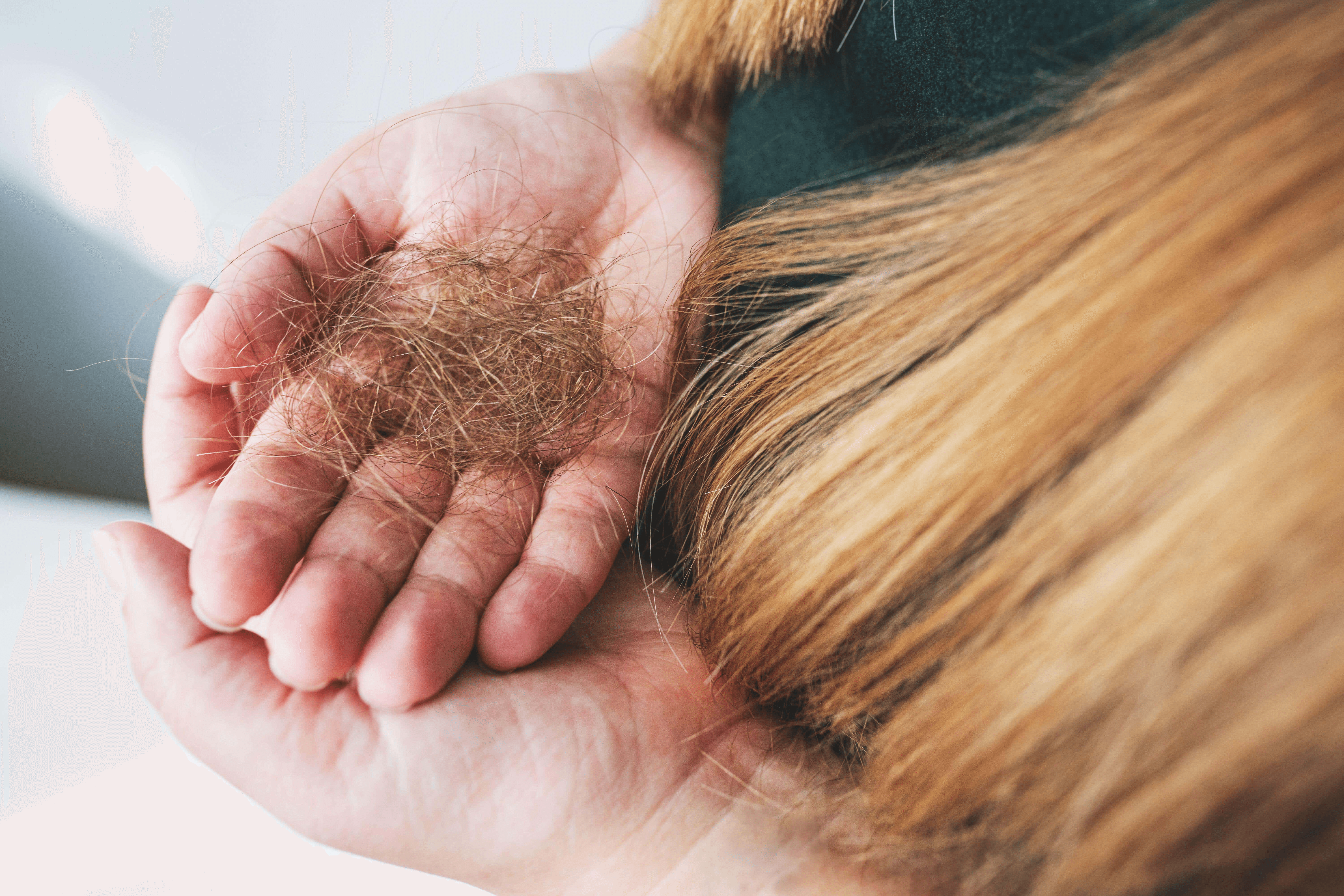
If you are a woman noticing hair thinning while on Ozempic, start with practical, non-medical steps you can control and pursue medical checks in parallel, so you protect your hair while keeping your overall plan on track. Focus on steady nutrition, targeted self-care, and an evidence-first conversation with your clinician to separate temporary shedding from other causes.
How Should I Check My Hormones and Why Does It Matter?
When we worked with women juggling perimenopause and weight loss, the pattern became clear: unrecognized hormone or thyroid shifts prolonged shedding and increased anxiety. Ask your clinician about a baseline panel that includes thyroid function and sex hormones, and time tests according to your menstrual cycle if you still cycle. Low estrogen and untreated thyroid issues change the hair cycle, so confirming those numbers gives you a clear path forward rather than guessing.
What Should I Do About Diet and Misleading Quick-Fix Plans?
The familiar approach is to chase rapid results with extreme diets because they promise fast weight loss and quick validation, but that often removes the calories and protein hair needs. Instead, set daily protein targets that you can log consistently, prioritize whole foods, and avoid multi-week fasts unless supervised by a clinician. Because Ozempic users can lose up to 10% of their body weight, plan your nutrition to protect lean mass while you lose fat.
How Should I Think About Postpartum Hair Loss Versus Medication Effects?
If you recently gave birth, expect a separate pattern of shedding tied to childbirth and recovery; postpartum thinning affects many new mothers and usually resolves on its own. That context helps you avoid needless changes to your medication or diet when the cause is transient.
When Should I Call My Healthcare Professional?
If shedding is sudden, widespread, or accompanied by other symptoms, make an appointment. Confirming whether you have telogen effluvium or another diagnosis is essential because the treatment path and prognosis differ. Don’t stop or change medications without professional advice.
Which Meds and Products Should I Review First?
Review every prescription and over-the-counter product with your clinician, because some drugs contribute to hair loss. Give your hair a chemical break: pause harsh color treatments, perms, and straightening until growth steadies. Swap harsh shampoos for gentle, sulfate-free formulas that preserve scalp health.
How Should I Change Styling Habits and Tools?
Tight ponytails, frequent heat, and heavy styling products amplify stress on follicles. Choose loose styles, air-dry more often, and use low-heat settings. Treat your hair like a fragile fabric: reduce friction, avoid rubber bands, and sleep on a silk or satin pillowcase.
How Can I Lower Stress to Protect Hair Growth?
Stress is a common trigger that deepens shedding cycles, and continuous weight loss can act as a chronic stressor. Build small, daily practices that lower tension, such as 10 minutes of breathwork, a short walk after meals, or a nightly wind-down routine. Those tiny habits cut the background noise so your hair’s recovery can proceed uninterrupted.
Should I Check Nutritional Labs and Supplements?
Check iron, vitamin D, and zinc if you notice persistent shedding or if your diet has narrowed. Supplement only when labs show deficiency, and you have medical guidance, because more is not always better. Focus first on a balanced diet that includes lean protein, legumes, nuts, and whole grains, then use targeted supplements when needed.
What If I Want to Track Changes and Spot Patterns Earlier?
Most people track side effects in scattered notes because it feels familiar and straightforward, and that works until signals get buried and you miss the moment to adjust. That hidden cost means weeks pass before anyone connects injections, appetite shifts, and hair thinning. Platforms like MeAgain centralize injection logs, protein and hydration tracking, and side-effect notes, helping users spot correlations sooner and schedule tests or diet tweaks before shedding peaks.
Related Reading
Download our GLP-1 app to Turn Your Weight Loss Journey into Your Favorite Game
The critical difference between steady recovery and unexpected setbacks is making protective habits small, consistent, and rewarding. Consider MeAgain. It turns daily work into a pocket game with an adorable capybara that nudges you toward protein, fiber, water, and movement goals, and captures your transformation on a Journey Card so you can protect your progress and remember every milestone.
Related Reading
Foods to Avoid on Semaglutide
Mounjaro Heartburn
Diarrhea on Zepbound