
Side Effects
How To Combat Mounjaro Fatigue and Elevate Your Wellness


Starting a medication like Mounjaro can be an exciting step toward better health, but feeling more tired than usual can make the process frustrating. If you’ve noticed your energy dipping, you’re not alone; fatigue is common during adjustment. The good news is that there are simple, supportive ways to help your body adapt and regain balance. This guide will provide practical tips to boost your energy, stay consistent with positive habits, and feel more confident as you continue your wellness journey.
To support those adjustments, MeAgain's GLP-1 app provides simple tracking, reminders, and on-demand tips to help steady your energy levels, manage Mounjaro side effects, and stay on track with your Semaglutide Diet Plan.
Summary
Fatigue is a variable but real side effect, reported by about 15% in a 2023 clinical trial and roughly 10% in real-world reports, even though trials may have been below the 5% threshold needed to label it as a common side effect.
Most energy dips occur early, with approximately 30% of patients experiencing fatigue during the first few weeks; symptoms typically improve within 2 to 6 weeks.
Multiple overlapping mechanisms drive tiredness, including reduced calorie and nutrient intake and slower gastric emptying. Aim for 20 to 30 grams of protein per meal to help maintain energy and muscle.
Targeted habit changes can have a meaningful effect, with patients reporting a 20% increase in energy after dietary adjustments. Short, frequent movement, such as three 10-minute walks, is more effective than a single intense session during the adjustment period.
Sleep and hydration are powerful levers. Use a 20- to 30-minute wind-down, get 10- to 20-minute morning light exposure, avoid caffeine after midday, and sip approximately 150- to 250-ml every 30- to 60-minute interval to reduce dehydration-related fatigue.
If fatigue is severe, worsening, or persists beyond two to six weeks, seek clinical review for hypoglycemia, thyroid dysfunction, or iron deficiency, and log glucose and symptoms so clinicians can diagnose causes rather than guessing.
MeAgain's GLP-1 app addresses this by providing simple tracking, reminders, and on-demand tips to log meals, doses, hydration, sleep, and symptoms, thereby making patterns more transparent for both patients and clinicians.
Can Mounjaro Make You Tired?
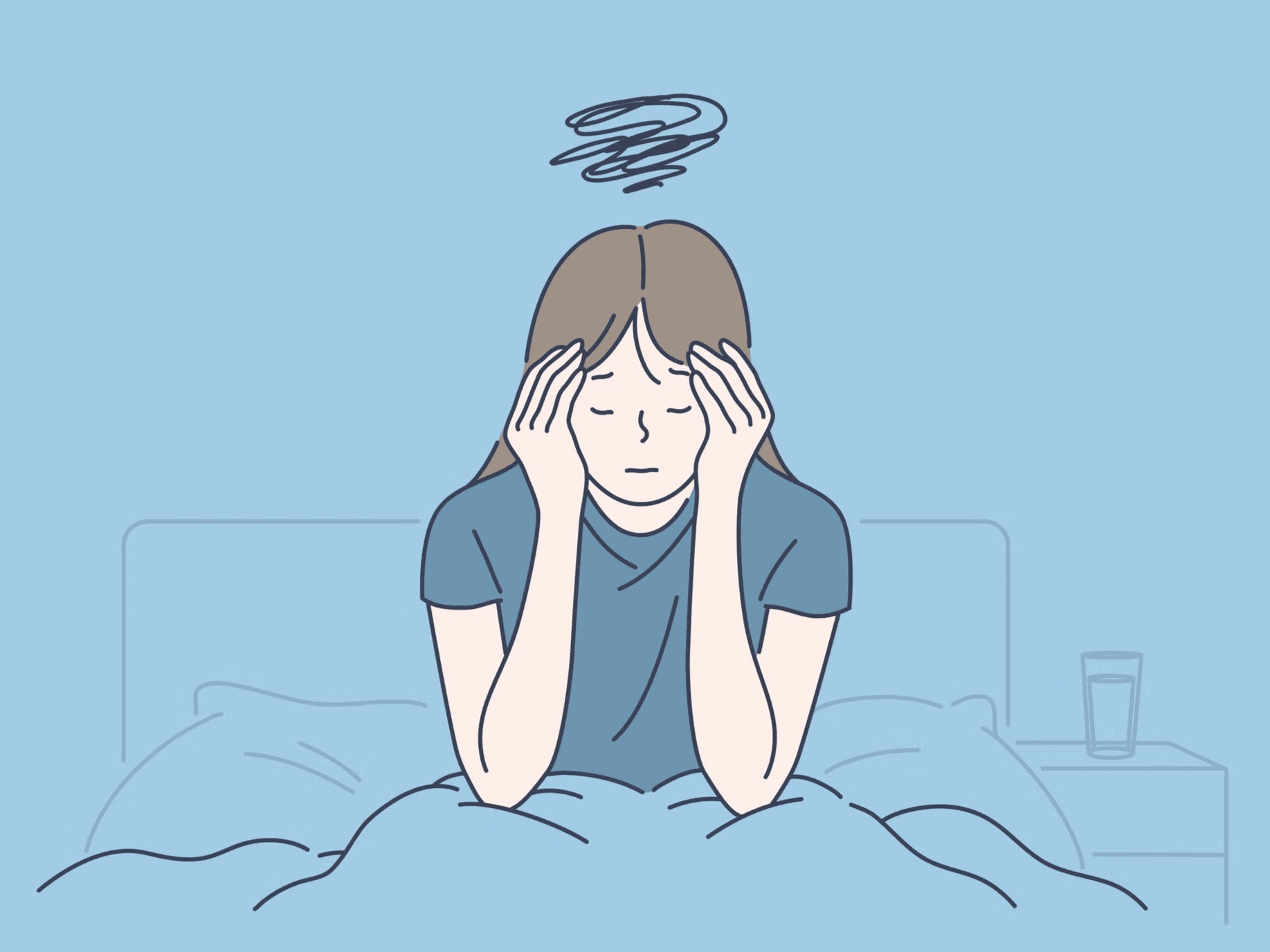
Yes. Mounjaro can make you tired. For some people, low energy may appear early as the body adjusts to changes in appetite, digestion, and blood sugar, but it is not guaranteed and is usually not severe.
Any new or worsening tiredness should be reported to your healthcare provider so they can rule out other causes or adjust treatment.
The Incidence and Variability of Mounjaro Fatigue
Not everyone will experience fatigue with Mounjaro, but it’s a common Mounjaro side effect. It affects between one in 10 and one in 100 patients. This variation is real: some people experience no change, whereas others notice a dip in energy that appears disproportionate to the dose.
A 2023 clinical trial found that 15% of patients reported fatigue while on Mounjaro, indicating that fatigue occurred in controlled study groups, although it did not become a flagged, universal complaint. In everyday use, those numbers shift; in 2023, real-world user reports indicated that approximately 10% of users felt tired after starting Mounjaro, underscoring how real-world experiences can differ from trial results.
Why Fatigue Wasn't on the Initial FDA Label
When Mounjaro first received approval, the Food and Drug Administration (FDA) did not list tiredness as a potential side effect. The FDA noted the trials were tightly controlled, and that matters.
Trial participants often do not have the same mix of health conditions, medications, or lifestyle factors as people in the general population. That gap explains why a side effect that was rare or subtle in trials can be more visible once millions use the drug.
Tiredness is Often Temporary: Navigating the First Few Weeks of Mounjaro
For tiredness to be listed as a common side effect, it must have occurred in at least 5% of participants. Trials may not have reached that fatigue threshold, even though some participants reported fatigue when a medication scales to millions, rare or contextual effects become more noticeable, which is why individual reports and clinic follow-ups matter.
Most patients experience fatigue when starting Mounjaro, and it’s usually temporary. This often shows up in the first few weeks as appetite, digestion, and dosing all change at once.
The expectation we work with is improvement:
As calorie intake stabilizes
Dose escalation slows
Hydration and nutrient intake are optimized
Why Does Mounjaro Make You Tired?
We do not have definitive clinical mechanisms linking Mounjaro to fatigue, but the drug’s actions suggest several plausible routes. Mounjaro mimics GIP and GLP-1 hormones, slows gastric emptying, reduces appetite, and alters blood glucose dynamics, thereby allowing fatigue to arise from multiple, overlapping causes rather than a single pathway.
You’re Eating Less
After working with people starting GLP-1 therapies, the pattern became clear: reduced appetite can mean fewer calories and fewer nutrients, and that shows up fast as low energy. Laura Perez, Lead Dietitian, notes that significant reductions in intake can decrease nutrient density, thereby directly affecting energy.
Tracking protein and total calories during the first weeks helps prevent inadvertent energy deficits.
Mounjaro Impacts Your Hormones
This medication alters signaling related to hunger and glucose metabolism. That shift alters metabolic set points while your body adapts, and adaptation takes energy. Expect some short-term drag as the brain and gut recalibrate to new hormone cues.
Side Effects Can Cause Fatigue
Nausea, vomiting, and diarrhea increase the risk of dehydration and electrolyte loss, both familiar and easily overlooked causes of fatigue. When symptoms are present, replacing fluids and electrolytes and documenting frequency helps clinicians determine whether the drug, another medication, or an unrelated illness is driving the fatigue.
Mounjaro Might Affect Your Sleep Cycle
This treatment signals to regions of the hypothalamus that regulate:
Hunger
Mood
Sleep
For some people, this disrupts sleep patterns and reduces restorative sleep, thereby exacerbating daytime tiredness. Tracking sleep alongside mood and shot timing can reveal if energy dips follow disturbed nights.
Your Blood Sugar is Low
Mounjaro is glucose-dependent; when used with sulfonylureas or insulin, it can cause hypoglycemia. Hypoglycemia can also occur with GLP-1 therapy.
Symptoms such as weakness, dizziness, and shivering suggest you should check your blood glucose and contact your clinician.
Tracking for Clarity: Replacing Guesswork with Usable Clinical Patterns
Most people manage early fatigue by waiting and guessing when to adjust meals or timing. That approach feels familiar and straightforward, but it buries the cause and wastes time, because isolated guesses do not reveal patterns across:
Dose
Food
Symptoms
Platforms like MeAgain let users schedule shots effectively, log meals, set protein and water targets, and track fatigue and sleep, so patterns emerge quickly, and clinicians see actionable data rather than a string of anecdotes.
How Long Does Mounjaro Fatigue Last?
This challenge appears consistently across cases: energy tends to improve once intake, dosing, and hydration stabilize for most people, which takes two to six weeks.
If fatigue persists beyond that window or worsens, the next step is a clinical evaluation for hypoglycemia, thyroid dysfunction, iron deficiency, or other causes unrelated to the medication.
Validation Through Data: Proving Your Fatigue is Real
It’s exhausting when others don’t recognize this as real, and that lack of validation is precisely why tracking and sharing clear data matters.
That confusion is where everything gets interesting, and the next piece shows how to turn those early, frustrating weeks into measurable gains.
Related Reading
How Long Does Diarrhea Last With Mounjaro
How to Combat Mounjaro Fatigue

Small daily changes will move the needle faster than heroic efforts. Focus on consistent sleep, steady meals that pack protein and micronutrients, gentle movement, and deliberate hydration, then track those habits so you can spot what actually helps you recover energy.
Approximately 30% of patients experience fatigue during the first few weeks of Mounjaro treatment; therefore, plan for a short adjustment period and provide practical tools to manage fatigue.
Eat Enough Nutrient-Dense Food
How Can I Get Energy From Smaller Meals?
If appetite is low, volume is not the only way to refuel. Aim for 20 to 30 grams of protein at each meal; use high-quality liquids such as Greek yogurt smoothies or protein-fortified soups when solids are difficult to tolerate; and prioritize iron-rich greens, whole grains, and healthy fats to prevent micronutrient deficiencies.
Patients reported a 20% increase in energy levels after implementing dietary changes, according to The Independent Pharmacy, which shows small, targeted food swaps can produce measurable benefits. Track meal timing and protein goals to see which combinations help maintain steady energy throughout the day.
Exercise Regularly
What Sort Of Movement Helps Without Making Fatigue Worse?
Short, frequent movement is more effective than a single intense session. Try three 10-minute walks, morning stretching with dynamic reaches, or gentle pool laps, and treat these as energy investments, not punishments.
Increase intensity only when your day-to-day energy is reliably higher for two weeks. Log activity and perceived energy after each session so you know whether walking, yoga, or light strength training actually lifts your afternoon slump.
Build a Sleep Routine
How Do I Make Sleep Start Working For Me Again?
Think of sleep like a daily savings account: small, consistent deposits compound. Go to bed and wake up at the same time every day, use a wind-down ritual that lasts 20 to 30 minutes, and keep the bedroom cool and dark.
Use a simple sleep log to match nights to next-day energy, and adjust timing in 15- to 30-minute increments rather than large jumps to avoid backsliding.
Manage Stress Levels
What Helps When Mental Tension Eats My Energy?
Short, repeatable practices beat rare, long sessions.
Two minutes of paced breathing at:
A tense moment
A 5-minute walking break after a stressful call
A hobby that reliably shifts mood will protect your daytime energy
When stress spikes coincide with lower food intake or disrupted sleep, record those moments so that patterns become visible rather than mysterious.
Stay Hydrated
How Should I Hydrate If I’m Nauseous Or Not Drinking Much?
Sip frequently rather than gulping. Small, scheduled sips of about 150-250 mL every 30-60 minutes, when tolerated, keep tissues perfused without upsetting a sensitive stomach.
If nausea, vomiting, or diarrhoea occur, prioritize oral rehydration solutions or broths that replace both fluid and electrolytes, and report persistent symptoms to your clinician.
Keep Your Electrolytes Balanced
When Is An Electrolyte Supplement Useful, And When Is It Risky?
Electrolyte loss from vomiting or diarrhoea can manifest as:
Low energy
Muscle weakness
Lightheadedness
Simple food-first fixes include:
Low-sodium broth
A banana for potassium
Magnesium-rich seeds
If you remain fatigued despite adequate fluid intake, consider an oral electrolyte product, but do not start supplements, stimulants, or new medications without medical advice; consult your GP or prescribing team first.
Transforming Trial-and-Error into Actionable Clinical Data
Most people handle fatigue by guessing which habit to change, and that approach is understandable because guesswork feels simple. The hidden cost is scattered fixes, false starts, and no usable pattern to share with a clinician, which prolongs the problem and the anxiety around dose changes.
Solutions like MeAgain compress that trial-and-error into readable data by allowing users to schedule shots strategically, track protein and water targets, log side effects and mood, and share clear timelines with their provider so adjustments are purposeful rather than arbitrary.
Establish A Regular Sleep Schedule
What Exact Routine Should I Keep Every Day?
Wake time anchors the circadian rhythm more than bedtime does, so set a consistent wake time even on weekends and back-fill sleep by shifting bedtime earlier by 15 minutes each night until you hit the target.
Record both sleep time and sleep quality to separate duration from restorative rest.
Limit Caffeine And Screen Time
When Should I Quit Caffeine And Screens?
Avoid caffeine after midday to protect sleep consolidation, and dim or remove bright screens for at least 60 to 90 minutes before bed.
If you must use a device late at night, enable low-blue-light settings and keep the screen at arm’s length with reduced brightness.
Exposure To Morning Light
How Much Morning Light Helps Reset My Clock?
Spend 10 to 20 minutes outside in natural light within an hour of waking, or sit by a bright window while you have your first drink.
That light cue sharpens morning alertness and helps anchor night-time sleepiness to the proper hour.
Monitor Your Blood Sugar Levels
When Should I Check My Glucose, and What Should I Look For?
Check your blood glucose levels if you feel shaky, dizzy, or unusually weak, especially when you are eating less or taking medications that can lower your blood glucose.
Log readings alongside meals and symptoms so patterns emerge, then bring that record to your clinician for targeted adjustments.
Consult Your Healthcare Provider
When Does Fatigue Need Medical Attention?
If tiredness is severe, worsens steadily, or persists beyond a few weeks despite improved diet and sleep, seek clinical review to rule out:
Hypoglycemia
Thyroid dysfunction
Iron deficiency
Medication interactions
Also, report persistently:
Vomiting
Diarrhoea
Fainting
Chest pain
Neurological changes immediately
Do not add supplements, stimulants, or other medications without medical approval, because those changes can create new risks. That feels like an ending, but what comes next will make you see these small habits as the beginning of something different.
Related Reading
Download our GLP-1 app to Turn Your Weight Loss Journey into Your Favorite Game
If Mounjaro fatigue has you guessing which small change will actually restore your energy, you deserve a kinder, more straightforward way forward.
Consider MeAgain, the GLP-1 app that turns daily care into a simple, addictive game with an adorable capybara companion and a Journey Card to capture every milestone, so your progress feels real and worth protecting.
Related Reading
Foods to Avoid on Semaglutide
Mounjaro Heartburn
Diarrhea on Zepbound