
Side Effects
Is Semaglutide Belly Fat Loss Real or a Myth, and How Fast Is It?

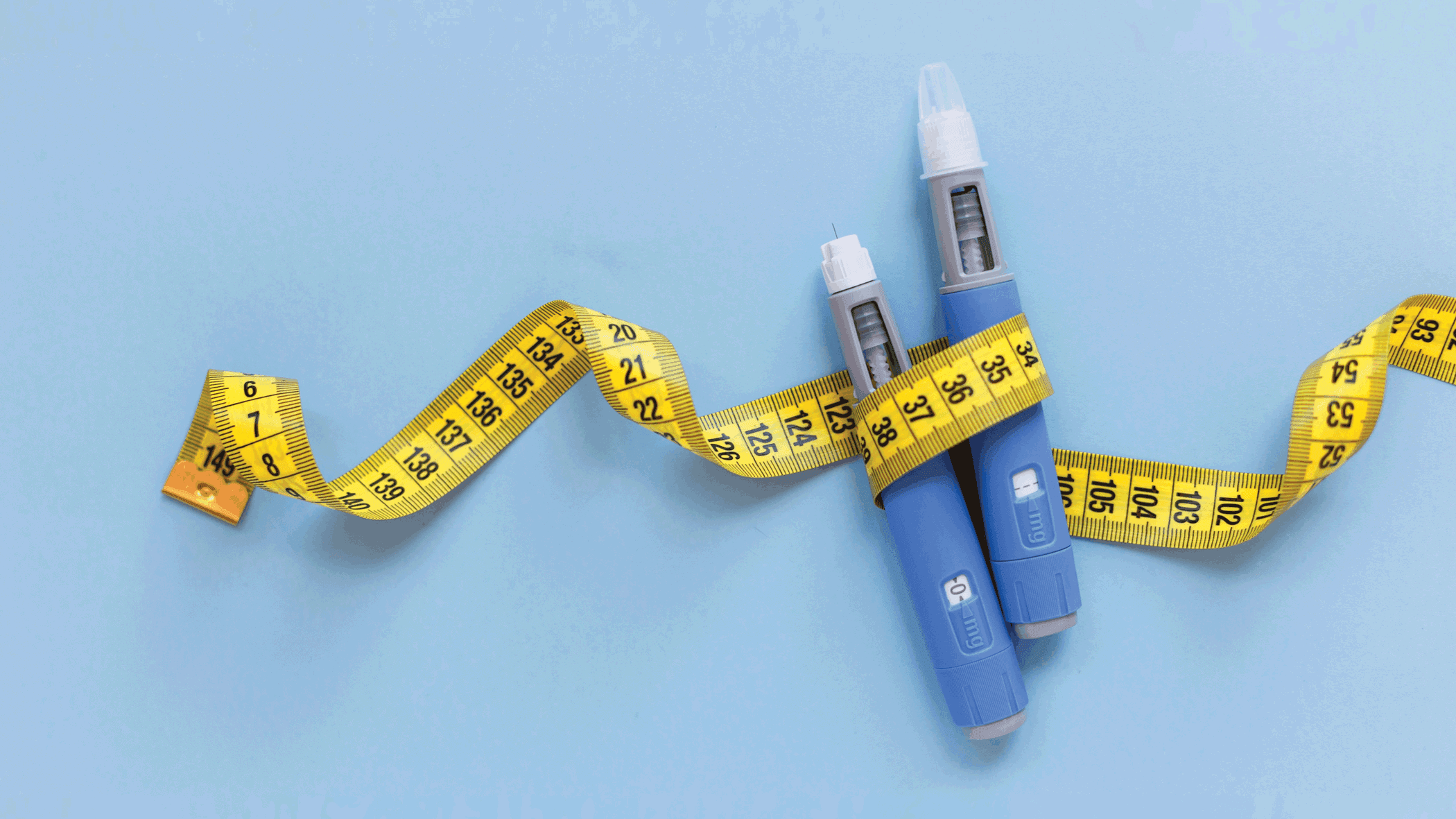
Research shows that semaglutide may reduce stubborn belly fat when used alongside healthy lifestyle choices. Clinical studies and user experiences show promising results, though individual outcomes vary based on factors such as dosing and consistency. The approach targets metabolic processes and appetite control, offering a potential option for those struggling with excess midsection fat.
Tracking progress accurately can make it easier to adjust strategies as needed. Consistent monitoring of weight changes and side effects is essential to gauge effectiveness over time. MeAgain’s GLP-1 app provides tools to track key health metrics and offers insights to support better decision-making.
Summary
Semaglutide drives systemic fat loss rather than spot reduction, as shown in the SEMALEAN study, which reported a 15% reduction in total body fat mass. This explains why waist changes occur as part of overall slimming rather than targeted abdominal melting.
Clinical imaging demonstrates substantial visceral loss; for example, one trial reported a 27% reduction in visceral adipose tissue and a SEMALEAN report documented a 5 kg drop in visceral fat, linking abdominal shrinkage to improved metabolic markers.
Visible waistline changes often lag other improvements; it takes an average of 12 weeks to see significant belly fat differences, so early shifts in appetite, sleep, strength, or labs are more reliable leading indicators than immediate cosmetic change.
Dietary habits drive most long-term weight change. UVM Selfcare estimates that approximately 80% of weight loss comes from dietary changes, and preserving muscle requires deliberate strategies, such as meeting protein targets and engaging in twice-weekly resistance training.
Practical progress depends on structured experiments and consistent measurement. For example, testing one behavior for two to four weeks compresses the trial-and-error loop and reveals directional trends rather than noisy guesswork.
Fragmented tracking and expectation mismatches are a common failure mode: many people see early scale drops but persistent love handles in the first 12 weeks, which breeds impatience and leads to dose tinkering or abandoned routines.
MeAgain's GLP-1 app addresses this by centralizing shot scheduling, protein and water logs, and side-effect tracking so users can run two to four week tests and observe directional trends.
Does Semaglutide Specifically Target Belly Fat or Is That a Costly Myth?
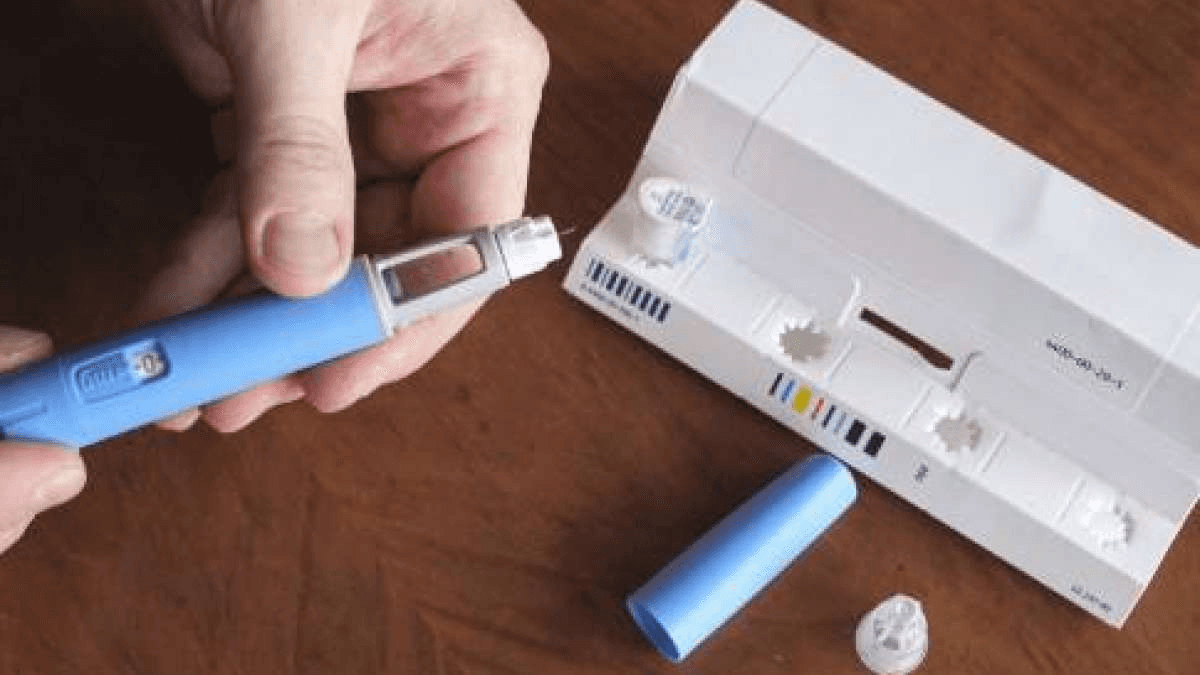
Let’s clarify an important point: No medication or workout can target fat in just one area of the body. This idea, called “spot reduction,” is a myth.
Fat loss typically occurs throughout the body, meaning your body determines where it loses weight based on your genetics, hormones, and body composition. If your waist remains the same while other areas slim down, it indicates the medication is working throughout your body, not just in one area. Not understanding this can lead to unnecessary disappointment.
Appetite Suppression
Semaglutide reduces hunger by acting on the brain’s appetite centers. This leads to natural reductions in food intake and cravings for high-sugar, high-fat foods. When you maintain a calorie deficit, your body begins drawing on stored energy from multiple fat stores. Because abdominal fat is metabolically active, it often shrinks noticeably as total fat mass decreases.
Many people report real changes, like fewer late-night binges and smaller portions within weeks, marking the start of measurable progress. To monitor your journey effectively, consider using a GLP-1 app to track your progress and stay motivated.
Improved Insulin Sensitivity
Semaglutide improves insulin signaling, which shifts how your body partitions fuel and stores fat. Improved insulin sensitivity reduces the metabolic priority on storing abdominal fat, leading to a decrease in visceral fat alongside broader weight loss. Additionally, metabolic markers such as fasting glucose and triglycerides often improve. For people who carry most of their extra weight around the midsection, this enhancement can be the difference between modest slimming and meaningful health gains.
Reduction in Visceral Fat
Imaging studies show that semaglutide's weight-loss effect includes a reduction in visceral adipose tissue. This is the fat that surrounds organs and contributes to heart and metabolic problems. For example, according to Fella Health, the trial showed a 27% reduction in visceral fat among those taking semaglutide. This means that harmful abdominal fat can decrease a lot with treatment. Such reductions in visceral fat help explain why changes in waist size often correlate more closely with lab results and lower inflammation. This happens even if the outer belly fat takes longer to go down.
What Do Studies Show About Semaglutide and Belly Fat?
Clinical trials in the STEP program clearly show significant reductions in both total body weight and fat mass. Notably, abdominal measurements declined alongside overall weight. In a STEP trial, participants who received semaglutide achieved a greater percentage of weight loss than those who received a placebo, and waist circumference decreased significantly in the treatment group.
This shows real changes in abdominal fat rather than just cosmetic differences. Further imaging in the program confirmed reductions in both visceral and subcutaneous belly fat. These changes in body composition are associated with improvements in insulin sensitivity and lipid levels. Overall, these results indicate two main points: semaglutide leads to meaningful abdominal fat loss as part of total weight loss, and the pattern of this loss can vary by individual.
When the outcome diverges from expectations
This is a common experience for patients and pre-surgical clients: they might see weight loss on the scale but still notice stubborn love handles after the first few months. This can lead to impatience and the feeling that the treatment is not working.
The emotional cost is high; it erodes confidence and prompts people to question their diet, exercise, and dosages. Often, the real problem is not the medicine itself, but inconsistent tracking of behavior and unclear feedback loops.
Most people deal with this by keeping notes or using random apps, which feels easy and doesn’t require new learning. This may work at first, but as people try to make adjustments, like changing dose timing, focusing on protein, or doing targeted resistance training, scattered notes can break the feedback loop. Cravings may return at certain times, causing progress to stall.
Solutions like the MeAgain app make it easier to manage shot scheduling, reminders, protein and water tracking, and side-effect logs. This gives users a single view of how timing, hydration, and protein intake relate to cravings and changes in waist size, turning guesswork into measurable trends.
Realistic Expectations
Yes, semaglutide often reduces abdominal fat, but it does so as part of total-body fat loss. No, it will not selectively melt fat from only the abdomen; spot reduction is physiologically impossible. To get the best, sustainable changes, pair medication with consistent, measurable habits: prioritize protein at meals, maintain hydration, add resistance work to preserve lean mass, and track injections and symptoms so you can test what blunts cravings. Those behavior changes are not cosmetic add‑ons; they are the instruments that turn systemic fat loss into visible waistline progress.
Key takeaways
Semaglutide does not produce spot reduction; abdominal slimming happens as part of overall fat loss.
Clinical imaging shows meaningful reductions in visceral fat with treatment, supporting metabolic benefit.
Practical progress depends on behavior and measurement: timing, protein intake, hydration, resistance training, and consistent tracking.
But the real mechanism behind why the body chooses where to burn fat next is more surprising than most people expect.
Related Reading
Why Semaglutide Causes Systemic Fat Loss, Not Belly-Only Loss
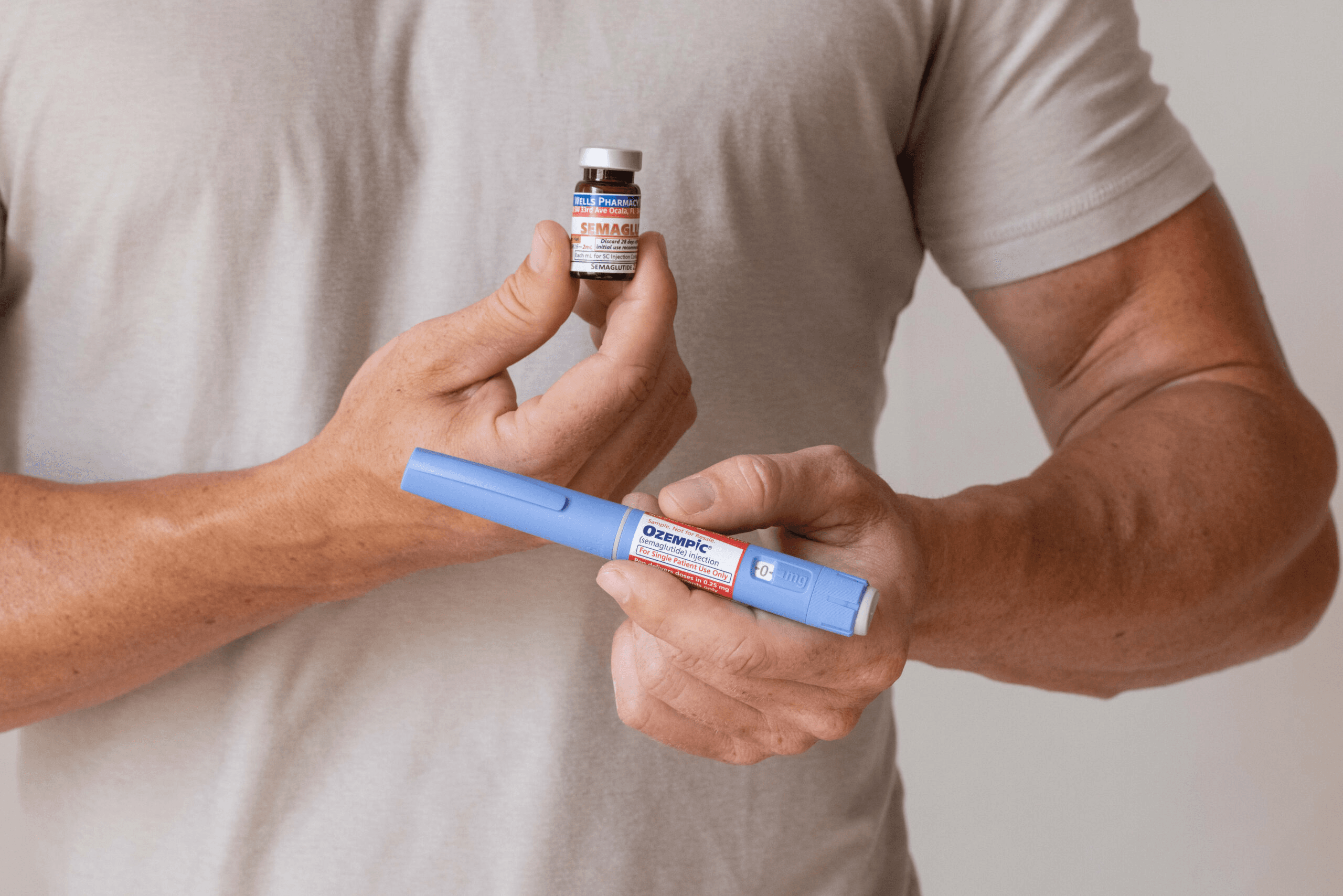
Semaglutide changes energy balance by reducing appetite signals and changing how quickly a person feels full. This change reduces food intake, allowing the body to use more energy from stored fat. As a result, fat loss occurs throughout the body, and the areas that shrink first depend on tissue biology and blood flow, not on any drug choice. If you're looking to learn more about how a GLP-1 app can help you track this process, consider exploring our GLP-1 app for insights and support.
How does semaglutide affect the body's energy management?
It reduces meal size and increases time between meals by altering brain reward and fullness signals. This change reduces daily calorie intake, resulting in a negative energy balance. Maintaining this calorie deficit encourages lipolysis, the process that releases stored fat for energy, and shifts the body's fuel use toward fatty acids. Think of it like turning down the faucet on incoming calories so the house starts to use up its stored firewood.
Why do different fat depots behave as they do?
Fat depots are not identical. Visceral fat has higher blood flow, more beta-adrenergic receptors, and a looser extracellular matrix; as a result, it mobilizes more quickly when the body needs energy.
In contrast, subcutaneous fat, especially in the hips and thighs, exhibits greater alpha2-adrenergic activity and firmer connective tissue, making it harder to shrink quickly.
This explains why some areas appear to decrease more quickly than others, even as total body fat declines.
What does the evidence say about where fat actually comes from?
Clinical imaging shows a pattern throughout the body, not just spot loss. In the SEMALEAN study from 2025, semaglutide treatment led to a 15% reduction in total body fat mass. This suggests that most of the weight loss comes from fat, rather than from temporary water loss.
The same trial in 2025 also noted a 5 kg reduction in visceral fat. This reduction helps explain why metabolic markers often improve alongside changes in waist circumference.
Will you lose muscle, too? How can you protect it?
Some lean mass loss can occur during any weight loss, but muscle preservation is possible through proper nutrition and exercise. By consuming enough protein and engaging in regular resistance training, people can help their bodies maintain muscle.
Evidence shows that clients who track their protein intake at or above recommended levels and participate in strength sessions twice a week tend to retain more lean tissue over a 12-week period. As a result, their progress looks firmer and more functional.
Why do expectations often derail progress, and what breaks the usual approach?
Most people track their progress using scattered notes or their memory because it seems easier. However, this creates blind spots. This common method usually works until cravings, timing, and side effects interact in unexpected ways. When this happens, early successes slow down, and confidence starts to fade.
This hidden cost is significant: progress becomes unclear, and decisions about timing doses, prioritizing protein, or staying hydrated become mere guesses.
How can a different workflow change the outcome?
Most users find that centralized tracking helps address scattered information. Solutions like MeAgain bring together short reminders, protein and water logs, and side-effect entries. This helps users notice patterns quickly.
For example, they can link late-afternoon cravings to missing protein or a timing gap. Teams learn that putting these signals together shortens the experimentation loop. This lets users test a change for two weeks and see clear trends rather than random data.
What breaks when people rely only on guesswork?
Most users track their habits in simple ways because it feels easy and familiar. However, this method often hides the connection between cause and effect. The usual way involves scribbled notes, memory, or different apps. While this might work at first, as factors such as dosage, eating habits, and activity levels change, the logs become confusing, and the connections fade.
The hidden cost is significant: people lose the ability to recognize a waistline plateau caused by inconsistent dosing times, reduced protein intake, dehydration, or injection-site lipohypertrophy. Platforms like the GLP-1 app streamline processes by centralizing shot schedules, logging food with barcodes or photos, mapping injection sites, and tracking protein and water intake, as well as side effects. This gives users a quick view of trends, helping them see which habit changesmade a difference.
How do daily habits tilt the balance toward more fat loss and less muscle loss?
Small habit changes significantly affect the math.
Spreading protein evenly across meals, aiming for about 25 to 30 grams per sitting, supports muscle protein synthesis more effectively than eating most of theprotein in one meal.
Prioritizing higher-intensity resistance training sessions two to three times a week signals the body to defend lean tissue. This also increases local blood flow to the muscles, thereby improving substrate utilization.
Sleep and consistent hydration are crucial as well; insufficient sleep increases cortisol levels and insulin dysregulation, while mild dehydration reduces plasma volume, which may affect exercise performance and favor fat retention.
These are practical levers that can be logged and optimized, highlighting the importance of structured tracking.
What emotional patterns matter and how they affect outcomes?
A common pattern appears in clinical programs and coaching groups: focusing too much on spot loss hurts consistency and increases anxiety. When people think they can only lose weight from their belly, they often look for quick fixes. This often leads them to skip strength training, adjust their protein intake, and forget to drink enough water, resulting in stalled progress.
The emotional benefits of tracking habits are significant; it provides relief and helps people regain a sense of control. When individuals have measurable habits, they can replace guesswork with clear cause-and-effect relationships, helping them stick to good routines.
What practical biological constraints should you plan around?
To achieve faster waist changes, it is important to accept two key constraints. First, while visceral fat is easier to move, it is not always the largest fat store. Second, subcutaneous abdominal fat can be difficult to lose due to local receptor balance and the behavior of connective tissue.
This means that short-term improvements will typically be observed in metabolism and function first, with cosmetic results following. The best approach is to make measurable habit changes alongside patient testing, rather than relying on quick visual fixes.
A quick analogy that helps clients stay grounded?
Think of the body as having several bank accounts: the checking account represents visceral fat, while the savings account symbolizes subcutaneous stores.
Semaglutide reduces how much you spend, allowing withdrawals to start; however, the system determines which account to use based on rules such as fees, access, and account activity, not necessarily the source you want the money to come from.
Key takeaways
Semaglutide helps people lose weight by creating a steady calorie deficit, which makes the body burn stored fat from different areas. The biology of fat storage, blood flow, and the types of receptors present affect which areas lose fat more quickly.
Imaging and trials show meaningful whole-body fat loss and a significant reduction in visceral fat, supporting metabolic improvements.
To maintain muscle, people should focus on getting enough protein and doing resistance training rather than just waiting for results.
Keeping track of injections, meals, and symptoms in a central place helps shorten the trial-and-error period and maintains momentum.
What is the frustrating truth about belly fat’s timing?
The frustrating truth about belly fat’s timing underscores the need for follow-up to change how you judge progress.
Related Reading
Who Should Not Take Semaglutide
Semaglutide Eye Side Effects
Compounded Semaglutide Side Effects
Semaglutide Belly Fat
Semaglutide Visceral Fat
Liraglutide vs Semaglutide
How to Think About Weight Loss Progress When Belly Fat Is the Last to Go
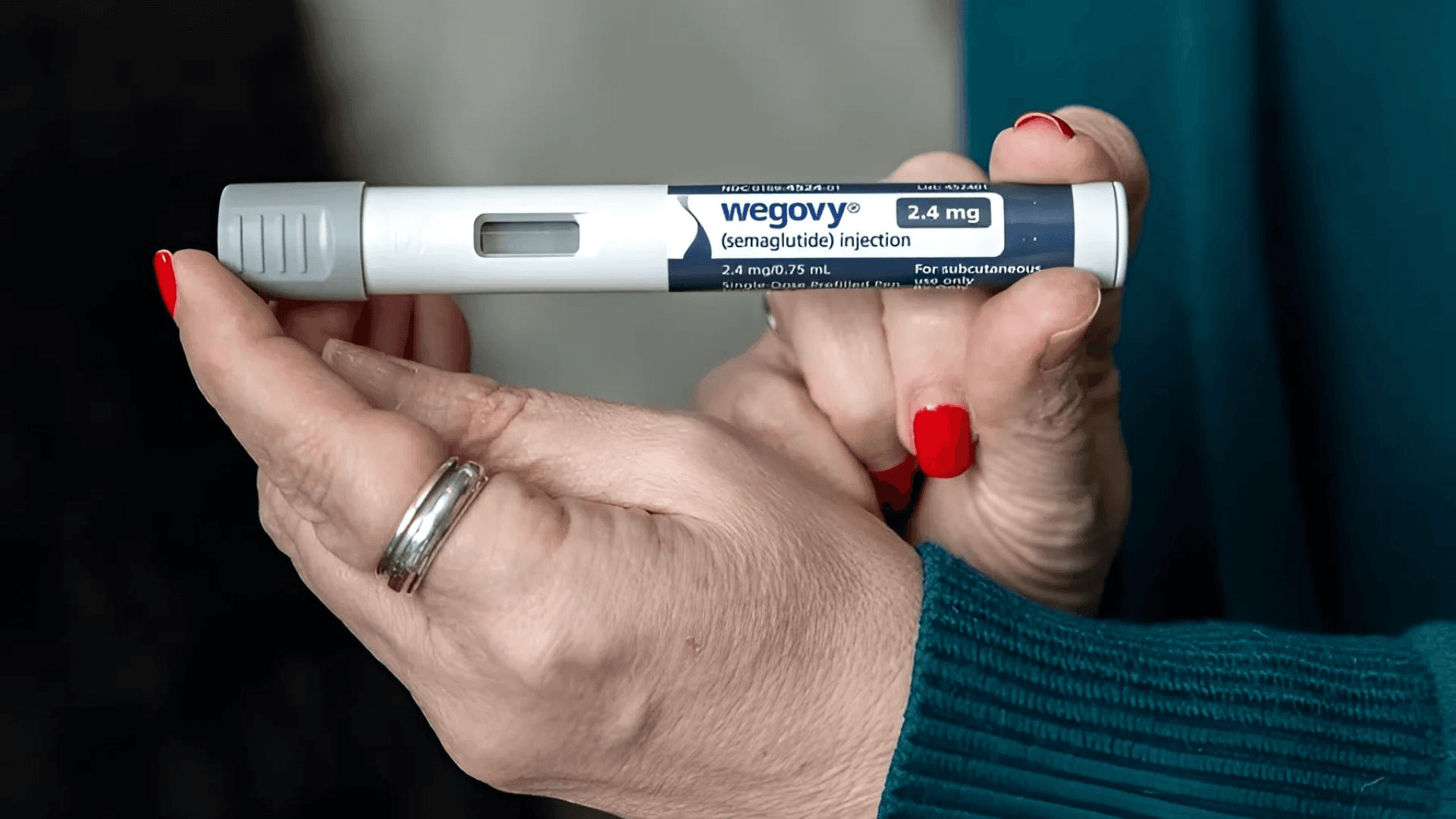
Delayed belly fat loss does not equal failure. When your waistline lags behind while other measurements improve, you are seeing timing, not incompetence. View progress as trends in habits and physiology, rather than a single snapshot. This change in thought helps keep you motivated and reduces stress.
Progress looks different when belly fat remains the same: it is a multi-signal trend, not just a single visual goal. A slow change in the waist does not mean the treatment or your effort has failed. Think in weeks and patterns—changes in appetite, sleep, strength, lab values, and how your clothes fit are all signs of progress long before the mirror shows it. Timelines and goals are best discussed with a qualified healthcare professional.
Why is belly fat so stubborn?
"Belly fat operates under its own special set of rules. Everything from stress to sleep affects how your body stores and releases fat," says Suzanna Thoe, RD, an experienced Registered Dietitian. Even though it may seem hard, you can definitely lose that weight.
Understanding why belly fat is so stubborn is the first step. Moreover, using a GLP-1 app can provide valuable insights into your weight-loss journey.
“You can't spot reduce, no matter how promising the marketing and ads that suggest otherwise,” says Chris Mohr, PhD, RD, cofounder of Mohr Results.
While it would be ideal to focus on losing weight in specific areas, your body determines how it stores and loses fat independently.
Why should you measure progress by trends instead of snapshots?
This is a common pattern: changes in weight and appetite control often occur weeks before you can see visible abdominal slimming. Imaging and clinical follow-ups indicate that improvements in metabolism and visceral fat often precede changes in subcutaneous abdominal fat.
Treat early changes in hunger, fasting glucose, triglycerides, strength, and sleep as indicators to monitor. Also, remember that on average, it takes 12 weeks to see significant changes in belly fat, which is why the mirror may show results later than other metrics.
What counts as meaningful progress when your waistline is stubborn?
Replace a single cosmetic target with a set of measurable signals that can be tracked reliably. Track weekly body weight, waist circumference, and fasting labs when available. Also note strength performance in compound lifts, sleep duration, and daily hunger or craving scores. When these metrics move in the right direction, especially in consistent patterns over multiple weeks, they can predict future abdominal change.
It's also important to remember that diet drives most long-term changes in body composition. This is shown in UVM Selfcare (2025): "Approximately 80% of weight loss comes from dietary changes." Therefore, small, repeatable eating habits matter more than short-lived extremes.
Why does frustration become the real obstacle?
It is exhausting when the scale drops, but love handles remain. This frustration often drives people toward quick fixes, trying different things, or even stopping their routines. This pattern can be seen among people using GLP-1 medications as well as those trying diets on their own: confidence decreases not because of biological failure, but because feedback is often confusing and expectations are based on quick results. The reason for this is predictable, not mysterious.
Broken tracking and unclear short-term goals turn normal biological timing into a feeling of failure.
What practical changes preserve momentum while you wait?
Testing small behavior changes over two-week periods can reveal practical, easy-to-measure, repeatable changes. These changes might include reaching a protein target at meals, staying well hydrated, scheduling strength training twice a week, and tracking sleep.
Short experiments with clear metrics help reduce confusion and prevent emotional reactions from influencing clinical decisions. This process is similar to repainting a room; preparation and priming must come first, since structural work happens before the final coat that makes the room look polished.
How should you handle tracking?
Most teams track their progress with scattered notes because it feels familiar and requires no new tools. While this method works at first, it can become difficult to manage as tracking becomes more complex with dose-timing tweaks, protein targets, and side-effect tracking. The notes can get disorganized, and important patterns might be lost in the clutter.
Solutions like MeAgain bring together shot reminders, protein and water logs, and side-effect entries all in one place. This centralization helps users shorten the experiment loop, allowing them to test a single change for two to four weeks and identify directional trends rather than relying on guesswork. This way, it reduces wasted time and ensures decisions are based on measurable outcomes rather than feelings.
How should you frame timelines and conversations with your clinician?
Set process-based goals that are connected to metrics you and your clinician agree on, like consistent protein targets, twice-weekly resistance sessions, or monthly waist checks. It's more effective to focus on these metrics than a set cosmetic deadline.
Use a realistic baseline that includes the usual 12-week period for abdominal change. Also, think about early wins in appetite, lab results, or strength as progress that deserves recognition.
It's important to talk about expectations and any medication questions with a qualified healthcare professional. They can help explain your individual risk, lab results, and timeline.
What is the significance of tracking progress?
The frustrating pause, often felt, is not a sign of failure; it tests systems rather than willpower.
Keep tracking, testing simple hypotheses, and involving your clinician in the process.
This simple hinge point changes everything about how this phase feels and influences your next actions.
Related Reading
How to Track My Semaglutide Injections?
How Can I Track My Semaglutide Progress?
How Much Protein Should I Eat on Semaglutide
How to Track Food on Semaglutide
Best App for Tracking Semaglutide Results
Semaglutide for Weight Loss in Non-Diabetics: Dosage
Semaglutide Foods to Avoid
How to Inject Semaglutide
Semaglutide Body Composition
What to Do When Semaglutide Stops Working
How to Track My Semaglutide Side Effects?
Turn Belly Fat Frustration Into Progress You Can Track
If you started taking semaglutide and the scale is changing, but belly fat or love handles still stick around, you are not alone. MeAgain simplifies the complex processes of protein, hydration, movement, and shot tracking into a simple, measurable routine. With a capybara guide and a Journey Card that tracks waistline trends, changes in abdominal fat, and side effects, you get clear feedback to protect muscle and make better choices with your clinician. Explore the GLP-1 app's features for detailed insights.