
lifestyle
How Semaglutide Eye Side Effects Happen and What To Do


Semaglutide is an effective tool for weight management that may carry risks to eye health. Being aware of semaglutide eye side effects, such as dry eyes or sudden vision changes, helps patients know when professional care is needed. Recognizing the difference between common experiences and warning signs is key to protecting long-term vision.
Regular monitoring and accurate symptom tracking empower patients to manage their health with confidence. Clarifying which changes should prompt an ophthalmologist visit can lead to timely intervention and peace of mind. MeAgain's GLP-1 app provides tools to log vision changes, set exam reminders, and flag warning signs to support proactive care.
Summary
Regulatory reviews characterize the risk of NAION with semaglutide as very rare, with the EMA estimating NAION at about 1 in 10,000 patients and overall eye-related reports at about 0.01%. The signal is real but low in absolute terms.
Many vision complaints occur regardless of GLP-1 use. QPS estimates that roughly 30% of patients experience vision changes due to underlying causes, and about 20% of people with diabetes report vision changes, which complicates attribution.
Rapid metabolic improvement can unmask preexisting retinopathy, and timing matters because symptoms that appear days to weeks after a dose change provide clinicians with an actionable correlation rather than anecdotal evidence.
A minority of patients report visual side effects with semaglutide; Genesis Lifestyle Medicine notes that about 5% experienced vision changes, a rate that justifies systematic, dated tracking rather than scattered notes.
Some reported series describe a subset that progresses to severe events. For example, DrOracle AI reported that 10% of cases required immediate medical attention, underscoring that sudden, painless monocular loss or a curtain effect should prompt urgent evaluation.
Fragmented tracking delays care, whereas a compact, time-aligned record covering injections, glucose trends, and symptom onset over days to weeks usually converts uncertainty into a focused clinical timeline.
This is where MeAgain's GLP-1 app fits in: it logs date-stamped injections and symptom timelines that clinicians can review to enable faster, more informed triage.
What Are the Most Common Semaglutide Eye Side Effects?

Semaglutide has been linked to rare eye problems in recent reports. While the evidence does not prove that most users are hurt by it, the signal is real but small.
It is important to treat visual changes as signals to monitor and investigate, rather than as proof that the drug caused permanent damage.
Why might semaglutide affect vision?
Clinical practice suggests two possible reasons: rapid metabolic shifts and direct receptor effects. Rapid drops in blood sugar can temporarily alter blood flow and oxygen delivery to the retina, which may reveal or worsen existing diabetic eye disease for a short time. Additionally, GLP-1 receptors are present in retinal tissue, suggesting a biological connection, although uncommon.
The main point is clear: timing matters. A symptom that appears days to weeks after a dose change is more helpful than a vague memory of 'my vision got worse around then.' To help manage side effects effectively, consider using our GLP-1 app for guidance on your treatment.
How does semaglutide relate to diabetic eye disease?
A common clinical concern is the short-term worsening of retinopathy that can happen after significant improvements in glucose control. This pattern is seen with other diabetes treatments; rapid drops in HbA1c can temporarily reveal microvascular stress. Clinically, this presents as increased floaters, blurred vision, or new spots in the vision.
Instead of relying solely on anecdotal evidence, it is important to review symptom logs and medication records. The relevant pattern is found in the correlation by day and dose. This is why keeping a dated symptom timeline can turn a worried story into a clear chart to discuss with an ophthalmologist.
Could semaglutide raise the risk of macular degeneration?
Older adults on GLP-1 therapies have shown a small rise in diagnoses of neovascular, or wet, age-related macular degeneration in some large observational studies. However, the absolute number of additional cases remains low.
This signal appears to strengthen with longer exposure and higher baseline retinal vulnerability.
For clinicians and patients, this means prioritizing baseline retinal imaging for older adults and closely monitoring any new central blurring or distortion.
Is NAION a real concern with semaglutide?
In 2025, the European Medicines Agency reported that 1 in 10,000 people treated with semaglutide may experience NAION. This makes NAION a very rare but serious condition, typically presenting as sudden, painless vision loss in one eye.
The same 2025 EMA review noted that 0.01% of patients using semaglutide reported eye-related side effects, indicating that eye problems are uncommon overall. Even though the likelihood is low, the risk is serious enough that any new, painless vision loss should be evaluated immediately.
Why do the headlines feel louder than the data?
This feels urgent for patients because anecdotes and media amplify rare events into apparent trends. This pattern is clear in clinical intake forms and counseling sessions: after a famous story or lawsuit, visit numbers increase, and many people stop taking their medication without evidence for their choices.
It becomes tiring when a single headline forces you to weigh the risk of chronic disease against the small chance of a serious but uncommon outcome. Utilizing a GLP-1 app can help patients make more informed decisions based on their unique health profiles.
Most people manage this the old way, and it breaks down.
Most patients track side effects with brief notes, their memory, or a few photos on their phone because this method is simple. This approach works until symptoms become hard to notice or timing is critical, at which point important details are missed. Doctors receive incomplete histories, which leads to reactive decisions rather than informed ones.
Solutions like the GLP-1 app bring together injection logs, symptom timelines, hydration, and protein tracking, and create a neat, dated report that patients can share with doctors. This process ensures follow-up is both focused and faster.
Who should be more cautious?
Individuals who are older, have moderate to severe diabetic eye disease, experience crowding at the optic disc, or have uncontrolled vascular risks, like high blood pressure or obstructive sleep apnea, face a higher baseline risk of eye problems.
This pattern is regularly seen: when baseline vulnerability is present, even unusual triggers can cause serious issues. For these individuals, obtaining initial retinal imaging and establishing a clear plan to promptly report any new symptoms are sensible precautions.
How to protect your eyes while using GLP-1 therapy?
Treat visual symptoms as data points, not your fate. Schedule baseline retinal exams as needed, and track any new blurring, floaters, flashes, or sudden vision loss. Write down the date of each symptom and whether it happened after a dose change. Keep your blood pressure, cholesterol, and glucose stable rather than allowing them to fluctuate significantly.
Think of these symptom logs as a flight recorder; they help doctors understand what happened and make faster decisions. By keeping track of injection dates, hydration, protein intake, and side effects in one spot, you turn worry into evidence you can act on. For those using a GLP-1 app, managing these factors can be easier than ever.
How to feel informed about risks and benefits?
It’s understandable to feel torn between the clear benefits of semaglutide and the concerns raised in the headlines. This tension highlights the importance of data-driven tracking, which helps people make informed decisions with a clinician from a place of clarity, not panic.
What changes the interpretation of signal flags?
The crucial factor that changes everything is how people read those signal flags. Understanding this interpretation is important to grasp their meaning. The next section will explore this topic in detail.
Related Reading
Why Vision Changes Can Happen and When They’re Not Caused by the Drug
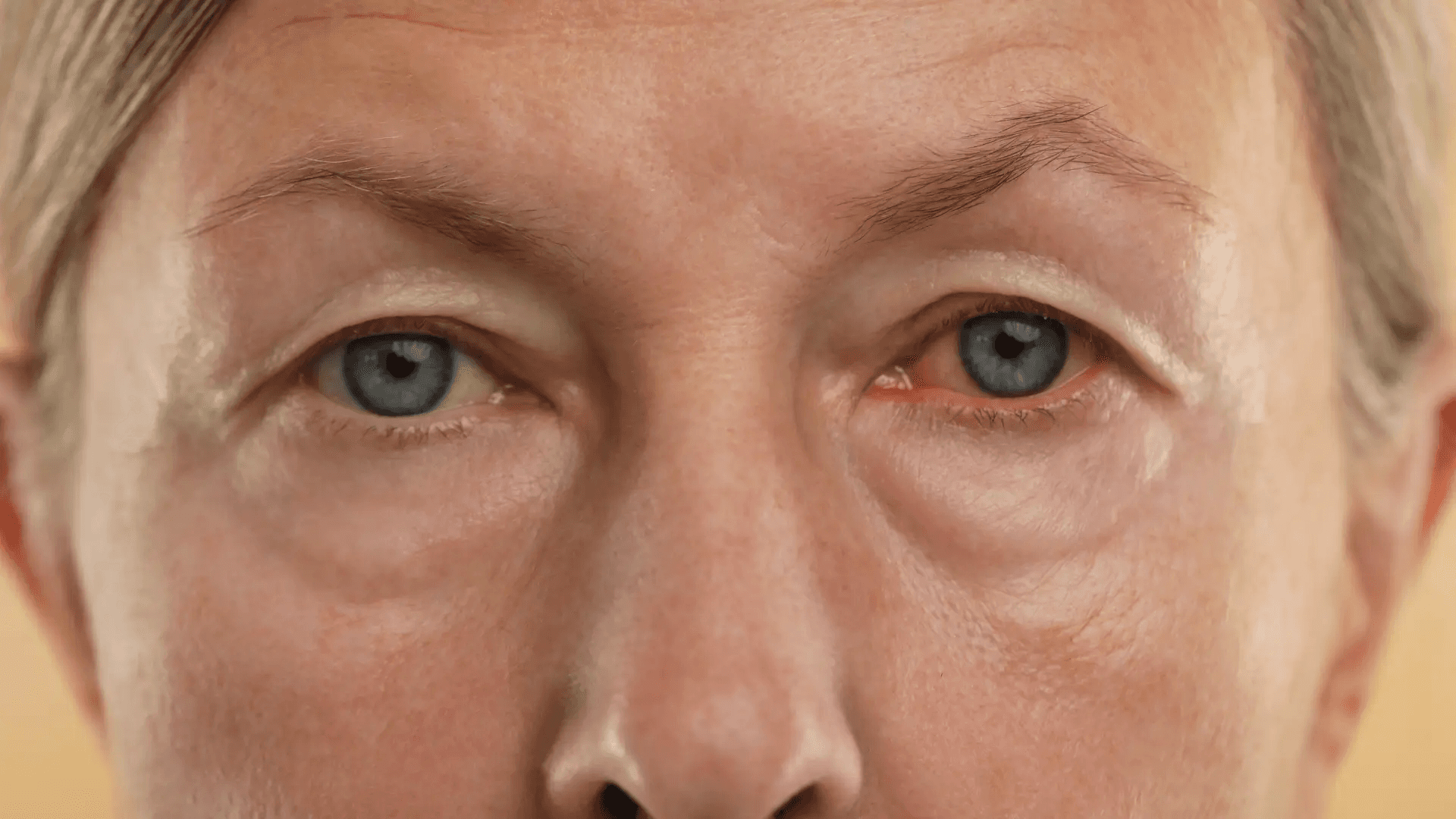
Rapid changes in metabolism and pre-existing eye issues are common causes of vision problems during semaglutide use. Common factors like dehydration, dry eye, and fatigue often make what people notice worse. To prove that the drug caused a change, we need time-stamped data that connects injection dates, blood sugar levels, and when symptoms started. This data helps doctors distinguish between coincidences and actual causes.
Patients using semaglutide have reported different vision-related side effects. These reports often fall into a few patterns: temporary blurriness that resolves, new or increased floaters, and episodes of light sensitivity or difficulty focusing on close objects.
The emotional impact of these experiences is big. Unclear symptoms, along with sudden medical advice, create real anxiety; many patients feel pressured into making important decisions without clear timelines or proof. It's beneficial to explore options for managing these changes, and our GLP-1 app can help you understand your symptoms.
What causes blurred vision?
Blurred vision can happen for several reasons. First, the eye’s focus depends on small balances of fluid and salts, how stable the tear film is, and the shape of the cornea. All of these can change with hydration, sleep, and blood sugar levels.
When blurred vision changes with meals or blood sugar readings, it may indicate glycemic variation. If the distortion is steady at the center, it could suggest retinal swelling. Think of it like a camera lens: changes in humidity or pressure can affect the focus. The right solution depends on whether you need to clean the lens or fix the mount.
What about the appearance of floaters?
Another reported side effect is the appearance of floaters. Floaters usually reflect changes in the vitreous gel or indicate posterior vitreous detachment, both of which are common with age and rapid changes in the body.
A sudden increase in floaters, especially when accompanied by flashes or a dark curtain effect, should prompt urgent evaluation. On the other hand, a slow, steady increase in floaters is typically monitored rather than rushed into surgery.
What do clinical studies reveal about vision changes?
Clinical studies linking semaglutide to vision changes provide various insights. Randomized trials, observational cohorts, and spontaneous reports each offer different types of evidence. Mixing these without proper context can lead to confusion. Trials provide controlled denominators, but their exposure durations are limited.
On the other hand, post-marketing reports capture rare and delayed events but may be subject to reporting bias. Observational studies also need to address confounding by indication, meaning that sicker patients are more likely to receive treatment and to have eye disease. Therefore, when interpreting signals, focus on how they change absolute risk in meaningful ways, rather than just whether a relative risk ratio appears high.
How prevalent are vision changes?
Prevalence and Severity of Vision Changes. Background rates of vision complaints are high, which complicates attribution. QPS (2025) reported that approximately 30% of patients experience vision changes due to underlying conditions unrelated to GLP-1 drugs, underscoring that many eye problems would occur regardless of medication. At the same time, 20% of individuals with diabetes report vision changes, which may not be directly linked to their medication, showing how common these complaints are in the diabetes population and why careful timelines matter.
How does high blood sugar impact vision?
The retina needs a steady supply of blood and oxygen. Over time, chronic hyperglycemia can damage small blood vessels, as research on chronic hyperglycemia has shown.
When average glucose levels drop suddenly, the retinal blood flow system may not keep up, which can cause temporary ischemia or fluid shifts. This situation uncovers existing microvascular damage. In simple terms, a quick improvement in metabolism can reveal underlying issues rather than creating new problems.
What are the early signs of vision changes while on semaglutide?
Not all symptoms are equally urgent. A fluctuating blur that improves with stable glucose levels suggests reversible refractive or osmotic effects. On the other hand, new central distortion, wavy lines, or persistent dim patches may indicate possible macular issues and need prompt imaging. Sudden, painless loss of vision in one eye, or a curtain-like shadow, is an emergency and requires immediate evaluation.
Keeping track of details such as the character, timing, affected eye, and factors that make the symptom better or worse will help clinicians prioritize the case.
How to monitor vision health during semaglutide treatment?
To monitor vision health during semaglutide treatment, it's important to track relevant data with timestamps. This helps you identify patterns rather than relying solely on stories. Key things to log include the injection date and dose, recent blood glucose levels or trends from a continuous glucose monitor, hydration and protein intake, sleep patterns, and blood pressure readings. Also, note the timing and quality of any visual symptoms.
For example, write down details like: “left eye, central distortion, began 3 hours after breakfast, rated 6/10.” Simple tools you can use at home include a daily Amsler grid snapshot, a weekly smartphone visual acuity check, and a brief symptom description noting any floaters, flashes, blur, or distortion, along with which eye each affects.
What happens if you don't track vision changes?
Most people keep track of this with scattered notes and photos because that method is familiar and easy to use. However, as timelines and small differences become more important, this approach breaks up context and makes clinical follow-up slower and more reactive.
Platforms like MeAgain aggregate injection logs, hydration and protein tracking, and dated side-effect entries, creating a single, time-aligned report for clinicians to review. This speeds up decision-making and reduces the back-and-forth that causes anxiety.
This pattern is consistent: unclear timelines lead to rushed, invasive recommendations and frightened patients. A few simple, dated data points usually change the conversation from guessing to taking action.
What happens next is where timing and choice become critical.
Related Reading
Who Should Not Take Semaglutide
Semaglutide Eye Side Effects
Compounded Semaglutide Side Effects
Semaglutide Belly Fat
Semaglutide Visceral Fat
Liraglutide vs Semaglutide
What to Do If You Notice Vision Changes on Semaglutide

You should watch for subtle warning signs and act quickly on clear red flags, because early context shapes clinicians' next steps.
Track specific symptoms with dates and any links to injection timing or blood sugar changes.
Call your provider immediately for sudden or severe loss, and do not stop semaglutide on your own without clinical guidance.
What specific symptoms should I log every day?
New or worsening blurred vision, especially if it lasts after meals or as glucose levels stabilize.
New floaters, flashes of light, or a shadow or curtain over part of your vision.
Central blurring, distortion, or lines that look wavy when they used to look straight.
A small share of people report visual changes while on semaglutide. Genesis Lifestyle Medicine reports “5% of patients experience vision changes when taking semaglutide.” That number clarifies this is not the most common outcome, but it is common enough to justify careful tracking and rapid evaluation when something shifts.
Which symptoms mean I should call my provider right away?
A sudden, painless loss of vision in one eye, or a quick onset of a dark curtain across vision, requires emergency assessment.
New, dense floaters accompanied by flashes can indicate a retinal tear and should prompt urgent review.
Rapid central distortion or a marked drop in acuity that does not improve after an hour of stabilized glucose warrants immediate attention. Some reports describe a subset of cases that progressed to severe vision changes requiring immediate care.
As noted by Dr. Oracle AI, “10% of patients reported severe vision changes requiring immediate medical attention.” That figure underscores why any sudden, significant change should be treated as an emergency until imaging rules out urgent causes.
Why do people with diabetes or preexisting eye disease need closer follow-up?
This pattern is consistent: baseline retinal vulnerability amplifies the clinical effects of even small stressors. Having diabetic retinopathy reduces the retina’s reserve, making changes in glucose, blood pressure, or hydration more likely to cause symptoms such as ischemia or swelling, which can present as new blur or distortion.
For people with a history of macular disease, optic disc crowding, uncontrolled hypertension, or obstructive sleep apnea, a careful plan includes shorter follow-up times after dose changes, earlier retinal imaging, and a clear, rapid-report pathway to ensure that problems are handled before they get worse.
How should I describe symptoms to expedite triage?
To ensure faster triage, describe symptoms clearly. Note laterality, exact onset time, and what you were doing when the symptoms began. Record recent injection dates, glucose levels, or CGM trends, and indicate whether symptoms improve with stable sugars. Use simple tags such as “floaters + flashes, left, started 10:15 AM, 2 hours after dose” so clinicians can easily create a timeline.
When patients provide clinicians with a dated sequence rather than a vague memory, the evaluation shifts from seeking causes to confirming or ruling out specific mechanisms. This clarity reduces the likelihood of urgent, invasive recommendations and leads to more careful next steps.
What Not to Do: Why Stopping Medication Without Advice Is Risky?
If you stop semaglutide suddenly, you trade one set of risks for another. This includes losing control of your blood sugar, which can hurt your eyes. Instead of stopping, it’s very important to call your doctor, explain your symptoms and how long you've had them, and ask for a plan.
This plan might include temporary dose adjustment, a same-day ophthalmology review, or closer glucose monitoring. Stopping in a panic takes away the details that doctors need to figure out if your symptoms are from the medication, your blood sugar, or just a coincidence.
How can tracking symptoms improve my care?
Most people still track their symptoms with scattered notes and photos because it feels familiar and easy. This method works well when timing is critical and clinical decisions must be made quickly. As things get more complicated, these broken journals cause delays, repeated tests, and unnecessary worry.
Platforms like MeAgain offer time-aligned injection logs, simple symptom tags, records for hydration and protein intake, and a report that clinicians can export. This way, healthcare teams have a clear, dated file to use, reducing repeated calls and enabling faster decisions without adding additional daily work.
How can you prioritize follow-up if resources are limited?
Prioritizing follow-up is important when resources are limited. If immediate ophthalmology care is unavailable, prioritize emergency care for sudden loss of vision in one eye or curtain-like effects. Also, make sure to get urgent retinal imaging for new flashes of light and dense floaters.
Plus, schedule a review within the same week for ongoing central distortion. When access is limited, providing an accurate, dated symptom timeline along with recent glucose trends will help your primary provider triage effectively, rather than relying on guesswork.
Why is clear communication important for treatment?
Clinicians often rush through explanations, which can leave patients unsure whether to continue a helpful medication or follow every new headline.
Having a clear, dated narrative available can quickly change that conversation.
What are the benefits of simple tracking?
This solution feels like a relief. However, simple tracking can greatly change clinical outcomes.
Related Reading
How Can I Track My Semaglutide Progress?
How Much Protein Should I Eat on Semaglutide
What to Do When Semaglutide Stops Working
Semaglutide Foods to Avoid
How to Track My Semaglutide Side Effects?
Semaglutide Body Composition
Best App for Tracking Semaglutide Results
How to Track My Semaglutide Injections?
How to Track Food on Semaglutide
How to Inject Semaglutide
Semaglutide for Weight Loss in Non-Diabetics: Dosage
Track Vision-Related Side Effects While You Lose Weight With MeAgain
If you’re taking semaglutide or another GLP-1 and small changes in your sight make you uneasy, a simple dated record can change that anxiety into helpful information for you and your doctor. We created MeAgain to make daily check-ins for injections, hydration, protein, and visual symptoms such as blurred vision, new floaters, or other eye-related warnings easy.
This creates a clear timeline you can look at, share, and use to make better decisions. Knowing what’s normal, what’s temporary, and what’s worth mentioning makes a big difference.
MeAgain helps you stay aware, not anxious.
Our GLP-1 app makes daily check-ins feel like a simple game, so you can:
Track hydration, protein, fiber, and movement: habits that support eye and metabolic health.
Log how you’re feeling every day, including energy and changes in your sight.
Notice patterns early so you know when to change habits or talk to your doctor.
Your Journey Card captures milestones and changes over time, giving you a clear record of how your body adapts: not just how quickly the scale moves.
It’s the only all-in-one GLP-1 app that helps you lose weight and pay attention to the signals that matter.
Download MeAgain and turn your weight loss journey into your favorite game.