
lifestyle
How to Spot and Manage Semaglutide Weight Loss Side Effects


Starting semaglutide can feel promising and puzzling at the same time: the scale moves, but nausea, constipation, or blood sugar dips can throw you off. What can you do to keep the benefits while avoiding setbacks? Semaglutide weight loss side effects, from appetite changes and injection site reactions to fatigue and digestive shifts, and even rare issues like pancreatitis or thyroid changes, are common topics people ask about, and understanding them helps you stay safe. This article provides clear steps for dose adjustment, symptom tracking, diet and activity tweaks, and when to call your clinician to safely manage semaglutide weight loss while minimizing side effects, staying healthy, and reaching your weight goals.
To help with that, MeAgain's GLP-1 app brings simple tools together in one place: symptom logging, dose reminders, plain-language tips, and easy reports you can share with your clinician so you can spot problems early and make smarter choices.
Summary
Semaglutide side effects are common but often temporary: about 50% resolve within a few days, and most GI and energy symptoms decline within 8 to 12 weeks.
Nausea is the most common complaint, occurring in roughly 30% of patients in clinical reports, and it tends to cluster with dose increases; slower titration usually reduces its severity.
Diarrhea is dose-related and varies by indication, reported in about 9% of people treated for Type 2 diabetes and about 30% in weight‑loss trials, while many patients may alternate between diarrhea and constipation as gastric emptying changes.
Fatigue is reported by about 11% of people on Wegovy and by fewer than 5% on Ozempic, often driven by reduced intake, dehydration, or interactions with insulin or sulfonylureas that increase the risk of hypoglycemia.
Serious events are uncommon but actionable, with gallbladder problems seen in fewer than 2% of trial participants and hair shedding reported by about 3%, so severe abdominal pain, jaundice, or systemic symptoms warrant immediate evaluation.
Side effects typically occur during the first 6 to 12 weeks of titration. Keeping a minimal, time‑stamped log over two weeks of injection times, meal size, protein intake, fluid totals, and symptom scores reliably reveals patterns that help prevent premature stopping.
This is where MeAgain's GLP-1 app fits in; by consolidating time-stamped dose, meal, fluid, and symptom logs, clinicians can review to support data-driven titration decisions.
Table of Content
Why Many Side Effects Happen and Why They’re Often Temporary
Download MeAgain to Support Your GLP-1 Weight Loss Journey Beyond the Scale
20 Semaglutide Weight Loss Side Effects

1. Nausea and Vomiting: What Should I Expect?
Nausea is the most commonly reported complaint, while vomiting occurs less frequently. A 2025 systematic review and meta-analysis of adverse effects associated with semaglutide use found that approximately 30% of patients experienced nausea, particularly at higher doses. This is why prescribers titrate slowly: symptoms tend to cluster early during dose increases and then stabilize for most people.
2. Diarrhea: Will This Pass?
Diarrhea is common and dose-related, with rates varying by indication. Clinical trials for weight loss consistently report higher gastrointestinal upset than trials for diabetes. About 9% of patients using semaglutide for type 2 diabetes and roughly 30% of those using it for weight loss reported diarrhea, while a pooled analysis found an overall rate of approximately 15% during treatment, according to a systematic review and meta-analysis of semaglutide adverse effects in high-risk patients
Slow dose increases, attention to hydration, and short-term dietary tweaks usually reduce frequency and severity.
3. Constipation: Can Both Happen at Once?
Yes, some people alternate between diarrhea and constipation. The gut responds to slower gastric emptying and changes in appetite and intake; therefore, gradually increasing fiber and stabilizing meal size typically bring the bowel back into balance.
4. Gas and Bloating: What Helps Short Term?
Smaller, lower-fat meals and adding fiber slowly are the simplest fixes. Start with two additional servings of fiber-rich foods per day rather than a big jump, and time meals so you are not forcing large volumes into a slower-moving stomach.
5. Stomach Pain: When Is It a Warning Sign?
Mild stomach pain often accompanies other GI symptoms and typically improves. Severe or persistent upper abdominal pain, especially with fever, marked nausea and vomiting, or yellowing of the skin or eyes, needs urgent evaluation because it can signal pancreatitis or gallbladder problems.
6. Fatigue: Why Does Semaglutide Make Me Tired?
Fatigue can result from several factors: transient dips in blood sugar in people taking other diabetes medications, reduced caloric intake, and dehydration from GI upset. In trials, fatigue was reported by 11% of people using Wegovy and by fewer than 5% of people on Ozempic. If tiredness is limiting daily life, adjusting concomitant diabetes medications, increasing protein intake, and improving hydration often restore energy.
7. Burping and Reflux: Is That Normal?
Some users notice increased belching and acid reflux, sometimes with a distinct taste. It is uncomfortable but usually manageable with meal timing changes and antacids if needed; persistent reflux should be discussed with your clinician.
8. Facial Drooping: Will My Face Sag?
Rapid weight loss can reduce facial fat and make skin appear looser, a change some call “Ozempic face.” Slowing the rate of weight loss, when medically appropriate, and maintaining resistance training and adequate protein can blunt muscle and fat loss that exaggerates sagging.
9. Headache: What Usually Causes It?
Headaches are rarely a direct effect of drugs. They commonly come from dehydration during bouts of vomiting or diarrhea, so restoring fluids and electrolytes is a practical first step.
10. Rebound Weight Gain: What Happens If I Stop?
Stopping semaglutide often leads to partial or full regain of weight lost during treatment, as appetite signals return. Plan for this possibility with your prescriber before stopping, so you have nutrition and activity strategies in place.
11. Low Blood Sugar for People With Type 2 Diabetes: Should I Worry?
Semaglutide alone rarely causes hypoglycemia because it enhances insulin release only when you eat. The risk increases if you remain on insulin or sulfonylureas, so these medications often require dose adjustments when semaglutide is initiated.
12. Vivid Dreams: Is This Real?
Some patients report intense or unusual dreams, most often early in treatment. The cause is unclear and usually harmless, but mention it if it disrupts sleep.
13. Hair Loss: Is Hair Falling Out Permanent?
Rapid weight loss can trigger temporary hair shedding, called telogen effluvium. During Wegovy trials, approximately 3% of participants reported hair loss, which typically resolved over months as the body recalibrated.
14. Pancreatitis and Gallbladder Disease: How Rare Are These?
Both have been reported but remain uncommon. Gallbladder problems were reported in fewer than 2% of trial participants. Severe abdominal pain with systemic symptoms requires immediate medical care.
15. Kidney Damage: Could This Happen?
Acute kidney injury is rare and usually linked to dehydration from severe GI effects or interactions with diuretics. Maintain fluid intake and notify your clinician if vomiting or diarrhea persists.
16. Allergic Reactions and Injection-Site Issues: What Should I Watch For?
Severe allergic reactions are rare but potentially life-threatening. Swelling of the face, tongue, throat, or sudden breathing trouble requires emergency care. Mild redness or itching at the injection site often resolves without stopping treatment.
17. Thyroid Tumors: Should I Panic About the Boxed Warning?
The FDA boxed warning is based on rodent tumor findings in this drug class. Human studies have not confirmed an increased risk in people. Still, those with a personal or family history of medullary thyroid cancer or Multiple Endocrine Neoplasia type 2 should not use it.
18. Stomach Paralysis, or Gastroparesis: How Can I Tell?
Semaglutide slows gastric emptying, thereby suppressing appetite. For most users, this is transient and mild. If nausea, vomiting, or early satiety are severe and persistent, evaluate for gastroparesis, as management differs.
19. Increased Heart Rate, Mood Changes, and Muscle Loss: What Else Should I Expect?
Some people notice a slight increase in heart rate or mood changes, and significant weight loss can include loss of muscle mass. Prioritize resistance training and adequate protein to protect lean mass, and discuss mood symptoms with your prescriber so they can monitor or adjust treatment.
20. Periods and Fertility: Will My Cycle Change?
Semaglutide itself probably does not directly alter menstruation, but substantial weight loss can shift cycles, sometimes making them more regular and sometimes causing temporary irregularity or amenorrhea. Track changes and discuss them with your clinician.
Why Do People Panic and Stop Treatment Prematurely?
This pattern appears consistently during the first 6 to 12 weeks of titration: early side effects trigger alarm, and without clear tracking, people assume the drug is unsafe or that permanent damage is occurring. That leads to unnecessary discontinuation, when small habit changes and dose pacing would have resolved symptoms.
Most people manage symptoms by doing simple, repeatable things, but the familiar approach is to rely on memory or untimed notes. As a result, correlations between a specific dose, meal composition, hydration level, and a symptom get lost, and decisions to stop the drug become emotionally charged rather than evidence-based.
Contextual Anchors & External Insights
Platforms like MeAgain centralize dose timing, hydration, protein intake, and symptom logs, enabling users to see trends across weeks and make targeted adjustments rather than reactive decisions. Teams find that having time-stamped data makes dose escalation conversations with clinicians faster and more confident.
The Psychology of Titration Success
When managing these side effects, practical habits matter: track injection timing relative to meals, maintain fluid intake, prioritize protein and resistance training, and add fiber gradually. After working with patients through the titration window, the clear lesson is this: within eight to twelve weeks:
Most GI and energy symptoms are reduced.
People who used consistent tracking were less likely to stop treatment unnecessarily.
Tuning for Predictability
Think about it like tuning an instrument: small adjustments to dose, meal size, and hydration can dramatically change the sound; without a tuner, you only hear noise and assume the instrument is broken. That simple comparison explains why tracking and small habit changes turn early chaos into predictable progress.
Related Reading
Why Many Side Effects Happen and Why They’re Often Temporary

GLP‑1 drugs act on three linked systems at once: they lower hunger signals in the brain, slow stomach emptying, and change how the gut responds to meals, and sharpen glucose‑dependent insulin and glucagon signaling so blood sugar falls after eating.
Those combined effects create the appetite suppression and metabolic benefits you want, and they also explain why the body protests early on while it rebalances.
How Do GLP‑1s Change Appetite, Digestion, and Blood Sugar Signaling?
GLP‑1 receptor activation suppresses appetite circuits, making food less rewarding and reducing meal size without the drama of constant willpower. In the gut, slowed gastric emptying means meals sit longer, so fullness arrives sooner and calorie intake drops.
On the metabolic side, GLP‑1 amplifies insulin secretion only when glucose is present and dampens inappropriate glucagon secretion, thereby improving postprandial glucose control while lowering fasting hunger signals.
Navigating Reward System Recalibration
When we worked with patients during medication transitions, the pattern became clear: sugar cravings and a heightened interest in alcohol can spike for some people while the brain and reward pathways are recalibrating, and that emotional friction often drives anxiety about continuing treatment.
Why Do Early Side Effects Happen During Dose Escalation?
Dose increases activate more receptors, intensifying gut slowing and central signaling, creating a temporary mismatch between how fast the body expects food to move and how it actually moves. That mismatch manifests as nausea, changes in bowel rhythm, and dips in energy because the digestive system and brain are adjusting to new timing and signals.
The Normality of Physiological Flux
It also helps explain why research published in the European Journal for Philosophy of Science reports that approximately 80% of patients experience side effects after starting a new medication, highlighting how common early, often manageable symptoms are during active physiological change.
The Cost of Fragmented Context
Most people treat these early signals as random annoyances, and that is the hidden cost. The familiar approach is tracking symptoms in memory or notes, which fragments context and leads to reactive decisions like stopping a drug after one bad week. As complexity grows, that approach buries the signal amid noise, making it hard to know whether a symptom maps to:
Dose timing
Meal composition
Hydration
Another medicine
Data-Driven Decision Support
Solutions like MeAgain change that workflow. Teams find that platforms that timestamp doses, meals, water, and symptoms enable users to identify precise correlations, so dose-escalation decisions are based on data rather than fear. This reduces the time clinicians spend untangling causes during follow-ups and lowers the rate of premature discontinuation.
What is the Practical Difference Between Expected Adjustment Effects, Dose‑Related Effects, and Signals That Require Medical Attention?
Think in three axes: time, dose‑response, and reversibility. Expected adjustment effects are short-lived, associated with a recent dose increase, and improve with pacing, hydration, and meal modifications. Dose‑related effects scale with overall exposure and may persist or worsen if the dose is maintained at a high level without adaptation, necessitating reevaluation of the target dose or pacing strategy.
Defining Urgent Indicators
Signals that need medical attention are rapid, severe, or systemic, suggesting organ stress or an allergic process rather than simple adaptation. Early warning signs that shift a problem into the urgent category include marked worsening rather than steady improvement over days, a new fever or jaundice, or metabolic instability in people taking other glucose‑lowering drugs.
Distinguishing Signals from Damage
A clinically useful rule of thumb, supported by broader medication data, is that about 50% of reported side effects are temporary and resolve within a few days, according to a 2023 analysis published in the European Journal for Philosophy of Science.
This underscores why short, time-stamped symptom tracking is informative: when a symptom resolves quickly, it often reflects physiological adaptation rather than organ damage.
Can You Adjust the Dose to Reduce Side Effects?
Yes, and there are smarter ways to do it than a simple “wait and see” approach. Extending each titration step by an extra week or two, using smaller incremental jumps, aligning injections with predictable meal patterns, and reviewing concurrent medications that affect gut motility or blood sugar all lower the odds that a transient reaction will feel catastrophic.
If fatigue or cravings spike after a switch, low‑intensity measures such as stabilizing protein intake and maintaining fluid levels often restore balance while the dose is held constant. Always coordinate changes with your clinician before altering a prescription.
The Thermostat Principle
A short analogy helps: semaglutide reprograms several biological thermostats at once, and if you crank the setpoint too fast, the house shudders; slow, measured adjustments let the systems settle without triggering alarms.
Related Reading
Who Should Not Take Semaglutide
Semaglutide Eye Side Effects
Compounded Semaglutide Side Effects
Semaglutide Belly Fat
Semaglutide Visceral Fat
Liraglutide vs Semaglutide
How to Manage Semaglutide Side Effects Safely
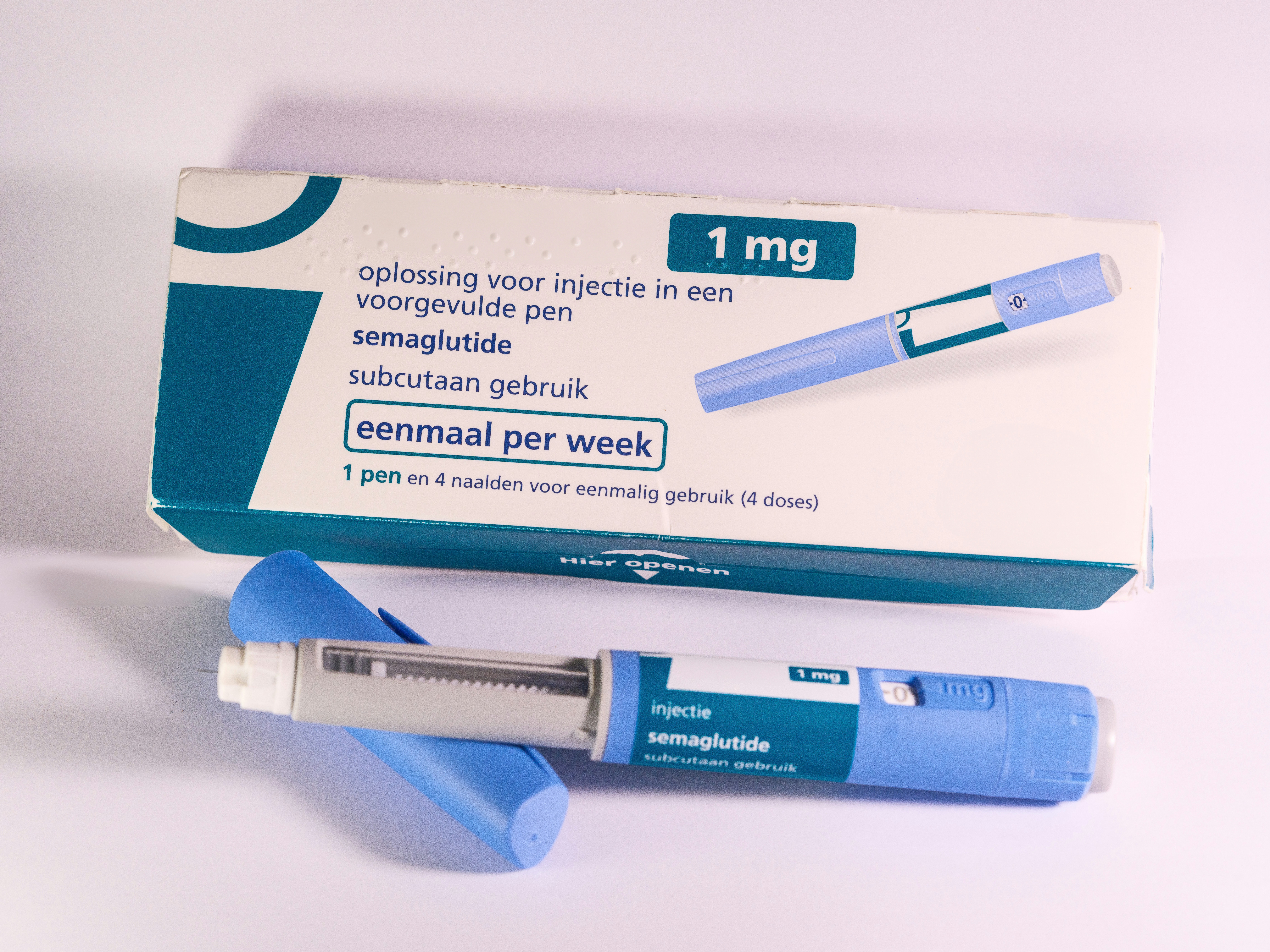
Semaglutide side effects are signals you can act on, not alarms you must react to immediately. Track a few simple measures consistently, watch for clear red flags, and use pacing and timing to lower the chance that a short-lived symptom becomes a crisis.
How Should I Separate What to Monitor From What to Report?
Monitor daily, report when a pattern or severity changes.
Track three simple things each day: injection time, fluid intake (bottles or ounces), and symptom score on a 1 to 5 scale.
Watch trends across days, not single events.
Report to your clinician when symptoms steadily worsen over 48 to 72 hours, when new severe symptoms appear, or when routine measures you rely on sleep, work, or appetite, are disrupted for more than a few days.
How Can I Improve My Logging to Ensure the Data Helps?
The familiar approach is scribbled notes or memory, which fragments context as complexity grows. That works at first, but when the dose changes, timing matters, and the bookkeeping breaks down.
Solutions such as platforms that timestamp doses, meals, hydration, and symptoms enable clinicians to determine whether nausea follows a specific meal type or a morning injection, turning anecdotal evidence into actionable data.
How Should I Manage Nausea on Semaglutide?
Nausea often responds to predictable habit changes, not new medications. Try adjusting meal size and composition in consistent, small steps, and note which items consistently agree with you. Keep a brief log that records injection time, whether you consumed protein in a meal, and how long until symptoms began. Over two weeks, that pattern usually reveals which adjustment matters most.
Use room-temperature fluids and take small sips rather than large gulps when you feel queasy.
How Should I Handle Vomiting While on Treatment?
When vomiting occurs, the priority is maintaining clarity regarding frequency and the ability to maintain fluid intake. Track how many times you vomit in a 24-hour period and whether you can tolerate anything by mouth, even small sips. If vomiting recurs and prevents you from staying hydrated, it is a reportable issue.
If vomiting is associated with a specific meal or a dose increase, note the connection so you and your clinician can consider pacing rather than abrupt changes.
How Can I Manage Diarrhea Practically?
Diarrhea is a common, often transient response to dose changes, and it matters because it directly affects hydration and energy. Premiere Medical Center reports that about 30% of patients experience diarrhea while taking semaglutide, underscoring the importance of tracking stool frequency alongside fluid and electrolyte intake.
Log the number of loose stools per day and any foods consumed before them, then tighten meal composition in small steps to identify triggers.
What Should I Do for Abdominal Pain or Bloating?
Differentiate mild, intermittent discomfort from persistent, escalating pain. Track timing relative to meals and injections, whether the pain is diffuse or focused, and whether it wakes you from sleep. Persistent upper abdominal pain that worsens or radiates to the back is a red flag and should be reported immediately. For everyday bloating, try subtle meal swaps and slower eating while you monitor the effect.
How Do I Approach Constipation Without Overcorrecting?
Constipation with semaglutide can persist longer than other GI effects, so focus on consistent habits rather than abrupt interventions. Keep a simple bowel log noting frequency and stool consistency; increase fiber gradually over days; and link any changes to your food and fluid records so you can see cause and effect.
If you change fiber or activity and constipation persists for weeks with pain or bleeding, make that a reportable issue.
What About Headaches, Dizziness, and Fatigue?
Treat these as interconnected signals:
Dehydration
Disrupted sleep
Blood sugar shifts
Each causes headache and lightheadedness. Monitor sleep duration, daily fluid intake, and any concurrent diabetes medications that could affect blood glucose. If dizziness causes fainting, falls, or confusion, or if headaches become severe and different from your usual ones, seek medical attention.
How Should I Reduce Indigestion, Heartburn, Gas, and Burping?
Small behavioral shifts often reduce reflux and gas more than short-term drugs. Track which foods trigger symptoms and whether lying down after meals worsens them. Avoid chewing gum and sipping carbonated drinks while you test changes. A record of meal type, portion, and timing, along with symptoms, usually reveals one or two high-impact culprits.
What Simple Mitigation Strategies Move the Needle?
Hydration, meal timing, and dose pacing are the big three, but how you apply them matters. Set a clear, fluid target you can measure, use smaller, more frequent meals that prioritize protein and easy-to-digest carbs, and pace dose increases with your symptom trend rather than the calendar alone.
These are behavioral levers, not medical instructions; coordinate any dosing decisions with your clinician.
When Should I Contact My Provider?
Contact your clinician immediately if you have severe or persistent abdominal pain, prolonged vomiting that prevents keeping fluids down, confusion, fainting, jaundice, or signs of severe low blood sugar if you take other glucose-lowering drugs. Also, contact if side effects steadily worsen over several days despite simple self-care, as this pattern often requires a medication review or laboratory tests.
Why Stopping Suddenly is Risky Without Guidance
Stopping semaglutide abruptly shifts appetite and glucose signaling back quickly, and for people on other diabetes medicines, it can create metabolic instability. Tapering or switching plans under clinical oversight preserves gains and prevents sudden blood sugar fluctuations or rapid weight regain.
Treat stopping as a clinical decision, not an emotional reaction; a data-backed conversation with your clinician will keep options open.
How Can You Make Monitoring Low-Friction and Useful?
Keep entries short and consistent: injection time, one-line meal note (small/medium/large, protein yes/no), number of glasses or bottles of fluid, and symptom score. Over two weeks, that minimal dataset produces a reliable correlation signal without burning you out.
Think of it like a dashboard with knobs you adjust one at a time; you change one knob, watch the gauge for days, then decide the next move.
When Do Side Effects Justify Changing a Dose Rather Than Changing Habits?
If a symptom scales clearly with overall exposure and does not respond to hydration and meal adjustments after a reasonable trial, dose reconsideration becomes the logical next step. That decision is best made with time-stamped evidence, so a clinician can weigh the tradeoffs between continuing, slowing titration, or pausing. Quick, unsupported dose changes usually create more uncertainty than steady monitoring does.
Status Quo, Cost, and a Better Path
Most people manage symptoms with scattered notes and memory because it feels simple and immediate. That works until patterns matter and decisions have to be precise, at which point fragmented records create confusion and avoidable clinic visits.
Platforms like MeAgain centralize time-stamped doses, meals, fluid goals, and symptom scores, enabling clinicians to see exact correlations and users to choose pacing strategies with confidence.
A Vivid Comparison to Keep in Mind
Think of your body like a machine with several linked controls: turning one knob quickly creates oscillation, but small, measured adjustments let the system settle and reveal which control actually needs tuning.
A Practical Tracking Checklist You Can Start Today
Record injection time, meal size, and whether protein was included, and fluid intake in simple units.
Rate symptom intensity on a 1 to 5 scale and note onset time.
Review trends at the end of each week and flag any worsening over 48 to 72 hours to your clinician.
These steps turn vague worry into clear signals you can act on.
A Human Pattern We Keep Seeing
This challenge appears across clinic and weight-management settings: side effects cluster during titration, and the root cause is missing context, not the medication itself; adding a brief, consistent log reduces anxiety and prevents premature stopping.
Quick Context on Nausea Prevalence
According to Premiere Medical Center, 75% of patients experience nausea as a side effect of Semaglutide, which makes practical monitoring and pacing especially relevant for most users.
Download MeAgain to Support Your GLP-1 Weight Loss Journey Beyond the Scale
When appetite drops faster than daily habits can adapt, I know how isolating early semaglutide side effects feel and how quickly momentum slips. Semaglutide can drive fast weight loss, but many people struggle with side effects because their appetite drops faster than their daily habits can adapt.
MeAgain Helps Bridge That Gap
By turning protein, fiber, hydration, and movement into a simple, rewarding game, MeAgain makes it easier to stay nourished, avoid constipation, protect muscle, and maintain energy as your body changes.
Your capybara companion keeps things light, while progress tracking and Journey Cards help you notice patterns, celebrate milestones, and remember how far you’ve come, even during the weeks that feel harder.
MeAgain Supports Your GLP-1 Journey Alongside Your Care Plan
MeAgain helps you stay consistent by turning key habits—protein intake, fiber, hydration, and movement into a simple game you can stick with. Your capybara companion keeps things encouraging, while gentle reminders help you avoid the patterns that often make side effects worse. Track how you feel, capture milestones with your Journey Card, and spot changes early so you can make adjustments or share clearer insights with your care team.
MeAgain is not a treatment or replacement for medical care; it’s a support tool built for real-life use with GLP-1s. Download MeAgain and support your weight loss beyond the scale.
Related Reading
• How to Inject Semaglutide
• How to Track My Semaglutide Side Effects?
• What to Do When Semaglutide Stops Working
• How to Track Food on Semaglutide
• How Can I Track My Semaglutide Progress?
• Semaglutide for Weight Loss in Non-Diabetics Dosage
• Best App for Tracking Semaglutide Results
• How Much Protein Should I Eat on Semaglutide
• How to Track My Injections on Semaglutide?
• Semaglutide Body Composition
• Semaglutide Foods to Avoid