
Side Effects
How to Ease Diarrhea on Zepbound Without Stopping Treatment

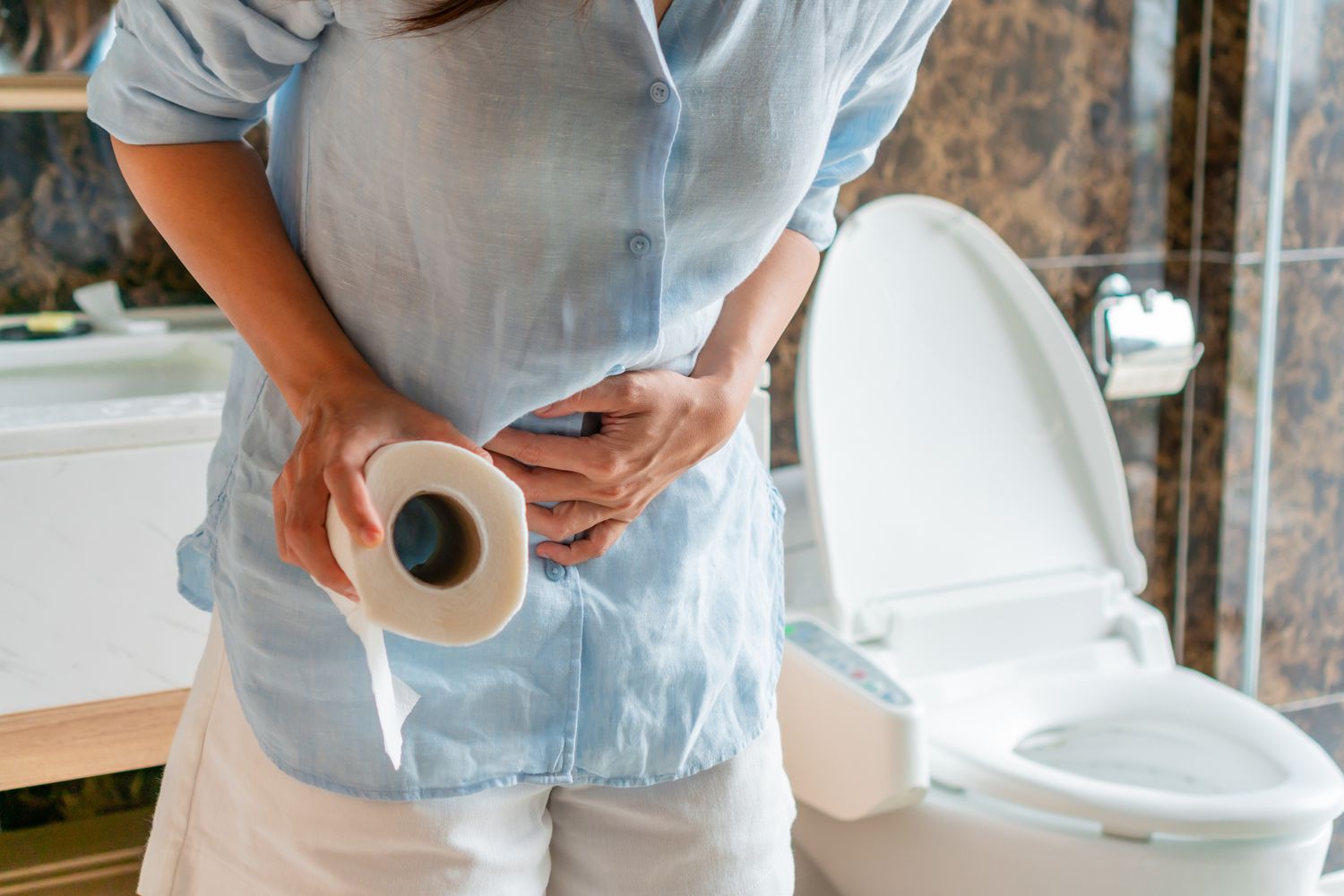
Starting a semaglutide diet plan seems promising until digestive issues disrupt your routine. If you have faced loose stools, stomach cramps, or plain diarrhea on Zepbound, it can shake your confidence and make you wonder whether to pause treatment. This article provides clear, practical steps to relieve diarrhea quickly and keep Zepbound working for you, without fear that side effects will derail your progress.
MeAgain's GLP-1 app helps you track symptoms, get timely tips, and contact care when needed, so you can manage diarrhea on Zepbound with confidence and stay on course.
Summary
Diarrhea is a common, dose-dependent side effect of Zepbound, with pivotal trials reporting 19% on 5 mg, 21% on 10 mg, and 23% on 15 mg versus about 8% on placebo.
Multiple mechanisms beyond slowed gastric emptying may contribute, including shifts in the microbiome and bile acid metabolism, and broader real-world estimates place diarrhea at about 30% among Zepbound users.
Symptoms typically begin in the first weeks of treatment or after dose increases, and research finds diarrhea episodes last about three days for many patients.
Although most cases are mild to moderate, roughly 15% of users report diarrhea severe enough to consider discontinuing therapy, highlighting the real risk of dehydration and treatment disruption.
Simple, measurable steps often work: over 70% of individuals report improvement with proper hydration, dietary adjustments can reduce episodes by up to 50%, and targeted logging reveals patterns within two weeks.
This is where MeAgain's GLP-1 app fits in: it tracks dose timing, meals, hydration, and symptoms so users can see whether flares follow a dose increase, a specific meal, or missed fluids.
Table of Contents
Is Diarrhea a Side Effect of Zepbound?
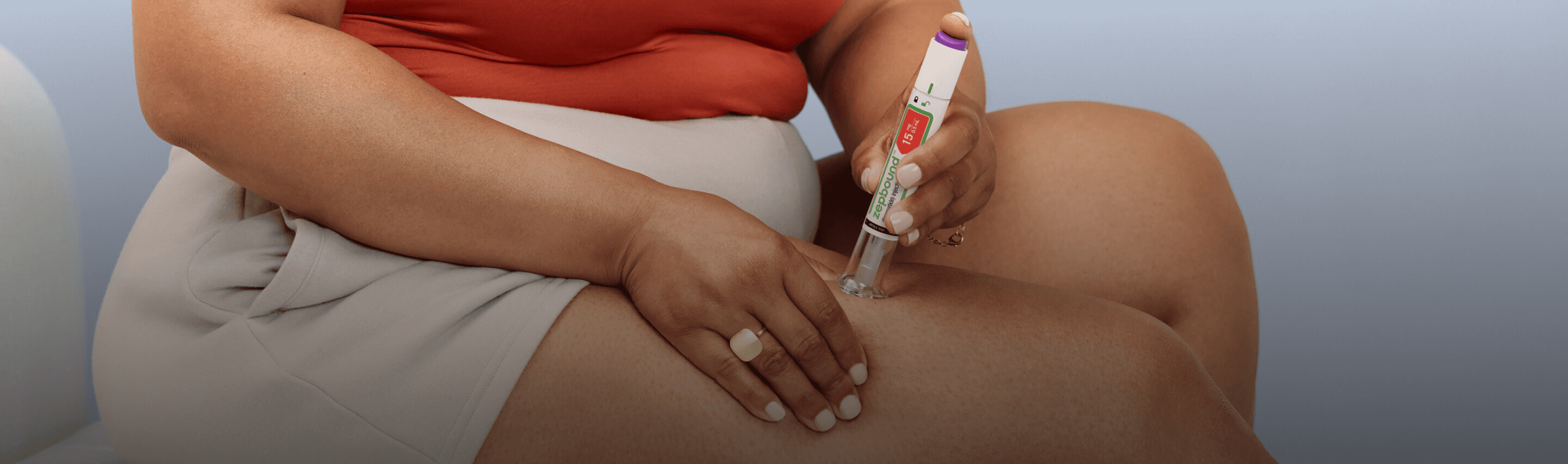
Yes, Zepbound can cause diarrhea. In fact, the drug's prescribing information lists diarrhea as one of the common side effects of the weight loss medication. Individual responses vary, so contact your healthcare professional if symptoms persist, worsen, or cause dehydration.
Does Zepbound Cause Diarrhea? Clinical Evidence
Clinical trials and real-world reports both show diarrhea is a well-documented adverse effect of Zepbound. In clinical trials, up to 23% of patients experienced diarrhea, compared with 8% of those taking a placebo.
Dose-Sensitive Side Effect
The pattern in phase 3 data is dose sensitive: 19% of people taking 5 mg of Zepbound reported diarrhea, 21% of people taking 10 mg of Zepbound reported diarrhea, and 23% of people taking 15 mg of Zepbound reported diarrhea. These statistics come from a phase 3 trial of tirzepatide, where diarrhea was the second most common side effect after nausea, and most episodes clustered around dose increases before tending to subside. Trials also reported that gastrointestinal adverse reactions were the leading cause of treatment discontinuation, with roughly 4% to 7% of participants discontinuing because of GI events, underscoring the importance of proactive management. Real-world reporting suggests a slightly higher background rate, as reflected in Diarrhea affects approximately 30% of people taking Zepbound, indicating GI complaints are common outside controlled studies.
Why Does Zepbound Cause Diarrhea?
The short answer is that Zepbound changes how the gut moves, what it secretes, and the ecological balance in your intestines, and those shifts can produce both looser stools and constipation depending on the person.
Gut Motility Changes
GLP-1 and GIP activity directly affect gastrointestinal motility, affecting how quickly food moves through the digestive system. "Zepbound slows gastric emptying and alters gut hormone signaling, which can change how food moves through the intestines," explains Supriya Rao, MD, DABOM, DABLM, a quadruple board-certified provider in internal medicine, gastroenterology, obesity, and lifestyle medicine. Slower emptying can paradoxically cause either constipation or looser stools as different gut segments adapt at different rates.
Gut Bacteria Changes
Medications that alter gut hormone signaling can shift the composition and function of the microbiome, which in turn changes digestion and stool consistency. When the microbial community shifts, transit time, fermentation, and short-chain fatty acid production also change, which can manifest as diarrhea for some people while others remain unaffected.
Altered Gut Hormone Signaling
Activation of GLP-1 and GIP receptors changes the secretion of peptides and neurotransmitters that regulate fluid secretion and electrolyte transport in the intestines. Those hormonal shifts can increase intestinal secretions or alter absorptive function, contributing to looser stools in susceptible individuals.
Proposed Additional Mechanisms
Researchers have suggested secondary mechanisms, such as altered bile acid metabolism and microbiome-bile interactions, that could contribute to diarrhea, but evidence specific to tirzepatide remains limited. Treat those ideas as plausible hypotheses rather than established causes for now.
Dietary Factors
Many people change what and how they eat when they start Zepbound, often increasing fiber, altering fat intake, or changing meal timing. Those dietary shifts can interact with the drug’s GI effects and amplify bowel changes, so diet and medication effects frequently overlap.
Increased Bile Acids in the Gut
Bile acids help digest fats, and shifts in bile acid secretion or reabsorption can change stool consistency. Zepbound may increase biliary activity in some people, and higher bile acid presence in the colon can produce watery stools until the system rebalances.
Timing and Dose Changes
After working with patients starting Zepbound, the pattern became clear: diarrhea most often appears during the first weeks or when doses are increased, and for many people the symptoms ease with time. That initial volatility explains why tracking timing, dose changes, and food is so useful in deciding next steps.
The Inefficiency of Fragmented Symptom Logs
Most people manage symptoms with ad hoc notes or scattered logs because that feels simple and familiar. That approach works at first, but it fragments information when you need to link a dose increase to a pattern lasting days, or to show your provider whether hydration fell on the days symptoms spiked.
Centralized Tracking for Faster, Smarter Adjustments
Platforms like MeAgain centralize symptom logs, injection reminders, protein and water tracking, and medication scheduling so clinicians and patients can see whether diarrhea lines up with dose changes, dietary shifts, or another medication, reducing guesswork and speeding sensible adjustments.
How Long Does Zepbound Diarrhea Last?
Duration varies. For many patients, the upset is short lived, appearing when treatment begins or after a dose increase and then easing as the body adapts. Research on GLP-1 agents suggests a typical episode lasts a few days, and real-world follow-up supports this, with diarrhea incidence decreasing to 10% after the first month of Zepbound use. "Diarrhea is most common when someone first starts Zepbound or increases the dose," Dr. Buttarazzi says, "For most patients, it improves or even resolves with continued use of the medication." If diarrhea lasts more than four to five days, does not improve, happens more than twice a day, or leads to signs of dehydration, contact your provider. "If it continues beyond a few weeks at a stable dose," Dr. Rao adds, "we might reassess and consider modifications." Most trial cases were mild to moderate, but individual risk depends on baseline gut health, other drugs such as metformin, and the rate at which doses are ramped.
What This Means for You
Diarrhea on Zepbound is common, often dose-related, usually appears early or after dose increases, and typically gets better with time. Still, a minority stop therapy because of GI side effects, and severe dehydration is a known, though uncommon, risk, so document frequency, severity, and timing carefully and talk to your clinician about options if symptoms persist. That early adjustment period feels small until it starts to decide whether you stay on treatment.
Related Reading
How Long Does Diarrhea Last With Mounjaro
8 Effective Strategies for Managing Diarrhea on Zepbound

1. Hydration and Electrolyte Balance
Maintaining adequate fluid intake is essential to prevent dehydration, which can occur with persistent diarrhea. Patients should drink water, clear broths, or oral rehydration solutions throughout the day. Signs of dehydration include dark urine, dizziness, dry mouth, and decreased urination.
Hydration Strategy for Diarrhea
Electrolyte-containing beverages can help replace sodium and potassium losses, though patients should avoid high-sugar sports drinks that may worsen osmotic diarrhea. When you have diarrhea, you are losing significant fluid from your body. If you have diarrhea too frequently, you could end up dehydrated, which would lead to thirst, fatigue, headache, and dizziness. "Dr. Buttarazzi recommends staying hydrated with oral rehydration solutions or electrolyte-rich fluids, such as coconut water, fruit juices, or broths. But be sure to pay attention to salt or sugar content, as added sugar and sodium can worsen side effects and inhibit your weight loss goals on Zepbound."
Actionable Fluid Intake Cadence
You can also just keep up your fluid intake by sipping on water; no need to worry about calories or added ingredients that way, too. To make this actionable, set a sipping cadence: 8 to 12 ounces every 1 to 2 hours while symptoms are active, then switch to maintenance amounts once stools normalize. If you notice dizziness, a racing heart, or dark urine, treat it as a signal to call your clinician.
2. Limit Caffeine and Alcohol
Why should you cut back now? Caffeine increases colon motility and can turn a manageable episode into a prolonged one, and alcohol can do the same while impairing rehydration. For many people, replacing one or two daily caffeinated drinks with decaf or water during titration reduces stool frequency within days. If you rely on caffeine for work, plan to taper over several days so you do not get headaches or performance dips; abrupt removal can feel like swapping one problem for another.
3. Modify Your Meals
The experts interviewed recommended eating smaller meals throughout the day and avoiding foods that could aggravate diarrhea, such as fried foods, dairy, and spices. Clinical studies also support this approach. "Once rehydrated, I suggest small, frequent meals and avoiding dairy for a few days since lactose can be harder to digest during diarrheal episodes," Dr. Buttarazzi explains. "For my Zepbound patients, I also recommend avoiding large or high-fat meals, which can worsen nausea, vomiting, and diarrhea." Following a bland diet or a BRAT diet may also help treat diarrhea associated with Zepbound. That’s because eating bland foods, such as bananas, toast, oatmeal, and applesauce, can help make stools firmer. "The BRAT diet is a simple and safe option when diarrhea flares," Dr. Rao explains. "It’s not meant as a long-term nutrition plan, but it can help settle the stomach and reduce stool frequency.”
Low-Fat Meals Reduce Diarrhea by 50%
Practical nudge: try three days of smaller, low-fat meals while logging symptoms. Remember, Patients who manage their diet effectively can reduce diarrhea episodes by up to 50%, showing that food choices materially affect outcomes.
4. Consider an Over-the-Counter Medication
If you are struggling to get a handle on your diarrhea symptoms, you may consider trying over-the-counter (OTC) medications such as: Pepto-Bismol (bismuth subsalicylate), which reduces inflammation in the intestine and decreases the flow of fluids and electrolytes into the bowel. Imodium (loperamide) slows bowel movements, allowing more water and electrolytes to be absorbed and reducing frequency. "Supplements like probiotics, zinc, or psyllium husk fiber may help some people, but evidence is limited for medication-related diarrhea," Dr. Buttarazzi says. (Psyllium husk fiber is a supplement that's helpful for the GI in many cases: It helps with both diarrhea and constipation symptoms.)
Consult Clinician First
Before you start anything, confirm with your clinician that an OTC choice will not interact with other meds or mask a warning sign. Use OTCs as a bridge for short, predictable flares, not as permanent workarounds.
5. Gradual Dosage Increases
It’s essential to follow your healthcare provider’s recommendations when increasing your medication dosage. Starting with a low dose and gradually increasing it allows your body time to adapt. If diarrhea becomes severe or persistent, consult your healthcare provider, who may recommend adjusting your dosage or exploring alternatives. Pattern insight: this problem centers on dose changes, most commonly occurring within the first 2 to 6 weeks after initiation or after an increase. Timing your adjustments and having a plan for temporary symptom control reduces chaos and keeps you on track.
6. Timing and Meal Frequency
Instead of three large meals, consider eating smaller, more frequent meals throughout the day. This can help reduce digestive strain and minimize the risk of diarrhea. Pair meals with moderate protein and a little soluble fiber, which slows transit and helps form stools. When symptoms spike after a particular meal, log the meal's timing and components immediately so you can test a single variable change, such as removing dairy or reducing fat, within the next 48 hours.
7. Record Keeping
Keeping a food and symptom diary can be beneficial. By tracking what you eat and any gastrointestinal symptoms you experience, you can identify potential triggers and adjust your diet accordingly. This practice can also provide valuable information to discuss with your healthcare provider. When we asked patients to keep a 14- to 30-day diary, a clear pattern emerged: clusters of loose stools tracked to specific meals, caffeine intake, or dose steps. That kind of paired data, even if imperfect, gives your clinician the leverage to recommend dose pacing, a brief med pause, or targeted testing instead of guessing.
8. Contact Your Healthcare Provider
While mild diarrhea is common and often manageable with conservative measures, specific symptoms warrant prompt medical evaluation. Patients should contact their healthcare provider if diarrhea persists for more than a few days despite dietary modifications and supportive care, or if symptoms significantly interfere with daily activities and quality of life.
Urgent Medical Warning Signs
Warning Signs Requiring Immediate Attention: Severe or bloody diarrhea requires urgent medical evaluation, as this may indicate gastrointestinal complications unrelated to the expected medication effects. Signs of dehydration—including persistent dizziness, confusion, rapid heartbeat, very dark urine, markedly decreased urination, or inability to keep fluids down—necessitate same-day medical assessment.
Pancreatitis Warning: Patients should stop taking Zepbound and seek immediate medical attention for severe abdominal pain, with or without vomiting, that radiates to the back. This could indicate pancreatitis, a rare but serious potential complication of GLP-1 receptor agonists.
Gallbladder Disease: Right upper quadrant pain, especially if accompanied by fever, nausea, vomiting, or yellowing of the skin/eyes, requires prompt evaluation for gallbladder disease, which can occur with rapid weight loss.
Other Symptoms Suggesting Complications: Fever (≥101°F/38.3°C) accompanying diarrhea may indicate an infectious process requiring specific treatment. Unintentional weight loss beyond expected therapeutic effects, or diarrhea associated with other concerning symptoms such as rectal bleeding, nocturnal symptoms that wake the patient from sleep, or progressive worsening despite treatment, should prompt gastroenterological evaluation.
Medication Review: Patients experiencing persistent GI symptoms should discuss their complete medication list with their provider, as drug interactions or concurrent medications may contribute to diarrhea. Persistent or atypical symptoms warrant evaluation for other gastrointestinal conditions that may require specific treatment.
Solutions like MeAgain change the workflow by scheduling dose reminders tied to your titration plan, prompting hydration and protein goals, and centralizing symptom logs so the clinician can quickly see the whole picture, rather than chasing fragmented notes. A quick analogy: think of symptoms as a leak in a house, small at first but only visible if you watch the floor; tracking is the flashlight that shows where to tighten the valve.
Turning Discomfort into a Solved Problem
Approximately 30% of patients experience diarrhea as a side effect of Zepbound, underscoring the need for early, practical mitigation in daily management. That simple control, when combined with good tracking and clinician collaboration, turns discomfort into a solved problem rather than a stumbling block. That sounds like the end of the story, but there is one surprising way to lock these gains in that most people miss.
Related Reading
Download Our GLP-1 App to Turn Your Weight Loss Journey Into Your Favorite Game
The truth is, starting Ozempic, Wegovy, or Mounjaro can quickly shift digestion, and avoiding muscle loss, dehydration, and diarrhea with Zepbound depends on simple, consistent habits you actually stick to. Download MeAgain and let a playful capybara nudge you to hit protein, fiber, water, and movement targets; keep shot reminders and side-effect logs in one place; and capture progress on a Journey Card so you can treat Zepbound-related diarrhea and loose stools with clarity, not guesswork.
Related Reading
Foods to Avoid on Semaglutide
Mounjaro Heartburn
Semaglutide and Exercise
Diarrhea on Zepbound