
Side Effects
What Triggers Mounjaro Heartburn and How Is It Treated?

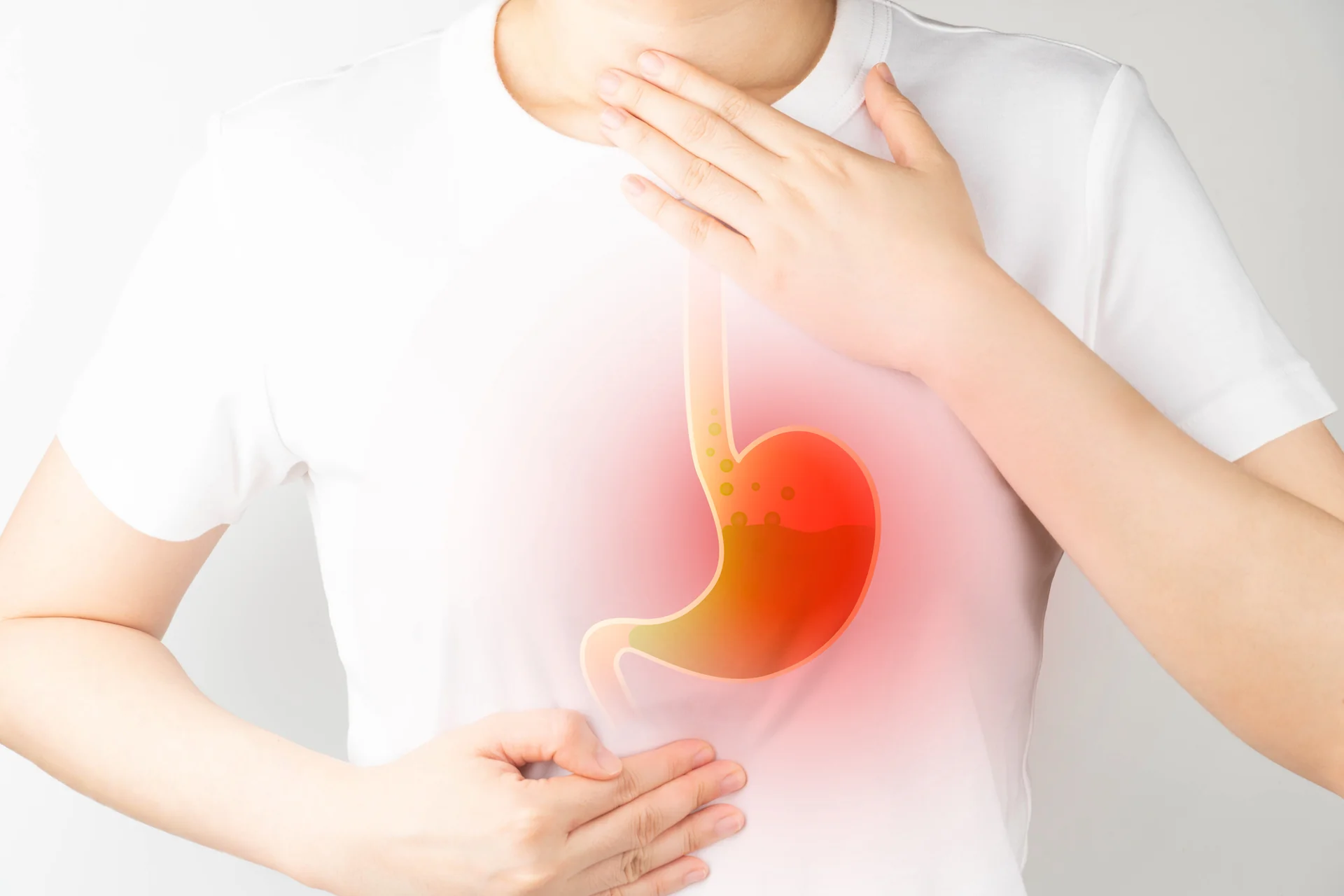
Starting a Semaglutide Diet Plan or other GLP-1 weight-loss treatments can be encouraging. Still, for many people, progress comes with an unwelcome side effect: Mounjaro heartburn, acid reflux, or a burning feeling in the chest after meals. Why does heartburn, nausea or indigestion show up with tirzepatide or semaglutide, and is it the drug, your meals, or the timing of injections? This article explains how Mounjaro heartburn links to medication side effects like reflux and stomach upset, what common triggers look like, and clear practical steps—from simple diet changes and meal timing to over-the-counter antacids or talking with your clinician about PPIs—to prevent or relieve symptoms so you can take medication comfortably.
MeAgain's GLP-1 app helps you track symptoms, meals, and medications, spot patterns that trigger heartburn after injection, and get easy tips to reduce reflux so you can stay on your plan with less discomfort.
Summary
Mounjaro is a real, measurable cause of heartburn, with clinical trials reporting up to 8% of users developing heartburn and a range of other gastrointestinal side effects, including nausea and diarrhea.
Slower gastric emptying is a core mechanism for reflux on GLP-1s, and vomiting, which occurs in about 5% of users, further increases acid exposure and esophageal irritation.
Dose escalation is a high-risk window, with real-world data showing 20% of patients reporting heartburn and 15% experiencing reflux symptoms within the first month after starting or stepping up therapy.
Small, consistent habit changes reduce episodes quickly, for example, aiming for 300 to 450 kcal per meal, eating every 3 to 4 hours, and structured trials showing symptom patterns and relief emerging in 3 to 7 days.
Short-term antacids or alginate products work for immediate relief. Still, reliance beyond two weeks warrants clinician review, and about 5% of patients ultimately required medication or dosing adjustment for severe heartburn.
Objective tracking uncovers hidden triggers more reliably than ad hoc notes, with 7 to 14 days of logged injection timing, doses, exact meals, and symptom timing enabling targeted changes or informed clinician conversations. Patient feedback also shows that stopping the drug relieved heartburn in about 5 out of 10 cases.
This is where MeAgain's GLP-1 app fits in: it consolidates injection timing, dose changes, meal logs, and symptom tags so users and clinicians can identify patterns over a 7- to 14-day window.
Does Mounjaro Cause Heartburn?
Yes. Mounjaro can cause heartburn, and this shows up both in controlled trials and in everyday use; clinical studies reported up to 8% of people developing heartburn after starting the drug. That risk sits alongside other common gastrointestinal complaints users report, so it is a real, trackable side effect rather than an anecdote.
People also experienced several other gut-related side effects, including:
Nausea
Diarrhea
Decreased appetite
Vomiting
Constipation
Abdominal pain
Why Does Mounjaro Cause Heartburn?

Mounjaro is a GLP-1 receptor agonist that alters how your gut and brain communicate about fullness and digestion. One consistent pharmacologic action is slower gastric emptying, which means food and acid stay in the stomach longer.
Think of your stomach as a loading dock: when the dock slows, the load backs up, and pressure builds against the door between the stomach and the esophagus. That pressure can weaken the lower esophageal sphincter, allowing stomach acid to rise and cause acid reflux.
Could Vomiting from the Medication Trigger Reflux?
Yes. Repeated vomiting moves stomach acid into the esophagus and can inflame its lining, producing burning pain and nausea. About 5 percent of people on Mounjaro experience vomiting as a side effect, and when vomiting is frequent, it increases the chance of reflux-related discomfort.
Are Dose Changes and Escalation Important Drivers?
This pattern is consistent when doses are increased, especially when moving from a lower dose to a higher one. Higher doses are associated with more pronounced gastrointestinal effects, and users often report the worst reflux in the first few days after a step-up. Real-world data highlights this variability: a 2025 Juniper Health study reported that 20% of patients experienced heartburn while taking Mounjaro.
The same study found that 15% of users developed acid reflux symptoms within the first month of treatment. These findings align with clinical patterns suggesting that the initial adaptation phase and early dose adjustments represent high-risk windows for gastrointestinal side effects.
How Else Can Changes in Digestion Matter?
Mounjaro shifts several digestive processes at once: motility slows, appetite falls, and people often change what and when they eat. Those shifts can increase sensitivity to trigger foods, amplify acid exposure after meals, and alter how quickly the esophagus clears acid. Small, frequent meals, or a sudden switch to very-low-calorie intake, can make the stomach’s response feel worse until the system rebalances.
What Does This Feel Like Day to Day?
When we work with users managing GLP-1 side effects, the recurring complaint is the same: sleep disrupted by burning, difficulty finishing meals, and nausea that interferes with hitting calorie or protein goals. That pressure wears people down, and many look for quick fixes or simple nutrition changes to maintain momentum without weeks of discomfort.
How Do People Typically Handle Tracking and Troubleshooting Today?
Most people try ad hoc notes or general symptom lists and hope patterns emerge. That approach works for a few, but as doses change and diets adjust, notes fragment, and the connection between a specific injection, a meal, and a reflux episode gets buried. This hidden cost leaves you guessing about when to measure, delaying the fix.
Data-Driven Symptom Correlation
Solutions like centralized GLP-1 tracking apps collect injection timing, dose changes, symptom intensity, and nutrition logs in one place, helping users identify when a reflux spike follows a particular dose increase or a late-night high-fat meal, enabling earlier adjustments and supporting them with data.
How Long Does Mounjaro Heartburn Last?
For most people, the heartburn is temporary and improves within a few weeks as the body adapts to slower gastric emptying. Symptoms often lessen once dose titration is complete and eating patterns stabilize. Some users will continue to have mild, meal-related discomfort rather than constant pain.
If heartburn persists beyond several weeks, worsens, is accompanied by difficulty swallowing, black or bloody vomit, or severe upper abdominal pain, you should consult your GP or pharmacist promptly because those signs may indicate complications that need immediate evaluation.
That seems like the whole story until you closely examine the pattern and identify what actually predicts the worst flare-ups.
Related Reading
How Long Does Diarrhea Last With Mounjaro
How Can You Relieve Mounjaro Heartburn?
You can manage most Mounjaro-related heartburn with focused habit changes first, then short-term over-the-counter options if needed, and medical review only for persistent or worrying signs. Start by improving:
Meal timing
Portion control
Posture
Hydration habits
Use antacids or alginate products for immediate relief, and see a clinician if symptoms worsen or do not respond to simple measures.
Change Your Daily Habits
Break meals into reliably sized portions, not guesswork. Aim for 300–450 kcal per sitting for most people, use a plate rule (one quarter protein, one quarter starch, half vegetables), and eat every 3-4 hours to avoid overloading the stomach. Slow your pace: put down your cutlery between bites and allow a 20- to 25-minute window for meals so you produce less acid and swallow less air.
Which Foods and Drinks Should You Swap Rather Than Eliminate?
Swap concentrated citrus, fried foods, and large servings of red meat for lean protein, steamed vegetables, and non-acidic fruits like melons. Replace carbonated sodas and large glasses with small sips of still water during meals; save larger fluid intake for between meals. For evening eating, choose a high-protein, low-fat snack if you need something late, because protein buffers acidity and helps you feel full without a heavy stomach load.
How Should You Handle Timing, Posture, and Clothes?
Finish the largest meal at least three hours before lying down, and sit upright for two hours after eating, which often closes the one- to two-hour postprandial reflux window people report. Avoid forward-bending activities, and loosen tight waistbands that press on your stomach. For sleep, prop your upper body so gravity keeps acid down, aiming for about a 25 to 30 degree incline using a wedge or extra pillows.
How Do You Make These Changes Stick?
Treat them as habits to track: pick two core adjustments, such as finishing dinner earlier and slowing down at meals, and log them consistently for two weeks. When we ran structured habit trials with users over 14 days, patterns emerged quickly, usually within 3 to 7 days, and people felt less defensive about the drug when they could point to measurable behavior that reduced burning.
Medications for Heartburn
When Should I Use Over-the-Counter Options, and How Do They Differ?
For immediate, short-lived relief, use fast-acting antacids or alginate-based products that form a foam barrier to reduce acid levels, and follow the product label for dosing. If you prefer a preventive approach during the first week of a dose increase, H2 blockers or short courses of proton pump inhibitors are commonly used, but check timing: many acid-reducing drugs work best when taken before your main meal of the day.
Always read labels and consult a clinician if you have liver disease, are taking interacting drugs, or if symptoms persist.
Are There Safety Cautions I Should Remember?
Antacids and alginate products are safe for short use, but overuse can mask problems or interact with other tablets; separate them from other medications by at least one to two hours when possible. If you rely on daily OTC relief for more than two weeks, ask your prescriber about a structured plan rather than continued self-treatment.
When Should You Change Tactics Rather Than Keep Trying the Same Fixes?
If a careful two-week trial of habit changes and targeted OTC measures fails to reduce episodes, escalate to data-backed troubleshooting rather than guessing. Track injection timing, dose changes, exact meals, and symptom timing for 7 to 14 days to show a clinician clear patterns.
A 2025 study by Juniper Health found that 5% of patients required medication adjustments due to severe heartburn. Because a small portion of users may ultimately need a change in their prescription or dosing schedule, maintaining objective data through consistent tracking is essential before making any clinical switches.
What Happens If Stopping the Drug is on the Table?
While some patients report immediate relief upon discontinuation, the decision to stop therapy can significantly affect the overall treatment plan and should be carefully evaluated with a clinician.
Patient feedback from a 2025 study highlights this trade-off, noting that 5 out of 10 patients experienced relief from heartburn after stopping Mounjaro. Because these adjustments are rarely instantaneous and involve complex clinical considerations, any changes to a treatment regimen should be made under professional medical supervision.
Status Quo, Its Hidden Cost, and a Simpler Bridge
Most people manage symptoms with scattered notes and memory, which is understandable because it requires no new tools. That approach fragments context, so when symptoms spike you cannot show whether it followed a dose increase, a late-night curry, or less water intake.
Solutions like MeAgain centralize injection timing, meal composition, hydration logs, and symptom tags so users can see who/what/when triggers reflux and act on evidence rather than guesswork.
What Pre-Emptive Habits Reduce the Chance of an Episode?
Preventing reflux is about lowering triggers broadly, not chasing perfection. Before high-risk periods, such as evenings out or dose increases, choose lower-fat meals, avoid acidic mixers, and plan to stay upright longer. Add a simple buffer: eat a small protein-rich snack 30 to 60 minutes before meals that would otherwise be large, which evens out gastric loading and reduces abrupt acid surges.
Are There Timing Tricks Around Injections That Help?
If you notice worse reflux after evening injections, try switching the injection to morning with clinician approval, or schedule the shot at least an hour before your next meal so the digestive system isn’t handling both an injection-related slowdown and a large meal at once.
How Do You Prepare for a Dose Escalation Day?
Treat dose increases as planned events. For 48 to 72 hours before and after a step-up, prefer bland, lower-fat meals, limit alcohol, and keep antacids or alginate on hand. Pick a day when you can rest and avoid intense exercise or heavy bending, which can increase pressure on the stomach. Expect the first 48 to 72 hours to be the bumpiest, then reassess.
When should you seek care for heartburn while taking Mounjaro?
Contact your healthcare provider right away if you develop difficulty swallowing, persistent vomiting, vomiting blood, black or tarry stools, unexplained weight loss, severe chest or upper abdominal pain, trouble breathing, or symptoms that wake you at night. These signs suggest complications that need evaluation beyond over-the-counter care.
What Small Signals Also Merit a Clinician’s Input?
If heartburn forces you to skip meals, reduces your protein intake for multiple days, or you need regular OTC antacids for more than two weeks, book a review. A clinician can check interactions, consider a short preventive drug course, or adjust dosing so you keep the benefits without losing sleep over symptoms.
A single-image analogy to carry with you: think of your stomach as a sink with a slow drain; if you keep piling dishes in and leave the tap running, pressure builds and finds the nearest outlet, which is what reflux does when digestion slows, and meals are significant.
Curiosity loop: The next part reveals a straightforward tracking technique that turns guesswork into control and changes how people manage their side effects.
Related Reading
Download Our GLP-1 App to Turn Your Weight Loss Journey into Your Favorite Game
Starting Ozempic, Wegovy, or Mounjaro? Between Mounjaro heartburn, reflux worries, and the daily work of protecting muscle and avoiding severe constipation, it’s easy to feel overwhelmed, so consider MeAgain. We turned those chores into a simple habit game with an adorable capybara that nudges you toward your protein, fiber, water, and exercise targets, and a Journey Card that saves every milestone, so you keep the gains without dread
Download MeAgain and turn your weight-loss journey into your favorite game.
Related Reading
Foods to Avoid on Semaglutide
Mounjaro Heartburn
Semaglutide and Exercise
Diarrhea on Zepbound