
Side Effects
Does Semaglutide Target Visceral Fat and How Long Does It Take?

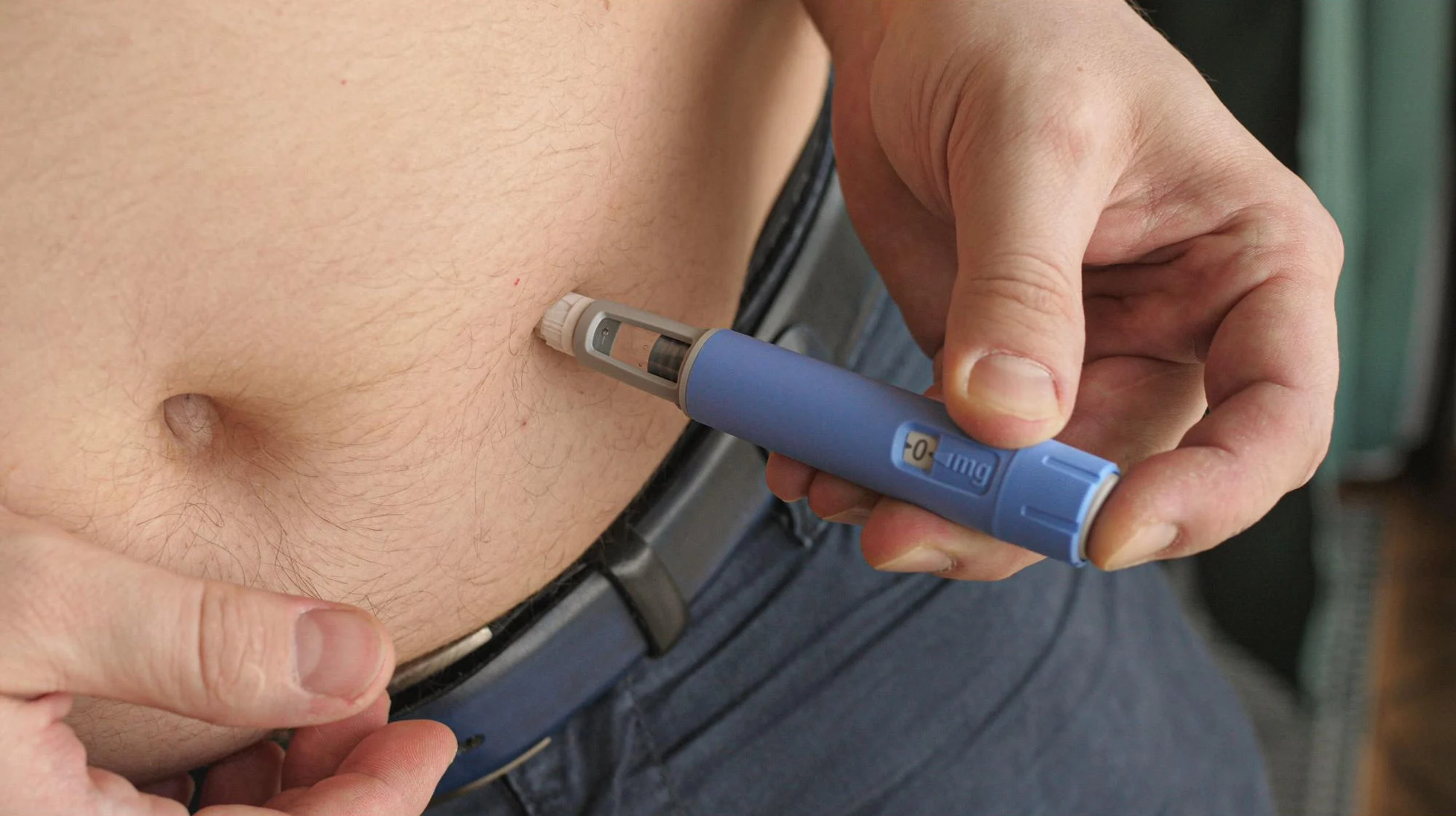
Efforts to reduce persistent abdominal fat have led to new insights in weight management, with recent studies exploring whether semaglutide reduces visceral fat and whether it effectively targets deep fat deposits linked to diabetes and heart disease. Emerging clinical and imaging research shows that while overall weight loss can be achieved, the impact on deep abdominal fat may vary, emphasizing the importance of individualized approaches.
Tracking progress through accurate measurements and realistic timelines can offer a valuable perspective on treatment outcomes. MeAgain’s GLP-1 app provides tools to monitor dose, weight, and waist size, helping users turn research insights into actionable steps.
Summary
Visceral fat is metabolically active and disproportionately harmful, making up about 10% of total body fat while driving insulin resistance, fatty liver, and systemic inflammation.
Clinical imaging shows that semaglutide reduces visceral fat; the SEMALEAN study reported a 15% reduction in visceral fat and an average weight loss of 12 kg after 6 months.
Early biochemical wins appear quickly, as patients lose about 2% of body weight within the first four weeks, while meaningful visceral fat decline typically unfolds over months rather than days.
Waist circumference remains a practical clinical proxy for internal risk, with thresholds of 35 inches for women and 40 inches for men associated with higher metabolic complications, even when outward appearance appears normal.
Consistent dosing plus targeted habits matter: structured programs tracked over 12 weeks show appetite and glucose improvements within weeks, but waist changes and imaging-confirmed visceral fat loss lag unless protein intake and resistance training preserve lean mass.
You cannot reliably measure visceral fat with a mirror or scale; accurate assessment requires imaging such as MRI, CT, or DEXA, or validated ultrasound, or clinical proxies such as fasting insulin, HOMA-IR, or serial waist measurements.
This is where MeAgain's GLP-1 app fits in: it centralizes dose, weight, waist, and symptom tracking, enabling medication timing to be aligned with nutrition and activity over the months needed for visceral fat reduction.
Table of Contents
Why Is Visceral Fat So Dangerous and Why Is It Hard to Lose?
How Quickly Can You See Results in Visceral Fat Reduction with Semaglutide?
Turn Visceral Fat Reduction Into a Daily Habit, Not a Guess with MeAgain
Why Is Visceral Fat So Dangerous and Why Is It Hard to Lose?
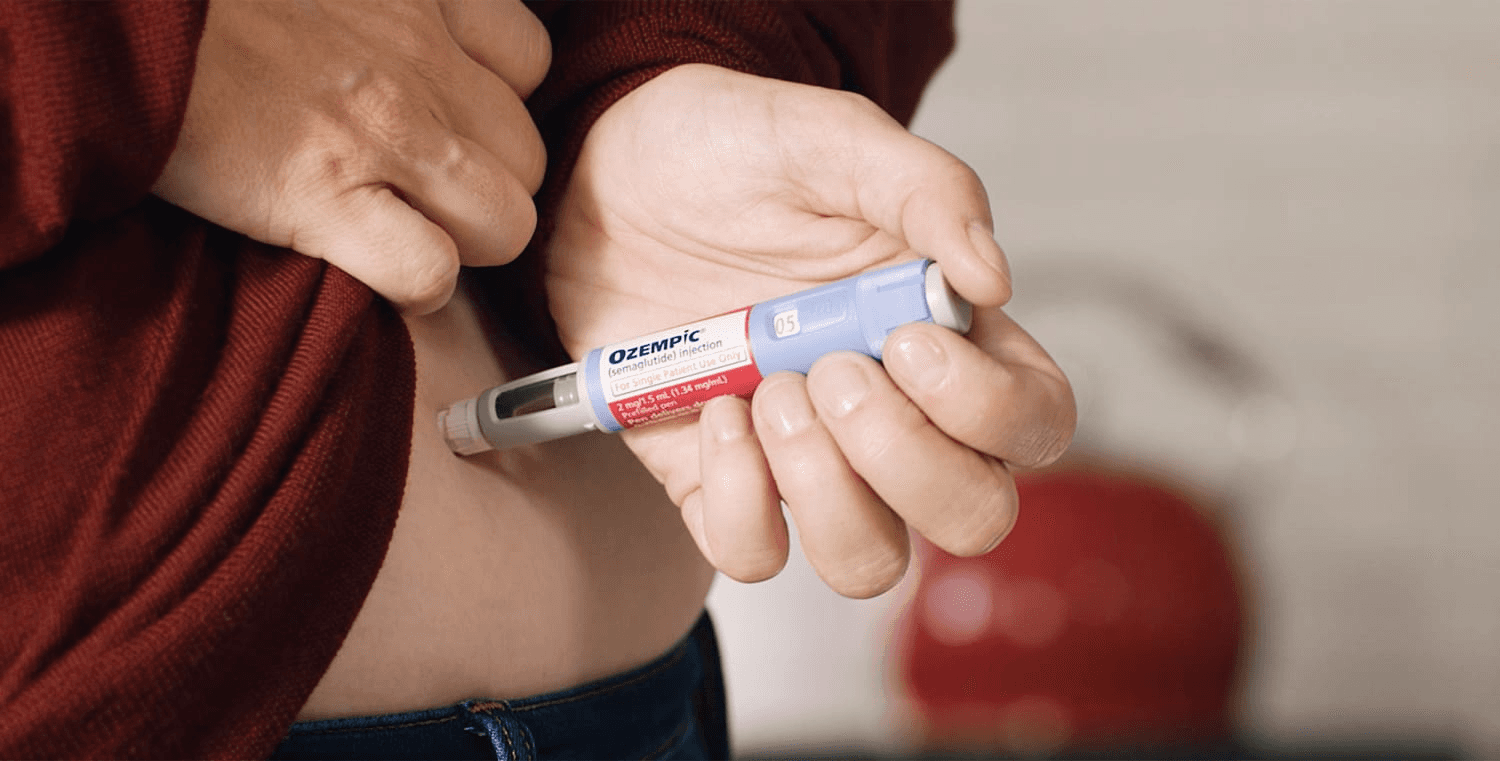
Key Takeaways
Visceral fat is dangerous: it surrounds organs and actively disrupts metabolism. This can lead to insulin resistance, inflammation, fatty liver, and a higher risk of heart problems.
It’s mostly invisible: you can look slim on the outside and still have a lot of high-risk visceral fat. This is known as TOFI (thin on the outside, fat on the inside). Using our GLP-1 app can help manage weight more effectively.
Not all belly fat is the same. Subcutaneous fat can be pinched and is mostly harmless, while visceral fat acts like a powerful internal engine. It releases hormones and inflammatory proteins.
Hormones and genetics make losing weight harder: Cortisol, blood flow patterns, and age all help stubborn visceral fat to stay in your body.
Traditional dieting often misses the mark. Visible fat usually comes off first, but visceral fat remains, which slows metabolic improvement.
Smart strategies can be beneficial. Tools like the GLP-1 app can coordinate medication timing with daily habits. This approach helps to preserve muscle while specifically targeting visceral fat stores.
What is visceral fat?
Visceral fat is a type of fat that is active in the body and is stored deep around internal organs. It differs from pinchable fat beneath the skin. This fat can cause insulin resistance, systemic inflammation, and fatty liver, all of which can increase the risk of heart problems. Because of this, visceral fat is a serious health concern and is not just about appearance.
What are the characteristics of visceral fat?
What exactly is visceral fat? When we discuss this, we see that visceral fat cushions internal organs such as the liver and intestines. It also functions as an endocrine organ, secreting hormones and inflammatory proteins. According to WebMD (2023), visceral fat makes up about 10% of your total body fat. This helps explain why even small increases in this fat can have significant effects on metabolism and disease risk.
Where is visceral fat located?
Visceral fat lies deep within the abdominal cavity, wrapped around important organs. You can have a flat stomach and still carry a risky amount of visceral fat. Clinicians call this pattern TOFI: thin on the outside, fat on the inside. This invisibility is why many people don't realise the danger until a metabolic problem occurs.
Is all belly fat visceral fat?
Belly fat and visceral fat are not the same. Belly fat that you can pinch is called subcutaneous fat, which acts as a soft cushion under the skin. On the other hand, visceral fat is more active, releasing free fatty acids and cytokines into the bloodstream, which are transported to the liver. This process increases insulin resistance and metabolic problems. You can think of subcutaneous fat as a parked car and visceral fat as a car running in the driveway, quietly using fuel and causing pollution in the yard.
Visceral Fat vs Subcutaneous Fat
Feature | Visceral Fat | Subcutaneous Fat |
Location | Surrounds internal organs (deep in the abdomen) | Sits under the skin |
Feel | Not pinchable, firm abdominal feel | Soft and pinchable |
Health Impact | Highly dangerous, linked to chronic diseases | Less harmful unless excessive |
Causes | Stress (cortisol), hormones, poor diet, and inactivity | Diet, sedentary lifestyle |
Inflammation | Triggers systemic inflammation and insulin resistance | Minimal inflammation |
Responds to | Treating the main medical cause, HIIT workouts, stress management, anti-inflammatory diet | Caloric deficit, strength training |
Risk Signals | Diabetes, GERD, cardiovascular issues, and hormonal imbalances like PCOS | Cosmetic issues, mild metabolic changes |
Measurement Tools | Waist circumference, ultrasound, and CT scans | Body calipers, visual assessment |
Difficulty to Lose | Harder to target, requires lifestyle overhaul | Easier to burn with exercise and calorie control |
How does visceral fat contribute to health problems?
Excess visceral fat significantly alters the body’s chemistry. It increases insulin resistance, causes fatty liver, leads to chronic low-grade inflammation, and contributes to atherosclerosis. Clinical guidance shows that simple measurements can indicate risk. This means that people with waist measurements over 35 inches for women and 40 inches for men have a higher chance of health issues related to visceral fat, according to WebMD. These measurements serve as a useful warning sign for doctors during check-ups.
How does visceral fat cause disease?
Visceral fat releases hormones and inflammatory proteins that mess with insulin signaling and change how fats are processed in the body. When free fatty acids reach the liver, they cause steatosis and dyslipidemia. Also, inflammation in the blood vessels narrows them, increasing the risk of blood clots. Over time, these chemical changes result in higher rates of type 2 diabetes, heart disease, and even some types of cancers and brain diseases.
Why is losing visceral fat challenging?
Hormones, blood supply, and location all work against you. Cortisol and other stress signals favor abdominal storage. Visceral fat has more blood flow and behaves differently than subcutaneous fat, so it doesn't shrink at the same rate as the pinchable layer. Additionally, genetics and age affect the baseline level of abdominal fat. Common diets may reduce lean mass faster than they lower visceral fat.
What is the emotional impact of visceral fat challenges?
It is exhausting to do everything right and still be told the problem is vanity. In practice, the emotional journey is often the same: urgency is followed by confusion, then a quiet fear that appearance-based metrics have misled them. Visceral fat is like a smoldering ember in the belly, unseen yet producing heat that slowly damages the house. Treating only the visible scorch marks ignores the root flame.
What happens next with visceral fat?
This is where things become complicated. It often reveals more than most people expect.
Related Reading
Does Semaglutide Reduce Visceral Fat or Just Weight Loss?
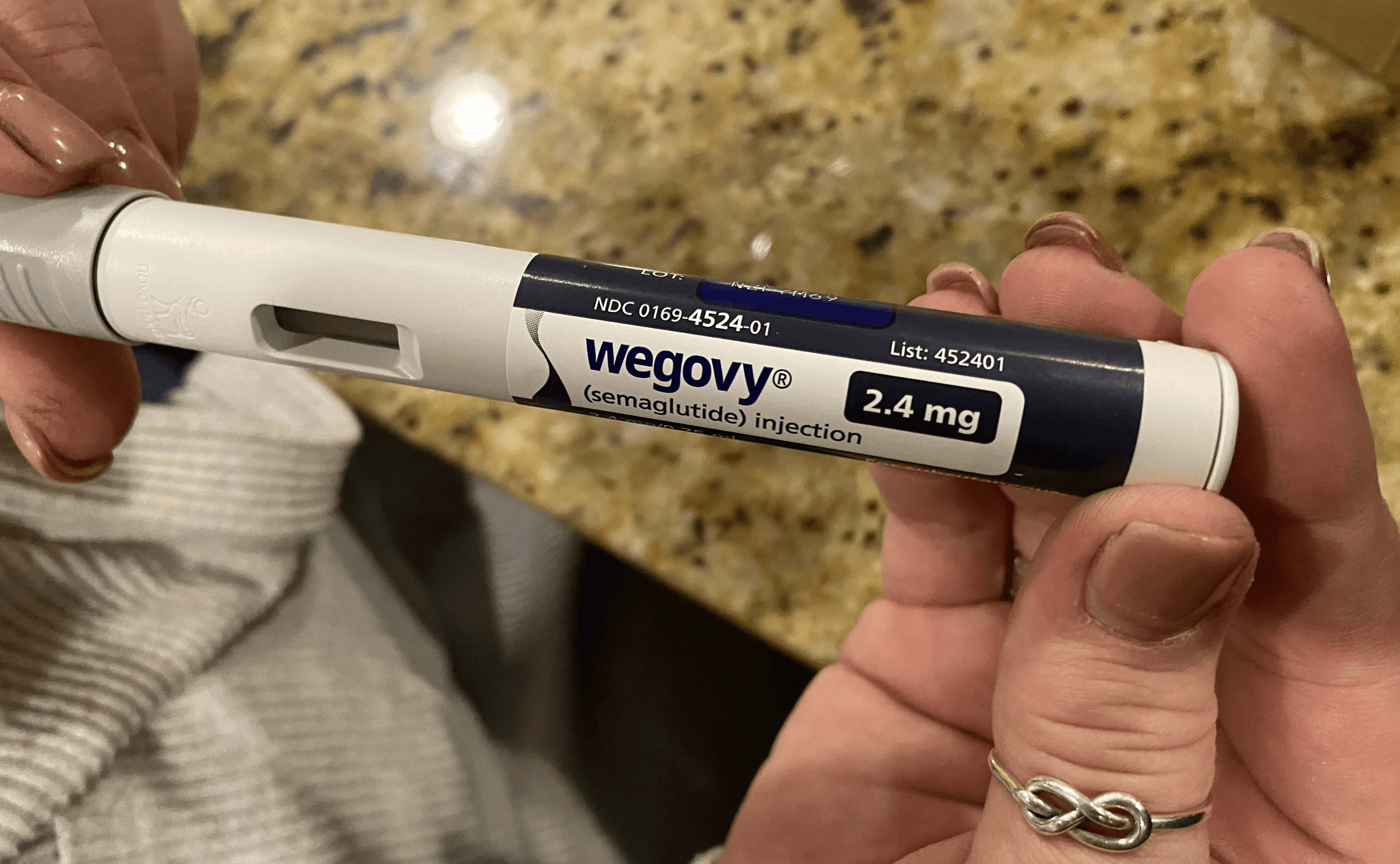
Key Takeaways
Metabolic tool, not cosmetic shortcut: Semaglutide changes how the body partitions energy, not just how much you eat, targeting metabolically active fat stores.
Visceral fat responds faster: Hormonal shifts and energy timing mean visceral and liver fat often decrease before subcutaneous (pinchable) fat.
Clinical evidence supports it: The SEMALEAN study (2025) found a 15% reduction in visceral fat and an average of 12 kg total weight loss over six months. Both outcomes improve metabolic health, but they are not interchangeable.
Surface appearance can mislead: Visible weight changes lag behind internal improvements, which can create doubt even when health markers are improving.
Daily habits matter: Coordinating medication timing with protein intake, resistance activity, and hydration maximizes visceral fat loss while preserving lean mass.
Semaglutide is a metabolic tool, not just a quick fix for appearance. It changes how the body manages energy, focusing on targeting metabolically active fat rather than simply cutting back on calories.
Visceral fat reacts more quickly to these changes.
Because of hormonal changes and how energy is used, internal fat, which includes both visceral and liver fat, often goes down before subcutaneous (pinchable) fat is affected. Clinical evidence backs this idea. The SEMALEAN study (2025) found a 15% reduction in visceral fat and an average weight loss of 12 kg over six months. Both results significantly improve metabolic health, but they are not the same. For those looking to manage their weight effectively, our GLP-1 app provides tools that support fat loss. How someone looks on the outside can be misleading. Changes in visible weight often lag improvements in internal health markers, which can lead to doubt even when overall health is improving.
What daily habits maximize visceral fat loss?
Daily habits matter. Coordinating your medication with protein intake, resistance training, and hydration helps you lose visceral fat while maintaining lean mass. Semaglutide is a GLP-1 receptor agonist, and you should think of it as a metabolic tool, not a quick fix for looks. It changes how the body partitions energy, not just how much you eat. Observations across different programs indicate that weight changes may follow improvements in metabolic measures. This suggests that the drug is doing more than just reducing surface fat.
How does semaglutide affect where fat is stored?
Semaglutide changes hormonal signalling and the timing of energy use. This makes the body burn metabolically active stores sooner. In practice, this means visceral fat, which responds more quickly to steady calorie deficits and showsbetter insulin signalling, tends to decrease before the layer of fat you can pinch. This pattern shows up regularly in clinical programs and monitored groups. When medication, protein intake, and resistance activity are in sync, internal fat and liver fat decrease faster than subcutaneous fat.
What do the trials actually show about visceral fat versus total weight loss?
The SEMALEAN study (2025): "Semaglutide treatment resulted in a 15% reduction in visceral fat," reports a meaningful reduction in visceral fat during therapy, which is important for reducing metabolic risk. The same trial also notes that the SEMALEAN study (2025): "Patients experienced an average weight loss of 12 kg after 6 months of treatment with Semaglutide", showing significant total-body change along with the internal change. The evidence indicates that semaglutide leads to both scale wins and targeted internal fat loss, and these two outcomes are related but distinct.
Why do so many people assume it only reduces surface weight?
Most messages focus on large-scale photos and weekly weight updates, setting expectations for visible transformation. However, the hidden cost of this common way of thinking is emotional: people work hard and feel better, but their friends notice nothing, which can lead to doubt. From various programs, patients report less inflammation, more energy, and fewer joint aches even before their jeans fit differently. This is why depending on appearance alone creates a misleading story about the benefits.
What practical habits tip the balance toward visceral fat loss?
Simply tracking calories and injection dates may overlook key factors that affect body composition. The usual approach of logging weight and waiting for changes can create significant gaps as metabolic programs shift. Lean mass can slip away, appetite may increase, and gains can stall. Solutions such as MeAgain platforms that track injection timing, protein intake, hydration, and side effects help fill these gaps. Clinicians and patients using these systems find they can better keep muscle, synchronize medication with meals and activity, and use the drug’s metabolic benefits for lasting visceral fat loss.
What concept helps understand energy store allocations?
A short analogy to make this clear: think of your energy stores as accounts, with visceral fat being like a credit line that can change quickly. The body uses this credit line first when conditions are favorable for fast withdrawals. Semaglutide helps create the right conditions, but your daily habits determine how you manage withdrawals.
What question remains about visceral fat loss with semaglutide?
That clear progress raises a more important question that remains unanswered.
Related Reading
Who Should Not Take Semaglutide
Semaglutide Eye Side Effects
Compounded Semaglutide Side Effects
Semaglutide Belly Fat
Semaglutide Visceral Fat
Liraglutide vs Semaglutide
How Quickly Can You See Results in Visceral Fat Reduction with Semaglutide?

Key Takeaways
Initial metabolic changes appear first: Appetite suppression, reduced calorie intake, and improved glucose control typically show up in the first 1–4 weeks.
Visible fat loss lags behind internal improvements: Subcutaneous fat may shift slightly in weeks 4–12, but waist measurements and internal fat changes often take months to show.
Visceral fat declines gradually: Clinical studies report around 15% visceral fat reduction after ~20 weeks; metabolic risk decreases as internal fat stores shrink.Progress is influenced by multiple factors: Baseline insulin resistance, medication adherence, nutrition (especially protein), resistance training, sleep, and stress management all affect the pace of change.
Traditional tracking methods are limited: Mirrors, scales, and daily photos often miss early internal improvements. Imaging or clinical markers (CT, MRI, DEXA, waist circumference, fasting insulin, HOMA-IR) provide accurate insight.
Structured tracking preserves momentum: Platforms that centralize injection timing with nutrition, hydration, and side-effect logs help protect lean mass and optimize visceral fat loss.
Visceral fat rarely moves on the same timetable as what you see in the mirror, and that gap is normal. Metabolic improvements, such as reduced appetite and improved glucose control, typically appear first, and internal fat declines gradually as the body sustains a calorie deficit and insulin signaling improves.
How does visceral fat reduction progress over time?
Typically, in the first weeks, there is no significant change in your shape; instead, it focuses on controlling your appetite and beginning to reset your metabolism. Clinical reports showed that "Patients lost an average of 2% of their body weight within the first four weeks," according to Rivas Medical Weight Loss. This initial weight loss indicates that people are eating less and that their blood sugar levels are responding more effectively. These changes are necessary steps before your body starts to burn deeper fat, even if you don't see a difference in your clothes or in the mirror.
During Weeks 1–4, appetite control, lower-calorie intake, and improved fasting glucose help establish your metabolism.
From Weeks 4 to 12, small changes occur beneath the skin. Important markers such as insulin and triglycerides begin to change, while waist circumference remains small.
Between Months 3 and 6, abdominal fat begins to decrease. This decrease happens while you keep your muscle mass through exercise and strength training.
After 6+ months, sustained habits and regular medication use lead to measurable reductions in abdominal fat and a lower risk of metabolic issues.
Why is visceral fat reduction a gradual process?
Reducing visceral fat takes months, not just a few days. The body does not prioritize eliminating specific fat areas people want to lose first. After the initial changes in hunger and blood sugar levels, the body gradually shifts how it uses energy, focusing more on metabolically active depots, a process that takes time. For example, after 20 weeks, patients experienced a 15% reduction in visceral fat, according to Rivas Medical Weight Loss. You can think of it like cleaning out a dirty engine; it runs better before it looks clean on the outside.
What factors influence the pace of visceral fat loss?
Baseline metabolic health matters, plain and simple. Higher insulin resistance and fatty liver slow the pace at which visceral stores are accessed. Consistent dosing and adherence matter too, because irregular exposure breaks the steady metabolic signal the body needs to shift fuel preference. Nutrition quality, especially adequate protein and timed resistance training, protects lean mass, so weight lost comes more from fat, not muscle. Sleep and stress are often overlooked; persistent cortisol elevation nudges the body toward abdominal storage and slows visceral mobilization. Each of these is a lever you can use to compress or extend the timeline.
How does tracking affect monitoring progress?
Most people manage their progress by weighing themselves and taking pictures, as these methods are easy and familiar. While this approach works well at first, it has a high hidden cost: tracking can become fragmented, making early metabolic wins hard to see. Unmanaged side effects can occur, and important behaviour windows can be missed, which can stop momentum. Platforms like MeAgain offer a solution by centralizing injection timing, protein and water tracking, and side-effect logs. This gives users a single place to align medication peaks with meals and workouts, helping maintain lean mass while reducing internal fat.
What should you expect week by week?
Weeks 1 to 4 will primarily focus on appetite suppression, meaning you will consume fewer calories. You will also see clearer fasting glucose readings, which help prepare your body biochemically. During weeks 4 to 12, subcutaneous fat often begins to show the first signs of change. At the same time, markers such as fasting insulin and triglycerides begin to shift, but waist circumference changes remain modest. From months 3 to 6, visceral fat typically declines more noticeably on clinical tests as weight loss stabilizes. Activity or resistance training helps keep your muscle mass. Finally, from month 6 onward, maintaining good habits and consistent medication use leads to measurable reductions inabdominal fat. This reduces metabolic risk.
How can you measure progress effectively?
You cannot reliably track visceral fat with a mirror, scale, or daily photos. Accurate measurement requires imaging such as CT, MRI, DEXA, or validated ultrasound, or clinical proxies such as changes in waist circumference, fasting insulin, HOMA-IR, or liver enzymes. Those metrics often show improvement before outward changes appear. So, rely on lab and imaging checkpoints at clinically reasonable intervals, not daily aesthetics.
What is the practical takeaway regarding visceral fat loss?
The practical takeaway is straightforward: semaglutide helps create the metabolic conditions for losing visceral fat, but this internal reduction depends on consistent dosing, good nutrition, enough sleep, proper training, and effective stress management. In a 12-week study of a structured program, the results were clear. Participants reported less hunger and better morning glucose levels within weeks. However, waist measurements improved more slowly, and people often became frustrated when relying only on the mirror to gauge their progress.
How can you address tracking frustrations?
That predictable frustration is real and points to the next question that matters most. The challenge lies not in the timeline itself but in how easily momentum is lost. When daily habits and tracking are left to chance, maintaining progress becomes increasingly difficult. Utilizing a GLP-1 app can streamline your tracking, making it easier to stay on top of your goals.
Turn Visceral Fat Reduction Into a Daily Habit, Not a Guess with MeAgain
Semaglutide can reduce visceral fat, but whether that metabolic progress persists depends on the daily regimen in place to protect muscle, manage side effects, and maintain consistency. Semaglutide can support real metabolic change, including reductions in visceral fat, as outlined in this blog post about semaglutide and exercise. What someone does alongside the medication is very important. MeAgain is designed for people using GLP-1 medications such as Ozempic, Wegovy, or Mounjaro who want to protect their health while losing weight. Instead of focusing solely on scale, MeAgain helps users stick to habits that support healthier fat loss over time.
With MeAgain, users can:
Stay on top of protein, fiber, hydration, and physical activity, which are key to maintaining muscle and supporting metabolic health.
Reduce common GLP-1 side effects such as constipation and fatigue with simple, measurable goals.
Turn daily consistency into a sustainable routine through a game-based experience complete with an encouraging capybara guide.
Capture progress beyond the mirror with the Journey Card to ensure improvements feel visible and rewarding.
Anyone using a GLP-1 medication who wants healthier, steadier, and more sustainable results will find that MeAgain helps turn the effort required into a consistent, enjoyable routine. Download MeAgain and turn your GLP-1 journey into your favourite game.
Related Reading
What to Do When Semaglutide Stops Working
How Much Protein Should I Eat on Semaglutide
How to Inject Semaglutide
How Can I Track My Semaglutide Progress?
Semaglutide Foods to Avoid
Semaglutide for Weight Loss in Non-Diabetics: Dosage
How to Track My Semaglutide Side Effects?
Semaglutide Body Composition
How to Track My Semaglutide Injections?
Best App for Tracking Semaglutide Results
How to Track Food on Semaglutide