
lifestyle
In-Depth Liraglutide vs Semaglutide Guide for Weight Loss

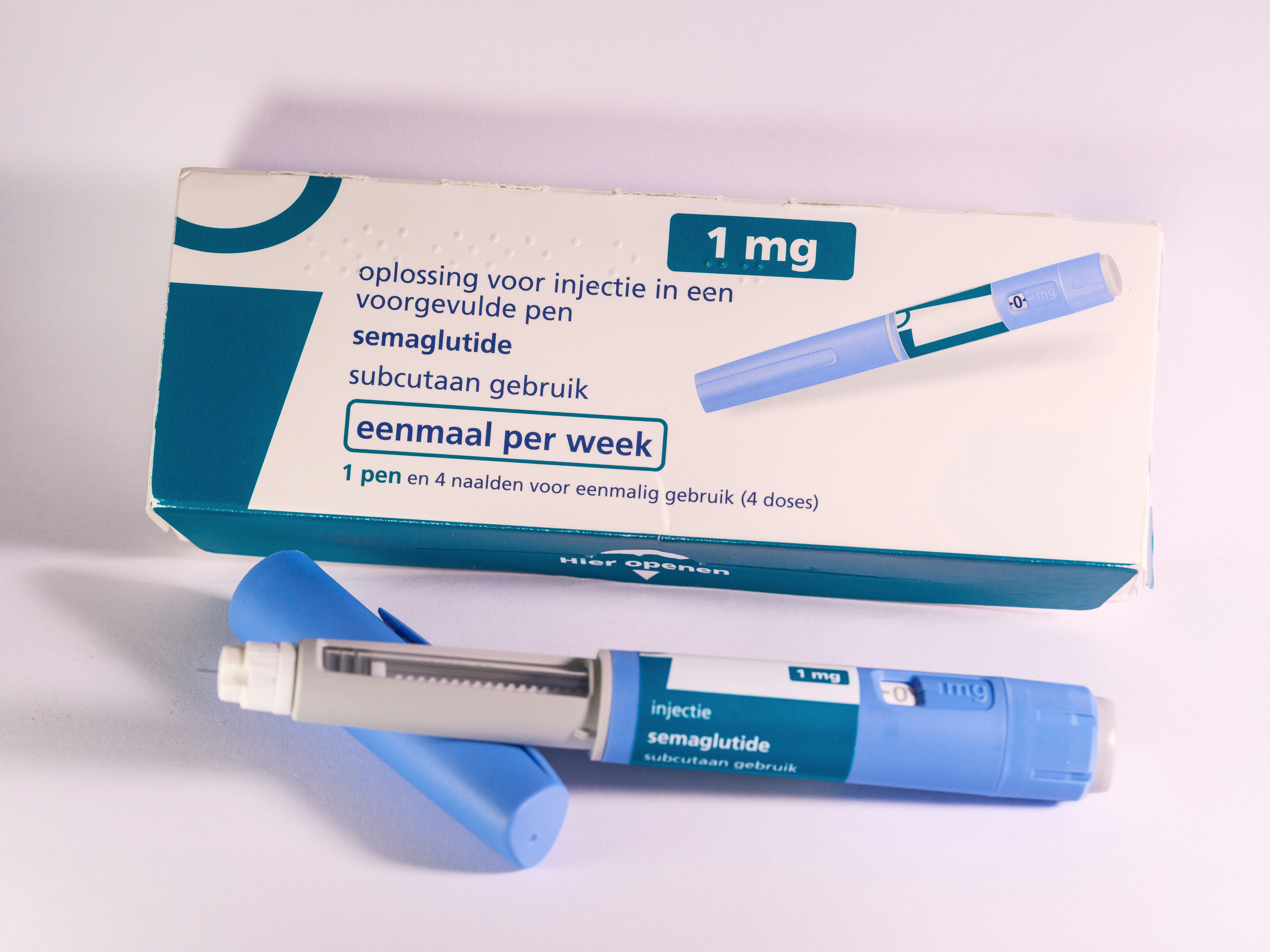
Liraglutide vs. Semaglutide is a crucial comparison when evaluating effective weight-loss and diabetes-management options. The medications differ in dosing schedules, side effects, appetite suppression, and cost, making it essential to assess which treatment best fits individual lifestyles and goals. Multiple factors, including blood sugar control and metabolic improvement, emphasize the importance of personalized care.
Analyzing injection routines and real-world expenses can help determine the safest, most sustainable option. Detailed monitoring of dosing, symptoms, and weight trends provides actionable insights for ongoing treatment adjustments. MeAgain’s GLP-1 app offers these tools in a user-friendly format that supports informed, consistent care.
Summary
Choosing the wrong GLP-1 often slows visible progress and raises side effects, with one source reporting 50% of patients experience slower results when on a mismatched medication.
Dosing frequency affects adherence; semaglutide is given once weekly, whereas liraglutide is given daily, with 1 injection per week versus 7.
Efficacy differs measurably in trials, with semaglutide showing up to about 15% average body weight reduction over extended study periods versus roughly 9% average weight loss for liraglutide at 12 months.
The early titration window is fragile, typically the first 6 to 12 weeks, and an incorrect GLP-1 choice is associated with about a 30% increase in side effects in practice.
Real access depends on cost and coverage; for example, Wegovy lists around $1,350 per month retail, while generic liraglutide options can be available around $470 per month, and those differences often determine which regimen patients actually use.
Long-term success follows systems, not just drugs: studies and program reports show roughly 75% of participants experience significant weight loss on GLP-1 medications, and about 60% maintain weight loss long term when behavioral anchors and monitoring are included, so tracking the first 8 to 12 weeks is critical.
This is where MeAgain's GLP-1 app fits in, addressing dosing consistency, symptom logging, and protein and hydration tracking so clinicians get time-stamped data to guide titration and troubleshooting.
Table of Content
Can Choosing the Wrong GLP-1 Slow Your Results and Increase Side Effects?
Liraglutide vs Semaglutide: What’s Actually Different Beyond the Name
Which One Is Better for Fat Loss, Side Effects, and Long-Term Success?
Already Chosen Your GLP-1? MeAgain Helps You Get Better Results on Either Path
Can Choosing the Wrong GLP-1 Slow Your Results and Increase Side Effects?

Choosing the wrong GLP-1 can lead to big problems like slower fat loss, annoying plateaus, ongoing nausea, and a higher chance of giving up early. The use of these drugs has become common; research in 2025 found that roughly 12% of American adults have used GLP-1 receptor agonists.
However, up to 65% discontinue within the first year, showing that while many start using them, not everyone sticks with them. To ensure you have the right support throughout your journey, consider using our GLP-1 app for tailored options and guidance.
What does the GLP-1 market look like right now?
You’re not just picking between two similar choices. There are several options available, each with different ways of working, dosing schedules, and side effect profiles. Brands like semaglutide are well-known, while tirzepatide drugs offer a second hormone pathway.
Older drugs like liraglutide are still important for people who want daily doses. This variety is helpful, but it also means that the choice should be clinical and practical, not just based on news headlines or what’s available at the pharmacy.
Why Do People Pick the 'Wrong' GLP-1?
Many people tend to choose a GLP-1 medication based on name recognition or availability, as this feels quick and safe. While this way of choosing may help get started, it hides clear costs. Picking the wrong medication can lead to more side effects and slower progress.
In fact, there is a 30% increase in reported side effects linked to wrong GLP-1 choices, according to MedPage Today. Additionally, about half of patients experience slower results when using the wrong GLP-1, according to PrivateDoc. These are not small differences; they greatly affect daily life and long-term results.
How do side effects and titration affect day-to-day life?
This pattern is clear in both clinical and consumer settings: side effects usually worsen when the dosage is increased and are the main reason people take breaks or stop treatment.
Symptoms like nausea, vomiting, inconsistent bowel habits, and dehydration make it very hard to work, spend time with family, and exercise.
When these symptoms keep happening, motivation usually drops, and as motivation fades, sticking to treatment becomes harder.
This emotional strain is significant, turning a hopeful treatment into a source of stress for many individuals.
When do clinical differences matter most for real users?
Timing and dosing frequency drive daily experience. Weekly injections that create a long, steady feeling of appetite control will feel different at the grocery store than a daily dose that causes sharper ups and downs in hunger. Some treatments require meals to be carefully timed or stricter protein goals to prevent muscle loss. These trade-offs decide if the medication fits into your life or works against it.
How do people actually adapt to those trade-offs?
This challenge shows up in many treatment situations. For example, starting with a low dose and titrating slowly reduces the risk of severe nausea. Staying hydrated consistently helps prevent electrolyte imbalances, while eating more protein helps maintain muscle mass during rapid weight loss.
Patients who write down when they inject, their symptoms, how much they drink, and their protein intake find useful patterns faster than those who don’t track anything. This shows that tracking is more important than just opinions; making the right behavior changes can turn a likely failure into steady progress.
What does this mean for your next choice?
Choices should be made against daily realities, not just marketing. If your priority is minimal GI disruption and you need predictable craving control for long workdays, a different agent or a slower titration may be a better fit.
If you want faster, larger weight loss and are okay with more aggressive side effects management, that means you're making a conscious trade-off. The wrong default choice can make these trade-offs hard to see, often becoming clear only when you are already in the middle of them.
Is there more beneath the surface than brand names?
More exists beneath the surface than brand names and headlines suggest. The next section will explore the practical differences that people feel in their daily lives.
Related Reading
Liraglutide vs Semaglutide: What’s Actually Different Beyond the Name
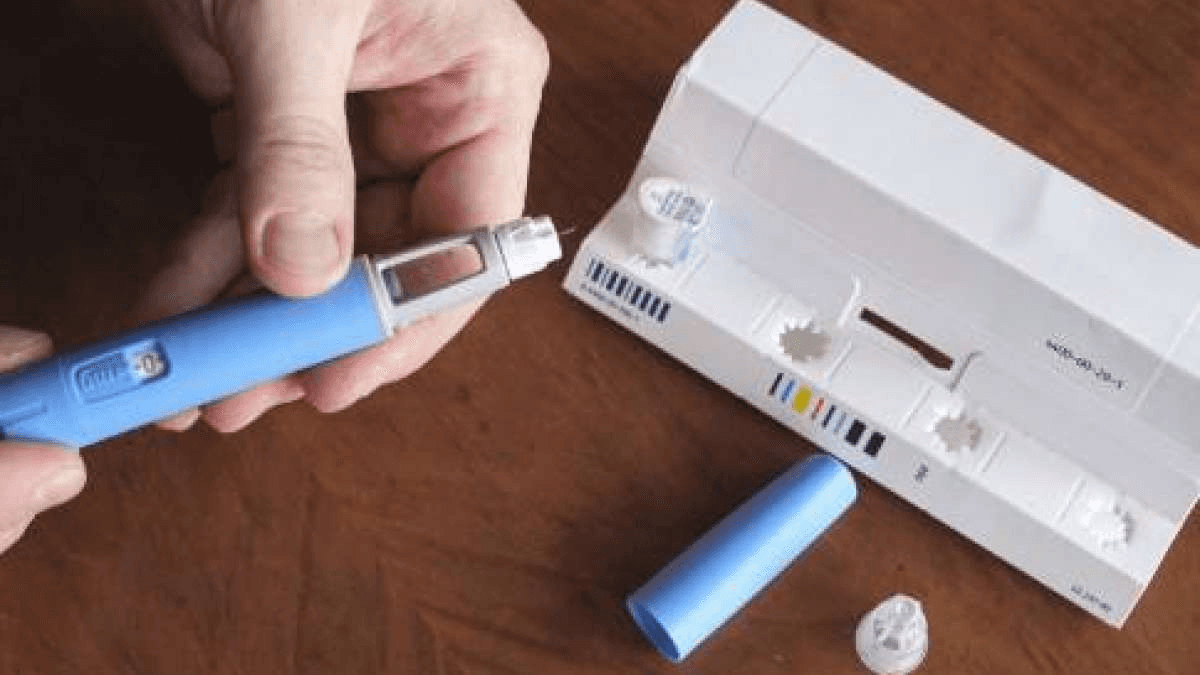
Liraglutide and semaglutide are not the same. While they work in a similar way, they have differences in how long they last, how often you take them, how strongly they reduce appetite, and how side effects appear over the weeks, as you adjust to them.
These practical differences can significantly affect daily life, such as when you eat, when cravings occur, and how you manage hydration and protein intake. Additionally, using our GLP-1 app can help individuals effectively track and manage these differences.
Key takeaways
The drugs act on the same receptor, but differences in pharmacokinetics and potency alter dosing, effectiveness, and the pattern of side effects.
Semaglutide usually leads to more average weight loss and a longer, steadier reduction in appetite; liraglutide provides shorter, more frequent increases that some people may like for managing their dose.
How well they fit into real life depends on daily routines, how much someone can handle gastrointestinal symptoms, the cost and insurance coverage, and whether a person can stick to daily or weekly routines.
Keeping track of timing, symptoms, hydration, and protein intake helps turn these theoretical differences into practical choices you can watch and change.
How do they differ at the molecular and pharmacokinetic level?
Both drugs mimic GLP-1, increase insulin secretion, and slow gastric emptying. However, semaglutide is chemically modified to stay in circulation much longer. This allows for higher receptor exposure per dose.
This longer exposure makes it more effective for appetite suppression and glycemic control. It also causes gastrointestinal side effects in a steadier pattern rather than short bursts each day. In practice, this means that semaglutide sends a more persistent signal to the brain and gut, while liraglutide delivers a shorter, more consistent pulse each day.
What does dosing actually mean for your week?
Dose cadence is not simple; it shapes how people act. Semaglutide’s multi-day effectiveness eliminates the need for daily choice. On the other hand, liraglutide needs a small choice every day, which can cause missed injections or uneven results. Note that Semaglutide is administered once weekly, while liraglutide is administered daily.
Liraglutide typical titration schedule
Dosing schedule
Victoza
Saxenda
Week 1
0.6 mg, injected daily
0.6 mg, injected daily
Week 2
1.2 mg, injected daily
1.2 mg, injected daily
Week 3
1.8 mg, injected daily
1.8 mg, injected daily
Week 4
1.8 mg, injected daily
2.4 mg, injected daily
Week 5+
1.8 mg, injected daily
3.0 mg, injected daily
Semaglutide injection titration schedule
Dosing schedule
Ozempic
Wegovy
Weeks 1–4
0.25 mg, injected weekly
0.25 mg, injected weekly
Weeks 5–8
0.5 mg, injected weekly
0.5 mg, injected weekly
Weeks 9–12
1 mg, injected weekly
1 mg, injected weekly
Weeks 13–16
2 mg, injected weekly
1.7 mg, injected weekly
Weeks 17+
2 mg, injected weekly
1.7 mg or 2.4 mg, injected weekly
How much weight loss can you expect, and why does it differ?
Semaglutide provides a longer, stronger signal at the receptor, often resulting in greater average weight loss in trials. This increased power leads to better and longer control of hunger and food reward. Because of this, many people see larger percentage reductions when they can increase the dose. For context, research shows that semaglutide showed a weight reduction of up to 15% over 68 weeks.
How do side effects compare in frequency and pattern?
Common side effects share similar symptoms, but their frequency and timing vary depending on the amount of exposure. Liraglutide elicits shorter, stronger gastrointestinal (GI) signals after dose changes and exhibits daily peaks.
On the other hand, semaglutide produces flatter yet broader GI effects as the dose increases and atsteady state. This difference is why some people find semaglutide’s nausea to be more persistent, while others see liraglutide’s peaks as giving brief moments of stronger discomfort.
Reported side-effect frequencies at common doses?
Medication (dose) Nausea Vomiting Diarrhea Constipation Dyspepsia (indigestion)
Wegovy (semaglutide 2.4 mg) 44% 24% 30% 24% 9%
Ozempic (semaglutide 1.0 mg) 20% 9% 9% 3% 2.7%
Rybelsus (semaglutide 14 mg) 20% 8% 10% 5% Less than 1%
Saxenda (liraglutide 3 mg) 39% 16% 21% 19% 10%
Victoza (liraglutide 1.8 mg) 20% 9% 12% 5% 7%
What will this feel like across a typical day and week?
For those whose lives revolve around predictable routines, semaglutide’s weekly consistency often helps smooth hunger on workdays and during travel.
In contrast, if someone prefers more control or is sensitive to ongoing stomach issues, liraglutide’s daily doses can be easier to adjust and stop quickly if side effects happen.
A good way to think about it is that liraglutide is like riding a bicycle, where you pedal every day and feel the rhythm in short bursts.
On the other hand, semaglutide is like cruise control, keeping the vehicle at its speed for longer with fewer adjustments.
How should nutrition and protein goals change between them?
Quicker, more rapid weight loss increases the risk of lean mass loss if protein intake and resistance training are neglected. With semaglutide, appetite can drop so consistently that individuals may undereat protein over several days without realizing it. This makes explicit protein targets and logging increasingly important.
In contrast, with liraglutide, the daily pattern makes it easier to detect missed protein moments, since appetite returns more frequently.
This practical difference underscores the importance of tracking both protein and injection timing, enabling earlier identification of muscle-risk patterns.
What do patients and clinicians actually struggle with?
This pattern shows up again and again in clinic and coaching settings: titration windows are the most delicate times. When doses go up, gastrointestinal symptoms, scheduling conflicts, travel problems, and not having enough protein can come together to make it harder to stick to the plan. This issue is predictable and not random; missing or taking doses late during tolerance trials creates cycles that lead to more hunger, frustration, and eventually giving up.
Where a status quo approach breaks, and how centralized tracking helps?
Most people keep track of their injections and symptoms using simple calendars and random text reminders. This method works until problems arise, such as side effects, travel, or insurance issues. When things get more complicated, these scattered methods make it hard to see how injection timing, hydration, and protein intake connect.
Understanding these connections is important for predicting who might need a slower dosage increase or a different medication. Apps like the GLP-1 app bring together shot reminders, injection-site logging, protein goals, water tracking, and symptom notes. This helps users spot troubling patterns quickly and provides their doctor with clear information to make better decisions about changing their medication or dosage.
Who should consider switching between the two, and how do you do it safely?
Switching between medications is common but requires a careful plan. It is important to have a strategy that considers the drug's half-life and recent dose history. This usually means stopping titration and allowing for some washout time before starting the new medication at a cautious initial dose. Work with your clinician to set measurable checkpoints to monitor for side effects and track weight changes.
Also, it's essential to record daily intake and symptoms for at least 8 to 12 weeks to assess how the medication is performing. This documentation distinguishes targeted optimization from simple trial-and-error.
Quick reference available for brand doses and how they’re taken?
The following table provides a summary of available brand doses and how they are administered:
| Brand Name | Active Ingredient | Available Doses | How It’s Taken |
|------------|-------------------|------------------------------------------------|------------------|
| Saxenda | Liraglutide | 0.6 mg, 1.2 mg, 1.8 mg, 2.4 mg, 3.0 mg | Daily injection |
| Victoza | Liraglutide | 0.6 mg, 1.2 mg, 1.8 mg | Daily injection |
| Ozempic | Semaglutide | 0.25 mg, 0.5 mg, 1 mg, 2 mg | Weekly injection |
| Wegovy | Semaglutide | 0.25 mg, 0.5 mg, 1 mg, 1.7 mg, 2.4 mg | Weekly injection |
| Rybelsus | Semaglutide | 3 mg, 7 mg, 14 mg | Daily tablet |
Practical tradeoffs, stated plainly?
If you value fewer injections and stronger average weight loss, you will likely prefer semaglutide. This option carries a higher risk of persistent gastrointestinal effects during escalation, so you need to closely monitor your protein intake and hydration.
On the other hand, if you want to act on your symptoms daily and prefer a shorter exposure time when side effects occur, liraglutide gives you that flexibility. Ultimately, the choice should depend on clear factors: your schedule, how much you can handle gastrointestinal disruption, and if you can commit to tracking important metrics that help protect muscle and hydration.
A concrete step you can take this week?
Log your current meal timing, protein grams, water volume, and any missed doses for seven days. This dataset will show whether your challenges stem from following the plan, shipping issues, or genuine intolerance.
If you are starting or switching, bring that log to your clinician to help determine how quickly to adjust and which specific mitigation steps to take.
What’s next in the discussion?
The next section will explore which agent is most effective for fat loss, taking into account side effects and long-term success. It will also challenge assumptions that many people take for granted.
This twist is on its way, and it will change what you thought was obvious.
Related Reading
Which One Is Better for Fat Loss, Side Effects, and Long-Term Success?

Semaglutide usually wins when your goal is larger, steadier weight loss with fewer injections. On the other hand, liraglutide gives you tighter daily control and a faster way to reduce the dose if side effects happen. Your best choice depends on how you manage routine, side effects, costs, and whether you can combine medication with good habits that preserve muscle and hydration.
Key takeaways
Choose semaglutide if you want higher average weight loss and fewer weekly decisions; choose liraglutide if you need day‑to‑day control and easier short‑term dose reversal.
Bigger, faster weight loss raises the stakes for protein, resistance training, and hydration tracking to protect lean mass.
Side‑effect timing matters as much as frequency: semaglutide tends to produce a steadier pattern, while liraglutide creates sharper daily peaks.
Practical adherence, shipping and insurance friction, and simple tracking are the biggest predictors of whether any GLP‑1 works for you.
What are the clinical and practical differences?
This is a decision chart showing the clinical and practical differences.
Active ingredient: Liraglutide, Semaglutide.
Brand names and uses:
Victoza®: Type 2 diabetes (used off-label for weight loss) and to help prevent heart disease.
Saxenda®: Weight loss and helps to prevent heart disease.
Generic liraglutide: Type 2 diabetes (used off-label for weight loss).
Ozempic®: Type 2 diabetes (used off-label for weight loss).
Wegovy®: Weight loss and preventing heart disease.
Rybelsus®: Type 2 diabetes (used off-label for weight loss).
Manufacturer:
Victoza® and Saxenda® (Novo Nordisk).
Generic liraglutide:
Teva Pharmaceuticals, Hikma Pharmaceuticals, Novo Nordisk.
How it’s taken: Daily injection.
Ozempic® and Wegovy®: Weekly injection.
Rybelsus®: Daily pill.
Effectiveness:
9% average body Weight Loss after 12 months (3.0 mg dose).
15% average body weight loss after 12 months (2.4 mg dose/Wegovy).
4% average body weight loss in 12 months with Rybelsus (14 mg dose).
Cost monthly:
Victoza®: $544 (2-pen), $815 (3-pen).
Saxenda®: $1,349.
Generic liraglutide: $470 (2-pen), $700 (3-pen).
The monthly price will depend on the dose.
Ozempic®: $998.
Wegovy®: $1,350 (retail).
NovoCare® Pharmacy: $499.
Rybelsus®: $998.
Insurance coverage:
Victoza®: Sometimes covered for type 2 diabetes, rarely for weight loss.
Saxenda®: Rarely covered for weight loss.
Generic liraglutide: Sometimes covered for type 2 diabetes, rarely for weight loss.
Ozempic®: Sometimes covered for diabetes, but rarely for weight loss.
Wegovy®: Rarely covered for weight loss.
Rybelsus®: Sometimes covered for diabetes, but rarely for weight loss.
Side effects: Depending on the dose, there are lower rates of diarrhea but higher rates of nausea and vomiting compared to semaglutide.
Serious side effects are rare and similar across both. There are slightly lower dyspepsia rates than with liraglutide, and vomiting, diarrhea, and constipation are similar to those with liraglutide at lower doses.
Serious side effects are rare and similar across both.
How do weight loss magnitude differences affect outcomes?
Because semaglutide provides a stronger, longer-lasting signal to receptors, it increases the likelihood of greater weight loss and faster improvements in metabolism. This higher strength is important beyond just the scale, as you will see bigger drops in visceral fat, as well as better fasting glucose and blood pressure, more quickly when weight loss is larger and maintained.
According to Weight Loss Medication News, 75% of participants experienced significant weight loss with GLP-1 medications. This number shows how much these medications can help in the short term. The decision between a 9 percent average (liraglutide at normal dosing) and a 15 percent average (semaglutide at clinical dose) is not just an academic question, as it affects cardiometabolic risk and the degree of protection needed for lean mass.
Why is visceral fat important?
Visceral fat drives inflammation and insulin resistance, so it’s important to focus on ways to reduce internal fat. This method can provide major health benefits for each kilogram lost.
Semaglutide’s longer-lasting appetite suppression usually reduces calorie intake over several days, which helps lose visceral fat. However, this benefit comes with conditions: if you don’t eat enough protein and do resistance exercise, faster weight loss can increase the risk of losing muscle along with fat, which can harm your metabolic health.
How do GI side effects impact routine?
GI side effects significantly impact how people manage their daily treatment. Semaglutide causes a steady, less intense feeling of nausea during dose escalation and after reaching a stable level. On the other hand, liraglutide causes stronger but shorter spikes of nausea throughout the day.
Think of semaglutide as cruise control that makes hunger easier to handle but can cause mild, ongoing nausea, whereas liraglutide is like a daily thermostat that can be adjusted each morning. This means semaglutide might make it tricky to travel for several days or to work for long hours without breaks. In contrast, liraglutide tends to create specific times when you might want to skip social meals or heavy workouts.
What mitigation tactics can improve adherence?
If nausea spikes during titration, slowing the dose increase or waiting an extra 1 to 2 weeks often helps build tolerance without hurting long-term results. Having scheduled small meals with high protein and steady fluids can reduce symptom severity more effectively than random snacking.
Also, briefly using antiemetic strategies during the toughest weeks can support patients in staying on therapy. It's important to track timing; by logging injection times, protein intake, and water consumption, you can spot patterns within two weeks that may show if a slower titration will be helpful.
What about long-term sustainability?
Sustainability involves not just biology but also habit, architecture, and cost. Weekly drugs remove the daily decision, which can help people with irregular schedules stick with their treatment. However, stopping any GLP-1 medication often leads to partial weight regain unless individuals have made solid lifestyle changes.
A long-term study by Weight Loss Medication News found a 60% success ratein keeping weight off. This shows that many people do maintain their losses, but a lot do not succeed without careful maintenance plans. Behavioral tools and structured tracking can really help make a big difference between short-lived results and lasting change.
Who should use each medication?
Individuals juggling shift work, travel, or caregiving schedules may find that weekly semaglutide helps reduce missed doses and provides steadier appetite control.
For those who are very sensitive to long-lasting nausea, prefer daily control, or need a medication that can be stopped quickly before surgery or when planning for pregnancy, liraglutide offers that flexibility.
Costs and insurance factors also play a role in the decision, as coverage for weight-loss reasons is often uneven, leading to significant differences in out-of-pocket monthly expenses.
What unexpected challenges do patients face?
This pattern appears in clinics and coaching settings. The failure point is rarely the drug itself; instead, it is the friction around titration windows, shipment delays, and untracked protein deficits.
When people run out of medication or miss a dose sequence during escalation, GI symptoms and hunger rebound together, causing momentum to collapse.
The emotional cost is high; the relief of early success can change into frustration and shame when progress stalls or weight returns. This emotional loop explains why someone might stop a treatment that was working in theory.
How can tracking improve treatment effectiveness?
Most teams track doses with calendars and notes, which works until it gets more complicated. Most patients use phone alarms, sticky notes, or scattered notes to manage reminders because these methods are simple and familiar.
When titration, travel, and symptom management add more variables, these fragments make it hard to see connections between dose timing, site rotation, hydration, and protein intake. The hidden cost is clear: clinicians lack accurate data to adjust titration speed, and patients often learn only after weeks that a small pattern, like skipping protein on workout days, is hurting their progress.
Platforms like MeAgain centralize shot reminders, injection-site logging, protein goals, water tracking, and symptom notes. This centralization lets users and clinicians quickly see connections and adjust treatment plans based on facts rather than guesswork.
What practical steps can enhance treatment success?
Log injections, meal protein grams, and fluid intake daily for the first 8 to 12 weeks, then check your log every week.
Set protein targets based on your weight and activity level, adding 10-20 grams on days when you train harder.
If you feel more nauseated when increasing doses, go for a slow titration and schedule small, bland protein snacks instead of skipping doses.
Use regular scheduling cues for weekly injections, such as doing them on the same evening each week, to help prevent missed doses.
Bring your 2- to 4-week log to your clinical visits to ensure that any dose changes are based on actual data, not memory.
What alternatives are available?
Alternatives worth mentioning: Medication; Brand names and uses; Cost per month (without insurance); Effectiveness; How it’s taken.
Tirzepatide: GLP-1/GIP receptor agonist; Zepbound®: weight loss and obstructive sleep apnea (OSA).
Mounjaro®: type 2 diabetes, off-label weight loss. Zepbound®: Pens: $1,087.
Vials: $349 (2.5 mg), $499 (5 mg, 7.5 mg, 10 mg)
Mounjaro®: $1,080, people lost an average of 21% of body weight at 72 weeks.
Zepbound® and Mounjaro®: Weekly injection.
What analogy helps in understanding these medications?
A useful analogy to remember is that medication is like the engine, and habits are like the steering.
The engine can be very strong, but if you don't have a skilled driver, the car will go where the road takes it, not where you want to go.
Active ingredient | Liraglutide | Semaglutide |
Brand names and uses | Victoza®: Type 2 diabetes (off-label for weight loss) and to prevent heart disease Saxenda®: Weight loss and to prevent heart disease Generic liraglutide: Type 2 diabetes (off-label for weight loss) | Ozempic®: Type 2 diabetes (off-label for weight loss) Wegovy®: Weight loss and preventing heart disease Rybelsus®: Type 2 diabetes (off-label for weight loss) |
Manufacturer | Victoza® and Saxenda®: Novo Nordisk Generic liraglutide: Teva Pharmaceuticals, Hikma Pharmaceuticals | Novo Nordisk |
How it’s taken | Daily injection | Ozempic® and Wegovy®: Weekly injection Rybelsus®: Daily pill |
Effectiveness | 9% average body weight loss after 12 months (3.0 mg dose) | 15% average body weight loss after 12 months (2.4 mg dose/Wegovy) 4% average body weight loss in 12 months with Rybelsus (14 mg dose) |
Cost monthly | Victoza®: $544 (2-pen), $815 (3-pen) Saxenda®: $1,349 Generic liraglutide: $470 (2-pen), $700 (3-pen) *Price per month will depend on the dose. | Ozempic®: $998 Wegovy®: $1,350 (retail) Rybelsus®: $998 |
Insurance coverage | Victoza®: Occasionally covered for type 2 diabetes, rarely for weight loss Saxenda®: Rarely covered for weight loss Generic liraglutide: Occasionally covered for type 2 diabetes, rarely for weight loss | Ozempic®: Occasionally covered for diabetes, but rarely for weight loss. Wegovy®: Rarely covered for weight loss. Rybelsus®: Occasionally covered for diabetes, but rarely for weight loss. |
Side effects | Depending on dose, there are lower rates of diarrhea but higher rates of nausea and vomiting compared to semaglutide. Serious side effects are rare and similar across both. | Slightly lower dyspepsia rates than liraglutide; vomiting, diarrhea, and constipation are similar to liraglutide at lower doses. Serious side effects are rare and similar across both. |
How to translate choice into routine
Constraint-based: if you can block a weekly dose day, protect that day with low stress and steady protein the following 48 hours; when you cannot reliably protect a weekly slot, bind a daily injection to an immovable morning habit, and use protein reminders to prevent lean mass loss. Track symptoms by time of day so your clinician can adjust titration, rather than guessing from memory.
Medication without measurement is guessing. Pair the drug you choose with simple, trackable routines for meals, fluids, and doses so that tolerability is managed and gains compound rather than fade.
That decision feels decisive now, but what people most want to know next is how to translate it into daily wins without turning life into a calendar of fear.
Related Reading
How to Track My Semaglutide Injections?
What to Do When Semaglutide Stops Working
How to Track My Semaglutide Side Effects?
Semaglutide Foods to Avoid
Semaglutide Body Composition
How to Inject Semaglutide
How Can I Track My Semaglutide Progress?
How Much Protein Should I Eat on Semaglutide
Best App for Tracking Semaglutide Results
Semaglutide for Weight Loss in Non-Diabetics: Dosage
How to Track Food on Semaglutide
Already Chosen Your GLP-1? MeAgain Helps You Get Better Results on Either Path
Choosing liraglutide or semaglutide can change how quickly things happen and how well you feel, but the medicine only works well when you manage your protein intake, stay hydrated, and stick to your dosing schedule.
If you want help reaching your daily protein goals, reducing constipation with fiber and water tracking, staying on schedule with your weekly or daily injections, and actually seeing changes in your body over time, consider MeAgain.
MeAgain is an easy app that helps turn these important tasks into a simple routine guided by a capybara so you can stay consistent without feeling overwhelmed.
MeAgain helps you get the most from any GLP-1 medicine by supporting the habits that really lead to long-term success:
Protect lean muscle by hitting daily protein targets.
Reduce constipation and GI problems with fiber and hydration tracking.
Stay consistent with gentle movement and recovery goals.
Visualize progress beyond just the scale, including body changes over time.
MeAgain turns these important tasks into a fun, motivating game, led by a cute capybara that keeps you on track without stress.
Plus, your Journey Card tracks milestones so you can see how much progress you've made as the weight goes down.
Whether you’re using liraglutide or semaglutide, meagain helps make sure your weight loss is healthier, easier, and more lasting. Our GLP-1 app is designed to provide support in your journey.
Download MeAgain today to make your GLP-1 journey work for you, not against you.