
lifestyle
How To Inject Semaglutide and Build a Confident Routine


Starting semaglutide for weight management or diabetes control offers real promise, but it also raises a practical question many people face: How do I track my semaglutide injections? Missing doses, forgetting injection sites, or losing track of your schedule can undermine your progress and leave you feeling uncertain about whether you're doing everything right. This guide will show you exactly how to build a tracking system that makes your semaglutide routine feel natural, removing the anxiety and confusion so you can focus on the results you're working toward.
That's where MeAgain's GLP-1 app becomes your personal injection companion. Instead of juggling paper logs, calendar reminders, and mental notes about which arm or thigh you used last week, the app gives you one clear place to record every dose, rotate injection sites properly, and stay on schedule without second-guessing yourself. It transforms what could feel like a medical chore into a straightforward habit that supports your health goals week after week.
Summary
Proper injection technique directly impacts how well semaglutide works and how you feel between doses. Research involving 104 subjects comparing injection experiences found that most participants reported minimal discomfort when proper technique was followed, with pain typically tied to preparation, hand steadiness, and consistent site rotation rather than the medication itself. The difference between a smooth injection and a painful one comes down to controllable details like allowing alcohol to dry completely, injecting slowly over several seconds, and rotating between abdomen, thigh, and upper arm sites.
Injection depth determines the consistency of absorption and the intensity of side effects. When semaglutide reaches subcutaneous fat as intended, it releases into your bloodstream gradually over days, maintaining steady therapeutic levels. Hitting muscle instead accelerates absorption, creating medication spikes that intensify nausea and fatigue without improving results. Research from UT Southwestern Medical Center examining dosing variations found that tripling the standard semaglutide dose intensified side effects without proportional benefits, illustrating how absorption speed and concentration directly impact tolerability.
Site rotation prevents tissue damage that undermines treatment effectiveness. A study with 24 participants examining injection site experiences noted that rotating between different areas reduced localized sensitivity and improved overall comfort. When you inject the same spot repeatedly, scar tissue forms into hardened nodules called lipohypertrophy that absorb medication poorly due to reduced blood flow. Each injection site needs at least two weeks to recover before reuse, making systematic rotation essential for consistent results.
Daily habits between injections determine whether semaglutide delivers sustained progress or sporadic results. Protein intake becomes critical because reduced appetite means every meal must support muscle retention while losing weight. Fiber prevents the constipation that affects many GLP-1 users when slower digestion combines with reduced food intake. Hydration affects everything from energy levels to side-effect intensity, yet most people underestimate their daily water intake.
Consistent medication use amplifies therapeutic benefits beyond glucose control and weight loss. RACGP newsGP research examining semaglutide's broader health impacts identified 42 health outcomes with lowered risk when the medication is used consistently, demonstrating how reliable dosing patterns compound benefits across multiple health markers. That consistency depends on stable absorption patterns, which requires repeatable injection technique and systematic site rotation week after week.
MeAgain's GLP-1 app supports this consistency by tracking injection sites, suggesting rotation patterns based on your history, and logging daily habits like protein intake and hydration in a single interface, rather than relying on memory or scattered reminders.
Does Semaglutide Hurt When Injected?
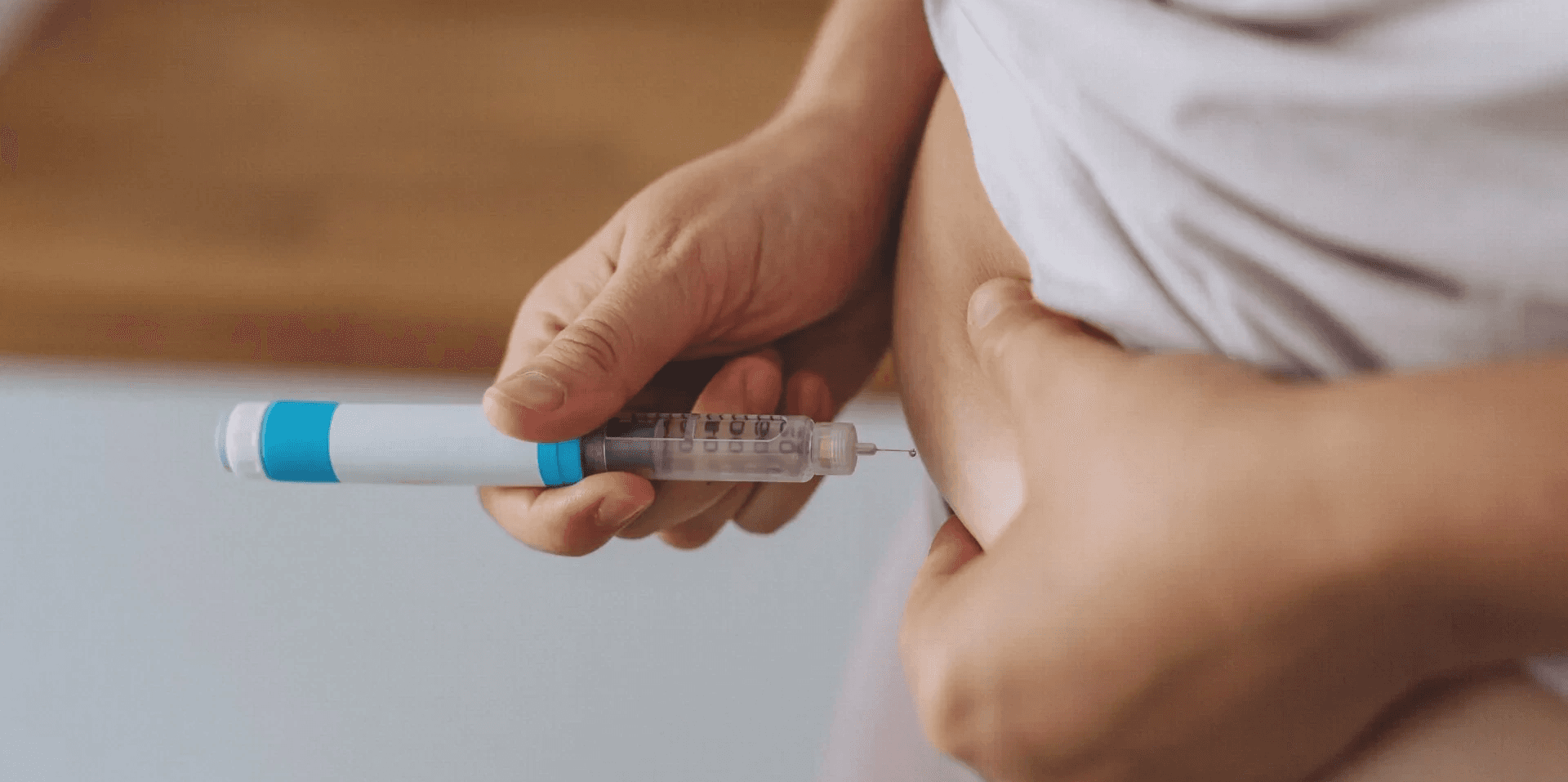
Most people feel only a slight pinch, if anything at all. The needle is thin, the injection is quick, and when you use the right technique, discomfort stays minimal. Pain isn't a given with semaglutide injections. It's usually tied to how you prepare the site, how steady your hand is, and whether you're rotating injection areas consistently.
The anxiety around injections often looms larger than the actual experience. You consider the worst: a sharp sting, lingering soreness, maybe even bruising that won't fade. But research involving 104 subjects comparing injection experiences with semaglutide found that most participants reported minimal discomfort when proper technique was followed. The anticipation creates tension in your body, which can make the injection feel worse than it needs to. Once you've done it a few times and realize it's manageable, that mental barrier starts to dissolve.
The difference between a smooth injection and a painful one often comes down to small details you control. If you rush, tense up, or skip steps in your routine, you'll feel it. But when you slow down and follow a few straightforward practices, the process becomes almost forgettable.
Why Technique Shapes Your Experience
Wet alcohol stings. If you swab your injection site and don't wait for it to dry completely, you're introducing alcohol into the puncture as the needle goes in. That causes a sharp, burning sensation that has nothing to do with the medication itself. Give it 10 to 15 seconds. Let the skin dry. The discomfort drops immediately. Injecting too quickly forces the medication into your tissue faster than it can be comfortably absorbed. You're creating pressure under the skin, which translates to a dull ache or tenderness afterward. A slow, steady push over several seconds allows the liquid to spread gently through the fatty tissue. Your body adjusts without protest.
Rotating injection sites matters more than most people realize. When you use the same spot week after week, the tissue becomes irritated, dense, and less forgiving. A study with 24 participants examining injection site experiences noted that rotating between different areas reduced localized sensitivity and improved overall comfort. Your abdomen, thigh, and upper arm all have enough fatty tissue to handle the injection. Switching between them each week gives each area time to recover, preventing the buildup of tenderness or scar tissue.
Consistency in these small habits transforms the experience. You stop dreading the injection because you know what to expect. The process becomes routine, not a source of stress. MeAgain's GLP-1 app helps you build that consistency without mental effort. Instead of trying to remember which thigh you used last Thursday or whether you've been rotating properly, the app tracks every injection site, reminds you when it's time for your next dose, and suggests where to inject based on your history. It removes the guesswork so you can focus on doing it right, every time.
When Pain Signals a Mistake
Sometimes discomfort tells you something went wrong. If you feel a sharp, deeper pain during the injection, you might be hitting a muscle rather than fatty tissue. Semaglutide is designed for subcutaneous injection, which means it belongs in the layer of fat just beneath your skin, not deeper where muscle fibers sit. Muscle injections absorb medication faster, which can intensify side effects and reduce the drug's effectiveness over time.
The angle matters. A 90-degree angle keeps the needle in the right layer for most people. If you're leaner or injecting in an area with less fat, a 45-degree angle might work better. You're aiming for that soft, pinchable tissue. If you feel resistance or the needle goes deeper than expected, stop. Pull out, choose a different spot, and try again.
Injecting into the wrong area by mistake isn't dangerous, but it disrupts your routine and your results. If you think you've injected into a muscle, monitor how you feel over the next few hours. Watch for stronger nausea, fatigue, or any side effects that seem more intense than usual. For your next dose, adjust your technique. Pinch the skin to lift the fatty tissue away from the muscle, and inject at the correct angle. You learn by doing. After a few weeks, your hands know what the right depth feels like. The uncertainty fades, replaced by quiet confidence.
What Air Bubbles and Rushing Do
Air bubbles in your syringe won't hurt you, but they can throw off your dose. If you inject a bubble along with your medication, you're getting slightly less semaglutide than intended. Over time, that inconsistency adds up. Before you inject, hold the syringe upright, tap it gently to move bubbles to the top, and push the plunger just enough to expel them. A small bead of liquid should appear at the needle tip. That tells you the air is gone.
Rushing through the injection invites mistakes. You forget to let the alcohol dry, you don't check for bubbles, or you inject at the wrong angle because you're distracted. Even slowing down by 30 seconds improves everything. You give yourself time to notice what's happening, adjust if needed, and complete the injection with intention.
The discomfort you feel often reflects how present you are in the moment. When you're anxious or hurried, your body tenses. That tension makes the needle feel sharper, the medication feel heavier. When you breathe, relax your shoulders, and move deliberately, the whole experience softens. But knowing what to do isn't always enough when the fear of doing it wrong still lingers.
Related Reading
How To Inject Semaglutide if You're Afraid of Doing It Wrong
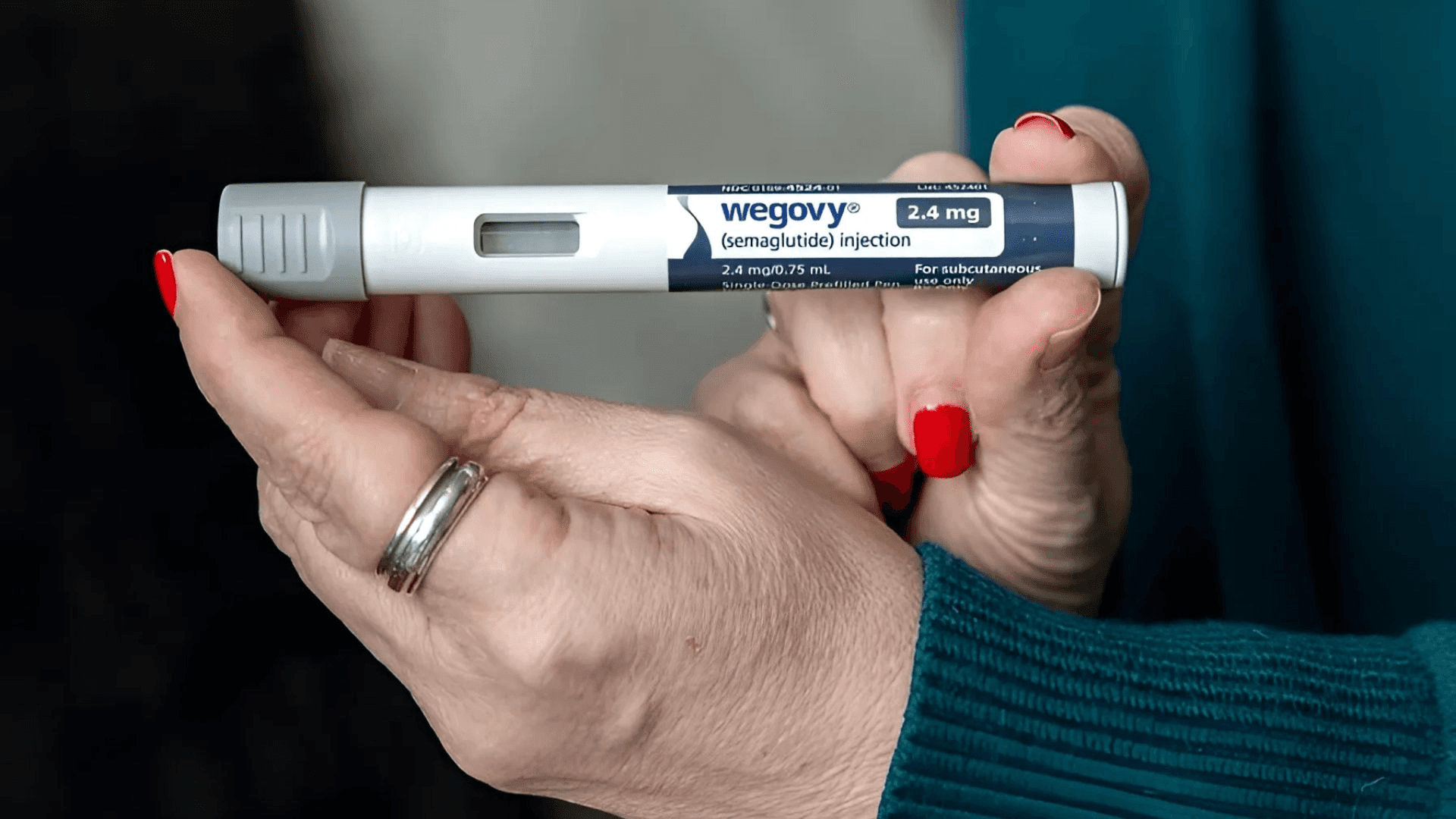
You follow your prescriber's instructions. That's the foundation. Semaglutide comes with dosing guidelines specific to your treatment plan, which take into account your medical history, current health status, and how your body responds to the medication. Deviating from them introduces risk you don't need to take. Beyond that, the mechanics of injecting semaglutide are straightforward once you understand what you're doing and why each step matters.
Semaglutide is a glucagon-like peptide-1 (GLP-1) receptor agonist delivered through subcutaneous injection. That means the medication goes into the fatty tissue just beneath your skin, not into muscle or directly into your bloodstream. The needle is small, thin, and designed for this exact purpose. Once you've done it a few times, the process feels almost automatic. But the first injection? That's where the fear lives, because you're holding a syringe and wondering if you're about to hurt yourself or waste the dose.
The anxiety isn't irrational. You're injecting medication into your own body, and you want to get it right. But the mechanics are simpler than the worry suggests. You pick a site, prepare the injection, insert the needle, push the plunger, and remove it. The entire process takes less than a minute. What makes it feel overwhelming is the uncertainty around each of those steps and whether you're doing them correctly.
Choosing Your Injection Site
Semaglutide works in three areas: your abdomen, the front of your thigh, or the back of your upper arm. Each site has enough subcutaneous fat to absorb the medication properly. Your abdomen offers the largest surface area and easiest access. Pick a spot at least two inches away from your belly button. Avoid areas with scars, moles, or bruises. The skin there should be soft and pinchable.
Your thigh works well if you prefer sitting down during the injection. Choose the front or outer part of your thigh, about halfway between your knee and hip. Stay away from the inner thigh, where the skin is thinner and more sensitive. The upper arm requires a bit more flexibility or help from someone else, since you're injecting into the back of the arm between your shoulder and elbow. That area can be harder to reach, but it's just as effective as the other sites.
Rotating between these areas each week prevents tissue irritation. When you use the same spot repeatedly, the skin becomes tender, and the medication absorbs less efficiently. Your body needs time to recover between injections. Switching sites gives each area a full week to heal before you return. If you injected into your left abdomen last week, move to your right thigh this week, then your upper arm the following week. The pattern matters less than the consistency.
For people who find needles intimidating, the upper arm might feel less confrontational. You're not watching the needle go in, which removes some of the visual anxiety. Others prefer the abdomen because they can see what they're doing and feel more in control. Neither choice is wrong. Pick the site that makes you feel most comfortable, then stick with a rotation that works for you.
Preparing the Injection
Gather everything before you start. You need the semaglutide vial, a sterile syringe with a needle, an alcohol swab, and a sharps container for disposal. Wash your hands thoroughly with soap and water. Skipping this step invites bacteria to the injection site, which can lead to infection. Your prescriber will specify your dose in milligrams, but the syringe measures in units. If that feels confusing, you're not alone. A typical starting dose is 0.25 milligrams, which translates to a specific number of units on your syringe. Your treatment kit includes instructions that match milligrams to units. Double-check the conversion before you draw the medication. Getting the dose wrong means either underdosing, which reduces effectiveness, or overdosing, which intensifies side effects.
Remove the cap from the vial and wipe the rubber top with an alcohol swab. Let it dry completely. Pull back the syringe plunger to draw air equal to your prescribed dose, then insert the needle into the vial and push the air in. This breaks the vacuum seal, making it easier to withdraw the liquid. Turn the vial upside down, keep the needle tip submerged in the medication, and slowly pull the plunger back to draw your dose.
Check for air bubbles. Hold the syringe upright and tap it gently. Bubbles rise to the top. Push the plunger slightly to expel them, watching for a small bead of liquid at the needle tip. If you pushed out too much medication, draw a bit more to reach the correct dose. Air bubbles won't harm you, but they displace medication, leaving you with less semaglutide than intended. Over time, that inconsistency undermines your results.
Inserting the Needle
Clean your chosen injection site with a fresh alcohol swab. Wait until the skin is completely dry. Wet alcohol burns when the needle punctures the skin, creating discomfort that has nothing to do with the injection itself. Those extra 10 seconds of drying time make a noticeable difference. Pinch a section of skin between your thumb and forefinger. This lifts the fatty tissue away from the muscle, ensuring the needle stays in the subcutaneous layer. Hold the syringe like a pencil, with your thumb on the plunger and your index and middle fingers supporting the barrel. Position the needle at a 90-degree angle to your skin. If you're leaner or injecting in an area with less fat, a 45-degree angle works better. The goal is to reach the fatty layer without penetrating the muscle.
Insert the needle in one smooth, quick motion. Don't hesitate or push slowly. A confident, steady movement reduces discomfort. Once the needle is fully inserted, pause. Release the pinched skin if you were holding it. Push the plunger down slowly and steadily until all the medication is injected. Rushing this step forces the liquid in too fast, creating pressure and soreness. A slow push over several seconds allows your tissue to absorb the medication comfortably.
When the plunger reaches the bottom, count to five before removing the needle. This gives the medication time to settle into the tissue and prevents leakage. Pull the needle straight out at the same angle you inserted it. Don't twist or angle it as you remove it. Apply gentle pressure with a clean cotton ball or gauze if needed, but don't rub the area. Rubbing can irritate the skin and spread the medication away from the injection site.
Disposing of the Syringe
Immediately drop the used syringe and needle into a sharps container. Don't try to recap the needle. That's when accidental needle sticks happen. If you don't have a sharps container, use a hard plastic bottle with a screw-on lid, like an empty laundry detergent jug. Label it clearly and keep it out of reach of children and pets. Once the container is full, seal it and check with your local waste management service for disposal instructions. Many pharmacies also accept sealed sharps containers.
Store your semaglutide vial in the refrigerator between injections. Keep it away from the freezer. Frozen medication loses effectiveness and cannot be used. If you're traveling, use a cooler with ice packs to keep the temperature right. Once the vial is empty, throw it in your regular trash. The glass vial itself doesn't require special disposal; only the needles do.
What Happens When You Forget a Step
Skipping the alcohol swab increases your risk of infection. Bacteria on your skin can enter through the puncture, leading to redness, swelling, or pain at the injection site. If you notice any of these symptoms, contact your prescriber. Most infections are minor and resolve with proper care, but ignoring them can lead to complications.
Forgetting to rotate injection sites creates lumps under your skin called lipohypertrophy. These areas of thickened tissue poorly absorb semaglutide, reducing its effectiveness. If you've been injecting in the same spot and notice firmness or swelling, switch to a different area immediately. The lumps usually fade over time, but they can take weeks or months to fully resolve. Injecting too quickly causes soreness that lingers for hours or even days. The medication pools in one spot instead of spreading through the fatty tissue. Your body eventually absorbs it, but the process feels uncomfortable. Slowing down your injection technique prevents this entirely.
Most people hit their stride after the first few injections. You stop overthinking each step because your hands remember the sequence. The syringe feels less foreign. The needle stops looking intimidating. You develop a rhythm that turns the process into a weekly routine instead of a weekly challenge. That confidence comes from repetition, not perfection. Every injection teaches you something about what works for your body and your comfort level. But getting the mechanics right is only part of the equation when your goal is consistent, effective treatment.
Related Reading
Why Proper Semaglutide Injection Matters for Safety and Results

When the medication reaches the right tissue layer at the right depth, your body absorbs it predictably. That consistency determines whether semaglutide delivers steady blood sugar control or weight loss momentum. Poor technique doesn't just cause temporary discomfort. It disrupts absorption, creates localized inflammation, and can trigger side effects that make you question whether the medication is working at all.
The connection between how you inject and what you feel over the following days isn't obvious until you've experienced both sides. A rushed injection into ta ense muscle instead of relaxed subcutaneous fat can leave you with soreness that radiates for 48 hours. The medication still enters your system, but the distribution is uneven.
Your body has to work harder to process it, which amplifies nausea, fatigue, or digestive upset. Meanwhile, the therapeutic effect becomes less reliable because muscle tissue metabolizes semaglutide faster than fat tissue, creating peaks and valleys in your medication levels rather than the smooth, sustained release the drug is designed to provide.
How Injection Depth Changes Absorption
Semaglutide belongs in the subcutaneous layer, that soft cushion of fat between your skin and muscle. When the needle stops there, the medication slowly disperses through fatty tissue, releasing into your bloodstream at a controlled rate over the course of days. This gradual absorption is why you only inject once a week. The drug maintains therapeutic levels without dramatic spikes.
Hit muscle instead, and the absorption accelerates. Muscle tissue is densely vascularized, allowing medication to enter circulation faster than intended. You might think that quicker absorption sounds beneficial, but it disrupts the medication's pharmacokinetics. According to research from UT Southwestern Medical Center, examining dosing variations, tripling the standard dose of semaglutide intensified side effects without proportional benefits, illustrating how absorption speed and concentration directly impact tolerability. When the medication floods your system too quickly, you face stronger nausea, sharper appetite suppression, and more intense fatigue. The therapeutic window narrows.
Shallow injections create different problems. If the needle doesn't reach deep enough, medication pools just under the skin instead of spreading through fat. You'll notice a raised bump at the injection site that persists for hours or even days. The medication absorbs unevenly, sometimes leaking back out through the puncture site. You lose part of your dose without realizing it, which undermines your treatment consistency.
Why Injection Site Inflammation Happens
Your body treats any puncture as minor trauma. White blood cells rush to the area, triggering localized inflammation as part of the healing response. That's normal. What turns normal inflammation into persistent irritation is repeated trauma to the same tissue before it fully recovers. When you inject into the exact same spot week after week, you're compounding that trauma. The tissue never gets a chance to heal completely. Scar tissue forms, creating firm nodules under your skin called lipohypertrophy. These areas feel different, harder, and less pliable than healthy fat. They also absorb medication poorly because the scar tissue reduces blood flow. The semaglutide sits in that hardened tissue longer, absorbing erratically and causing prolonged tenderness.
Injecting into inflamed or irritated skin makes everything worse. The tissue is already sensitized, so the needle feels sharper. The medication burns as it enters because the area is flooded with inflammatory chemicals. You're more likely to bleed or bruise because inflammation dilates blood vessels near the surface. Rotating injection sites breaks this cycle. Your abdomen, thighs, and upper arms offer enough surface area to spread injections across multiple zones. If you used your left lower abdomen this week, move to your right thigh next week, then your left upper arm the week after. Each area gets at least two weeks to recover before you return to it. The inflammation resolves, the tissue regains its normal texture, and future injections feel smoother.
Most people manage rotation by mental tracking, trying to remember which spot they last used. That works until life gets busy and memory fails. You end up defaulting to the same comfortable spot because it's familiar, not because it's optimal. MeAgain's GLP-1 app removes that guesswork entirely. It logs every injection site, tracks your rotation pattern, and suggests where to inject next based on your history. You don't have to remember which thigh you used three weeks ago. The app knows, and it guides you toward consistent rotation without mental effort. That consistency protects your tissue and maintains steady absorption.
The Mechanistic Link Between Technique and Comfort
Pain receptors sit densest in your skin, not in the fatty tissue below. A slow, hesitant needle insertion prolongs contact with those receptors, extending the discomfort. A quick, confident puncture minimizes that contact time. The needle passes through the pain-sensitive layer in a fraction of a second and settles into fat, where nerve endings are sparse.
The injection itself shouldn't hurt if you're in the right tissue layer. The pain during actual medication delivery is caused by pressure. When you push the plunger too fast, you're forcing liquid into tissue faster than it can accommodate the volume. That creates hydraulic pressure, stretching the surrounding fat and triggering a dull ache. Slow the injection down to five or six seconds, and the tissue expands gradually. The pressure dissipates, and the discomfort fades. Temperature plays a surprising role. Cold medication straight from the refrigerator feels thick and viscous. It flows slowly through the needle and spreads sluggishly through tissue. That sluggishness increases the pressure you need to apply to the plunger, resulting in more discomfort. Letting the syringe or pen sit at room temperature for 15 minutes before injecting makes the medication flow more smoothly. The injection feels gentler because the liquid disperses more easily.
Alcohol that hasn't fully dried stings when the needle breaks the skin. You're introducing a chemical irritant directly into a fresh puncture. That sharp, burning sensation has nothing to do with your injection technique. It's entirely preventable. Clean the site, then count to 15. Let the alcohol evaporate completely. The discomfort vanishes.
How Improper Technique Undermines Treatment Consistency
Inconsistent absorption creates inconsistent results. If one week's injection absorbs quickly because you hit muscle, and the next week's absorbs slowly because you went too shallow, your medication levels fluctuate. You might feel great one week and struggle with side effects the next, not because the medication changed, but because your technique varied.
RACGP newsGP research examining semaglutide's broader health impacts identified 42 health outcomes with reduced risk when the medication is used consistently, demonstrating how consistent dosing patterns amplify therapeutic benefits beyond weight or glucose control. That consistency depends on stable absorption, which depends on a repeatable technique. Bruising, while not dangerous, signals that you've nicked a blood vessel. Blood vessels sit throughout subcutaneous tissue, but they're more concentrated in certain areas. Injecting into a bruised spot compounds the problem because the tissue is already damaged and inflamed. The medication absorbs unevenly, and the bruise takes longer to heal.
Lumps under the skin, whether from lipohypertrophy or medication pooling, disrupt the smooth absorption curve that semaglutide is designed to provide. You're essentially creating a depot of medication that releases unpredictably. Some of it might absorb faster than expected, while some might absorb more slowly. That unpredictability makes it harder to gauge how well the medication is working and whether side effects are related to dosing or technique.
Building Confidence Through Repetition
The first few injections feel foreign because your hands don't know the motion yet. You're thinking through every step: angle, depth, speed, pressure. That cognitive load creates hesitation, and hesitation creates tension. Your muscles tighten, which makes the injection feel more uncomfortable. By the fourth or fifth injection, your hands start to remember. The syringe feels less awkward. The angle becomes intuitive. You stop overthinking the plunger speed because your thumb knows how fast to push. That muscle memory doesn't come from perfection. It comes from repeating the same motion, adjusting slightly each time slightly based on how you feel.
Confidence reduces pain perception. When you trust that you know what you're doing, your body relaxes. That relaxation alone makes the needle feel less sharp, and the medication feel less intrusive. You're not bracing against anticipated pain, so you don't create the tension that amplifies discomfort. Every injection teaches you something about your body's response. You learn which sites feel more comfortable, which angles work better for your build, and how much pressure you need on the plunger to keep the flow steady. That knowledge accumulates, turning a clinical procedure into a routine that fits smoothly into your weekly rhythm. But confidence in technique only takes you so far when the real challenge is maintaining that consistency week after week without slipping.
Build Confidence and Consistency Between Semaglutide Injections
Mastering the injection technique is only half the work. The other half occurs in the six days between doses, when your habits either support or undermine the medication's effects. What you eat, how you move, whether you stay hydrated, and how you respond to side effects all determine whether semaglutide delivers sustained progress or sporadic results. Consistency in those daily choices compounds over weeks, turning the medication into a reliable tool rather than a weekly ritual that feels disconnected from the rest of your life.
The challenge isn't knowing what to do. Most people understand they should prioritize protein, drink enough water, and avoid foods that trigger nausea. The challenge is remembering to do those things consistently when life gets busy, when fatigue sets in, or when side effects make eating feel like a chore. That gap between intention and action is where progress stalls.
How Daily Habits Shape Medication Response
Semaglutide slows gastric emptying, which means food sits in your stomach longer than it used to. That delayed digestion helps you feel full for hours after eating, but it also means your body processes nutrients differently. If you eat a heavy, high-fat meal, it lingers uncomfortably. The fullness that should feel satisfying turns into bloating and nausea that lasts well into the evening.
Protein becomes more important, not less. Your body needs amino acids to maintain muscle mass while losing weight. When you're eating less overall because the medication suppresses appetite, every meal has to work harder to fill you up. A breakfast with 25 grams of protein supports muscle retention and keeps energy steady. A breakfast with 8 grams of protein leaves you running on empty by midmorning, even if you're not hungry.
Fiber prevents the constipation that plagues many people on GLP-1 medications. Slower digestion combined with reduced food intake means your digestive system moves more slowly. Without enough fiber, that slowdown turns into days of discomfort. Adding vegetables, whole grains, or a fiber supplement keeps things moving without forcing you to overeat.
Hydration affects everything from energy levels to how intensely you feel side effects. Dehydration amplifies nausea, worsens fatigue, and makes it harder for your kidneys to process the medication efficiently. Most people underestimate how much water they're actually drinking. You think you're staying hydrated because you have a water bottle nearby, but you're sipping sporadically instead of drinking consistently throughout the day.
The problem is that tracking all of this mentally is exhausting. You're already managing injection timing, side effects, and the emotional adjustment of changing how you eat. Adding mental checklists for protein, fiber, water, and movement on top of that creates decision fatigue. You start skipping things not because you don't care, but because you're overwhelmed.
MeAgain's GLP-1 app removes that mental load. Instead of trying to remember whether you hit your protein goal yesterday or which injection site you used last week, the app tracks everything in one place. It reminds you when your next dose is due, suggests injection sites based on your rotation history, and helps you log daily habits like hydration and movement. You're not just tracking injections. You're building a system that supports every part of your treatment, one simple check-in at a time.
Why Side Effect Management Requires a Proactive Strategy
Side effects don't arrive on a predictable schedule. Some people feel nauseous within hours of injecting. Others experience fatigue two or three days later as the medication reaches peak concentration. Constipation might not show up until the second or third week. That unpredictability makes it hard to prepare, and by the time you're dealing with symptoms, you're already uncomfortable. The most effective side-effect management occurs before symptoms escalate. Eating smaller, more frequent meals prevents the overwhelming fullness that triggers nausea. Avoiding trigger foods, such as fried, greasy, or overly spicy dishes, reduces digestive upset. Staying ahead of constipation with daily fiber and water is easier than trying to resolve it after three days of discomfort.
Movement helps more than most people realize. Light activity after meals aids digestion and reduces the sluggish feeling that comes with delayed gastric emptying. You don't need intense workouts. A 10-minute walk after lunch or gentle stretching in the evening keeps your system engaged without overtaxing your energy reserves. Rest matters as much as activity. Semaglutide can cause fatigue, especially during the first few weeks as your body adjusts. Pushing through exhaustion by relying on caffeine or ignoring your need for sleep creates a cycle where side effects intensify. Listening to your body and allowing recovery time helps you maintain consistency over the long term.
Building Momentum Through Small Wins
Progress on semaglutide isn't linear. Some weeks you'll feel great, notice your clothes fitting differently, and have steady energy. Other weeks you'll struggle with nausea, feel tired, and wonder if the medication is still working. Those fluctuations are normal, but they erode confidence when you can't see the broader pattern. Tracking creates visibility. When you log your daily habits, you start to see connections. You notice that weeks when you hit your hydration goal consistently correlate with fewer side effects. You realize that prioritizing protein after your injection day reduces fatigue. Those insights turn vague impressions into actionable patterns you can replicate.
Small wins accumulate faster than dramatic changes. Hitting your protein goal three days in a row feels manageable. Doing it for a month builds momentum. Walking for 10 minutes after dinner doesn't feel transformative on day one, but by week six, it's a habit that supports digestion, mood, and sleep without requiring willpower. The act of checking in daily reinforces commitment. You're not waiting for weekly weigh-ins or monthly appointments to gauge progress. You're engaging with your treatment every day in small, meaningful ways that remind you why you started. That daily engagement creates a sense of control, even when results feel slow.
If you're injecting semaglutide and hoping the medication alone will carry you to your goals, you're leaving results on the table. The medication creates opportunity, but what you do between injections determines whether that opportunity translates into lasting change. Download MeAgain and turn your semaglutide journey into a system that feels manageable, motivating, and built to last.
Related Reading
What to Do When Semaglutide Stops Working
How Much Protein Should I Eat on Semaglutide
How to Track My Semaglutide Side Effects?
Best App for Tracking Semaglutide Results