
lifestyle
How To Track My Semaglutide Side Effects and Spot Patterns Early

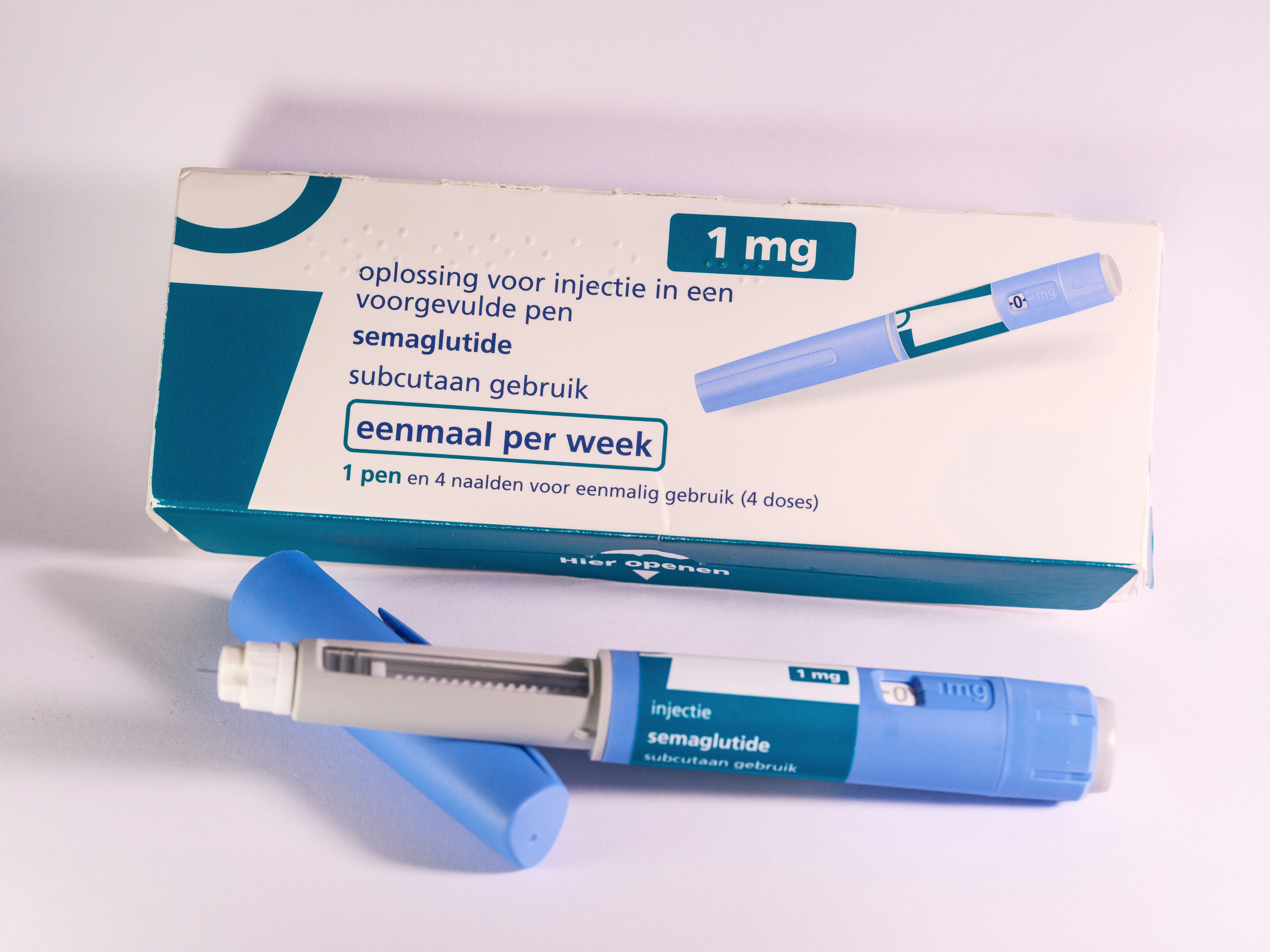
Semaglutide offers promising benefits for weight loss and diabetes management, yet its varying side effects can be challenging to interpret. Subtle symptoms such as intermittent nausea or energy fluctuations may leave patients wondering if what they experience is typical. How do I track my side effects from semaglutide? Converting everyday observations into clear, actionable patterns is essential for making informed treatment decisions.
Detailed tracking can transform vague experiences into useful insights for adjusting both treatment and lifestyle habits. A dedicated tool enables patients to log symptoms accurately and share valuable data with healthcare providers. MeAgain’s GLP-1 app simplifies this process by providing tools to monitor and analyze side effects, enabling a more tailored approach to care.
Summary
Semaglutide side effects often mimic everyday ailments like stress-related fatigue, stomach bugs, or poor sleep, making it nearly impossible to recognize medication-related patterns without systematic tracking. Nausea, diarrhea, constipation, and headaches all have dozens of plausible explanations when viewed in isolation, which is why the connection to your injection schedule stays hidden until you step back and examine the full picture over time.
Severe complications from semaglutide remain uncommon, with fewer than 4 emergency department visits per 1,000 patients reported in a Harvard-CDC study. However, this low rate of serious events creates a false sense that all discomfort should be dismissed as "the drug working." Persistent constipation, worsening stomach pain, or escalating symptoms often get normalized as inevitable rather than reported, blurring the line between expected adjustment and situations requiring medical attention.
Gradual side effects like muscle weakness, progressive fatigue, or constipation that start weeks after your first injection develop too slowly for memory to track accurately. By your follow-up appointment, you're left with vague impressions rather than facts about when symptoms began, how often they occur, or whether they're improving. Without timestamped records, it becomes impossible to separate medication effects from lifestyle changes or to distinguish between symptoms that will resolve and those that signal a need for intervention.
Tracking timing and frequency reveals more than tracking intensity alone. Nausea that consistently appears two days after your injection suggests a connection to the medication's peak concentration, while symptoms that cluster around dose increases or persist beyond initial adjustment periods tell your provider something actionable. Weekly patterns in appetite suppression, energy dips, or digestive issues become visible only when you anchor observations to concrete dates rather than relying on recall during a brief appointment.
Context transforms scattered symptom reports into useful clinical information. Noting whether nausea appeared after skipping breakfast, whether fatigue worsened during weeks of aggressive calorie restriction, or whether bloating coincided with trying new foods helps distinguish medication side effects from behavioral triggers. Research published in the British Journal of Clinical Pharmacology found that 5 to 10% of hospital admissions stem from adverse drug reactions that went unrecognized because patients and providers lacked detailed context about what was happening when symptoms developed.
MeAgain's GLP-1 app automatically connects symptom tracking to your injection schedule, organizing entries by date and dose so you can spot recurring patterns without hunting through weeks of scattered notes or trying to reconstruct timelines from memory during appointments.
Table of Content
Why Semaglutide Side Effects Are Easy to Miss or Misinterpret
What You Should (and Shouldn’t) Track When Monitoring Side Effects
Why Semaglutide Side Effects Are Easy to Miss or Misinterpret

Side effects from semaglutide don't always show up clearly. They can develop slowly, mix with everyday discomfort, and often feel like something else, such as a stomach bug, stress-related fatigue, or just the normal result of eating less.
Without a way to track symptoms each day, it becomes very hard to tell which ones are just the body's way of adjusting, and which ones are signals that you should talk to a healthcare provider about. To help manage symptoms effectively, consider our GLP-1 app to better monitor and understand your experiences.
Recognizing side effects as they happen is only part of the problem. It's also important to remember them correctly days or weeks later, connect them to specific doses or times, and explain patterns so that the healthcare team can make informed changes. When symptoms appear and go away unpredictably during the week, it’s easy to think they aren’t related to the medication.
These changes often follow a pattern linked to the drug's concentration cycle. Identifying that pattern through resources like PubMed Central can change confusion into understanding, giving useful insights for both patients and providers.
They Disguise Themselves as Everyday Ailments
Nausea that hits mid-morning often feels like something you ate. Persistent diarrhea for a few days may be due to a stomach virus. Fatigue is frequently attributed to poor sleep or a stressful week.
The most common side effects of semaglutide: nausea, vomiting, diarrhea, constipation, and general malaise, can feel like symptoms from many other reasons. This overlap makes it easy to miss the link to medication, especially in the first few weeks when the body is still getting used to it.
Heartburn and bloating often seem like they happen because of eating too quickly or choosing the wrong meal. However, semaglutide slows the rate at which food leaves the stomach, prolonging its stay there.
What might feel like indigestion from a heavy dinner could actually be your digestive system reacting to how the medication affects food processing. If you don't keep track of when these symptoms happen compared to your injection schedule, you might not notice this pattern.
Headaches and dizziness are often related to dehydration or skipping meals. Mood changes might feel like stress or hormonal changes. Hair thinning that happens months after starting treatment doesn’t directly link to the rapid weight loss caused by the drug.
Each symptom, looked at alone, has many possible explanations. But it is only when someone steps back to see the whole situation over time that the medication's role becomes clear.
They're Expected, So They Get Ignored
Starting a medication meant to control appetite and slow digestion can often cause discomfort. A little nausea might be seen as a sign that the drug is working well, and feeling full more quickly fits with the desired results.
This 'no pain, no gain' way of thinking can make people ignore early warnings of bigger problems. Because of this, ongoing constipation might be accepted as just part of the process, while stomach pain turns into something people just tolerate instead of talking about.
According to a Harvard and CDC study, fewer than 4 emergency department visits linked to semaglutide occurred per 1,000 patients. This shows that serious problems are rare. However, it is still important to monitor mild or moderate symptoms.
The difference between "working as intended" and "needing medical attention" isn't always clear. This can be even harder when you're dealing with it on your own and unsure of what feels normal for you.
Rapid weight loss brings visible changes, like looser clothing, compliments, and progress photos. However, it also leads to changes that people often do not celebrate or even notice at first. For instance, sagging skin, which some may call "Ozempic face" or "Ozempic butt", happens when fat loss happens faster than the skin can adjust.
Also, muscle loss can occur without showing up on a regular scale, leading to feelings of weakness or tiredness that might be hard to explain. These problems are rarely talked about as side effects because they are often seen as a natural part of weight loss. Still, they are closely linked to how quickly the medication works, so it is important to closely monitor these changes, just as one would track nausea or changes in appetite.
They Develop Too Slowly to Notice
Not every side effect shows up right away. For example, constipation might start weeks after your first injection, even after you've gotten used to the initial wave of nausea.
Similarly, fatigue can gradually creep in, making it hard to notice how tired you've become until you find it tough to get through a normal day. Muscle weakness doesn't announce itself; instead, it shows up as needing an extra second to stand from a chair or feeling out of breath climbing stairs that you used to manage easily.
Memory gaps can make it harder to notice gradual changes in symptoms. You might remember feeling nauseous in week two, but by week six, can you recall if the constipation started before or after your dose increased? Did the fatigue begin when you started the medication, or when you also began a new exercise routine? Without a record, it's impossible to tell the difference between the effects of the medication, your lifestyle changes, or natural ups and downs in how you feel.
Tracking symptoms is less about just keeping medical records and more about gaining personal clarity. By writing down symptoms as they happen, even the mild ones, you create a timeline that shows patterns your memory might miss.
For example, you might see that stomach pain often comes two days after your shot or that your energy levels drop around the time when the medication is at its strongest. These patterns give you specific words to talk about your experiences with your provider, turning unclear worries into clear observations that can help provide better advice.
How can apps assist in symptom tracking?
MeAgain's GLP-1 app helps you capture details in real time so you aren't scrambling to remember weeks of symptoms during a five-minute appointment. You can log what you're feeling as it happens, and the app organizes this information into a clear view of how your body is responding over time. This clarity not only helps your provider adjust your treatment but also allows you to feel more in control of your own experience.
Serious Symptoms Hide in Plain Sight
Mild abdominal pain that comes and goes might not seem like a big deal; however, if the pain is constant or getting worse, it could signal pancreatitis, especially if it is also accompanied by nausea or vomiting.
Vision changes in someone with diabetes may seem like a normal part of their condition. But a quick improvement in blood sugar levels can temporarily worsen diabetic retinopathy.
Feeling dizzy or shaky could be a sign of low blood sugar, especially if a person is taking other diabetes medications along with semaglutide.
The problem is not that people ignore severe symptoms; it's that symptoms don't always seem severe until they have been building for a while. A little stomach pain one day, a bit worse the next, and tolerable but annoying by the third day can create a sense of complacency. By the time it feels urgent enough to call your provider, the pattern has often been developing for longer than one realizes.
Tracking helps catch escalations earlier, preventing them from progressing into territory that requires emergency care.
Mood changes and worsening depression sometimes get dismissed as unrelated to a "diabetes or weight loss shot." But mental health changes are side effects worth watching, especially when they show up or get worse after starting treatment. Hair loss, which often occurs due to rapid weight loss rather than the medication itself, still deserves attention because it shows how quickly your body is changing.
These aren't symptoms that will send you to the emergency room, but they do affect your quality of life and your confidence in sticking with the treatment.
Memory Fails When You Need It Most
During a follow-up appointment, when your provider asks how you've been feeling, you may find it hard to remember specific details. You recall feeling nauseous during the first week, and you might have had some problems with constipation, but you aren't sure if that was last week or two weeks ago. Also, you wonder if the fatigue started before or after you increased your dosage.
You want to give helpful answers, but the details often get mixed up. Without notes, you rely on impressions rather than clear facts, making it harder for your provider to adjust your treatment properly.
This isn't a failure of attention; it's how memory works. Symptoms you experience every day do not get stored in long-term memory the same way significant events do.
For example, you are more likely to remember the day you felt so nauseous that you couldn't work than the three days of mild queasiness that came after. However, those milder, recurring symptoms often matter more when looking for patterns or deciding whether a side effect is getting better or becoming long-lasting.
How does tracking help in distinguishing between factors?
Consistently logging symptoms helps with this issue. It should not feel like a chore, but instead be a tool that helps you gain clearer insight into your personal experiences.
When people can look back at a week's worth of entries and say, "I had mild nausea on Tuesday and Thursday, both about two days after my injection," they give their healthcare provider useful information.
Also, noticing that constipation showed up in week three and hasn't improved since shows a trend that might not be noticed until it gets uncomfortable enough to need attention.
What role does observation play in symptom tracking?
Tracking helps separate medication effects from other factors in life.
For example, if you started a new diet the same week you increased your dose, your log will show whether the stomach issues began before or after that change.
If you feel more anxious lately, your entries might reveal whether it aligns with your injection schedule or is unrelated and worth checking out separately. This clarity reduces anxiety because you're no longer guessing; you're observing.
Why is it challenging to know what to track?
Knowing what to track and how to understand it isn't always clear, especially when trying to get through the week.
Related Reading
What You Should (and Shouldn’t) Track When Monitoring Side Effects
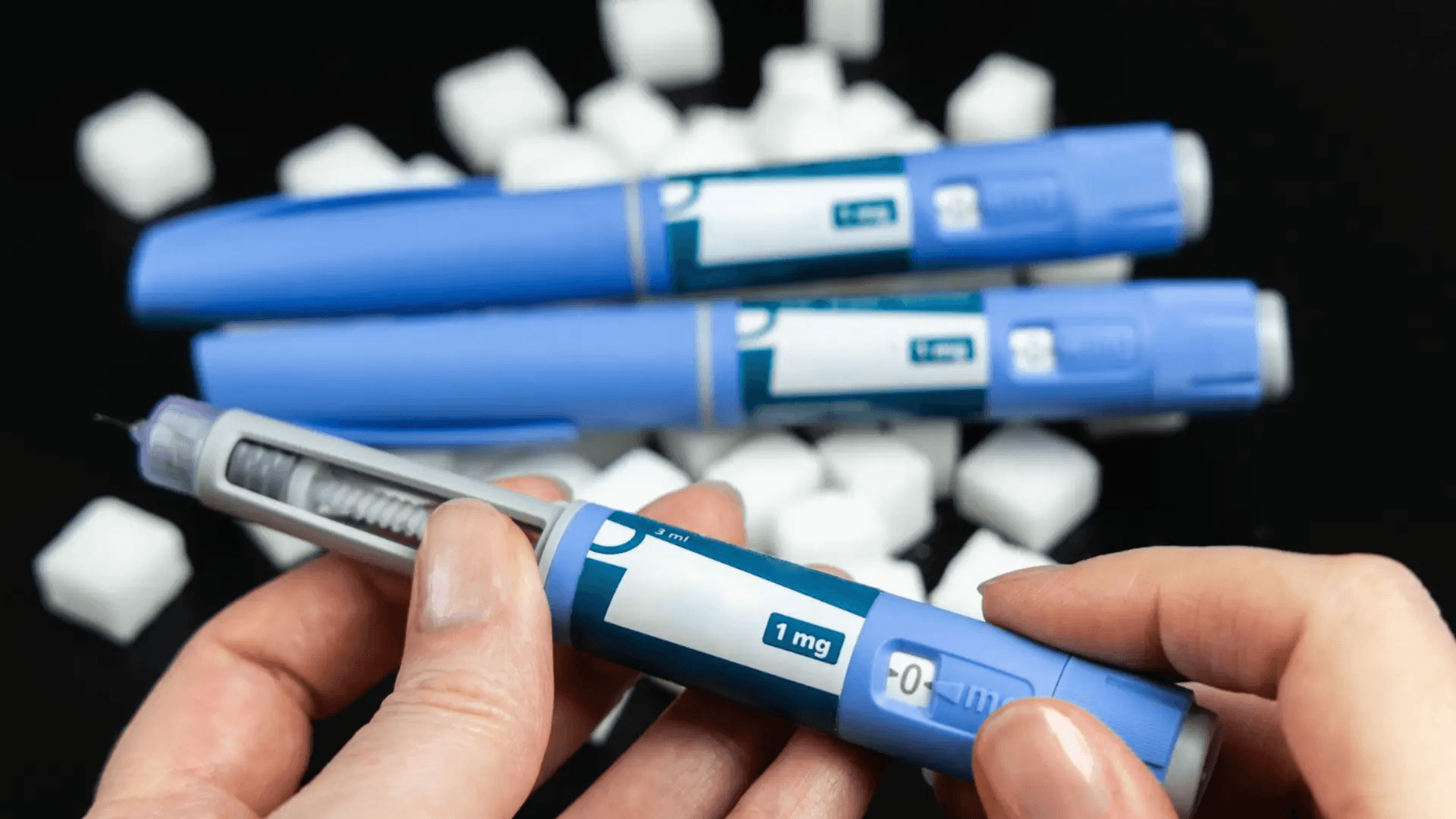
You don't need a medical degree or a complex tracking system to effectively monitor side effects. What matters is noticing patterns in how you feel and capturing enough context to make sense of them later. Most people think tracking means making detailed logs with clinical precision; however, that approach can quickly lead to burnout and misses the point. You're not diagnosing yourself.
Instead, you're building a personal record that helps you and your provider see what is actually happening over time, rather than relying on memories weeks later.
The goal is observation, not evaluation. You're noting what happens when it happens and what else was going on at the time. That's it. You're not trying to decide whether your nausea is normal or if your fatigue means something is wrong.
You're creating a timeline that reveals patterns your memory can't hold and your provider can't see without your help. Additionally, utilizing a GLP-1 app can streamline your tracking process, making it easier to document your observations and share them with your healthcare team.
Timing and Frequency Matter More Than Intensity
The timing of a symptom in relation to your injection schedule tells a significant story. For instance, nausea that consistently appears two days after your shot suggests a connection to the medication's peak concentration. Similarly, constipation that begins a week into your new dose and persists for a while is a concern worth noting, even if it seems manageable.
By tracking when symptoms occur, how long they last, and whether they recur, you can create a detailed map of your body's responses. This approach changes vague complaints into specific observations.
What should you log about symptoms?
You don't need to log every twinge or passing discomfort. However, when something keeps coming back, gets worse, or lasts longer than expected, that's worth noting.
For example, did the stomach pain happen just once after a big meal, or has it happened three times this week, no matter what you've eaten? Does the fatigue go away by afternoon, or does it stay with you all day? How often and when you feel these symptoms gives your doctor the context they need to tell the difference between temporary adjustment symptoms and patterns that need attention.
Date and time stamps are important because they tie your experiences to something real. Just saying, "I felt nauseous last week" doesn't help anyone make choices. Instead, giving details like, "I felt nauseous on Tuesday and Thursday, both around 10 a.m., two days after my injection" gives your doctor useful information to work with. This method also helps you find patterns you might not notice otherwise, such as symptoms that occur around the same time in your weekly cycle or side effects that appear only after dose increases.
Severity Doesn't Require a Scale
There’s no need to rate your nausea on a scale of one to ten. Such precision feels too formal and can quickly become tiring. Instead, describe how the symptom affected your day in plain language.
Mild nausea means you noticed it but were still able to keep going. Moderate nausea means it slowed you down or made you skip a meal. Severe nausea stops you from doing what you had planned, whether that’s work, exercise, or just getting through daily activities.
This idea also works for pain, fatigue, or any other symptom that changes in intensity. The goal is not to create a medical chart but to help your future self and your provider understand whether this was a passing annoyance or something that really disrupted your life.
This difference is important when deciding whether to adjust your dose, change your injection timing, or explore better ways to manage the symptom.
Why is context important for symptoms?
Context makes severity more meaningful. For example, feeling exhausted after a poor night's sleep is different from feeling exhausted after getting eight hours of rest. Also, stomach pain that goes away after drinking water tells a different story than pain that continues despite trying several remedies.
When discussing severity, it is helpful to include a sentence that describes what was happening at that moment. This extra detail changes a vague complaint into valuable information.
Context Connects Symptoms to Causes
Tracking lifestyle factors such as what you eat, how much you drink, whether you exercise, and changes in your routine can greatly affect how you feel. This process doesn't need you to log every meal or activity; instead, it involves noticing specific details that might explain when you feel symptoms. For example, if you felt dizzy an hour after skipping breakfast, that detail is important to share. Likewise, if constipation started the week you ate less fiber, knowing that link is important.
How can patterns reveal the cause of symptoms?
Many people experience side effects that seem random until they look at the bigger picture. For instance, nausea that only shows up on mornings when you inject on an empty stomach suggests a simple fix.
Similarly, fatigue that worsens during weeks when you're also cutting calories more sharply might mean you're undereating for your level of activity. Bloating that happens when you try new foods or eat larger portions than your body can manage points to a mismatch between your habits and how your body processes food.
What does research say about tracking side effects?
According to research published by the British Journal of Clinical Pharmacology, 5 to 10% of hospital admissions are due to adverse drug reactions. Many of these reactions go unrecognized because patients and providers lack detailed context about what was happening when symptoms developed. You're not trying to prevent hospitalization by tracking side effects from semaglutide. You're building clarity so that minor issues get addressed before they escalate, and patterns get identified before they become chronic.
What You Don't Need to Track
You don't need to write down every symptom using complicated medical words. For example, saying "gastric discomfort" instead of "my stomach hurts" doesn'tmake your notes better. Your provider will ask follow-up questions if they need more details. What's important is that you describe the experience in words that make sense to you while giving enough detail to help the conversation.
You also don't need to figure out if a symptom is normal or try to diagnose yourself. That's the job of your provider, and trying to do it can often cause more worry than understanding. If something doesn't feel right, make a note of it. If it keeps happening or gets worse, talk about it at your next appointment.
You're not expected to know whether your headache is due to dehydration, changes in blood sugar, or something unrelated to medication. Instead, you should say that the headache happened, how it felt, and what else was going on at that time.
What happens if you miss logging a symptom?
Avoid the urge to track everything perfectly. Missing a day or forgetting to log a mild symptom does not lower the value of your record. Consistency over time is more helpful than trying to be perfect with every entry.
A few weeks of rough notes that show recurring patterns will always be more useful than three days of detailed logs followed by weeks of not doing it because the process feels too hard.
How can an app improve tracking?
A common method for tracking symptoms is using a notes app or writing them down on paper whenever they come to mind. However, this can become a problem when trying to find specific entries during an appointment or remembering if that stomach pain happened last Tuesday or two weeks ago. As treatment continues, spotting patterns can get harder, making scattered notes less useful.
The MeAgain GLP-1 app helps by organizing symptom tracking in one place. It automatically adds timestamps to entries and links them to your injection schedule. This makes it easy to see patterns without digging through weeks of notes. Having this structure changes observation into clarity, reducing extra work in your day.
Skip the Medical Jargon and Overly Detailed Logs
Writing entries like a clinical report does not make them better. Your provider does not need medical jargon; they need a clear description of what happened.
Using everyday language helps them understand how the symptom affected you and whether it fits into a larger pattern. For example, saying, "I felt really nauseous after breakfast and couldn't finish my coffee" is more helpful than saying something like, "experienced moderate nausea, approximately 8:30 a.m., possibly related to food intake."
Also, overly detailed logs can become hard to keep up with. If tracking symptoms feels like homework, there’s a good chance you will stop doing it. The goal is to capture enough information to be useful without making it a chore.
Usually, a sentence or two per symptom is enough. You're not writing a case study; instead, you are creating a reference that helps you to remember what happened and giving your provider insight into how your body is responding.
What is the key to effective tracking?
The key is consistency, not complexity. Whether your nausea lasted fifteen minutes or an hour is less important than noting that it happened twice this week, both times after meals and within two days of your injection. This pattern gives your provider useful information.
Focusing on exact times or trying to measure every feeling adds extra work without increasing value.
Mood and Energy Deserve the Same Attention as Physical Symptoms
Feeling more anxious, unusually irritable, or persistently low in energy is a side effect worth tracking. Mental and emotional changes often don't get the same attention as nausea or stomach pain, but they affect quality of life just as much.
If your mood changes noticeably after starting semaglutide or increasing your dose, that is important information your provider needs to help decide whether to adjust your treatment or look for other support.
Fatigue that doesn't improve with rest, trouble concentrating, or feeling emotionally flat may be related to how your body is adjusting to the medicine or to sudden changes in your weight and nutrition. These symptoms can feel unimportant, making them easy to overlook. However, when they last or interfere with your daily life, they need the same observational tracking as physical discomfort. Key points to consider include fatigue, concentration difficulties, and emotional flatness.
What details are important for provider discussions?
It's not necessary to analyze whether the medication caused the mood change or if other factors in life are responsible. Instead, focus on noting that it happened, when it started, and whether it is improving or getting worse over time. This information is enough to start a conversation with your provider about whether it's worth addressing.
Providers cannot adjust treatment based on a statement like, "I've been feeling kind of off lately." They need specific details: When did it start? How often does it happen? Does anything make it better or worse? Has it changed since your last appointment?
Giving these specifics turns a vague concern into a clear basis for them to respond with concrete guidance.
What Actually Helps Your Provider Make Decisions
The patterns tracked help providers distinguish between symptoms that are likely to resolve as the body adjusts and those that indicate a need for help. For example, nausea that starts in the first week after a dose increase and lessens by week three follows a clear adjustment pattern. On the other hand, nausea that begins mildly and gets worse over a month means that something else might be wrong.
Without your notes, your provider has to guess; with your notes, they can use reliable information. Tracking with the GLP-1 app can help streamline this process.
What benefits does tracking provide?
Tracking protects against underreporting or overreporting that can occur due to temporary feelings. For example, if you're having a good week, it's easy to forget the problems you faced last month.
On the other hand, when going through a tough time, every problem may feel worse than it really is. Keeping a log gives you an accurate picture that isn't affected by recent feelings or the stress of trying to remember details in the moment.
However, knowing what to track is only half the challenge; the harder part is keeping this practice going consistently without letting it take over your day.
Related Reading
How to Track My Semaglutide Side Effects Consistently

The easiest tracking methods are those that don't need you to change your whole routine. You need something simple enough to use when you're tired, distracted, or are dealing with the specific symptoms you want to note.
Complicated systems fail because they take energy you might not always have. What works is capturing the basics: date, symptom, severity, and context, in a way you can keep up with week after week without it feeling like just another task taking your attention.
Consistency is better than being thorough every time. A few sentences logged regularly over months will give you more information than pages of detailed notes that you stop writing after two weeks.
The goal isn't to be perfect; it's to build a habit that lasts through your busiest days and your worst symptoms. This creates a record that becomes valuable because you consistently add to it.
Use a Dedicated Semaglutide Tracking App for Dose and Progress Monitoring
A tracking app made specifically for GLP-1 medications removes the barriers that often make tracking hard. It sends reminders when your next dose is due, which is more important than it may seem. When your injection day is on a busy Tuesday or a weekend trip, that reminder helps you avoid missing doses or trying to remember whether you already took this week's shot. Our GLP-1 app, designed for semaglutide, also lets you log injection sites with a simple tap, helping you rotate spots without needing to remember which arm or thigh you used last time.
How do progress charts help your tracking?
Progress charts change scattered bits of information into easy-to-understand visuals. You can clearly see trends in weight, how often side effects occur, and changes in appetite.
For instance, you might find that nausea is at its worst two days after your injection every week, or that your energy levels usually drop around day five. These patterns can be missed when your notes are just in a paper journal or scattered phone memos. The app keeps everything organized by date and dose, so when your doctor asks how you have been feeling, you're not just taking a guess; you're looking at the facts.
Why is consistency crucial for compounded semaglutide?
For people using compounded semaglutide, consistency is essential. Dosing can vary between pharmacies, so tracking your usage helps to determine whether the current formulation is working as expected or if side effects are stronger than they should be. Apps enable users to log dosage changes, pharmacy switches, or formulation adjustments alongside their symptoms. This creates a complete picture of what is happening as various factors change.
How does a tracking app improve telemedicine experiences?
Patients who use telemedicine programs for treatment often miss face-to-face check-ins that help catch small problems before they become big ones. A tracking app can help with this issue. By writing down their experiences as they happen, patients do not have to try to summarize weeks of symptoms in a short video call.
When something feels wrong but is hard to put into words, the log gives clear insights. It shows healthcare providers the patterns that patients notice but may find difficult to explain.
Record Each Injection Date, Time, and Any Side Effects in a Journal
A common way to track injections is to use a notes app whenever someone remembers to write it down. This method works until life gets busy, which can make entries less regular. As treatment progresses and it becomes harder to remember patterns, scattered notes become less useful.
MeAgain's GLP-1 app brings together symptom tracking, injection reminders, and progress charts all in one place. It automatically links symptoms to the dosing schedule, helping find patterns without searching through weeks of scattered notes. This setup makes daily observation clearer without needing extra mental effort to handle side effects.
If using apps feels too much, a simple notebook can work well. Just write down the date and time of each injection, the dose, and where you injected. This creates a basic reference for everything else happening during the week. The goal isn't to write long essays but to make timestamps that connect symptoms to something real.
Writing down the injection site stops irritation from building up in one area. If you always inject in your left thigh because it’s easier to reach, that spot can get overused. Keeping track of the location each time helps keep your rotation even without depending on memory.
A quick note about how the injection felt adds helpful context if discomfort starts to happen often. Did it sting more than usual? Was there redness afterward? Those details are important if irritation becomes a pattern.
How do I accurately record side effects?
Side effects should have their own line. Nausea, fatigue, stomach pain, and mood changes, whatever you notice, should be written down with a sentence or two about how bad it is and when it happened. For example, "Felt nauseous around 10 a.m., skipped lunch, better by 3 p.m." is enough.
You're not making a diagnosis; you're just recording what happened so you can see patterns later. Over several weeks, these short notes can show whether certain symptoms occur on specific days after the injection or if they improve as your body adjusts.
Why should I review my journal before appointments?
Reviewing your journal before appointments turns vague impressions into specific observations.
Instead of saying, I've had some stomach issues, you can say, I've had moderate nausea three times in the past two weeks, always on days two and three after my injection. This specific information helps your provider decide whether to adjust your dose, change your injection timing, or suggest strategies to better manage the symptom.
Track Weight, Appetite, and Energy Changes Weekly to Note Patterns
Weekly check-ins create a rhythm that is easy to maintain without becoming too focused on it. Weighing yourself every morning can lead to confusion, as water retention, digestion, and hormonal changes can cause daily ups and downs that mask real trends.
Instead, weigh yourself once a week on the same day, at the same time, using the same scale. This consistency helps you see past the noise and figure out if your weight is moving in the right direction, staying the same, or changing faster than feels comfortable.
Noticing changes in your appetite is trickier than tracking weight, but it is just as important. Are you feeling full after smaller portions, or do you still feel hungry after meals that used to satisfy you? Are cravings for certain foods fading away, or do they come back strongly on specific days?
Writing down these observations helps link your eating habits to the effects of medication. If noticeable appetite drops off by day six or seven, this timing is important for dose adjustments or for understanding how the medication's concentration cycle affects you.
Energy levels show how well your body is adjusting. Feeling more alert or less tired usually means better blood sugar control or improved eating habits. On the other hand, ongoing tiredness, especially if it worsens over weeks, may mean you are not eating or drinking enough, or that you have a side effect that needs to be checked.
Writing a quick note each week about how you felt overall, energized, sluggish, or somewhere in between, creates a simple story of cause and effect that can help you make real adjustments.
How do patterns in tracking inform my treatment?
Patterns emerge slowly. A single week of low energy doesn't show much, but three weeks in a row suggest something worth looking into. For example, if you have one week with reduced appetite and then two weeks of feeling hungry again, it might mean your dose needs to be adjusted or that your body is adapting in ways your provider should be aware of.
Keeping up with weekly tracking gives you enough information to spot trends without getting caught up in daily details.
Set Realistic Goals and Celebrate Milestones to Stay Motivated
A clear plan helps people stay focused when progress feels slow or when side effects make them question if the journey is worth it. Realistic goals align with what is truly possible through consistent effort, rather than what someone wishes would happen overnight. Each goal should reflect personal needs, like losing a specific amount of weight, lowering A1C levels, or simply gaining better control over appetite and energy.
Short-term goals make the process easier to handle. Instead of focusing on losing fifty pounds, it's more effective to notice how clothes fit better or to track a full month of consistent injections without any missed doses. These smaller, achievable steps help avoid frustration because they can be achieved in weeks rather than months.
Noticing a small change in energy or appetite shows steady progress toward long-term results, even when the scale isn't moving as quickly as one hoped.
Celebrating milestones boosts motivation in ways that just pushing harder cannot. Simple rewards work well: like buying a new outfit that fits your changing body, treating yourself to something you've wanted for a long time, or writing about your progress in a journal.
These reminders show how far you've come and make it easier to keep going when motivation drops. Celebration doesn't mean stopping; it means taking a moment to recognize that the work you're doing is really paying off.
How do tracking and achievements support progress?
Over time, small achievements compound. Noticing that your nausea decreased after the first month, realizing that you’re no longer thinking about food all the time, and feeling your energy improve enough to add a short walk to your day, each of these changes builds confidence.
By keeping your goals realistic and celebrating each step, you create a routine that supports both your physical and emotional progress without relying solely on willpower.
Combine Tracking with Lifestyle Changes for Optimal Results
Tracking works best when it connects daily choices to the results observed. Regular weigh-ins, food logs, and activity notes help individuals understand which habits support progress and which ones hinder it. These details reveal patterns that guide better decisions about meals, movement, and recovery.
Without tracking, it is easy to think that everything matters equally or to miss the specific changes that make the biggest difference. For instance, leveraging a GLP-1 app can provide insights into your habits and health metrics.
What dietary adjustments can enhance the effects of semaglutide?
Diet changes can really boost how well semaglutide works. Choosing smaller portions, eating more vegetables, and going for lean proteins all help the medication control your appetite better. Keeping a food journal can help you identify what triggers overeating, such as stress, boredom, or certain times of day. This habit helps you see your goals clearly when old habits try to creep back in.
Remember, you're not keeping track to limit yourself; you're tracking to learn what makes you feel good and what makes you feel bad or stuck.
How does exercise affect my results?
Exercise doesn't have to be intense to matter. Short walks or light strength exercises a few times a week can improve results in various ways. They can affect your energy levels, mood, and the rate at which your body composition changes. Recording your workouts along with your weight or measurements gives you a better view of how your body responds over time.
You might see that during the week you walked four times, your energy levels stayed steadier. Or you might find that adding resistance exercises helped you feel stronger, even if the scale changed slowly.
What role do sleep and stress play in tracking?
Sleep and stress management have a big effect on progress. Not getting enough sleep or feeling stressed all the time can make it harder to lose weight, increase side effects, and make it tougher to keep up with healthy habits. Setting regular sleep hours and doing calming activities, like reading, stretching, or just going outside for a few minutes, helps keep things balanced.
By mixing these habits with regular tracking, people can see their health improvements more clearly. This method also helps maintain motivation, especially when progress seems slow.
How to Document Side Effects and Physical Changes
Systematic documentation of symptoms helps with early problem recognition and supports better discussions with healthcare providers. Gastrointestinal symptoms are the most common adverse effects of GLP-1 medications. However, thorough tracking should also include the full range of possible effects, including mood shifts, energy changes, and gradual physical changes.
What details should I include in my side effect log?
Create a structured side-effect log that tracks key details, including the specific symptom, severity, timing relative to your dose, duration, and any treatments you tried. For example, for nausea, write down if it happens mostly after injections, with meals, or all day. Record any changes in your diet that help or make symptoms worse. This information helps with practical management strategies.
Rate how severe the symptoms are on a scale from 0 to 10, or use simple terms like mild, moderate, or severe. Being consistent in writing down this information is more important than being exactly precise.
Why is detailed tracking important for gastrointestinal symptoms?
Gastrointestinal symptoms beyond nausea warrant detailed tracking. It is essential to document bowel movement frequency and consistency, as both diarrhea and constipation can occur with GLP-1 therapy.
Severe or persistent vomiting requires immediate attention due to the risk of dehydration, potential medication malabsorption, and the threat of acute kidney injury.
Additionally, abdominal pain, especially if it is severe, persistent, or radiating to the back, may indicate pancreatitis, a rare but serious adverse effect that requires emergency evaluation.
Note that routine amylase or lipase monitoring is not recommended for patients without symptoms.
What physical changes should I track during treatment?
Physical changes extend beyond weight loss. It's important to monitor your energy levels, as some patients experience fatigue when they start treatment or increase their dose. Also, changes in appetite and how full you feel can show how the medication is working. Many patients report feeling fuller for longer or having fewer food cravings.
Additionally, it's important to note any reactions at the injection site, such as redness, itching, or lumps, and to change the injection sites regularly. If you notice lumps that don't go away, talk to your healthcare provider.
What are the red flag symptoms to monitor?
Red flag symptoms need immediate medical attention and should be clearly noted in tracking systems. These symptoms include severe abdominal pain, ongoing vomiting where the person can't keep fluids down, and changes in vision, especially for people with diabetes and existing retinopathy.
Other worrying signs include an allergic reaction, such as a rash, trouble breathing, or swelling in the face. Also, right upper quadrant pain along with fever or jaundice might suggest possible gallbladder disease.
Symptoms linked to thyroid tumors, such as a lump in the neck, hoarseness, or trouble swallowing, should be watched closely.
These medications have a boxed warning and should not be used by patients who have a personal or family history of medullary thyroid carcinoma or MEN2 syndrome.
Are there special considerations for patients taking tirzepatide?
Patients taking tirzepatide (Mounjaro, Zepbound) should be aware of several important points. It may make oral contraceptives less effective when you first start and when you increase the dose. Because of this, it's a good idea to use additional contraceptive methods for four weeks after you begin treatment and after each increase in dose.
How should I share tracking data with my provider?
Share your tracking data with your healthcare provider at each visit using patient portal uploads, printed summaries, or app reports. This documentation converts subjective impressions into objective evidence, facilitating collaboration for treatment optimization. It ensures your GLP-1 therapy delivers maximum benefit with minimal side effects.
How can I avoid feeling overwhelmed by tracking?
Tracking is effective only when it minimizes the overwhelmone is already managing.
Related Reading
What to Do When Semaglutide Stops Working
How Much Protein Should I Eat on Semaglutide
How to Track My Semaglutide Side Effects?
Best App for Tracking Semaglutide Results
Track Your Semaglutide Journey Without the Guesswork
Starting Ozempic, Wegovy, or Mounjaro can bring changes that are easy to forget, misread, or overlook every day.
MeAgain helps users stay aware without being obsessed by turning the habits that support their bodies, like protein, fiber, hydration, and movement, into a simple, game-like daily flow through the weight-loss tracker app.
Instead of juggling notes or trying to remember how you felt last week, MeAgain offers a clear, visual way to stay consistent and reflect on patterns over time. The Journey Card captures milestones, helping users see their progress, not just on the scale but also in how they feel.
If you need support without making an already tough process more complicated, download MeAgain and turn your GLP-1 journey into a fun game. Check out the GLP-1 app.