
lifestyle
How Can I Track My Semaglutide Progress Beyond the Scale?


Semaglutide offers promising benefits, yet progress often extends beyond what the scale shows. Evaluating changes in fat loss, muscle retention, energy levels, and overall health provides a fuller picture of its effects. A natural question arises: how can I track my semaglutide progress to capture these details? Careful monitoring through diverse metrics helps build confidence in the treatment journey.
Tracking body composition, daily feelings, and subtle health improvements enables more informed decisions than weight alone can provide. Recognizing trends such as decreasing fat and steady muscle mass reveals true progress. Integrating multiple indicators fosters a more comprehensive understanding of treatment outcomes. MeAgain’s GLP-1 app offers tools to record these insights and support effective management.
Summary
Semaglutide requires 4-5 weeks to reach steady state in the body and roughly 17 weeks to reach maintenance doses, at which most people experience consistent weight loss. During those early months at lower doses, you're injecting weekly and managing side effects while wondering if the medication is doing anything at all, because the changes are so gradual they feel like background noise rather than breakthrough moments.
Hidden metabolic improvements like reduced inflammation markers, improved insulin sensitivity, and stabilized blood sugar happen silently while you're fixated on the scale. Your HbA1c might be dropping steadily and your cardiovascular risk decreasing, but none of that registers as progress when you're standing on a bathroom scale that hasn't moved in two weeks, even though these changes matter enormously for long-term health.
Research shows that 10-15% of patients do not achieve significant weight loss with semaglutide, meaning roughly one in seven people won't see dramatic results. If you're three months in without noticeable changes, you face an agonizing question about whether you're on a slower timeline or a non-responder, especially when metabolic factors, genetic variations, or underlying conditions like PCOS or hypothyroidism can slow progress in ways that have nothing to do with medication effectiveness.
Daily weigh-ins create an illusion of control while actually collecting noise instead of information. Water retention from sodium can add two to four pounds overnight, hormonal shifts cause temporary weight gain during menstrual cycles, and intense workouts trigger inflammation and fluid retention, all of which drown out the actual signal of sustained fat loss over weeks and months.
Appetite suppression appears before significant scale changes, showing up as quieter food noise between meals, effortless portion control, and a feeling of satisfaction after eating less. These behavioral shifts are direct evidence that semaglutide is affecting your brain's hunger regulation and represent the mechanism through which the medication produces weight loss, even during periods when your weight plateaus.
Body composition shifts often precede significant scale changes, with waist circumference decreasing while weight stays relatively flat because you're losing fat and maintaining muscle. Most people see approximately 15% body weight loss over several months with GLP-1 medications when combined with lifestyle modifications, resulting in gradual, sustained progress rather than dramatic weekly drops.
MeAgain's GLP-1 app centralizes tracking of injection timing, protein intake, hydration, side effects, and body composition changes, transforming scattered observations into patterns that reveal whether appetite is decreasing, whether nutritional goals are consistently met, and whether body measurements are changing even during weight plateaus.
Why It's Hard to Know If Semaglutide Is Actually Working
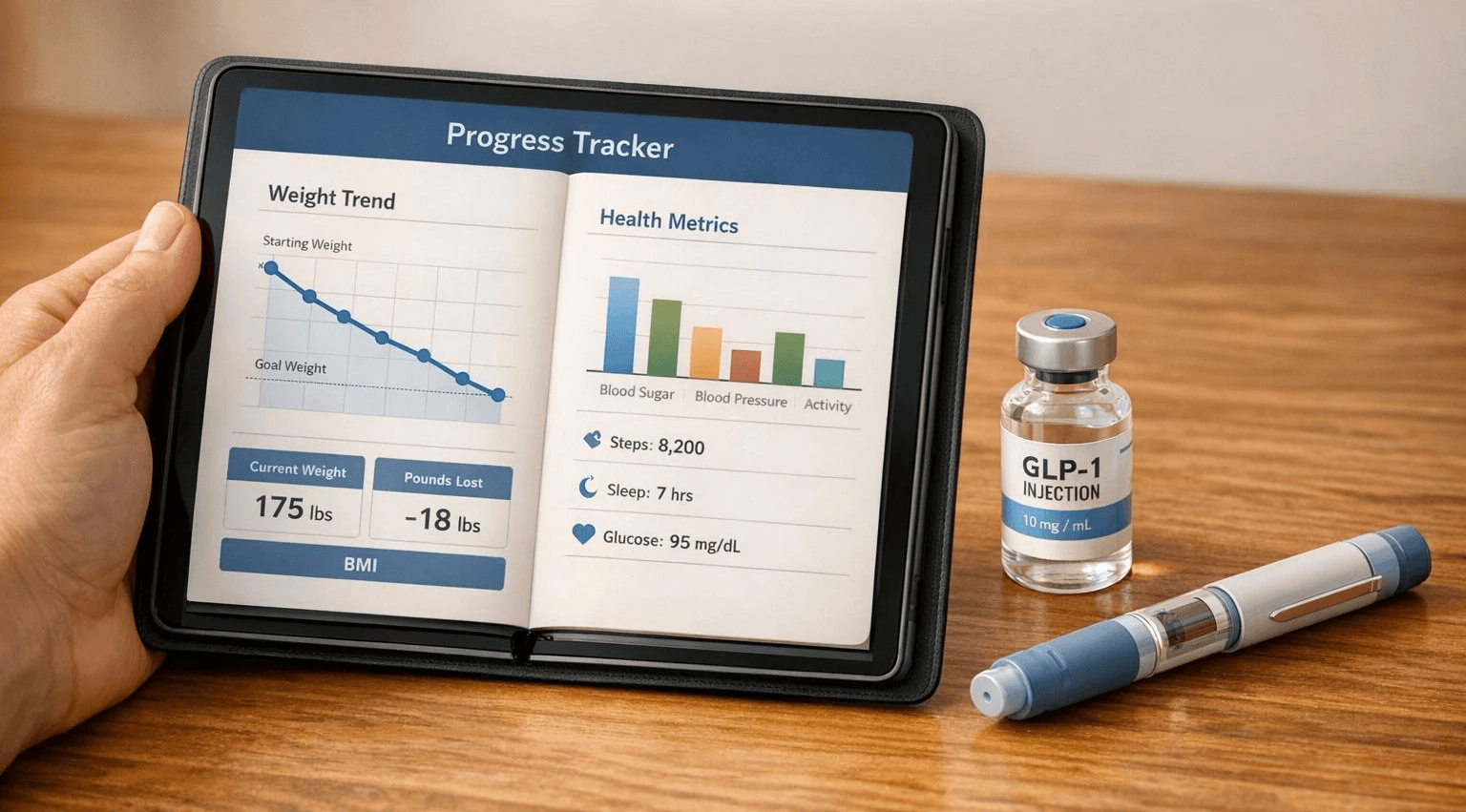
Semaglutide works quietly behind the scenes, altering metabolism and appetite signals in ways that often don't attract much attention. You might expect big changes, like quick weight loss or immediate appetite suppression, but the medication takes weeks and months to work, not days. This can be frustrating because what you expect and how your body actually responds don't always align. You're taking the medication as prescribed, but its effects might feel hidden, unpredictable, or too small to notice. Understanding how semaglutide affects hormones is important for better managing your expectations. For a more personalized approach, consider our GLP-1 app to help you track your journey and better understand your progress.
The Slow Ramp-Up Creates Doubt Before Results Appear
Your doctor usually starts you on a low dose, often 0.25 mg or 0.5 mg, not because that is the goal amount but to reduce nausea and digestive side effects while your body gets used to it. This careful approach makes sense in medicine but can create mental strain. At these early doses, you might not feel much different. Hunger doesn't disappear; cravings stay, and your weight hardly changes at all. You're doing everything right, yet it seems like nothing is happening.
According to research published by SingleCare, it can take 4-5 weeks for semaglutide to reach a steady state in your body, meaning the medication needs time to build up to stable therapeutic levels. During this time, you're basically waiting for the drug to gather enough presence in your system to make noticeable changes. It takes about 17 weeks to reach the maintenance dose of 1.7 to 2.4 mg, where most people begin to see the most steady, visible weight loss. That's four months of gradual dose increases before you're even at the level where the medication shows its full potential.
What happens during the early weeks?
The early weeks test your patience. You're injecting weekly, managing side effects, adjusting meals, and wondering if this expensive medication is making any difference. The food noise, that constant mental chatter about eating, may quiet slightly, but the change is gradual enough to lead you to question whether it's real or simply wishful thinking. You find yourself getting full a bit sooner at meals, though not dramatically. Cravings for high-fat foods ease, but not completely. These changes are real signs of progress; however, they occur incrementally, so they often feel like background noise rather than breakthrough moments.
Hidden Metabolic Improvements Don't Show Up on the Scale
The scale can become an obsession during those first months, but it measures only one dimension of what semaglutide actually does. While you might be focused on the number you're seeing each morning, the medication is working on systems that are not directly visible or felt. It reduces markers of inflammation in your bloodstream. It helps cells respond better to insulin and stabilizes blood sugar levels that used to spike and crash throughout the day. Your HbA1c—a measure of long-term glucose control—might be going down steadily even if your weight isn't.
These metabolic changes are important for health, but they do not give you the emotional payoff of seeing the pounds disappear. You cannot feel insulin sensitivity improving or inflammation decreasing. Blood sugar stabilization happens quietly unless you check it with a glucose meter. The medication is working as intended, improving your metabolic health in ways that will lower the risk of diabetes complications, heart disease, and other long-term conditions. Sadly, none of that feels like progress when you step on a bathroom scale that hasn't changed in two weeks.
What about weight loss plateaus?
Weight loss plateaus can be frustrating. As people lose weight, their bodies adjust their metabolic rate and hormone levels to protect themselves against what they perceive as starvation. This is a normal body response, not a sign that medication is failing; however, it can feel like hitting a wall. After following the plan, tracking everything, and putting in a lot of effort, it can be upsetting when the scale stops changing. These plateaus can last for weeks. During this time, people may still benefit from improved glucose metabolism and reduced cardiovascular risk, but the only thing they might focus on, weight, seems stuck.
Individual Variation Makes Timelines Unpredictable
Clinical trial averages provide useful benchmarks, but they hide the big differences in how people respond. MedPage Today reports that 10-15% of patients do not respond to semaglutide with significant weight loss. This means that around one in seven people won't see the big changes that others do. If you've been on the medication for three months and haven't noticed changes, you might find yourself asking a tough question: Are you just on a slower timeline, or are you someone who won't benefit no matter how long you wait
Metabolic and genetic factors play a big role in how quickly your body burns fat and how it reacts to appetite suppression. Some people have naturally slower metabolisms, which can make losing weight take longer, even with medication. Others may have genetic differences that affect their response to GLP-1 receptor agonists. Moreover, underlying conditions add extra challenges. Conditions like PCOS, hypothyroidism, and insulin resistance can each slow your progress in ways that don’t relate to whether semaglutide is working. The medication might be working well, but other biological factors could be slowing the rate at which you see results.
How do comparisons impact perception?
Comparing yourself to others online can increase feelings of uncertainty. For example, you might see a post about someone losing 15 pounds in their first month on Wegovy, while you've only lost three. That person might have lost their appetite right away, but it took six weeks for yours to go down noticeably. While their energy levels soared, you might still be facing fatigue. These comparisons often miss important individual factors, such as differences in starting weight, metabolic rate, hormonal levels, and lifestyle. When you are looking for reassurance that the medication is working, these differences can feel like proof that something is wrong with your own response.
Lifestyle Factors Can Override Medication Effects
Semaglutide helps control appetite and slows the rate at which food leaves the stomach. This makes it easier to eat less while still feeling full with smaller portions. However, it doesn't promise weight loss. People can still eat more calories than they burn, even if they feel less hungry. For example, drinking high-calorie beverages, often snacking on energy-dense foods, and eating large portions even when full can persist, even when appetite signals change. While the medication offers good chances of weight loss, it cannot cause weight loss if energy intake remains too high.
What role does physical activity play?
Physical activity matters more than many people understand. Without regular movement, the body loses both muscle mass and fat, which slows down the metabolic rate and makes it harder to lose weight. Exercise doesn't just burn calories while you work out; it also helps keep lean muscle tissue, which keeps your metabolism working well throughout the day. When you are inactive, even the best ways to control appetite won't produce the body changes you want. The scale might eventually show some changes, but the balance between fat loss and muscle loss will likely get worse, leading to a slower metabolism and reduced functional strength.
How can lifestyle factors impact results?
The medication works best when it's part of a bigger plan. This plan includes getting enough protein to keep muscles strong, moving regularly to keep your metabolism active, getting enough sleep to help control hunger hormones, and managing stress to stop emotional eating. When any of these parts are missing, progress can slow down or stop. It then becomes really hard to know if the problem is with the medication or with lifestyle factors affecting treatment. This brings up the question: Is semaglutide not working for me, or am I not creating the conditions where it can work effectively?
Why is tracking progress important?
When the scale changes every day, it can feel like appetite changes are small, and energy levels can vary a lot. To really track progress in different areas, a strong system is necessary. Apps like MeAgain's GLP-1 app help you keep everything in one place. You can track when you take your injections, how much protein you eat, how well you stay hydrated, any side effects you experience, and changes in your body composition. This turns random notes into clear patterns. Instead of just using your memory or feelings to decide if the medication is working, you get objective data. This data shows whether your appetite is decreasing over time, whether you are eating enough protein to maintain your muscles, and whether your body composition is changing, even if your overall weight stays the same.
The difficulty is not just in gathering data but also in identifying which measures actually show progress. Weight alone can give a false impression. Changes in appetite depend on personal feelings and can be easily remembered incorrectly. Energy changes might seem random unless you track them alongside your sleep and meal times, as well as any changes in your doses. You might see that your average daily calorie intake has gone down by 30% over three months, or realize that you are feeling full with 200 fewer calories at dinner, or notice that your waist is getting smaller while the scale stays the same. These observations can confirm that semaglutide remains effective, even when progress seems to have paused.
How does tracking affect treatment adherence?
Many people overlook an important aspect: the tracking method significantly influences whether individuals recognize progress or abandon treatment prematurely.
Related Reading
The Biggest Mistake People Make When Tracking Semaglutide Progress

Most people treat the scale like it’s the only way to see if semaglutide is working. They step on it every morning, sometimes more than once a day, hoping to see proof that the medication is effective. When the number goes down, they feel relief. But when it doesn’t change or goes up, they panic. This single-metric fixation makes them ignore real progress in other areas, such as feeling less hungry, eating smaller portions, having more stable energy, and changes in body composition. The scale becomes both judge and jury, and it doesn’t do a good job at either.
Why does the scale mislead more than it reveals?
Body weight changes all the time because of things that don’t relate to losing fat. For instance, water retention from eating too much sodium can add two to four pounds overnight. Hormonal changes during menstrual cycles can cause temporary weight gain that fades away in a few days. Intense workouts cause inflammation and fluid retention as muscles heal. Eating a lot of carbs can raise glycogen storage, which holds water and temporarily increases the scale. Also, constipation, a common side effect during the first weeks of semaglutide, can lead to weight gain that resolves once digestion returns to normal. To track your overall progress, consider using our GLP-1 app, which helps monitor your journey beyond just weight.
How does tracking weight affect your perception?
These fluctuations drown out the actual signal you're trying to detect: sustained fat loss over weeks and months. When weighing yourself daily, a 2-pound jump after eating sushi the night before might lead you to question whether the medication has stopped working. This can create doubt about your actions and ultimately discourage you enough to consider quitting, all because you’re focusing on the wrong measurement at the wrong frequency.
Semaglutide mainly works by controlling appetite and feelings of fullness, rather than directly burning fat. The medication slows gastric emptying, reduces food noise in your brain, and helps you feel satisfied with smaller portions. These changes in how you eat contribute to weight loss over time, but they first show up in your eating habits rather than on the scale. If you're only watching the scale, you may miss the most important early signs that treatment is working: you're not constantly thinking about food, you're leaving food on your plate without trying to finish it, and you're satisfied after meals instead of still looking for something sweet.
Is daily tracking beneficial or misleading?
Daily weigh-ins create a feeling of control. People might think they are being responsible and tracking their progress while gathering data. However, they are really just collecting noise and confusing it for important information. The number seen each morning shows many factors, most of which aren't related to fat loss. It becomes hard to tell the difference between a real plateau and normal ups and downs when focusing on such a short time period.
Around month three, many people go through what they call a "dead stop," during which the scale doesn't change for two or three weeks. This can be frustrating; they may wonder if they are not responding to treatment and think about asking their doctor to increase the dose early or switch medications. Yet, during this same time, their clothes fit differently, their energy levels stay steady without crashing in the afternoon, workouts feel easier, and their appetite is noticeably lower than before they started treatment. All of this shows that semaglutide is working as it should, even though the scale doesn't show it.
What emotional effects does scale tracking have?
The emotional toll of scale-focused tracking is significant. It takes conscious effort to avoid feeling discouraged when the number doesn't change, even when one knows that weight loss isn't always steady. Acknowledging that the scale is not the best measure of progress does not stop the feeling of defeat when it stays the same for ten days. This gap between intellectual understanding and emotional response can lead to exhaustion. Each morning, individuals find themselves battling their own psychology. They try to convince themselves that other signs of progress are important while fixating on a number that suggests nothing is happening.
What are the early signs of progress?
Appetite suppression is one of the clearest early signs that semaglutide is working. You stop thinking about food between meals. The thoughts about what to eat next, what looks good, or whether you should grab a snack fade into background noise. You can sit through a meeting without wondering when it's time to eat. You drive past your usual takeout place without the strong urge to stop. This change occurs slowly, often before you see a big shift on the scale, but it's a clear effect of the medication on your brain's hunger control.
How does semaglutide affect portion control?
Portion control becomes easy, not a fight. You order your usual meal and find out halfway through that you're full. You put leftovers in the fridge without feeling like you are missing out. You stop eating when you feel satisfied, not when your plate is empty. These behavior changes are how semaglutide leads to weight loss. If you're noticing these changes, the medication is working, even if your weight hasn't dropped as quickly as you'd like.
How do body composition changes relate to tracking?
Body composition shifts often happen before you see big changes on the scale, especially if you are doing strength training or getting enough protein. As your waist size gets smaller, the scale may not move much, indicating you are losing fat while keeping or even gaining muscle. You might notice your clothes fit better and your face looks slimmer. Also, you may notice more definition in your arms or legs that wasn’t there before. These changes show the desired progress of losing fat while preserving muscle, but they can go unnoticed if you only check your total body weight.
What improvements can you expect in energy levels?
Energy levels stabilize as blood sugar regulation gets better. Instead of feeling tired in the afternoon and reaching for caffeine or sugar, people can keep their energy steadyall day long. Waking up feeling rested rather than groggy becomes the norm. With this extra energy, individuals can take the stairs or walk longer distances without getting tired. This improvement in daily activities stems from better metabolic health, one of the main benefits of semaglutide; however, it often goes unnoticed when the only way to check progress is the scale.
How can tracking multiple indicators benefit you?
Tracking multiple indicators simultaneously reveals patterns that looking at just one might miss. For example, you might see that when your protein intake was above 80 grams per day, your energy levels got better and your muscles looked more defined, even if your weight didn’t change. You might also find that drinking enough water is linked to having fewer side effects and feeling less hungry. Also, if you skip workouts for ten days, you usually end up feeling sluggish, no matter what the scale says.
What’s the downside of traditional weight tracking?
The familiar approach involves weighing yourself daily and hoping the trend moves downward. As treatment continues and your body adjusts, that one number becomes less useful. You can't tell if a plateau means you need to change your protein intake, move more, improve sleep quality, or just wait for your body to adjust after fat loss. Important details about behavior, consistency, and metabolic response get missed when only looking at weight.
Tools like MeAgain's GLP-1 app help track injection timing, protein intake, hydration, side effects, and body composition. This turns random observations into patterns you can understand. Instead of guessing if your appetite is going down or if you're eating less, you get objective data showing how your average daily intake has changed over weeks, whether you're meeting protein goals consistently, and if your waist measurements are changing during weight plateaus.
How does comprehensive tracking build confidence?
This comprehensive view builds confidence during inevitable stalls. For example, it shows that your average calorie intake has dropped by 30% over the past 3 months. You also see that you're consistently satisfied with smaller portions, your energy levels have stabilized, and your clothes fit better. These data points prove the medication is working, even when the scale refuses to cooperate. You stop second-guessing whether you're a non-responder and start recognizing that progress is happening across dimensions that the scale can't measure.
Why do some people quit tracking too early?
The difference between people who stick with semaglutide long enough to see results and those who quit too soon often comes down to how they recognize progress beyond just weight changes. Those who only look at their scale weight might give up during normal plateaus, confusing fluctuations for failure. On the other hand, people who keep track of appetite changes, portion sizes, energy levels, body measurements, and their behavior can see signs of improvement, even when their weight doesn't change for weeks. They are more likely to keep going because they have proof that the medication is working.
What is the best way to track progress?
Knowing what to track is only half the equation. The other half involves tracking this information in a way that reveals meaningful patterns, rather than just collecting random data points.
Related Reading
How to Track Semaglutide Progress the Right Way
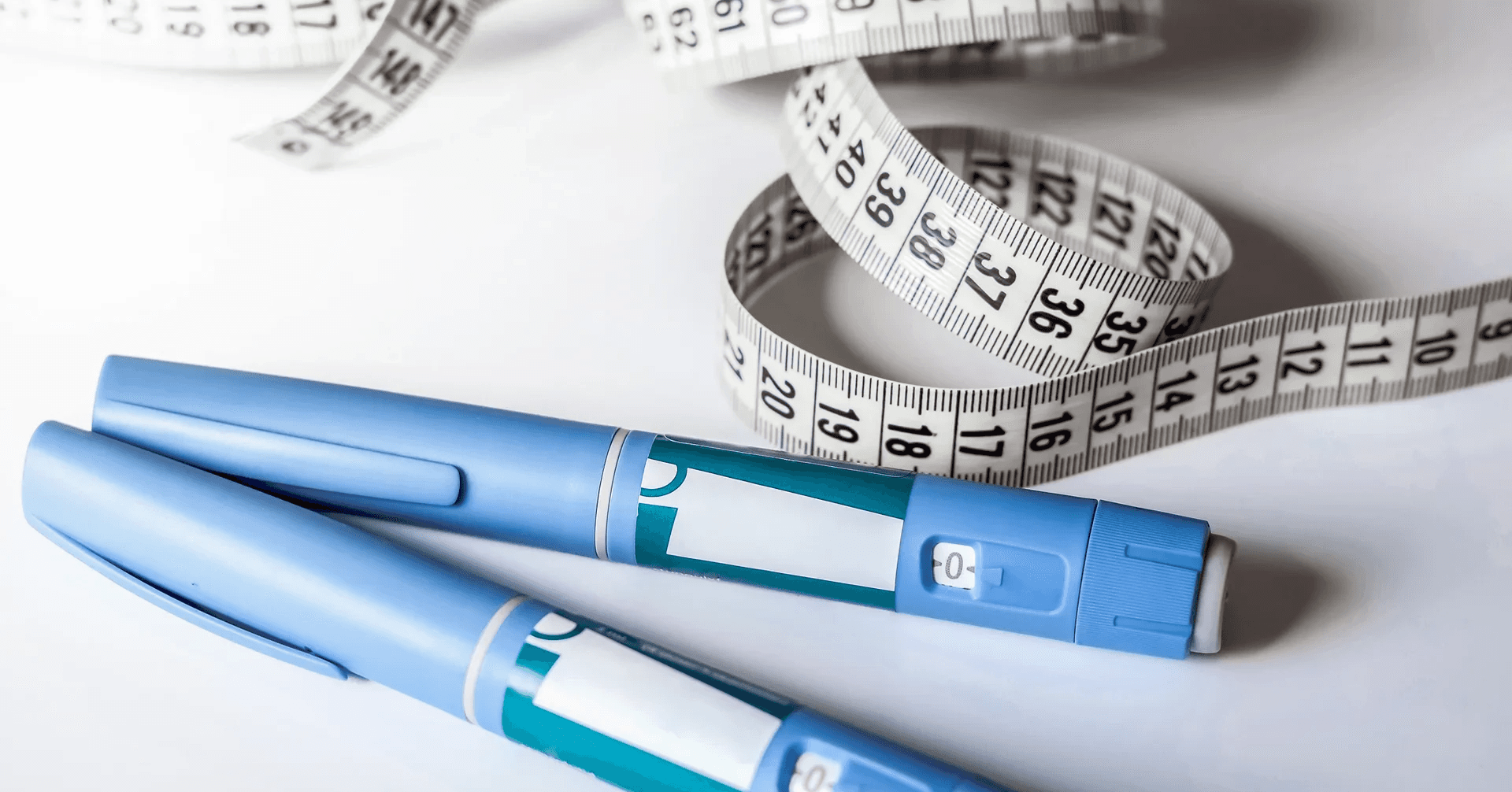
Weight trends are more important than individual weigh-ins, but they should be paired with behavioral signals such as appetite shifts, portion control, and energy consistency. Tracking progress means looking for patterns over weeks rather than reacting to daily changes, which provides little insight into whether the medication is working. The goal is to see improvement across different areas, so individuals can stay confident during plateaus and adjust only when necessary.
Weigh yourself weekly, not daily
Weigh yourself once a week, on the same day and at the same time, ideally first thing in the morning after using the bathroom and before eating. This weekly snapshot reduces the impact of daily water retention, hormone changes, and digestive timing while still providing enough data points to see a downward trend over months. Choose either Monday morning or Friday morning, whichever feels easier for you, and stick to that schedule. Consistency is more important than which day you choose.
Record your weight in a way that lets you review trends, whether in a simple spreadsheet, a notes app, or a special tracking tool. Don’t just remember the number; write it down. When you look back after eight weeks and see that you started at 210 pounds and are now at 198, that 12-pound drop becomes clear, even if the last two weeks seemed to show no change. The visual pattern of steady decline over time gives confidence that the medication is working, especially during those weeks when nothing seems to change.
What if I weigh myself more frequently?
If you really need to weigh yourself more often because you can't help it, promise to only write down your weight once a week. You can weigh yourself every day if you want, but just see those other six numbers as something you notice and then forget. Don't write them in your log. They shouldn't affect your choices. According to research published by TrimRX, gradual weight loss of 1-2 pounds per week is a healthy and sustainable approach while using GLP-1 medications. That weekly measurement is the only one that matters for tracking your progress.
How do I track my hunger signals?
People should notice how their hunger signals change each week. Are they thinking about food less often between meals? Do they feel full faster when they sit down to eat? Can they leave food on their plate without feeling like they're wasting it or missing out? These changes in appetite and fullness are clear signs that semaglutide is influencing the brain's hunger control; often, these changes occur before any significant weight loss.
Keeping a simple log, whether in a journal or on a phone, can be very useful. Write down how hungry one felt before meals and how satisfied they felt afterward. You don't need a complicated system. A quick note like "barely hungry before lunch, felt full after half my usual portion" captures important information. This should be done for a few days each week, not necessarily every single day. The goal is to see patterns over time, not to turn it into a second job of documentation.
It's also important to notice changes in food noise: the ongoing mental chatter about what to eat next, whether they should have a snack, or what sounds good for dinner. When that noise quiets down, and when they realize they went three hours without thinking about food, that means progress. Even though it might seem subtle at first, almost as if you're imagining it, consistently recording these moments will reveal a developing pattern. This means that the brain's relationship with food is changing, which is exactly how the medication leads to weight loss.
Should I measure my waist?
To begin, grab a soft measuring tape and check your waist circumference every two to four weeks. Measure at the narrowest part of your natural waist, which is usually around your belly button. Keep the tape snug but not tight. Write down your measurement. Your waist size may decrease even when your weight stays the same. This usually means you are losing visceral fat while keeping your muscle, which the scale cannot measure.
Next, measure your hips around the widest part, usually at the level of your hip bones. You should also check your upper arms at the midpoint between your shoulder and elbow, and your thighs at the midpoint between your hip and knee. It is important to use the same measurement spots each time. Being consistent with your measurement locations is more important than being perfect with the anatomy. For example, if you measured your thigh six inches above your kneecap last time, use the same spot this time, even if it’s not the technically 'correct' location.
What do my measurements tell me?
These measurements show body recomposition that total weight misses completely. You might lose two inches off your waist while the scale goes down by only three pounds because you're keeping or even gaining muscle. That's exactly what you want, which is fat loss with metabolic preservation, but it's not noticeable if you're just tracking weight. Your clothes fit differently, your belt might need a tighter notch, and your rings may feel looser—these are real signs of progress that deserve the same attention as the number on the scale.
How does my eating frequency change?
Note how often you eat each day, and whether your meal frequency has changed since starting treatment. Are you naturally skipping snacks that you used to need? Are you satisfied with three meals instead of five. These behavioral changes matter because they reveal the mechanism by which semaglutide works. The medication doesn't burn fat directly; instead, it changes your eating patterns, which lead to weight loss over time.
What about portion sizes?
Tracking portion sizes can be approached practically. Instead of weighing every meal or counting every calorie, you can look at whether you're generally eating smaller portions than you did before treatment. For instance, are you ordering a regular meal and saving half for later? Are you using smaller plates and feeling satisfied? Are you stopping when you're 80% full instead of eating until you're uncomfortably stuffed? These qualitative observations show progress that calorie counting often misses.
Are cravings changing?
Pay attention to cravings, especially for high-fat and high-sugar foods that used to feel impossible to resist. When the urge for fast food weakens, when cookies can be kept in the house without thinking about them all the time, and when meals rich in protein start to seem more appealing than those heavy in carbs, this indicates metabolic and neurological changes. The medication works on your brain's reward pathways and on signals that regulate your feeling of fullness, making it easier to develop sustainable eating habits that feel natural rather than forced.
How stable are my energy levels?
Observe whether your energy levels stay steady throughout the day or if you're still having those afternoon crashes that used to make you reach for caffeine or sugar. Stable energy indicates that your blood sugar control is improving, which is one of the main metabolic benefits of semaglutide. You might not feel much more energetic, but not having crashes means real progress.
Where is my physical stamina?
Tracking your physical stamina in everyday activities can reveal important insights. For example, can you climb stairs without getting tired? Can you walk longer distances before feeling worn out? Do you have the energy to cook dinner instead of always getting takeout because you're too tired? These functional improvements are very important for quality of life, but they often go unnoticed unless you pay attention.
Should I track my sleep quality?
Tracking sleep quality is important. Are you falling asleep more easily? Are you waking up feeling rested, not groggy? Are you sleeping through the night without waking up feeling hungry? Better sleep helps with weight loss by controlling hunger hormones and lowering stress-driven eating. If your sleep is improving, it shows that your metabolic health is becoming more stable, which also helps you keep making progress.
What about my goals and consistency?
Track whether you're hitting protein goals most days, staying hydrated, moving regularly, and managing side effects effectively. Consistency matters far more than perfection. You don't need to hit every target every day; instead, you should maintain patterns that support the medication's effects most of the time. If you're getting adequate protein five days out of seven, drinking enough water most days, and moving your body regularly, you're creating conditions where semaglutide can work effectively.
How do I analyze my overall progress?
A common approach to monitoring progress is to track weight alone, hoping that this single number reflects everything important. However, as treatment continues and the body adapts, this narrow focus can miss critical signals. A plateau might mean that you need more protein, better hydration, more movement, or simply patience as the body adjusts to fat loss.
Tools like MeAgain's GLP-1 app help track injection timing, protein intake, hydration, side effects, and body measurements all in one place. This changes scattered observations into understandable patterns. Instead of guessing whether appetite is decreasing or portions are getting smaller, users can see objective data that shows how behaviors have changed over weeks, whether nutritional goals are consistently being met, and if body composition is changing, even during weight plateaus.
What if I miss some targets or workouts?
It's important to notice when workouts are skipped, protein goals are missed, or hydration is ignored. This isn’t about judging yourself; it's about spotting patterns. For example, if weeks with lower protein intake lead to more hunger and less satisfaction, that becomes actionable information. Also, if missing exercise for several days results in lower energy and a worse mood, you've found a lever to improve your experience. The goal isn't perfection; it's understanding which actions help your progress and which hold you back.
How often should I review my data?
Review your data every two to four weeks, not every day. Ask yourself whether you are eating less than a month ago, whether your average portion sizes have gotten smaller, and whether your energy feels steadier. Think about whether your measurements are going down and if your behavior is more consistent. These longer timeframes show real patterns that daily obsession can hide.
What does the data say about expected progress?
According to data published by Fella Health, most people lose approximately 15% of their body weight over several months when taking GLP-1 medications in combination with lifestyle changes. This means individuals should expect slow, steady progress over months rather than big drops each week. For example, if someone started at 200 pounds, a 15% reduction would bring them down to 170 pounds over the course of treatment. That's a total of 30 pounds, over a period of time that any single week might show little change.
How can progress be confirmed beyond weight?
Patience becomes easier when there is evidence that the medication is working in many ways. For example, weight may be down six pounds over two months, waist circumference has dropped two inches, appetite is noticeably lower, energy levels are more consistent, and portion sizes are smaller without effort. This complete view shows that progress is happening, even during weeks when the scale doesn’t change. With this evidence, individuals stop wondering if they are non-responders and start trusting the process, knowing it’s effective.
What if I want progress without focusing on weight?
What happens when people want to make progress but don’t let numbers control their thinking? This wish for personal growth often emphasizes overall well-being rather than justweight. Many individuals discover that paying attention to other areas of health, such as fitness, nutrition, and mental health, can lead to significant changes. By shifting the focus away from numbers, people can develop a more balanced approach to their health journey.
Track Your Semaglutide Progress Without Obsessing Over the Scale
Tracking progress means seeing how semaglutide is changing your relationship with food, energy levels, body composition, and daily habits. This medication helps create the right conditions for long-term weight loss by addressing appetite regulation, metabolic health, and behavioral patterns simultaneously. If you only focus on the weight, you might miss important signs that can help you keep your results after reaching your goal.
Build a tracking system that reflects reality, not anxiety
Establish a weekly check-in routine that takes ten minutes and captures what truly matters. Record your weight once, measure your waist circumference, note how hungry you felt most days, and track whether you hit your protein targets regularly. This snapshot approach provides enough data to identify patterns without making measurement a daily obsession that magnifies every normal fluctuation. Use your phone's notes app, a simple spreadsheet, or a dedicated tool. The format matters less than the consistency. Every Sunday morning or every Friday before work, gather your data in the same location. This way, after a month, you can look back at trends instead of isolated numbers.
When comparing week eight to week one, you'll likely notice that your average hunger level dropped from seven out of ten to three, your waist shrank by three inches, even though your weight only decreased by eight pounds, and you’re consistently meeting protein goals that previously felt challenging. The difference between helpful tracking and harmful monitoring lies in the purpose for which you are collecting data. Are you recognizing progress, or are you searching for proof that you’re failing? If stepping on the scale starts an emotional spiral that affects your whole day, then you’re no longer tracking; instead, you’re punishing yourself with data. Weekly measurements with multiple metrics create psychological distance, allowing you to see patterns without being overwhelmed by noise.
Notice What Changes Before the Scale Moves
Appetite suppression shows up first, often within the first few weeks, at low doses. You stop thinking about your next meal while you're still eating the current one. The pull toward the pantry between meals weakens. You forgot to eat lunch because you weren't actually hungry. These shifts are semaglutide working on your brain's hunger regulation, and they're much more predictive of long-term success than any single weigh-in. Track these moments, however feels natural. Send yourself a text when you realize you didn’t snack all afternoon. Make a quick voice note when you leave half your dinner uneaten without feeling deprived. Take a photo of your smaller portion sizes.
The format doesn't matter; what matters is capturing evidence that your eating behavior is changing in ways that will produce sustained fat loss over the coming months, as discussed in the link. Next, energy stabilization follows as blood sugar regulation improves. Afternoon crashes disappear. You wake up feeling rested instead of needing thirty minutes and two cups of coffee to function. You can walk up stairs or play with your kids without getting winded. These functional improvements represent metabolic health gains that are very important for long-term wellness, yet they remain invisible on the scale. A journal entry noting, "made it through the afternoon without needing sugar or caffeine," is data worth recording.
Track behavior, not just outcomes
Maintaining a consistent protein intake is important for helping people lose fat while preserving muscle. It also affects how they lose weight and whether their metabolism slows down, making them feel weaker. Aim for 80 to 100 grams of protein each day, adjusting the amount based on your size and activity level. Keep track of whether you meet this goal most days. You don't need to be perfect; the key is to make it a habit. If you eat enough protein five or six days a week, your body will be better at keeping muscle while losing fat. Drinking enough water is important for everything from how severe side effects are to managing your appetite and energy levels. Keep track of how much water you drink each day, aiming for at least 64 ounces, ideally closer to 80 or 100, depending on your size and activity level.
Pay attention to any connections between better hydration and feeling fuller, more energetic, or having fewer digestive problems. These connections will be clearer when multiple factors are tracked simultaneously rather than focusing solely on weight. You don’t have to work out hard for movement to matter. Simple things like walking for 20 minutes each day, doing bodyweight exercises twice a week, or choosing the stairs instead of the elevator can help. These small, consistent actions are good for keeping muscle and raising metabolism.
Check whether you’re moving most days, rather than just looking at calories burned or how hard you work out. The goal is to develop habits that support the effects of medication without punishing yourself with exercises you don't enjoy. A common habit is weighing yourself often, hoping a single number will show that your effort is working. This narrow focus can miss important signs about whether your changes will stick, especially as you continue treatment and your body adjusts to new eating habits. It’s important to see whether a lower appetite leads to better food choices, whether enough protein helps preserve muscle during fat loss, and whether having more energy encourages more movement. MeAgain was created for this part of the journey.
Instead of focusing only on weight, MeAgain helps you track the signals that really predict long-term success: nutrition, hydration, movement, and daily consistency, while keeping progress stress-free. Gamified daily tracking makes it easier to stick to eating enough protein, fiber, water, and moving, key habits that are often hard to maintain on GLP-1s. The design takes side effects into account, helping users stay on track without getting worn out from common issues like low energy or digestive problems. Seeing progress beyond just the scale lets you notice momentum even when weight loss slows, while Journey Card milestones help show changes over time. Progress isn’t always a straight line, but it is still meaningful.
Review your data with patience, not panic
Check your tracking every two to four weeks with the specific goal of identifying patterns, not judging individual data points. Ask yourself whether your appetite has decreased compared to last month. Consider whether portion sizes have shrunk on average. Reflect on whether your energy feels more stable most days. Notice if measurements are trending downward even during weeks when your weight stayed flat. Finally, evaluate whether you're hitting your behavioral targets more consistently than you were a month ago.
Expect weight loss to slow as treatment continues. The big drops some people see in the first month rarely keep going at that pace through months three, four, and five. Your body adapts; your metabolic rate adjusts. Water weight that quickly came off at the start is gone, leaving only actual fat loss, which happens more slowly. This slowdown is normal physiology, not a sign of medication failure. Recognizing this trend is easier if you're tracking enough aspects to see that progress continues, even when the scale stays the same.
Celebrate non-scale victories with the same excitement you'd give to losing five pounds. For instance, you wore jeans that didn’t fit two months ago. You managed to eat half of your restaurant meal and saved the rest without feeling deprived. You experienced steady energy all day without caffeine crashes. You even went an entire afternoon without thinking about food. These wins show the behavioral and metabolic changes that lead to lasting results, and they deserve recognition as proof that semaglutide is working just as intended. With MeAgain, progress feels clear, motivating, and sustainable, so you’re not guessing whether semaglutide is working. You’re seeing it, one habit at a time. Download MeAgain today and turn tracking your semaglutide journey into something you actually enjoy and can stick with.
Related Reading
What to Do When Semaglutide Stops Working
How Much Protein Should I Eat on Semaglutide
How to Track My Semaglutide Side Effects?
Best App for Tracking Semaglutide Results