
lifestyle
How to Track Food on Semaglutide to Maximize Results


Using semaglutide may enhance weight loss, but proper food-tracking is vital to safeguard lean muscle and minimize side effects. Monitoring nutritional choices helps pinpoint patterns that affect progress without resorting to strict calorie counting. A well-established tracking system can reveal how daily choices align with health goals and support more effective adjustments.
Many users ask how to effectively track food intake while on semaglutide to ensure balanced nutrition and symptom management. Detailed tracking can highlight adequate protein consumption and identify foods that contribute to discomfort. Consistent data enables adjustments that improve overall results, and MeAgain’s GLP-1 app delivers streamlined tools for monitoring these critical factors.
Summary
Semaglutide users consume 20-30% fewer calories daily, according to Euromonitor International, a reduction that happens whether you're paying attention or not. The critical question becomes whether that reduction supports your goals or undermines them. When you're eating significantly less, every bite carries more weight, and a day of mostly carbs with minimal protein doesn't just slow progress but actively works against the muscle preservation needed for sustainable weight management.
Research published in Current Obesity Reports demonstrates that semaglutide can support 14% body weight loss when combined with appropriate nutritional strategies. But "appropriate" only emerges when you can see what you're actually doing, not what you intended to do. The gap between intention and execution is where results get lost, particularly when appetite suppression becomes so complete that you simply forget to eat, and hours pass before you realize you've had nothing since breakfast.
The INFORM Survey presented at EASD 2025 Annual Meeting found that users experience a marked reduction in food noise (intrusive and obsessive thoughts about food). This mental relief sounds beneficial until you realize that reduced food thoughts can translate into reduced food intake, including protein. Tracking protein specifically ensures that freedom from food preoccupation doesn't inadvertently lead to a nutritional deficiency that shows up months later as hair loss, fatigue, or declining strength.
Traditional calorie-tracking apps assume normal hunger and consistent appetite, built for people who need help eating less rather than people whose appetite has been chemically suppressed to the point where adequate intake becomes the challenge. That fundamental mismatch creates friction when you're trying to ensure you're eating enough protein, staying hydrated, and catching early signs of inadequate nutrition before they require urgent medical intervention.
According to the American Heart Association, keeping a log of what you eat and drink provides a snapshot of your daily and weekly intake, making it easier to identify when total daily consumption falls short, even when individual meals feel adequate. This visibility becomes essential when satiety signals fire earlier and stronger than before, often leaving you uncomfortably full before you've consumed enough to meet basic nutritional needs.
GLP-1 app addresses this by organizing tracking around protein goals, hydration targets, and side-effect patterns rather than calorie restriction, treating your data as a tool for adequacy monitoring rather than restriction enforcement, while features like voice logging and photo recognition reduce manual entry burden when appetite is low and motivation feels thin.
Table of Content
How To Track Food on Semaglutide Without Overcomplicating It
Track Your Meals, Optimize Semaglutide Results, and Make Progress Fun
Why Tracking Food Matters on Semaglutide
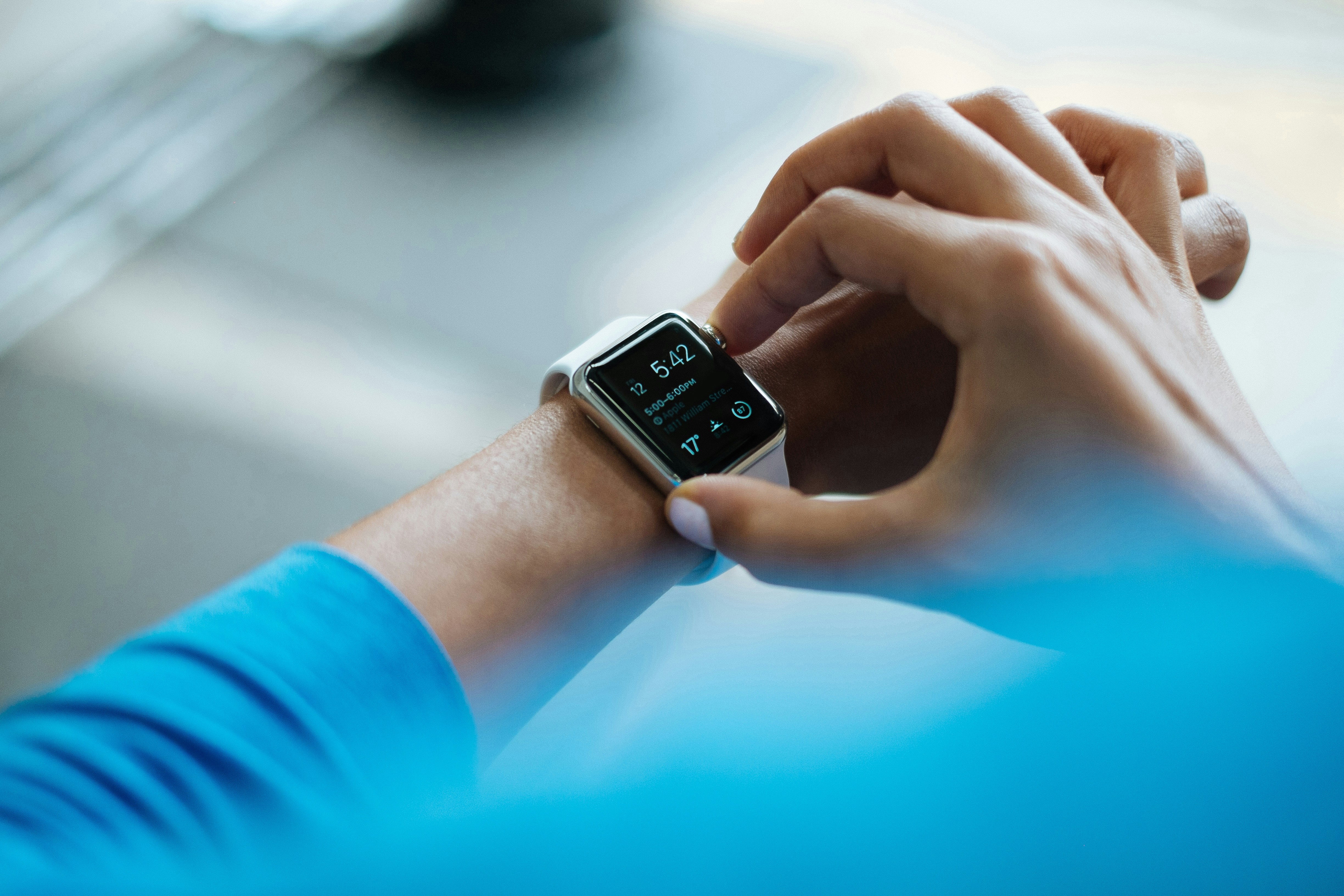
Tracking what you eat while taking semaglutide isn't about perfection or punishment. Instead, it focuses on creating a feedback loop between your choices and your body's response. When appetite signals change, portion sizes shrink, or food preferences shift overnight, tracking serves as a mirror, revealing what is actually happening, rather than what you assume. Understanding which foods to avoid with semaglutide is crucial.
GLP-1 medications like semaglutide change the relationship between hunger, fullness, and food. That reduced appetite everyone talks about? It's real. This change creates a new problem: without hunger cues prompting you to eat, how can you ensure you're getting enough protein to maintain muscle mass?
How do you spot patterns where skipping breakfast leads to feeling really sick by dinner? It also raises questions about foods you once thought were safe that now cause discomfort you can't quite explain. Our GLP-1 app can help you track your food more effectively during this transition.
How does tracking help manage calorie intake?
According to Euromonitor International, users of GLP-1 medications report consuming 20-30% fewer calories per day. This reduction happens whether people are aware of it or not. The question is: Is this reduction helping you reach your goals or hurting them?
When I watch others, I've noticed people celebrating weight loss while quietly losing hair, feeling tired, or losing strength. They mistakenly believed that eating less would always yield better results. What they missed was what they were actually eating less of. When eating significantly fewer calories, every bite matters more.
A day mostly filled with carbs and little protein doesn't just slow progress; it actually works against the muscle preservation needed to maintain a healthy weight.
Why is traditional food logging not effective?
The exhaustion of tracking every single item feels real because most food logging methods weren't made for people on semaglutide. They assume you have a normal appetite, steady hunger signals, and regular eating patterns. But none of these assumptions apply anymore.
Instead, people have a lower appetite, feel full faster, and have sudden dislikes for certain foods. Tracking food intake in this situation needs a different approach, one that focuses on adequacy instead of restriction.
What patterns can tracking reveal?
Systematic food logging uncovers patterns that emotions can overlook. It captures the three-day period when protein intake dropped below 60 grams, linking it to sudden hair shedding two months later. By linking the timing of your dose to meals that settle well versus those that cause nausea, you can see that your healthy eating may mostly include foods that digest quickly, ultimately leaving you protein-deficient by the end of the week.
How does tracking help with glucose monitoring?
For people managing type 2 diabetes and trying to lose weight, tracking creates visibility into how specific foods affect glucose levels when paired with blood glucose monitoring. This visibility is important because the effect of semaglutide on blood sugar varies by food and mealtime.
For example, the breakfast that keeps your glucose stable on Monday might spike it on Thursday if your medication timing changes or your activity level is different. If you don't track both food and glucose together, those patterns remain hidden.
What does research say about semaglutide and nutrition?
Research published in Current Obesity Reports shows that semaglutide can help achieve 14% body weight loss whenpaired with proper nutritional plans. However, "proper" only becomes clear when you really understand what you are doing, not just what you meant to do. The difference between what you plan and what you actually do is where results can be lost.
What are the downsides of not tracking?
It's understandable to worry that tracking might become another tiring task, especially when you are already dealing with medication schedules, side effects, and the mental load of changing your relationship with food. However, tracking while using semaglutide isn't about noting every grape or measuring every tablespoon.
It's about having enough visibility to spot problems early, before poor nutrition turns into a serious issue that your healthcare team has to address quickly.
If you have ongoing poor intake, constant nausea, or signs of dehydration, it's crucial to communicate right away with your healthcare team. But how can you tell when "I'm just not hungry" changes to "I'm not eating enough to stay safe"? Without some form of tracking, that line can be hard to see until symptoms push you to take action.
How does tracking prevent issues?
This pattern is common: someone starts semaglutide, and their appetite drops dramatically. They eat only when they remember or when something sounds tolerable. Weeks may pass before they realize they have been consuming minimal protein and not enough calories.
By that time, fatigue has set in, muscle loss is measurable, and recovery takes longer than if prevention had been prioritized.
Tracking does not stop appetite reduction; instead, it prevents reduced appetite from quietly harming health.
Individuals may think everything is fine simply because the scale is moving in the right direction.
What role does accountability play in tracking?
For those using the GLP-1 app for weight management, regularly tracking meals creates accountability with oneself rather than focusing solelyon a random calorie target. This practice helps answer important questions: Am I eating in a way that supports muscle preservation, energy stability, and sustainable results? Or am I just eating less and hoping that's enough?
How can technology aid in tracking?
Platforms like MeAgain's GLP-1 app make tracking easier by focusing on protein goals, side-effect patterns, and hydration rather than just calorie counting. The app understands that people using semaglutide should check how much they eat first and worry about eating less later.
Features like voice logging and photo recognition help make tracking simpler when you have a low appetite and feel less motivated. This allows you to keep track without the tiredness of entering everything by hand.
What is the right mindset for tracking?
Food tracking can sometimes become compulsive, punitive, and disconnected from real health results. This method does not help people using semaglutide.
Instead, the best way to track is to see the data as informative rather than judgmental. It encourages people to think by asking: what happened, what patterns emerged, and what changes might improve health and wellness?
How does tracking support healthcare decisions?
Tracking your medication journey helps create a record that supports your healthcare team in making smart choices about dosing, timing, and nutritional support. This effort builds a map of how you respond to treatment, showing which foods work well with your new body changes and which ones might hold you back. Additionally, using a GLP-1 app can help you monitor your progress and optimize your treatment.
What is the ultimate goal of tracking?
The goal isn't to log every bite forever; it's to log enough to understand your patterns, stabilize your intake, and build confidence that your daily choices match your long-term goals. Once those patterns become natural, tracking can be occasional. It serves as a tool you can use when something feels wrong or when you're changing your dose with a GLP-1 app.
However, getting to that natural place requires first seeing what's really happening, not just what you wish was happening.
What should you focus on while tracking?
The question isn't whether tracking matters; it's whether you're tracking the right things in a way that truly fits your life.
Related Reading
How To Track Food on Semaglutide Without Overcomplicating It

The best tracking method is the one you will actually use tomorrow, next week, and three months from now when your initial motivation fades. Simplicity wins because consistency compounds.
For most people on semaglutide, this means choosing a method that gathers enough information to show patterns without needing too much effort, so it doesn't get abandoned during the first wave of side effects or busy schedules. Consider our GLP-1 app for easy tracking and insights.
Start with the minimum viable approach. If taking pictures of your meals feels possible, start there. If talking into your phone while cooking is easier than typing, voice memos are a good choice. The advanced methods can come later, once the habit exists.
Taking pictures of meals makes a visual record that requires almost no decision-making in the moment. Just take out your phone, snap a picture, and you're done. There’s no measuring, no calculating, and no looking through databases for the exact brand of yogurt you bought.
How does photographing meals help track food?
The real value comes during medical consultations. Your healthcare provider can review a week's worth of photos in just a few minutes. They can quickly notice changes in portion sizes, find protein gaps, or see patterns that you might miss while going through your daily life.
Visual context often shows more than written descriptions because it shows exactly what was on your plate. This is better than relying on your memory, which can be affected by your feelings of intention or guilt.
When nausea hits hard, or your appetite disappears completely, photos act as proof of what you ate. You can check back and see if you really had lunch yesterday or just thought about it. This difference is important when you want to tell medication side effects apart from not eating enough nutrition.
What should a basic written log include?
A basic written log makes tracking simple: time, food description, approximate portion, and how you felt. There is no calorie counting or macro calculations, just the important data that helps you see cause and effect.
Use household measures instead of exact weights. Think of a piece of chicken the size of your palm, a portion of rice the size of your fist, or a handful of berries. These references are easy to use and work in many situations without needing a food scale, especially when you are eating at someone’s home or grabbing lunch between meetings.
This way of tracking keeps your mind clear because you're not always deciding whether to log the olive oil you used for cooking or a bite of someone else's dessert. You're spotting patterns rather than judging choices, which helps you become more aware of your eating habits. For more insights, check out patterns, not prosecuting choices.
How can voice memos improve food tracking?
Voice memos remove the problem of typing when your hands are busy or when you're tired.
People can talk about what they ate while cleaning the table or driving home, recalling details while they're still fresh, without interrupting their routine.
Later, if the healthcare team needs written notes, selective transcription can be done. Often, the audio itself gives enough information.
Listeners can hear the narrator's tiredness when talking about the difficulty of eating protein, and the happiness when something finally tastes good again.
When to use digital tools for tracking?
Digital tools earn their place when they make work easier, not harder. For example, barcode scanning takes away the hassle of searching through food databases. You scan the package, the app gets the nutritional data, and you confirm the portion, all done in seconds.
MyFitnessPal's large database includes most UK brands and supermarket items, which is great for British users who need quick logging without having to search for similar products. The automatic macro calculations show protein intake without any manual math, which is important when trying to keep specific targets to maintain muscle mass.
Nutracheck focuses just on UK foods, portion sizes, and common restaurant items in Britain. Its design makes it easy to log information, rather than relying on complicated features, helping people who want clear information without becoming amateur nutritionists.
Carbs & Cals uses photo guides to show what 20 grams of pasta looks like compared to 40 grams and 60 grams. When eating out or estimating portion sizes at home, these visual guides improve accuracy without weighing food in public or carrying measuring cups.
What issues arise with traditional tracking apps?
Traditional tracking apps often assume normal hunger and a steady appetite. They are mainly designed for people who need help eating less, not for those whose appetite has been chemically reduced to the point where adequate intake becomes hard. This difference makes it tough to ensure adequate protein intake, stay hydrated, and recognize early signs of inadequate nutrition.
MeAgain's GLP-1 app addresses this specifically by focusing on protein goals, hydration targets, and side-effect patterns rather than calorie limits. Voice logging and photo recognition make it easier to track things when appetite is low and motivation is lacking. The platform views tracking as a way to ensure adequate monitoring, not restriction enforcement, aligning with what the body really needs while using semaglutide.
How can meal reminders help with intake?
Appetite suppression can become so strong that a person might completely forget to eat. Hours can go by without noticing, and by mid-afternoon, just thinking about food can make someone feel nauseous. Knowing how long it takes for Mounjaro to suppress appetite can help manage these feelings.
Meal reminders create a helpful structure when natural hunger signals decrease. Setting alarms for breakfast, lunch, dinner, and a protein-focused snack can work well. When the alarm rings, you don’t have to feel hungry to eat; responding to the reminder can help you get the most benefits from smart semaglutide protein intake.
What are the core elements of effective tracking?
Pair reminders with simple checkbox tracking. For example, did you eat? Yes or no. Did you hit your protein minimum?
Check or no check. Did anything trigger discomfort? Note it briefly. This simple approach keeps things clear without needing detailed notes when you're managing side effects and a lower appetite at the same time.
Effective tracking includes five key parts: timing, food type, approximate quantity, protein content, and symptoms.
Everything else is optional unless your healthcare team asks for it for specific medical reasons.
Why is timing important in tracking?
Timing matters because semaglutide affects gastric emptying. The same meal might sit easily at lunch, but cause reflux at dinner if eaten too close to lying down. Tracking when you eat shows these timing-dependent patterns.
Food type doesn't need brand-level details. For example, "grilled chicken breast" gives enough information. While saying "skinless chicken breast, organic, from Waitrose" adds detail, these specifics rarely change clinical recommendations.
Estimating quantity using visual references makes logging sustainable. Precise weights help train your eye at first, but most people don't need to maintain that level of precision. Your healthcare provider needs to know whether you're eating child-sized or adult-sized portions, not whether you consumed 87 grams versus 93 grams of chicken.
What role does protein content play in tracking?
Protein intake deserves special attention because muscle preservation during weight loss depends on adequate intake. According to the INFORM Survey presented at the EASD 2025 Annual Meeting, users experience a marked reduction in food noise. Food noise is about having intrusive and obsessive thoughts about food.
While this seems helpful, having fewer thoughts about food can lead to eating less, including protein. Therefore, specifically tracking protein intake ensures that the mental relief from food worries does not inadvertently lead to nutritional deficiencies.
How does symptom tracking contribute to understanding intake?
Symptom tracking connects intake to the body's physical responses. Nausea, bloating, reflux, constipation, or unusual fullness all give important feedback about what works well and what doesn't. Writing down how severe and how long these symptoms last, along with the meals that preceded them, helps identify trigger foods and timing problems.
How to make tracking sustainable?
The mental grind of daily logging can wear people down, especially when the system demands perfection or creates judgment around every choice. Tracking becomes sustainable when it is approached as information gathering rather than performance evaluation.
Batching similar meals can significantly reduce decision fatigue. For example, if you eat the same breakfast most mornings, log it once and simply duplicate it. This method also works for standard lunches or regular dinner rotations. By doing this, you can save your logging energy for the meals that actually vary.
Can templates simplify the tracking process?
Templates can be useful for tracking common eating patterns. For example, "weekday breakfast" can be saved as a shortcut, allowing users to tap it instead of rebuilding it from scratch each morning. This method is especially helpful during the early medication phases when appetite can be unpredictable. Having a few reliable, good meals can feel like a big victory.
It’s also helpful to take breaks from tracking when life gets busy. Returning to tracking once things calm down can still help you notice important patterns. For instance, keeping detailed logs for a week followed by a week of rough notes can reveal trends better than not tracking at all.
What is the ultimate goal of food tracking?
The goal isn't to keep a perfect record of every bite you take for the rest of your life. Instead, it's about gaining enough awareness to notice when something feels off and checking it with data when needed.
Knowing what to track is important, but it only matters if you understand how to use that information well.
Related Reading
How to Use Food Tracking Data to Optimize Results
Data without interpretation is just noise. The logs, photos, and meal records collected only matter when there is clarity on what to look for and how to act. Start by reviewing the last week of tracking in manageable chunks.
Look at the last 7 days and ask 3 questions: Did I meet my protein minimum on most days? What patterns connect discomfort to specific foods or timings? Where did my energy drop, and what did I eat in the hours before?
These questions transform raw information into actionable insights. Instead of judging whether you were "good" or "bad," focus on identifying cause and effect in your unique response to semaglutide.
A single day of low protein intake doesn't provide much information. However, three consecutive days below the target reveal a trend that needs to be addressed. When that pattern is spotted early, it allows for course correction before muscle loss accelerates or fatigue becomes debilitating.
What should I look for in my tracking?
Look for groups of symptoms around meal times. If nausea occurs often within an hour of eating dinner but rarely after lunch, the problem isn't the food itself; it's the timing in relation to your medication dose or the time you lie down afterward.
Semaglutide slows how quickly your stomach empties, so a late-night meal sitting in your stomach overnight can cause reflux that the same meal at lunchtime wouldn't trigger.
Keep track of your energy levels with your food intake. That afternoon crash you might blame on poor sleep may actually be from a breakfast too low in protein and too high in quick-digesting carbs. When blood sugar rises and falls without enough protein to keep it steady, your energy follows the same up-and-down pattern. Your tracking data shows if that's happening or if something else is going on.
How to manage satiety on semaglutide?
The challenge with semaglutide isn't just reduced appetite; it's that fullness arrives suddenly, often before you get enough nutrients. Your body's signals that tell you when you're full now kick in earlier and more strongly. This reaction can seem helpful until you realize you've only eaten half of your usual protein, leaving you feeling uncomfortably full.
Portion adjustment becomes a mindful practice instead of a natural response. Start your meals with your protein source. By eating this first, before vegetables or starches, you make sure that when you feel full early, you've already taken in the most important nutrient for keeping your muscles. This order of eating helps even smaller meals provide enough protein.
What if I can't finish my meals?
Split larger portions into smaller, more frequent servings. If a full chicken breast feels too much to finish, eat half now and save the rest for two hours later. According to the American Heart Association, keeping a log of what you eat and drink shows your daily and weekly intake at a glance. This makes it easier to see when your total daily intake is not enough, even when individual meals seem okay.
How can I increase protein intake?
When tracking shows it's hard to reach protein goals even with your best efforts, consider density over volume. Protein shakes, Greek yogurt, or cottage cheese provide strong nutrition in smaller amounts.
They don't make you feel as full as regular food does. These choices aren't meant to replace whole foods, but they can be helpful when appetite suppression makes it hard to eat regular meals.
What food combinations should I avoid?
Semaglutide's impact on the digestive system creates specific vulnerabilities regarding certain foods. High-fat meals further delay gastric emptying, making the medication's effect stronger and increasing the risk of reflux, nausea, or uncomfortable fullness. If one pays attention, tracking data will show these patterns.
Review meals that came before your worst symptom days. What common elements did those meals have? It is often not just the type of food but how the foods are combined that matter. A mix of fat and fiber in large amounts can create a perfect storm for digestive problems when the stomach is already emptying slowly.
For example, a salad with grilled chicken might be easy to handle. However, that same salad with a heavy creamy dressing and a side of garlic bread might cause hours of discomfort.
How does meal timing affect my experience?
The timing between medication doses and meals can greatly affect how you feel overall. Some patients notice that eating within an hour after their injection makes them feel more nauseous. On the other hand, others find that waiting too long after their dose makes it hard for them to eat anything significant by evening. If you're recording both when you take your medication and when you eat, you'll be able to see these timing patterns.
What are the signs of food aversions?
Food aversions to semaglutide aren't random; they usually aim at foods that used to make you feel good but now cause disgust or nausea. Keeping track of what you eat can help you notice which foods have gone from okay to problematic. This understanding lets you plan meals based on what your body can handle now, rather than what you think you should eat.
How do I know if I'm losing weight healthily?
Weight loss is one measure, but it's not the only one that matters; sometimes, it might not even be the most important. Your tracking data shows whether you're losing weight while maintaining your muscle mass and energy, or if you're just getting smaller andweaker.
Look at your protein intake trends compared to your strength and energy levels over several weeks. If your protein has often been low and you're finding that stairs feel harder, or if lifting grocery bags takes more effort, it's a sign that you're losing muscle and your ability to function is decreasing. Even if the scale shows you're making progress, your body composition could be changing for the worse.
What role does food choice play in glucose control?
Blood glucose patterns tell an important story for people with type 2 diabetes who are trying to lose weight. Tracking meals alongside glucose readings shows which foods help keep levels stable and which cause spikes or unpredictable changes.
While semaglutide helps with glucose control, making good food choices is still very important. Your data shows whether your current eating pattern helps keep glucose stable or if it causes problems.
How can I assess overall nutritional adequacy?
Hair quality, nail strength, and skin condition all show how well you are getting enough nutrients over time. If tracking shows weeks of not getting enough protein, you might notice more hair shedding or brittle nails, which can be signs of a deficiency. These physical signs support what the data has shown. Acting early, such as adding protein-rich foods or changing how often you eat, can prevent these problems from worsening and becoming a clinical concern.
Why are traditional tracking apps inadequate?
Traditional calorie-tracking apps treat all deficits as progress. They were not designed for people whose appetite has been chemically suppressed to the point where undereating becomes a risk instead of overeating. This basic mismatch creates blind spots in which insufficient nutrition is masked by seemingly successful weight-loss numbers.
How can I optimize my tracking practice?
The GLP-1 app reframes tracking around adequacy instead of restriction. The platform monitors protein targets, hydration goals, and symptom patterns. It treats your data as a tool for improvement, not a limitation.
When your logs show regular protein shortfalls or patterns that link certain foods to side effects, the system highlights these trends. This lets you make changes before problems arise that require medical help.
When do I need to involve my healthcare team?
Sometimes the data shows problems that meal adjustments alone can't fix. Ongoing nausea even after trying different meal times, not being able to meet minimum protein needs, or noticeable weight loss that becomes concerning, all require help from your healthcare team.
Your tracking becomes important medical documentation when symptoms get worse. Logs showing three weeks of low intake, reduced energy, and increasing side effects give your GP or diabetes team clear information to help them decide on treatment. They might adjust your dose, recommend anti-nausea medication, or refer you to a dietitian for specialized support.
What signs should prompt immediate medical attention?
The risk of dehydration increases when nausea or food aversions make it hard to even drink water. If tracking shows a decline in fluid intake alongside symptoms such as dizziness, dark urine, or ongoing headaches, this is an urgent concern that requires immediate medical attention, not just improved hydration habits.
It's important to reach out to your healthcare team if tracking shows patterns like not being able to keep food down for more than 24 hours, severe abdominal pain that doesn't go away, or weight loss that is more than what's recommended for your situation.
These are not problems to solve on your own with better meal planning.
How do I adapt to my new normal?
The real power of tracking data comes from using it to understand your body's new normal, not by comparing yourself to who you were before semaglutide. Your appetite has changed, and your feelings of fullness work differently now. Foods that you enjoyed before might now make you feel aversion. None of this shows failure; instead, it highlights a process of adaptation.
How often should I review my tracking logs?
Review your logs weekly, not daily. Daily changes in intake, symptoms, or energy can make it seem like there are patterns that aren’t really there. Looking at trends over the week gives you a clearer view, helping you spot ongoing problems and consistent improvements instead of worrying about whether Tuesday was better than Monday.
What strategies worked this week?
Think about which strategies worked well for you this week that you can use again. For example, eating protein first might have helped you avoid feeling full too soon and cutting your meals short.
Also, changing the timing of your dose relative to your biggest meal could have reduced nausea. By writing down these successes in your tracking, they become deliberate strategies that you can use instead of depending on luck.
What is my goal for the coming week?
Identify one change to test for the upcoming week based on your data. If protein intake is consistently low at breakfast, consider planning three high-protein breakfast options that sound appealing and commit to trying them.
If late meals cause reflux, try having dinner an hour earlier and see if symptoms improve. Making one change at a time helps clarify what works.
How can tracking become less of a burden?
Tracking stops being a burden when it starts delivering valuable answers. The key question isn't whether you logged perfectly; it's whether you learned something that helps you eat in a way that supports your health, manages your symptoms, and moves you toward your goals.
Understanding what the data reveals is only half the challenge. The other half is keeping up a sustainable practice, especially when life gets messy.
Related Reading
What to Do When Semaglutide Stops Working
How Much Protein Should I Eat on Semaglutide
How to Track My Semaglutide Side Effects?
Best App for Tracking Semaglutide Results
Track Your Meals, Optimize Semaglutide Results, and Make Progress Fun
Life on semaglutide brings many challenges. Managing injection schedules, dealing with side effects, and getting used to a body that reacts to food differently than it did three months ago can be overwhelming. The last thing anyone needs is for tracking to become another source of stress or a reminder of perceived failures.
What if tracking could actually lighten the load rather than add to it? What if it became the part of your day that shows you're making progress, even when the scale hasn't moved or when last week felt harder than the one before?
The way forward doesn't rely on more discipline or willpower. Instead, it means picking tools and methods that match your real-life situation, not the assumptions made by many tracking apps. When tracking fits with your actual life, capturing what matters without asking for more than you can give, consistency stops being a struggle. It changes from automatic to helpful, and eventually to something you'd miss if it were gone.
Gamification that respects your effort
Turning tracking into a game is effective when it acknowledges real challenges instead of pretending everything is simple. Streak counters that reset after one missed day punish the very moments when life gets messy, and support, not judgment, is needed. Point systems that reward logging volume rather than the quality of insights train users to focus on the wrong metrics.
The effective approach treats each day of tracking as a data point that builds understanding, rather than a performance score. When logging three meals reveals that protein targets are met despite feeling like hardly anything was eaten, that's a win worth celebrating. Capturing the pattern that shows eating carbs first triggers nausea, while protein first does not, holds value beyond maintaining a seven-day streak.
Progress markers should reflect the actual journey. Celebrate the first week of consistently eating breakfast, even when your appetite is nonexistent. Mark the milestone when trigger foods are identified and successfully avoided for ten consecutive days. Recognize the moment when energy stabilizes, as data show consistent protein target achievement over two weeks.
Most tracking systems weren't designed for individuals whose relationships with food have been changed by medication. They often reward restriction and penalize days when consuming enough is a victory.
This misalignment creates friction where support is needed. When reduced appetite means fighting for adequate nutrition, tracking should celebrate sufficiency rather than scarcity, as this post highlights.
MeAgain App makes food tracking feel less like homework and more like visible progress. Voice logging lets users capture meals while cleaning up, rather than typing with greasy fingers. Photo recognition transforms plates into data without manual entry. The app prioritizes protein goals and hydration targets because these metrics are essential for protecting health while appetite remains suppressed.
Journey Cards highlight significant milestones: those that truly matter when rebuilding a relationship with food rather than merely counting calories. Ultimately, tracking becomes a tool that demonstrates self-care, rather than evidence of falling short.
Making visibility sustainable
Sustainability comes from reducing friction at every decision point. The fewer steps between "I should log this" and "it's logged," the more likely tracking will continue beyond the first excited month. This means that even when motivation fades, the habit will keep the practice going.
Automation handles repetitive tasks, allowing you to focus on understanding the data rather than just entering it. Meal templates save your usual breakfasts and lunches for quick logging. Recurring entries track foods you eat multiple times a week without needing to rebuild each time.
These small efficiencies add up; what used to take five minutes per meal can drop to thirty seconds. This difference can influence whether you will still be tracking in three months.
Integrate tracking into your existing routines instead of creating new ones. If you already take pictures of meals for your records or to share with friends, those photos can serve as your log.
If you set medication reminders, adding a meal reminder to the same alarm can be useful. By tying tracking to habits you already have, you rely less on motivation to remember.
Flexibility is more important than perfection. Some days, you will have the energy to log details, including portions and macros. Other days, a quick voice note saying "chicken salad, felt fine" might be all you can do.
Both types of entries are valuable: the detailed one shows nutritional information, while the short note confirms that you ate and tracks your symptoms. Neither approach is wrong; both fit different situations and energy levels.
When tracking feels too hard, simplify it to the least amount that still provides insight. Focus on just protein intake and major symptoms, meal timing, and how you felt, or even just photos without any written notes.
Minimal tracking is much better than no tracking at all. You can always add more details when you feel ready.
Celebrating non-scale victories
Weight loss is one outcome, but it's not the only important one to notice. Focusing only on it misses the progress happening in areas that the scale can't measure. Your tracking data shows these victories if you actively look for them.
Energy stability often shows up in your records before you notice it yourself. When you stop needing an afternoon nap or get through a full workday without crashing, it's your meal timing and protein intake from the past two weeks that explain these changes. This is progress worth recognizing because it shows that your nutritional strategy is working, even if the scale hasn't moved much this week.
Symptom reduction usually happens slowly, then suddenly. For example, nausea that used to happen daily may become occasional, and reflux that disrupted your sleep may fade to a rare occurrence. Your tracking shows this timeline, indicating that these improvements are linked to the meal changes made three weeks ago. Understanding this cause-and-effect turns random relief into a repeatable strategy.
Food relationships change in important ways that may not show up on any scale. Obsessive thoughts about food that once filled your mind quiet down. The stress of deciding what to eat lessens as you've figured out the foods that work for you and those that don’t.
Guilt about eating disappears when your data shows you're nourishing yourself properly. These changes rebuild your confidence and sense of control, helping you stay on your journey far longer than willpower alone ever could.
Physical capabilities get better as muscle preservation strategies take hold; stairs become easier, lifting feels less tiring, and recovery from exercise shortens.
These functional gains show that sufficient protein intake protects muscle mass as weight decreases.
Your tracking data connects the dots between consistent protein goals and maintained strength, showing that how you lose weight is just as important as whether you lose it.
Your semaglutide journey gets easier the moment you stop trying to track like someone whose appetite works normally. Instead, you adopt a method that fits with the reality of suppressed hunger, changed fullness, and evolving food habits.
The question has never been whether tracking matters; it has always been about finding an approach that truly helps you rather than adding to the burden you're already carrying.
GLP-1 app