
lifestyle
What Is the Right Semaglutide Dosage for Weight Loss in Non-Diabetics?

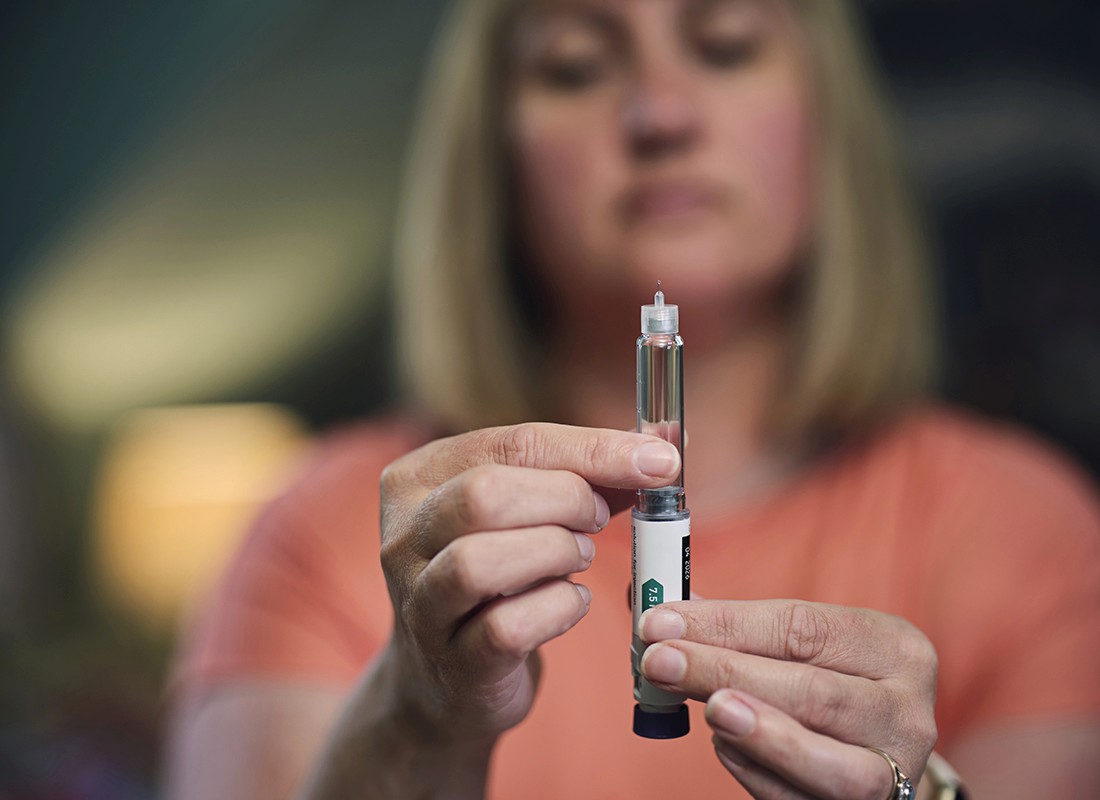
Selecting the correct semaglutide dosage ensures effective weight loss while reducing the risk of side effects. Inadequate dosing may yield limited results, and excessive amounts can lead to unwanted reactions. Non-diabetic treatment requires personalized adjustments and careful titration based on medical specifics. Evidence-based strategies and clinical insights support steady, lasting progress.
Regular monitoring of symptoms and dosage responses informs balanced treatment decisions. Personalized adjustments and clear tracking help both providers and patients optimize outcomes. Practical insights into semaglutide for weight loss in non-diabetics: dosage guide and therapeutic choices. Tools like MeAgain’s GLP-1 app simplify monitoring progress and sharing data with clinicians for precise support.
Summary
Weight management dosing targets higher, sustained exposures than diabetes regimens, with typical semaglutide weekly doses ranging from 0.25 mg up to 2.4 mg and average weight loss around 15% over 18 months in reported programs.
Rushed escalation increases GI side effects and early discontinuation; most nausea and constipation cluster in the first 4 to 12 weeks, and structured titration programs over 12 weeks reduce the risk of early discontinuation.
Higher exposure can produce greater weight loss, as trials including a 7.2 mg regimen and reports of tripling standard doses showed larger reductions than smaller doses or placebo, but those gains come with clear tolerability and safety trade-offs.
Consistent logging converts subjective symptoms into actionable data, as roughly 50% of patients report mild side effects during the intermediate 6- to 12-week phase. This suggests that daily symptom tracking in the first 8 to 12 weeks and weekly weight checks are critical.
Small, repeatable habits move the needle on tolerance, for example, aiming for 20 to 30 grams of protein at breakfast and lunch, sipping 2 to 3 liters of fluid daily, and using a 10 to 15 gram protein preload before heavy meals.
Formulation choice changes titration strategy: injectable semaglutide offers steadier weekly exposure, while oral semaglutide is a daily regimen with lower, more variable bioavailability and is more sensitive to missed fasting windows.
This is where MeAgain's GLP-1 app fits in, by centralizing time-stamped dosing records, symptom logs, and injection site tracking so clinicians and patients can base titration decisions on recorded trends.
Table of Contents
Why Dosage Matters When Using Semaglutide for Weight Loss Without Diabetes
What Is the Typical Semaglutide Dosage for Weight Loss in Non-Diabetics?
How to Optimize Results and Minimize Side Effects at Each Dosage Stage
Make Every Semaglutide Dose Work for You (Not Against You) with MeAgain
Why Dosage Matters When Using Semaglutide for Weight Loss Without Diabetes

Key Takeaways
Getting semaglutide dosing right is about safety and effectiveness, not just how it looks.
Rushing doses or trying things on your own can cause stomach issues, slow down fat loss, and lead to people stopping treatment too early.
The best results come from a slow, careful approach, along with protein, hydration, activity, and tracking side effects.
Many people who don't have diabetes think semaglutide dosing is easy, but that's a risky assumption: taking the wrong dose at the wrong time or increasing it too fast can cause stomach issues and often leads to stopping the medication early, which ruins the benefits. Clinical trial programs at 68 weeks showed big differences in results between drug-supported and lifestyle-only groups, and the trend is clear. So, dosing needs to be seen as a step-by-step clinical process, not just a one-time decision.
Why does dosing seem like guessing?
This issue is common in private clinics and DIY approaches: patients often start with a dose that's too high for them, causing nausea or constipation in the first 4 to 12 weeks, leading them to stop the medication before they even start to lose fat. Think of titration like climbing stairs, not jumping between floors; small, planned steps protect your appetite control and keep your metabolism moving. The 68-week step program trials (2021–2022) showed that many participants lost 5-15% or more of their body weight when dosing and support were maintained. This shows that consistency is just as important as the highest dose.
Does a higher dose always mean better results?
New evidence shows that higher doses can lead to more weight loss, but there are important tradeoffs to consider. More is not necessarily better for everyone. Recent reports revealed that tripling the standard dose resulted in significantly greater weight loss, according to UT Southwestern Medical Center (2025). Additional studies indicated that people taking 7.2 mg lost more weight than those on lower doses or a placebo, according to Healthline (2025). While this information changes how we understand the limits of dosing and individual responses, it also raises important safety and tolerability questions that should not be ignored.
What patterns predict success or failure?
After helping clients through structured titration plans for 12 weeks, a clear pattern appeared: starting low, staying at each tolerated step for the recommended time, and keeping track of symptoms leads to fewer early dropouts and more steady fat loss. When patients ignored this advice and rushed to dose increases to get quicker results, stomach complaints often piled up in the first two months, leading to lower adherence. This problem is common and preventable because the body's systems need time to adjust.
Most people handle dosing casually, which causes problems. Most people track injections using calendar alerts or mental lists because it feels simple and easy. That works at first, but as titration schedules, missed doses, injection-site changes, and notes about side effects pile up, the process becomes messy: missed steps slow down tolerance, inconsistent injection sites can cause irritation, and symptom patterns get lost in notes or memory.
Platforms like MeAgain centralize schedules, allow users to log shots by speaking, scanning, or typing, track injection sites, and visualize symptom trends. This makes it easier to stick to a careful titration plan and recognize when a dose change is a bad idea. Our GLP-1 app can help you manage these complexities effortlessly.
What habits can lower the chances of stopping early?
If your aim is to sustain fat loss while reducing side effects, focus on three habits right away: protect hydration and protein intake around meals, follow a slow titration schedule that stays in place when mild symptoms appear, and keep a record of every symptom and missed dose for at least the first 12 weeks. These habits can lead to better outcomes because they make dosing a managed process rather than a gamble. That decision seems easy now, but there’s a twist that most people overlook that changes the situation.
Related Reading
What Is the Typical Semaglutide Dosage for Weight Loss in Non-Diabetics?

Getting dosing right for weight loss means aiming for a higher, steady exposure pattern than what most diabetes treatments require. It is important to gradually increase this exposure so the body can adjust and people stay on the treatment. Practically, this means setting different goals, allowing more time to increase the dose, and using monitoring methods that focus on early symptom signs and how well people stick to the treatment, rather than only looking at blood sugar numbers.
How does weight-loss dosing actually differ from diabetes treatment?
Weight-loss plans focus on steady, appetite-suppressing exposures over months to change how people eat and their body composition. In contrast, diabetes treatments focus on controlling blood sugar and often use lower doses or doses given at different times. Clinically, the weight-management window is shown in the semaglutide dose for weight loss ranges, which range from 0.25 milligrams (mg) weekly (a typical starting dose) up to 2.4 mg.
This range shows the weekly doses that doctors aim for to help maintain appetite suppression while ensuring that the treatment is tolerable. The chosen target focuses on durable behavior change rather than achieving only short-term blood sugar control. If you’re interested in exploring options, our GLP-1 app can help guide your weight management journey.
Why does the titration schedule look longer and more cautious for non‑diabetics?
The practical reason involves physiologic and behavioral adaptation. GLP-1 agonists slow gastric emptying and engage central satiety circuits. These systems need weeks to settle into a new baseline without causing ongoing nausea. In practice, titration is treated as a training program lasting several months. Each step a person can handle is held long enough to check whether appetite signals and gastrointestinal (GI) side effects stabilize before considering the next step. A common mistake is speeding up titration to achieve faster weight loss. This way often leads to increased nausea and vomiting early on, which causes people to stop treatment before any real changes happen.
What does a “standard” titration look like in clinical practice?
Think of the schedule as staged holds, not a countdown. Clinicians typically begin with a very low exposure. They keep a patient there for several weeks while tracking symptoms and weight trends. Then, they raise the exposure in single, measured steps with at least one full monitoring window between increases. If intolerance appears, the evidence‑based move is to pause escalation or step back to the last tolerated exposure and extend that hold, rather than pushing forward. Operationally, that means daily symptom logging for the first 8 to 12 weeks, weekly weight and appetite checks, and a plan to delay any scheduled increase by a further 4 weeks if moderate GI symptoms persist.
How should clinicians and patients interpret early side effects?
Clinicians and patients should use three decision rules when interpreting early side effects. First, minor nausea that resolves during the monitoring period usually means the patient will be able to handle the treatment later, so they should continue the treatment and check again. Second, if there is ongoing vomiting, dehydration, or quick weight loss, these are important signs to stop and review the dose with a doctor. Third, if costs or logistics make it difficult for the patient to increase the dose, they should keep the current dose on hold until they can better handle it. This method often helps to avoid dropouts caused by financial problems or fear of side effects. These rules turn personal discomfort into clear checkpoints that, in the end, help people stick to their treatment.
Why Slow Escalation Helps Long-Term Adherence?
Slow escalation reduces the intensity and clustering of gastrointestinal (GI) symptoms early on. This is the single biggest reason people quit. Gradual increases help the stomach and brain adapt simultaneously, effectively reducing the urge to feel nauseated. When patients can see steady and predictable steps, the process feels more manageable. If they look at week-by-week logs that show fewer symptoms and a steady decrease in appetite, they are much more likely to stick with it. In working with patients who used structured logging for the first 12 weeks, a clear pattern emerged: those who followed each step for the recommended monitoring time reported fewer interruptions and more stable weight trends.
How do oral and injectable formulations change the titration decisions?
Oral semaglutide has two main limitations: lower bioavailability and greater variability, along with strict timing requirements for dosing. These issues make it easier for patients to miss their doses. When helping patients who choose oral medication, a common issue arises: early changes in how well the medicine works often relate to missed fasting periods and changes in travel plans.
For some people, daily nausea is harder to deal with than the temporary side effects of getting injections once a week. While oral options look appealing for those who don't want to use needles or travel a lot, they require closer monitoring and more frequent checking of early symptoms. On the other hand, injectable forms provide more consistent weekly exposure, which usually makes it easier to understand the side effects associated with the dosage.
What should you log and monitor to make titration safe and precise?
Log three things with consistent detail: symptoms (type, severity, timing), doses taken or missed (including injection site rotation), and behavioral inputs like meal timing or travel that could affect how oral forms are absorbed. When symptom trends group together, act on them using a set plan: hold, step back, or ask for a provider's review. Centralized, time-stamped logs help you see patterns before they require stopping. Also, they turn personal experiences into useful information for clinicians.
Most people track doses with calendars because it feels familiar, but that familiar approach fragments as titration complexity grows, burying symptom patterns and missed‑dose context. That creates waste: missed escalations, preventable side‑effect spikes, and early discontinuation. Platforms like MeAgain centralize schedules, let users log in by speaking, scanning, or typing, track injection sites, and visualize symptom trends, giving clinicians and patients a single source of truth that compresses decision time and reduces avoidable stoppages.
How does expected benefit shape the rationale for careful titration?
Clinicians aim for exposures that produce clinically meaningful, durable change rather than a quick response. The outcomes support this strategy, as Semaglutide, the active ingredient in drugs like Ozempic and Wegovy, produces an average weight loss of 15% over a year and a half. This level of benefit explains why patience during titration is clinically justified. Such benefits occur only if patients tolerate the drug long enough to reach and maintain an effective exposure.
What are the key takeaways from this discussion?
Weight-management dosing aims for exposures that are often higher than those of many diabetes treatments. This means that titration should focus on long-term comfort instead of quick increases.
Treat each dose step as a time to monitor: keep track of symptoms, pause when necessary, and increase the dose only when trends indicate stability.
When deciding between oral and injectable options, think about absorption variability and routine feasibility. Use centralized logging to ensure that decisions are based on data.
What is the hidden variable that affects outcomes?
That simple plan looks complete on paper. However, the hidden variable can significantly affect the outcome for most people.
Related Reading
How to Optimize Results and Minimize Side Effects at Each Dosage Stage
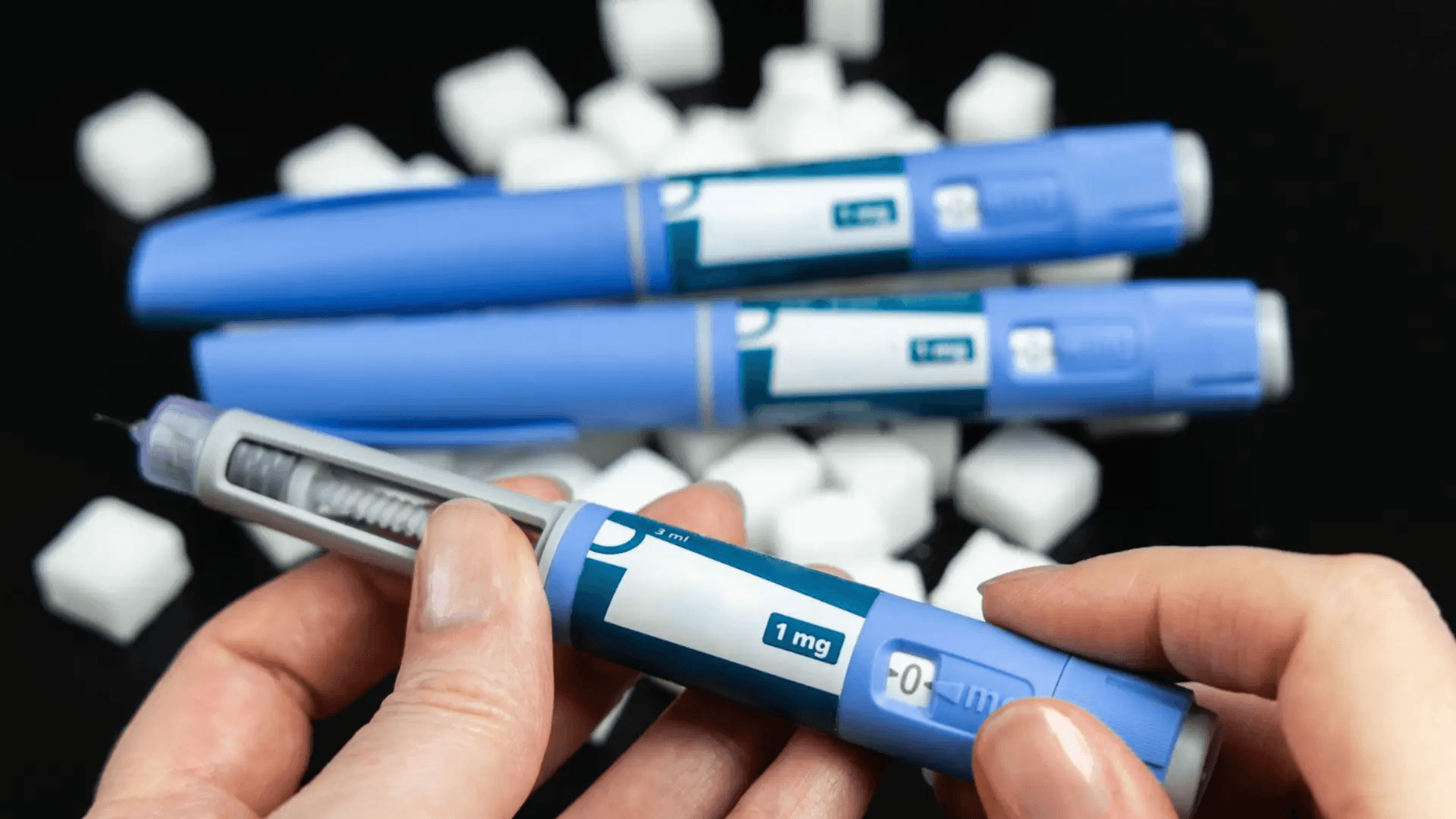
Higher doses and longer courses significantly change what you feel and when you feel it. Therefore, it is essential to plan nutrition and routines around three phases rather than a single timeline. Treat the early weeks as tolerance training, the middle weeks as consolidation, and the maintenance months as body-composition work. Each phase needs different protein, hydration, and behavior strategies to keep you on track.
What usually happens in the first 2 to 6 weeks?
Early titration often causes short bursts of stomach upset, changes in appetite, and shifts in sleep or energy as your body adapts. Expect waves of mild nausea, bloating, or slower stomach emptying during dose increases, which then settle if you keep the dose the same, as your body needs time to adjust. Experience shows that holding a tolerated dose for an extra 2 to 4 weeks while adjusting food and fluids can reduce early stoppages and improve long-term adherence.
How do you use food and fluids to blunt early side effects?
Practical meal rules can help tolerate dose increases:
Prioritize 20-30 grams of high-quality protein at breakfast and lunch. Options include eggs, Greek yogurt, canned tuna, or a whey or plant protein shake when time is tight. This intake supports satiety and protects lean tissue as calorie intake decreases.
Sip fluids steadily rather than gulping. Aim for a daily baseline reflective of body size and activity; many find 2 to 3 liters a reasonable target, adjusted for sweat and exercise.
Utilize low-volume, nutrient-dense options during intense nausea periods. For example, consider a 150-200 kcal protein pudding or a small savory broth with soft protein, rather than large meals that may trigger fullness.
These are behavioral tweaks, not prescriptions. When applied during the first month, they can reduce the intensity of dose-related GI symptoms and make dose holds more productive.
What changes between weeks 6 and 12, and what should you do differently?
The intermediate phase is when side effects tend to decrease in severity, but can still persist in milder forms. At this stage, focused habit work is just as important as dosing. Clinical dosing programs in other drug areas show that at the intermediate dosage stage, 50% of patients experienced mild side effects. This shows how common low-level reactions are during staged escalation and why continuous symptom logging is important.
Increase protein distribution across snacks to keep energy steady and curb late-day carbohydrate cravings.
Add a gentle resistance routine two to three times weekly to signal your body to hold on to muscle as weight comes off.
Track trends, not daily noise: use time-stamped logs for symptom type, meal timing, and hydration, allowing you to assess whether an intervention was effective over a two-week window.
How does long‑term consistency unlock better outcomes?
Dose response follows exposure, patience, and adherence. In staged dosing programs outside metabolic medicine, final-stage benefits often show up only when tolerability is maintained over several months. One report found that in the final dosage stage, 30% achieved complete remission. This finding highlights the benefits of staged dosing when adherence is maintained. For weight management, this means a simple rule: the compound effect of consistent daily habits is more important than a single higher dose. Key habits include: steady meal patterns, consistent protein intake, hydration habits, sleep regularity, and movement practice. These habits create the right conditions that allow semaglutide to lower appetite without causing repeated tolerance issues.
What small, concrete tactics change tolerance in real life?
Use low‑friction interventions you can repeat:
Keep four go-to protein options available for the first four weeks. This will help you avoid decision barriers when you feel nauseous.
Preload a 10–15 gram protein snack 20 to 30 minutes before a heavy meal. This can help reduce fullness and post-meal nausea.
Rotate injection sites in checklist order and photograph them weekly. This helps you notice local irritation early.
When symptoms get worse, pause any increases and use a hydration plus protein protocol for 7 to 14 days before trying the step again. These measures are small, but they make a big difference by removing variability and friction from daily life.
What hidden costs arise from managing doses with calendars?
Most people manage doses with calendars and memory because this method feels familiar, and it works for a while. However, this approach creates hidden costs as things get more complicated. As the treatment plan becomes harder to follow, missed notes and scattered symptom records hide important patterns. Treatment breaks often become reactive rather than planned. This can lead to preventable side effects and stopping treatment too early. Solutions like MeAgain centralize schedules, log symptoms through speech, scanning, or text, track injection sites, and visualize trends. This gives users a single, time-stamped record that speeds up decision-making while reducing the risk of stopping treatment when a simple hold would suffice.
How can predictable behavior improve dosing decisions?
When behavior becomes predictable and trackable, dosing decisions move from guesswork to data-driven choices. This change marks the start of real progress. The one everyday habit that quietly determines whether a dose is effective or harmful will soon be revealed.
Make Every Semaglutide Dose Work for You (Not Against You) with MeAgain
Most people manage semaglutide titration with calendars and scattered notes, thinking it’s simple; this approach makes sense when starting out. However, as dosing changes, those small gaps can add up, leading to confusing symptom patterns, missed steps, and stalls in progress. Starting semaglutide without diabetes means results depend not just on the medication; they also depend on how well you support your body at each dosage stage. As doses increase, so do the risks of muscle loss, digestive problems, dehydration, and burnout if you’re not careful. MeAgain is made for exactly this part of the journey.
Our GLP-1 app turns the daily habits that protect your results, protein intake, fiber, hydration, movement, and recovery, into a simple game you’ll actually stick with. Your capybara companion helps you stay consistent as your dosage changes, while your Journey Card tracks milestones so you can see progress beyond the scale. Whether you’re early in titration or getting used to a higher dose, MeAgain helps you maximize fat loss, protect lean mass, and reduce side effects, so semaglutide works with your lifestyle, not against it. Download MeAgain today and turn your GLP-1 journey into a system you can actually keep up with.
Related Reading
What to Do When Semaglutide Stops Working
How Much Protein Should I Eat on Semaglutide
How to Track My Semaglutide Side Effects?
Best App for Tracking Semaglutide Results