
lifestyle
How Much Protein Should I Eat on Semaglutide for Safe Weight Loss?

Balancing weight loss with muscle retention is a common challenge for those on semaglutide. Adequate protein intake is key to preserving strength and reducing hunger during this process. How much protein should I eat on semaglutide? Establishing the right protein target supports both effective weight management and overall well-being.
Aligning nutrition with medication needs eliminates the need for confusing calculations and guesswork. Tracking daily consumption and adjusting targets fosters mental clarity and sustainable energy levels. MeAgain’s GLP-1 app offers personalized protein goals and practical tracking tools to support a balanced approach to weight management.
Summary
Semaglutide suppresses appetite so effectively that every bite becomes more consequential, yet your body's protein requirements don't decrease just because hunger disappears. Research shows that maintaining 1.6 to 2.2 grams of protein per kilogram of body weight daily becomes essential during GLP-1 therapy to preserve lean mass, but when you're no longer driven by hunger, it's easy to default to easily consumed foods like crackers or smoothies that don't deliver what muscles need to survive a caloric deficit.
Up to 40% of weight loss from semaglutide can come from lean body mass when nutrition isn't carefully managed, according to The Endocrine Society. That's not a small margin. When muscle tissue deteriorates during weight loss, metabolism slows, making further fat loss harder, even as the medication continues to work. You might see the scale drop and assume success, but if significant portions of that loss come from muscle rather than fat, you're building a body that burns fewer calories at rest and feels weaker during daily activities.
Protein targets should use adjusted body weight rather than raw scale numbers to avoid impossibly high goals. The calculation (ideal body weight plus 40% of the difference between actual and ideal weight) means that someone at 250 pounds with an ideal weight of around 150 needs roughly 115-150 grams daily, instead of 200 grams. This adjustment accounts for the reality that excess adipose tissue doesn't demand protein the way muscle and organ tissue do, making targets achievable even with suppressed appetite.
Distribution matters as much as total intake because muscle protein synthesis responds to regular stimulation throughout the day. Aiming for 25 to 40 grams per meal across three to four eating occasions optimizes how your body uses protein for muscle maintenance rather than simply oxidizing excess for energy. Uneven distribution, like skipping protein at breakfast and trying to force 80 grams at dinner, triggers nausea without gaining metabolic benefit since your body can't effectively process that much protein in one sitting.
Cold proteins like cottage cheese, Greek yogurt, or chilled chicken bypass nausea triggers more reliably than hot foods because temperature eliminates the olfactory response that amplifies queasiness. Eating protein before anything else on your plate ensures you hit minimum thresholds before fullness shuts down meals prematurely, a strategy borrowed from bariatric nutrition protocols that works when you're operating with dramatically reduced stomach capacity.
GLP-1 app addresses this by calculating personalized protein targets based on adjusted body weight and tracking daily intake across meals, removing the cognitive load of mental estimation when appetite suppression already makes eating feel like a chore.
Table of Contents
Why Protein Intake Matters More for Semaglutide
When semaglutide reduces appetite, each bite becomes more important. The body still needs the same nutrients to work well, repair tissue, and maintain muscles mass, but now people are consuming much less food. If those limited calories aren't rich in protein, there is a risk of losing muscle along with fat. This can slow metabolism and cause fatigue, even while the scale shows weight loss.
This isn't just about reaching a certain number. It's about recognizing that appetite suppression can create a tricky nutritional balance. You're eating less on purpose, but your body doesn't lower its protein needs just because you feel less hungry. According to research published by Fella Health, it's crucial to maintain 1.6–2.2 grams of protein per kilogram of body weight each day during weight loss to keep lean mass.
If you miss that target consistently, you're not just losing weight. You're also breaking down the very tissue that helps your metabolism work well. To help you manage your intake effectively, our GLP-1 app can guide you in tracking your protein intake and optimizing your nutrition.
What hidden cost of eating less without a strategy?
The medication works really well. It shuts down hunger signals, slows stomach emptying, and makes smaller portions feel more satisfying. But that same process creates a problem. When people aren't hungry, it's easy to just eat whatever's easy at the moment. Foods like crackers, smoothies, or toast might be easy to eat when you're not very hungry, but they usually don't give your muscles what they need to stay strong during a caloric deficit.
Muscle tissue needs a lot of energy. Your body keeps it only when it thinks it's important. When you lose weight quickly, especially while using GLP-1 therapy that suppresses appetite, your body looks for energy wherever it can find it. If you don’t get enough protein, your muscles can end up breaking down for energy. The Endocrine Society reports that up to 40% of weight loss from semaglutide can come from lean body mass if you don't manage your nutrition carefully. That's a big problem. That’s almost half of your weight loss coming from the wrong source.
What are the consequences of inadequate protein?
One person described the challenge clearly: they were already trying to get 150 grams of protein daily before starting the medication, and they worried that taking the drug would make it even harder to get enough protein. That fear is not without reason. When you have to eat even when you don't feel hungry, getting enough protein from foods like chicken breast or Greek yogurt can be especially tough. But skipping these important foods not only slows your progress but also shifts the weight loss away from fat and towards the muscle that you need to keep.
Losing muscle isn't just about how you look. It's a metabolic one. Muscle tissue burns calories at rest, helps with insulin sensitivity, and keeps you strong for daily activities. When muscle breaks down, your metabolism slows, making it harder to lose fat even if you keep taking the medication. You might see your weight go down and think you're doing well, but if a lot of that loss is muscle, you're creating a body that burns fewer calories and feels weaker.
How does low protein affect energy levels?
Fatigue becomes a constant companion. Protein is essential for energy production, immune function, and tissue repair. When you don't get enough, you're not just tired from eating less; you're tired because your body lacks what it needs to keep cells working properly. Workouts become harder, recovery takes longer, and even basic tasks need more effort. Blood sugar control suffers as well. Protein digests slowly, which results in steady glucose release rather than sudden spikes. When meals don’t have enough protein, blood sugar changes become more dramatic; this happens even with semaglutide's insulin-regulating effects. You might feel shaky between meals, experience energy crashes, or notice increased cravings for quick carbohydrates, which don’t support your body composition goals.
How does semaglutide change food experiences?
Semaglutide doesn't just reduce hunger; it fundamentally changes the experience of food. Portions that used to feel normal can now seem too much, while foods that were once enjoyable might suddenly not taste good. This creates a situation in which getting enough nutrition requires intention rather than just following instincts. Usually, people handle their nutrition based on hunger cues: eating when they are hungry and stopping when they are full. But GLP-1 therapy changes this feedback loop. With hunger mostly gone, people can no longer rely on these signals to ensure they eat enough. This effect shows that the medication is working as it should, but it means that protein consumption must become a planned daily focus rather than something to think about only when one feels hungry.
Why are high-protein foods harder to consume?
The challenge gets tougher because protein-rich foods usually need more chewing, feel heavier in the stomach, and take longer to eat than simple carbohydrates. When a person is already making themselves eat, even a grilled chicken breast seems much harder to handle than a handful of pretzels. However, those pretzels won't help to preserve muscle mass or keep metabolism working well.
How can meal planning help?
Many people find that making reliable, high-protein meals with known macros helps take away the daily stress of tracking, especially when they don’t feel very hungry. Instead of deciding what to eat based on hunger or convenience, you follow a plan that makes sure your body gets essential nutrients, even when it feels like you don’t need to eat anything at all. Tools like the GLP-1 app help with this by calculating personalized protein targets based on your body weight and medication. The app keeps track of your daily intake, so you can see exactly how you’re doing. Instead of guessing if you've eaten enough or feeling overwhelmed by macro calculations, you can work with clear goals and simple tracking. This makes getting the right nutrition a manageable daily practice.
What happens if you skip protein consistently?
Skipping protein for a day or two likely won't cause immediate problems. However, since semaglutide treatment usually lasts months, regularly having low protein during that time can lead to a series of issues that are harder to fix. Muscle loss speeds up, metabolism slows down, energy levels drop, hair becomes thinner, and the immune system gets weaker. Some people celebrate rapid weight loss without thinking about what they lost. They might see ten pounds disappear in a month and feel good about it. But if five of those pounds came from muscle, they have traded long-term metabolic health for short-term satisfaction. Although the weight might be gone, so is the tissue that would have helped keep that loss and continue burning calories effectively.
Why is protein intake crucial for vulnerable populations?
This matter is especially critical for women and older adults, who already face a higher baseline risk for muscle loss during weight loss. The medication increases that risk. Without careful attention to protein intake, individuals are not just losing weight; they are changing their bodies in ways that make it harder to lose fat in the future and weaken their metabolic health. Many people do not realize that protein targets are not just random numbers taken from general nutrition guidelines.
Related Reading
How Much Protein Should I Eat on Semaglutide

Protein needs are calculated based on what your body needs to protect muscle during aggressive caloric restriction. For most people on semaglutide, the target protein intake is 1.2-1.6 g/kg of adjusted body weight per day. This means about 0.8 to 1.2 grams per pound for those using imperial units. Nutmeg State Nutrition specifies this range to meet the metabolic demands of weight loss while on GLP-1 therapy, as the body experiences both appetite suppression and an increased risk of muscle loss. These recommendations are backed by research, not just opinions from bodybuilding forums, showing how to preserve lean mass during major calorie cuts. To support your health goals effectively, consider using our GLP-1 app to track your protein intake and more.
What is adjusted body weight?
If someone weighs 250 pounds and puts that number directly into a protein calculator, the target can seem too hard to reach, especially if they don't feel hungry. Instead, use adjusted body weight rather than current weight. The formula is: ideal body weight plus 40% of the difference between actual weight and ideal weight. For someone weighing 250 pounds with an ideal weight of about 150, the adjusted weight is about 190. Because of this, the protein target goes down from a tough 200 grams to a more doable range of 115 to 150 grams daily.
This target is still purposeful, but much easier to achieve. This change shows that extra body fat doesn’t need protein the same way muscle and organs do. It’s about giving the body what it needs to grow, not just what helps lose weight. For example, a 300-pound person with an adjusted weight of 95 kilograms needs about 115-150 grams of protein per day. Likewise, a 200-pound person with an adjusted weight of 75 kilograms needs 90-120 grams. These ranges seem more achievable when appetite is lower, unlike the higher numbers obtained with actual body weight.
How much protein do sedentary individuals need?
Sedentary individuals can stay toward the lower end of the recommended protein intake range. For those who sometimes walk but do not do formal exercise, 1.2 grams per kilogram is enough to meet basic needs without putting too much pressure on a lowered appetite.
What about active individuals and workouts?
Active individuals need more protein in their diet. If someone is lifting weights three times a week or doing high-intensity workouts, they should aim for about 1.6 grams per kilogram of body weight. Some experts suggest increasing it to 2.0 grams for those doing serious resistance training, especially when the goal is to retain musclerather than just lose fat. Research shared at the Endocrine Society ENDO 2025 meeting shows that higher protein intake specifically helps prevent muscle loss in patients taking semaglutide. This information highlights that these higher targets are more than just theoretical optimization.
How to distribute protein intake?
Hitting your daily protein target means little if you consume it all at once. Muscle protein synthesis responds to regular stimulation throughout the day, not just a single large dose. It's good to aim for 25 to 40 grams of protein per meal across three to four meals. This pattern helps the body use protein for muscle maintenance rather than burning it for energy. By eating more protein at the start of each meal, people can effectively suppress appetite. Hunger signals peak at the beginning of a meal, making it the best time to eat protein-rich foods before feeling too full.
For example, if your daily target is 120 grams spread over four meals, that means you'll have 30 grams per meal. This amount is roughly four ounces of chicken breast, one cup of Greek yogurt, or a protein shake with added powder. These smaller portions help avoid feeling too full, which might cause some people to stop eating before finishing their meals.
What happens if I unevenly distribute protein?
Uneven protein distribution makes it hard to stick to a meal plan. If someone skips protein at breakfast, has a light lunch, and then tries to eat 80 grams at dinner, it can lead to feelings of nausea and failure. The body can't really handle that much protein at once; the excess is converted to glucose or burned for energy rather than helping preserve muscle. This way of eating can make someone feel bad without giving the expected health benefits. Having regular meal patterns helps reduce daily decision fatigue. Knowing that breakfast always has 30 grams of protein, lunch has 35 grams, and dinner has 40 grams makes eating easier. This steady routine becomes automatic, even when someone might not feel hungry at all.
How can apps help with protein tracking?
Tools like the GLP-1 app calculate personalized targets based on your adjusted body weight and activity level. They then track what you eat across meals, allowing you to see distribution patterns in real time. Instead of guessing whether your protein intake is balanced throughout the day or mentally counting grams while eating, you get clear visibility into your status. This feature helps reduce the cognitive load when appetite suppression already makes eating feel like a chore.
Is it okay to consume excessive protein?
The internet loves extremes. If 1.6 grams per kilogram helps preserve muscle, then surely 3.0 grams must be even better; that's not true. Having too much protein does not improve muscle retention. It just adds extra calories that your body either converts to other things or gets rid of. When your appetite is already low, forcing down extra protein takes away space for other nutrients your body needs: fiber for digestion, fats for hormone production, and micronutrients for cellular function.
Balance is important. If you are getting 60% of your limited calories from protein, you are probably not getting enough vegetables, healthy fats, and complex carbohydrates to support energy and recovery. You may reach your protein goal, but feel tired because you are ignoring everything else.
How does age affect protein needs?
Older adults lose muscle more quickly during weight loss. This basic vulnerability worsens with semaglutide's appetite-suppressing effects. If someone is over 60, it is best to stay toward the higher end of the protein range, even with a moderate activity level. Muscle preservation becomes harder with age, and not getting enough protein during rapid weight loss can accelerate sarcopenia. For example, a 70-year-old who is losing weight on semaglutide has a slower metabolism and reduced muscle protein synthesis compared to a 35-year-old on the same medication. That older person needs to focus more on protein to keep the same amount of muscle.
Can whole foods replace protein supplements?
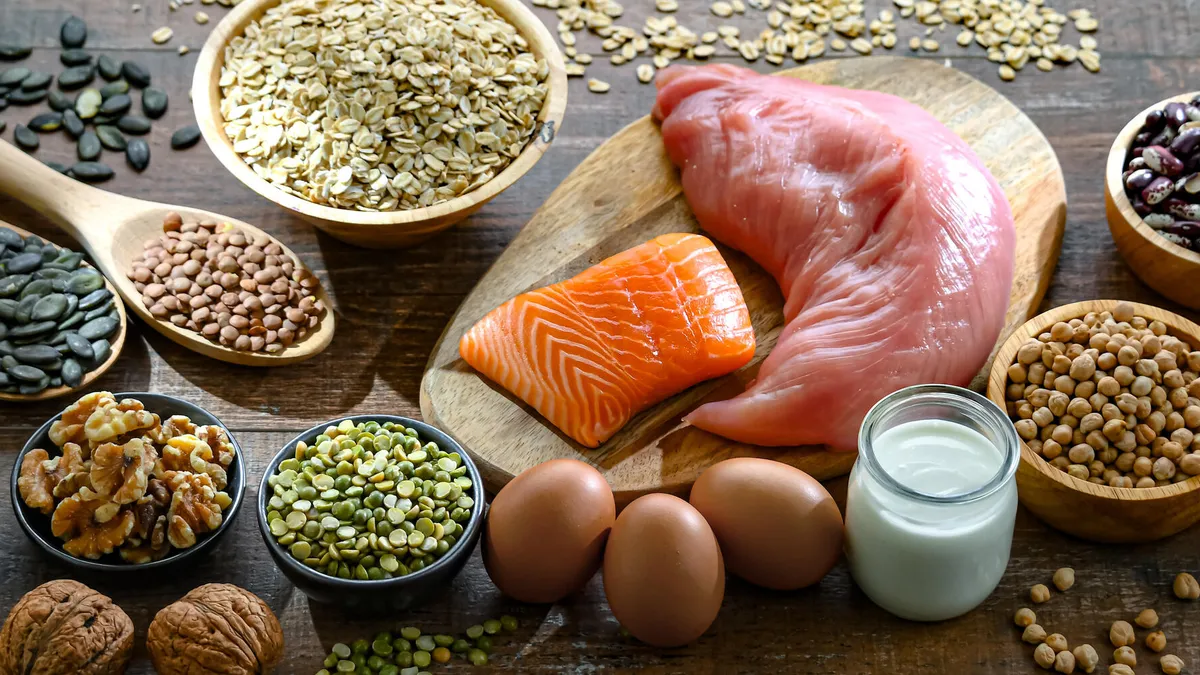
Hitting your gram target with only protein powder can work, but it leaves nutritional gaps. Whole-food protein sources provide amino acids, along with vitamins, minerals, and other compounds that support overall health. Mix up your sources like lean meats, fish, eggs, Greek yogurt, cottage cheese, legumes, and plant-based proteins. Each type has a unique amino acid profile and micronutrient set. For instance, chicken offers B vitamins and selenium, while salmon has omega-3 fatty acids. Lentils provide fiber and iron, and Greek yogurt gives probiotics and calcium. Depending on a single source, even a good one, means missing the synergistic benefits of eating a variety of foods. Your body doesn’t just need leucine for muscle protein synthesis; it needs all essential amino acids plus the supporting nutrients that whole foods naturally provide.
Should I track protein intake?
When hunger goes down, it can be tricky, depending on how you feel about how much you eat. You might feel full after eating very little, but feeling full doesn’t mean you got enough nutrients. Keeping track of your protein intake, even a little bit, helps you stay responsible. You might think you’re eating enough because you had chicken for dinner. But writing it down shows you only got 20 grams when you really needed 35. That difference adds up every day. Over weeks, it could make a big difference between keeping your muscles and losing them.
Some people don’t like to track their intake, seeing it as controlling or limiting. During semaglutide treatment, keeping track is helpful. You’re not limiting yourself; you’re just making sure you get enough when your normal feelings of hunger aren’t working like they usually do. It's about checking that you’ve reached minimum protein thresholds before bed, not stressing over every single calorie.
After a few months, you start to see patterns. You find out which meals usually give you 30 grams, which snacks add 15 grams, and which mixes keep you feeling full without making you feel sick. Over time, many people can stop tracking in detail because they have developed an intuitive sense of what enough intake looks like in real life. This understanding comes from measuring at first, not just guessing.
How to ensure adequate intake?
Knowing your target is only half the equation. The other half involves actually consuming that protein, even when your body signals that it wants nothing.
Related Reading
Best Practices for Hitting Your Protein Goals Without Feeling Sick

The medication quiets your hunger, but it doesn't reduce your body's protein requirements. This creates a practical problem; you must eat carefully even when your body feels satisfied. The solution is not to force down large portions. Instead, it's about changing how, when, and what you eat to work with appetite suppression rather than against it.
How do temperature and food preferences affect protein intake?
Temperature influences everything when nausea hits. Hot foods have strong smells, which can make you feel even more queasy if your stomach is already upset. On the other hand, cold proteins, such as cottage cheese, Greek yogurt, or chilled chicken breast, don’t produce the same strong smells. They are easier to eat because they don't call attention to themselves before you take the first bite. One person mentioned switching completely to cold proteins during their worst nausea episodes. Without cooking smells filling the kitchen or steam rising from plates, they used simple foods taken straight from the refrigerator. This change made a huge difference between skipping meals completely and being able to eat enough on the toughest days of the dose increase, helping them succeed with the GLP-1 app.
Can protein shakes help when solid food is hard to eat?
Protein shakes work especially well when eating solid food seems hard. By blending them with ice and sipping slowly, people can consume 25 to 30 grams of protein without chewing. However, speed matters. If you drink too fast, it can upset delayed gastric emptying, causing nausea and making you throw up. It's important to treat shakes like meals, not just drinks. Taking 15 to 20 minutes to finish one serving helps prevent sudden fullness that can lead to nausea.
What should my eating schedule look like on semaglutide?
Your stomach empties more slowly on semaglutide. This mechanism creates satiety, but it also means that big portions can feel heavy for hours. Instead of three big meals, think about having four or five smaller eating occasions throughout the day. Try to get 10 to 15 grams of protein at each meal, since 60 grams at one meal can feel too overwhelming.
This eating pattern is similar to how bariatric patients eat after surgery, and for similar reasons. A limited stomach capacity requires frequent, small inputs rather than large, infrequent ones. For example, a mid-morning snack of two hard-boiled eggs gives you 14 grams of protein without leaving you feeling too full. An afternoon serving of Greek yogurt adds another fifteen grams. By evening, you’ve taken in a good amount of protein without ever feeling stuffed.
How much protein should I aim for at each meal?
According to nutrition experts cited by Business Insider, aiming for 25 to 30 grams of protein per meal helps optimize muscle protein synthesis while considering digestive capacity. This range should be your starting point for each meal, and you can adjust it a little based on how your body feels that day.
What is the best sequence for eating on semaglutide?
When appetite vanishes, and each bite needs to be planned, what you eat first is important. Eat protein before anything else on your plate: before vegetables, before starches, and even before that small serving of fruit. This helps you get enough nutrients before you feel full and have to stop eating too soon. Bariatric nutrition rules have used this method for many years because it works well. Your first bites take up the most space in your stomach and get the strongest hunger signals. If that space is filled with bread or salad, protein gets pushed aside. Starting with four ounces of salmon or a serving of lean beef ensures you get essential nutrients before your body tells you it’s time to stop.
How can I make meals easier on tough days?
Some days, chewing feels like hard work. Your jaw gets tired, food takes a lot of effort, and the thought of eating another chicken breast makes you want to skip meals altogether. That's when liquid protein becomes essential, not just optional. Protein shakes, bone broth with added collagen powder, or diluted Greek yogurt mixed into smoothies provide concentrated nutrition in forms that need very little effort. Using liquids isn't a failure; it's a way to adjust to what your body can handle on tough days while still meeting basic nutritional needs.
What should I consider when choosing protein sources?
Quality is important when choosing protein sources. Pick protein powders with complete amino acid profiles, ideally whey or casein for animal sources, or pea and rice blends for plant-based options. Stay away from products packed with artificial sweeteners or fillers, since these could make nausea worse. Choose simple ingredients, clean flavors, and known digestibility to ensure your shake is tasty and won't sit in the refrigerator.
How can hydration affect my protein metabolism?
Your body needs water to process protein well. Not drinking enough water puts stress on your kidneys and slows down the process of turning amino acids into useful tissue. Drinking a lot of water right before or during meals takes up space in your stomach that should be used for food. Instead of gulping water with your meals, sip water consistently throughout the meal. Try to drink 64 to 80 ounces every day, unless you have health issues that limit your intake, and spread it throughout the day. A few ounces every hour keep you hydrated without leaving you too full when it's time to eat.
When should I drink fluids in relation to meals?
Some people find that waiting thirty minutes after finishing a meal before drinking a lot of fluids helps to prevent feeling uncomfortably full. This feeling can occur when solid food is combined with large amounts of fluid in a stomach that is already emptying slowly. Making this timing change can make meals easier to handle and reduce nausea after eating.
How do fiber and protein intake balance with semaglutide?
Constipation often happens with semaglutide, leading many people to instinctively load up on vegetables and whole grains. While this can help with bowel function, it also fills the stomach quickly when there isn't much room. So, finding the right balance is very important. Include foods high in fiber, but don't let them take over your plate. A serving of vegetables next to your protein is a good idea. However, a big salad that leaves no space for chicken is not. According to the US Dietary Guidelines referenced by Business Insider, adults should aim for 25 to 30 grams of fiber per day, but that goal shouldn't mean having too little protein when your appetite is low.
What are good sources of combined protein and fiber?
Plant-based proteins like lentils, black beans, and chickpeas provide both protein and fiber, making them great options. For example, a cup of cooked lentils gives you eighteen grams of protein and fifteen grams of fiber. By choosing these foods, you can meet two nutritional needs with one choice, making the most of your limited stomach space.
Which protein sources are easier to digest?
Not all protein sources are easy to digest in a slow-emptying stomach. Fatty cuts of meat, heavily seasoned dishes, or fried proteins can cause nausea and discomfort. Lean, simply prepared options usually digest better, leading to fewer problems. Chicken breast, white fish, egg whites, low-fat cottage cheese, and plain Greek yogurt are the gold standard for easy digestion. These options give concentrated protein without too much fat or complex seasonings that might upset a sensitive system. It's best to save richer proteins, like salmon or beef, for days when the stomach feels more stable.
How do cooking methods affect protein digestion?
The preparation method plays a big role in digestion. Grilled, baked, or poached proteins usually digest better than fried or heavily sauced foods. Using simple seasonings like herbs, lemon, or a little salt helps keep flavors mild and lowers the chance of feeling nauseous. This doesn’t mean you have to eat boring food forever; instead, it means making smart choices during the adjustment period to the effects of medication.
How can I track my protein intake?
Most people keep track of their protein intake by relying on memory and rough estimates, hoping they have eaten enough by the end of the day. When you completely lose your appetite, this guessing can lead to disappointment. A small meal might make you feel satisfied, but you might later find out you only ate forty grams of protein when you actually needed ninety. Tools like the GLP-1 app help remove this uncertainty by monitoring your protein intake in real time. They calculate personalized goals based on your adjusted body weight and show you exactly where you stand at any moment. Instead of trying to piece together your day at night and realizing you have fallen short, you can make smart choices about whether to have another snack or if you've actually reached your goal.
When should I seek medical help regarding protein intake?
Strategic eating can fix many tolerance problems, but sometimes you need to seek help from a professional. If nausea and vomiting stop you from eating for more than forty-eight hours, contact your healthcare provider right away. This level of intolerance might indicate gastroparesis or the need fora dose adjustment rather than just better meal planning. Severe and ongoing abdominal pain needs quick evaluation. While mild discomfort can happen with appetite changes, sharp or increasing pain might mean you have pancreatitis, which is a rare but serious issue related to GLP-1 medications. Don't wait to see if the pain gets better; get checked out as soon as possible.
What signs indicate I need to consult with my healthcare team?
Pain on the right upper side of your belly, fever, or yellowing of the skin and eyes can indicate problems with the gallbladder, especially when someone is losing weight quickly. These signs require immediate medical attention, not just changing your diet. If someone regularly eats less than the recommended amount of 0.8 grams per kilogram of body weight per day, as per standard nutritional guidelines cited by Business Insider, for more than a week, they need professional help. Eating this little shows they aren't getting enough nutrition, and simply changing their diet won't fix it. Your provider may adjust your medication doses, prescribe anti-nausea medicine, or refer you to a registered dietitian who understands GLP-1 therapy.
What should I do if I notice signs of muscle wasting?
Signs of muscle wasting, such as significant weakness, trouble with activities that used to be easy, or visible muscle loss, need to be checked out. It's important to notice these signs because the benefits of medication should not come at the cost of losing your ability to function. Symptoms of dehydration, like dark urine, dizziness, and urination that happens less often, along with not getting enough protein, create a risky situation. The body can't use protein properly without adequate hydration, and dehydration can worsen nausea. This harmful cycle needs medical intervention to be fixed. Hair loss, brittle nails, or significant changes in skin may indicate that protein-calorie malnutrition is developing after weeks or months of inadequate nutrition. These issues are not just about looks; they are visible signs of serious nutritional deficiency that need to be assessed and treated by a professional.
When is weight loss considered too fast?
Losing two to three pounds each week on a regular basis could mean that you're cutting calories too much. This might cause you to lose muscle, even if you eat enough protein. Losing weight more slowly can help keep your lean mass and lead to better long-term results. Quick weight changes can often happen because of losing the wrong kind of tissue.
How can regular assessments help during semaglutide treatment?
Regular check-ins with your healthcare team are important. Don’t wait for crisis symptoms. Schedule nutritional assessments during your semaglutide treatment. These appointments help you see if your dietary plans are working or just manageable. Laboratory monitoring is important for finding deficiencies before they cause symptoms. Tests such as comprehensive metabolic panels, complete blood counts, iron studies, vitamin B12 levels, and vitamin D status, especially when taking metformin, provide clear information about your nutritional status. You might feel okay while slowly developing issues like anemia or vitamin deficiencies, which could create problems months later.
Why should I work with a dietitian during treatment?
Working with a registered dietitian nutritionist who specializes in weight management or diabetes care provides support beyond what primary care visits can offer. These specialists create individualized meal plans, help solve specific tolerance issues, and change recommendations as your body adjusts to medication. Also, insurance often pays for medical nutrition therapy for patients with diabetes or obesity-related conditions, making this help easier to access than many people think.
How does nutrition relate to medication success?
View nutrition as a key factor in how well medication works, not just something to think about when issues arise. Semaglutide might be great for weight loss. However, its long-term success depends heavily on getting enough protein and nutrients during treatment. While the medication helps manage appetite, people need to control what they eat when their appetite is lowered. This can result in either positive body changes or unexpected muscle loss and a decline in metabolism.
How can I stay consistent with protein tracking?
Even with a perfect strategy and clinical support, one question remains: How can you stay consistent when tracking feels like just another overwhelming task?
Hit Your Protein Goals and Crush Side Effects with MeAgain
Consistency matters more than perfection when appetite wanes, and every meal requires extra effort. You don’t need flawless execution every day; you need a system that makes adequate intake visible, trackable, and achievable without adding more pressure during this tough adjustment period. The real challenge isn’t understanding how much protein you need; it’s staying aware when hunger doesn’t make you eat, and you feel full after just a few bites.
Many people rely on their minds to guess, thinking they’ve eaten enough because they feel satisfied. However, feeling satisfied while on semaglutide doesn't necessarily mean you have adequate nutrition. Your stomach says it’s full long before your muscles get the amount of amino acids necessary to keep them strong.
MeAgain takes the guesswork out by calculating your personal protein goals based on your adjusted body weight and activity level. It tracks what you eat each day so that you can see exactly where you stand at any time. Rather than have to think back at night and find out you only ate sixty grams when you really needed one hundred ten, you can make smart choices throughout the day about whether you need another snack or if you’ve already met your goal. The app turns protein adequacy from a vague worry into a simple daily habit, tracking not just grams consumed but also hydration, fiber intake, and how you feel as your body adjusts to the medication's effects.
Your journey isn’t just about losing weight; it’s about creating a body that works better, feels stronger, and maintains the metabolic health needed for long-term success. Tracking your protein ensures that each pound lost comes from the right place, keeping muscle tissue that supports a healthy metabolism as fat stores decrease.
When you see progress reflected in your Journey Card, celebrating achievements that show real health improvements instead of just scale changes, it’s easier to stay motivated even during tough adjustment times. Download MeAgain today and make your semaglutide treatment an opportunity for transformation that goes beyond just numbers, creating habits and awareness that help you long after the medication is finished. GLP-1 app
Related Reading
What to Do When Semaglutide Stops Working
How Much Protein Should I Eat on Semaglutide
How to Track My Semaglutide Side Effects?
Best App for Tracking Semaglutide Results