
Side Effects
What to Do When Semaglutide Stops Working to Restart Progress

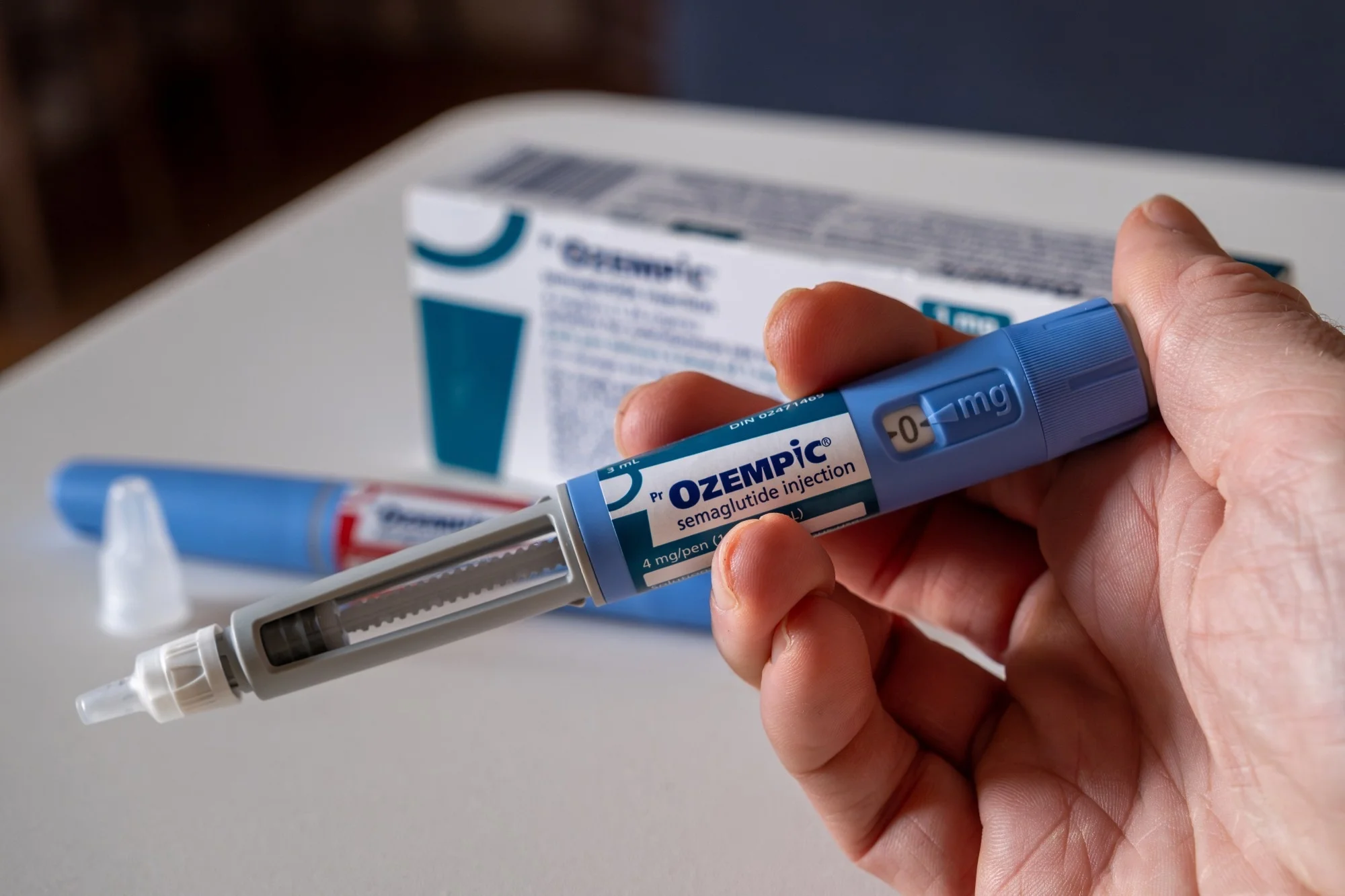
You've been doing everything right. Taking your semaglutide as prescribed, watching the scale drop steadily, feeling more in control of your eating habits than you have in years. Then suddenly, the progress stalls. The weight loss plateaus, or worse, you start regaining pounds you worked hard to lose. If you're wondering what to do when semaglutide stops working, you're not alone in this frustrating experience, and understanding why this happens is the first step toward getting back on track with safe, effective strategies that actually work.
That's where MeAgain's GLP-1 app becomes genuinely useful. Instead of guessing why your medication isn't delivering the same results or making changes that might backfire, the app helps you identify specific factors causing your plateau, from dosage timing to lifestyle adjustments that complement your treatment. You'll get personalized guidance to restart your weight-loss progress without the trial-and-error that wastes precious time and motivation.
Summary
GLP-1 receptor sensitivity naturally decreases after months of continuous stimulation, which explains why appetite suppression weakens over time even when you're taking medication as prescribed. This adaptation isn't a failure of medication; it's your body adjusting to a new biochemical environment. Research shows that 10-15% of patients don't respond adequately to semaglutide, but for most people experiencing plateaus, the issue is a diminished response rather than a true non-response, making strategic adjustments more effective than abandoning treatment entirely.
Weight loss creates a metabolic slowdown that most people underestimate. Your resting metabolic rate can drop 5-15% after significant weight loss, meaning the calorie deficit that worked three months ago may now produce maintenance rather than continued loss. This biological response isn't optional or reversible through willpower alone; it's your body becoming more efficient with energy in response to what it perceives as prolonged scarcity.
Up to 39% of the weight lost on semaglutide can come from lean muscle mass rather than fat, which accelerates metabolic decline and increases the likelihood of plateaus. Muscle tissue burns more calories at rest than fat tissue, so losing muscle while losing weight creates a compounding problem. Without adequate protein intake (physicians recommend at least 100 grams daily) and consistent resistance training, muscle loss becomes inevitable during calorie restriction, directly undermining continued fat loss efforts.
Sleep deprivation and chronic stress boost cortisol levels that promote fat storage and increase appetite through pathways that semaglutide can't fully counteract. Poor sleep disrupts ghrelin and leptin balance, leaving you hungrier and less satisfied after meals, even with GLP-1 medication on board. Seven to nine hours of consistent sleep nightly isn't optional for breaking plateaus; it's a metabolic intervention that directly influences whether your body stores or burns fat.
Non-exercise activity thermogenesis (NEAT) often drops by hundreds of calories per day during calorie restriction, without conscious awareness. You still maintain your routines, but subtle shifts accumulate: fewer steps throughout the day, choosing elevators over stairs, sitting instead of standing, and reduced fidgeting. These reductions in unconscious movement can completely offset the calorie deficit created by appetite suppression, especially when combined with metabolic adaptations from weight loss.
MeAgain's GLP-1 app addresses this by tracking multiple progress indicators beyond weight alone, including protein intake, measurements, energy levels, and movement patterns, helping you identify which specific factors are causing your plateau before frustration leads to giving up.
Table of Contents
Why Semaglutide Can Stop Working Over Time
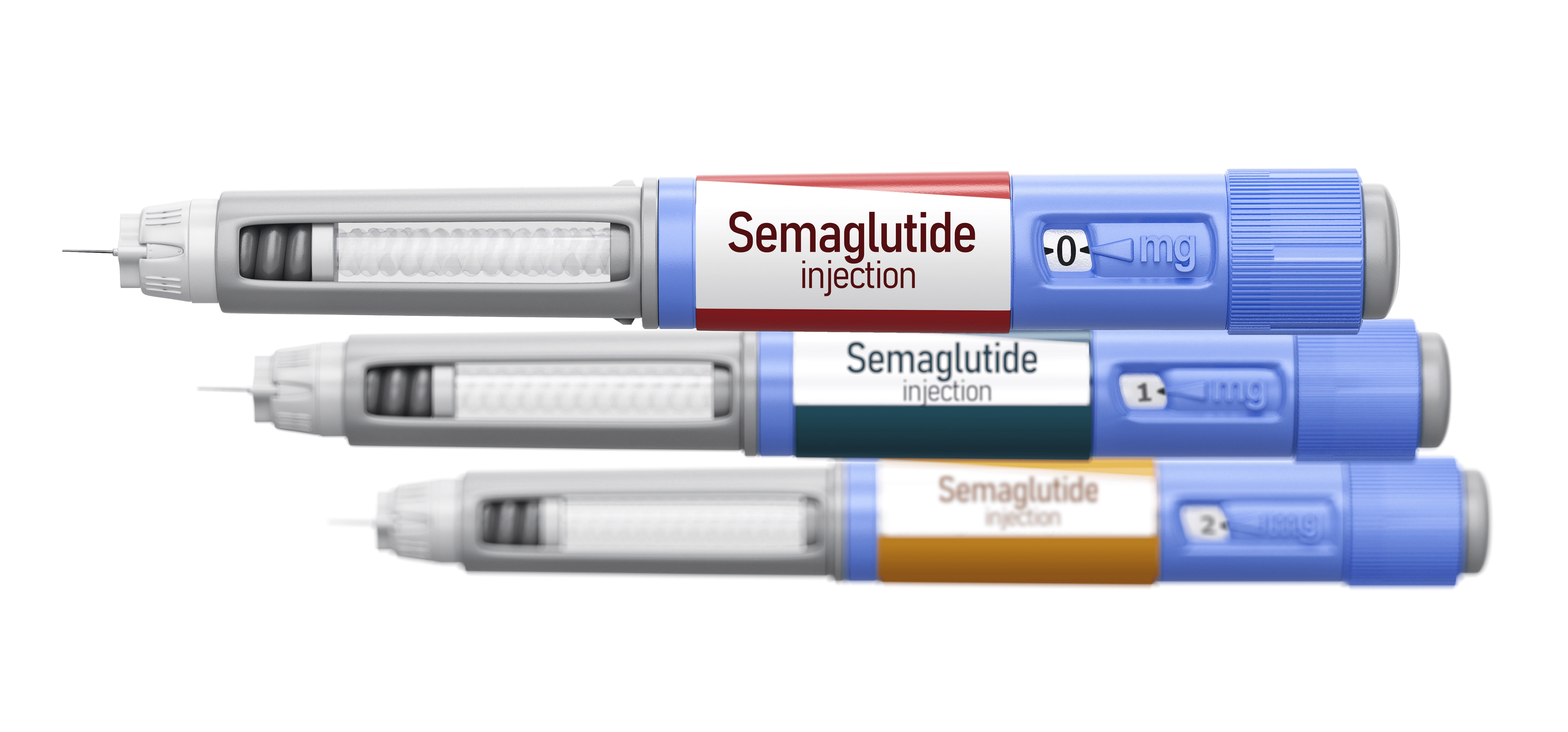
Semaglutide doesn't actually "stop working" in most cases. What changes is how your body responds to it. Your GLP-1 receptors can become less sensitive after months of constant stimulation, your metabolism adapts downward as you lose weight, and lifestyle factors that weren't problems at higher weights start to matter more. The medication is still active, but the environment in which it's working has shifted.
This is frustrating, especially after early success. You're still injecting on schedule. You're still eating less than before. But the scale refuses to budge, and hunger that disappeared months ago starts creeping back between meals. It feels like failure, but it's actually your body doing what bodies do: adapting to survive.
Receptor Adaptation (GLP-1 Desensitization)
Your body's GLP-1 receptors respond powerfully when semaglutide first arrives. Appetite drops. Cravings fade. Satiety kicks in after smaller portions. But receptors aren't designed to stay maximally responsive forever under constant stimulation. Over time, they can become less sensitive to the same dose.
This doesn't mean the medication has quit. It means the signal isn't as strong as it used to be. You might notice hunger returning sooner after meals. Foods that didn't tempt you before suddenly look appealing again. The medication is still binding to receptors, still activating pathways, but the intensity has dulled.
According to MedPage Today, 10-15% of patients do not respond adequately to semaglutide, though for many others, the issue isn't non-response but diminished response over time. This distinction matters because diminished response can often be addressed through dose adjustments or protocol changes, whereas true non-response requires entirely different approaches.
Metabolic Adaptation
As you lose weight, your body requires fewer calories to function. This isn't optional or reversible through willpower. A smaller body burns less energy at rest, during activity, and even during digestion. Your resting metabolic rate can drop 5-15% after significant weight loss, meaning the calorie deficit that worked three months ago no longer creates the same results.
This is metabolic adaptation, and it's completely normal. Your body interprets prolonged calorie restriction as a threat and responds by becoming more efficient. It's not sabotage. It's biology protecting you from what it perceives as scarcity.
Set-point theory suggests that your body defends a preferred weight range. When you drop below it, compensatory mechanisms kick in: increased hunger signals, reduced energy expenditure, stronger cravings for calorie-dense foods. Semaglutide helps override some of these signals, but it can't eliminate the underlying metabolic response entirely.
Loss of Lean Muscle Mass
Weight loss isn't always fat loss. Research shows that up to 39% of the weight lost with semaglutide can come from lean mass, including muscle. This matters because muscle tissue burns more calories at rest than fat tissue does. Losing muscle accelerates metabolic slowdown, making continued fat loss harder even when semaglutide is still suppressing appetite.
This happens more easily than most people realize. When you're eating significantly less, especially if protein intake drops, your body doesn't just burn stored fat for energy. It also breaks down muscle tissue. Without resistance training or adequate protein, muscle loss becomes inevitable during calorie restriction.
The result is a slower metabolism that makes plateaus more likely. You're lighter, but you're also burning fewer calories throughout the day, and the gap between your intake and expenditure narrows until weight loss stalls completely.
Protein Under-Consumption
Eating less often means eating less protein. When appetite is suppressed, and portions shrink, protein-rich foods (which require more chewing, more preparation, and often feel heavier in the stomach) get pushed aside in favor of easier options. But protein isn't just about muscle preservation. It's also the most thermogenic macronutrient, meaning your body burns more calories digesting it compared to fats or carbohydrates.
Inadequate protein intake exacerbates muscle loss. Without enough dietary protein, your body can't repair or maintain existing muscle tissue, let alone build new muscle through training. This creates a downward spiral: less protein leads to more muscle loss, which lowers metabolic rate, which makes weight loss harder, which increases frustration.
Protein also supports satiety independent of semaglutide's effects. Even with GLP-1 receptor activation, higher-protein meals tend to keep you fuller longer and reduce between-meal snacking. When protein drops too low, hunger can return more quickly despite the medication.
Reduced Daily Movement
Energy levels often decline when food intake drops. This isn't laziness. It's your body conserving resources. You might not consciously decide to move less, but you take fewer steps throughout the day, stand less often, fidget less, and choose the elevator instead of stairs. These small reductions in non-exercise activity thermogenesis (NEAT) add up to hundreds of fewer calories burned daily.
Most people don't notice this happening. They still go to work, run errands, and maintain their routines. But the subtle shifts in movement patterns reduce total daily energy expenditure enough to stall weight loss, especially when combined with metabolic adaptation and muscle loss.
Structured exercise can help, but only if it's consistent and challenging enough to offset the metabolic slowdown. Walking 10,000 steps daily matters less if you've unconsciously reduced your baseline movement by 3,000 steps. The net effect is still a decrease in calorie burn.
Inconsistent Dosing or Suboptimal Timing
Missed injections or irregular dosing schedules prevent semaglutide from maintaining steady therapeutic levels. The medication has a half-life of about one week, which allows for weekly dosing, but skipping doses or inconsistent timing can create gaps in coverage where appetite suppression weakens, and blood sugar control falters.
If your dose hasn't been adjusted in months, it might no longer be sufficient for your current weight and metabolic state. What worked at 220 pounds may not work at 180 pounds, especially if receptor sensitivity has decreased. Some people need gradual dose increases to maintain the same level of appetite suppression and momentum in weight loss.
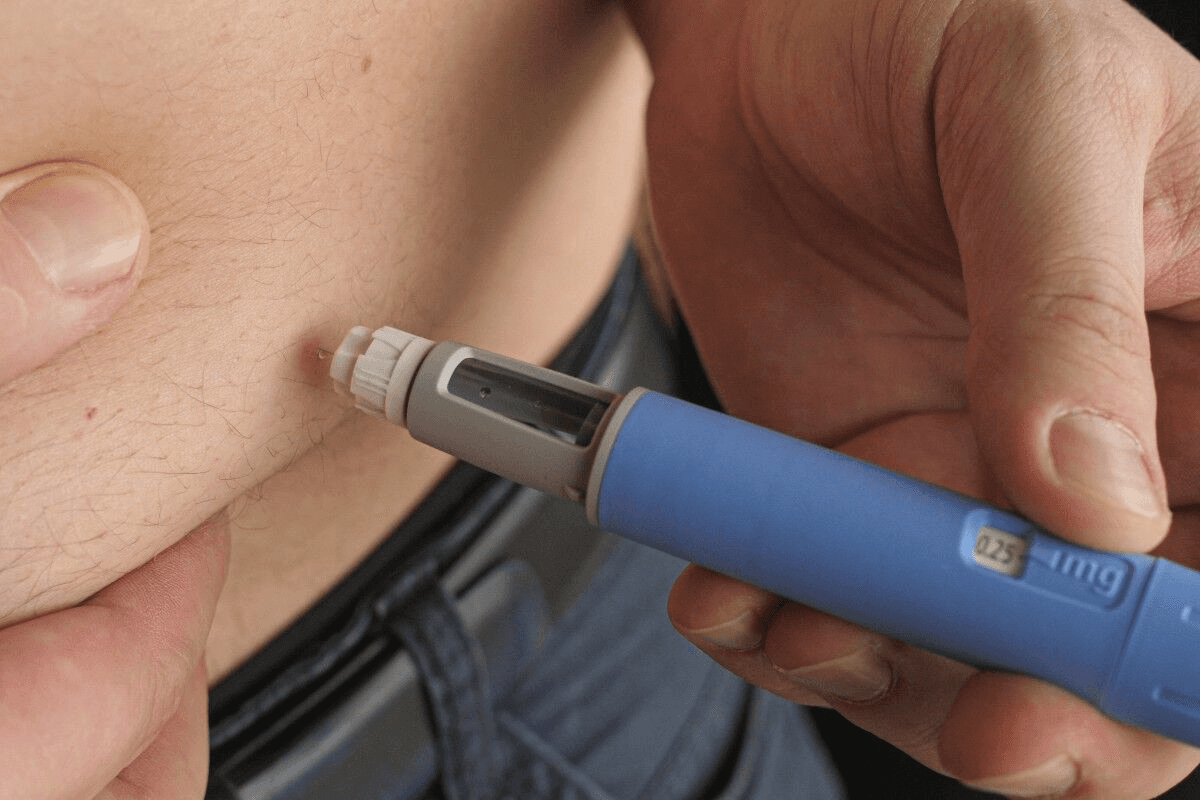
Injection site rotation matters too. Absorption rates can vary depending on where you inject (abdomen, thigh, upper arm), and some users report better results with specific sites. Scar tissue buildup from repeated injections in the same spot can also reduce absorption over time.
Lifestyle Factors: Sleep, Stress, and Cortisol
Poor sleep and chronic stress boost cortisol, a hormone that promotes fat storage, particularly around the midsection. Cortisol also increases appetite and cravings for high-calorie comfort foods. Even with semaglutide on board, elevated cortisol can counteract weight-loss efforts by shifting your body into a more conservative metabolic state.
Sleep deprivation disrupts hunger hormones beyond what semaglutide can fully compensate for. Ghrelin (the hunger hormone) increases, leptin (the satiety hormone) decreases, and insulin sensitivity worsens. You end up hungrier, less satisfied after meals, and more prone to blood sugar swings that trigger additional cravings.
Stress also reduces adherence to healthy habits. When you're overwhelmed, meal planning suffers, movement decreases, and emotional eating becomes more likely. Semaglutide helps with physical hunger, but it doesn't address the psychological and hormonal drivers of stress-related eating.
Nutrient Deficiencies
Eating significantly less means consuming fewer vitamins and minerals. B vitamins, magnesium, and iron are particularly vulnerable to depletion during prolonged calorie restriction. These nutrients play essential roles in energy production, appetite regulation, and fat metabolism. Deficiencies can manifest as fatigue, brain fog, increased hunger, and slower weight loss.
B12 depletion is especially common with semaglutide use. The medication affects stomach acid production and gut motility, both of which influence B12 absorption. Low B12 levels contribute to fatigue and reduced motivation for physical activity, which further slows metabolism and weight loss.
Supplementation can help, but it's not a substitute for nutrient-dense food. Prioritizing protein, vegetables, and whole foods within your reduced-calorie budget ensures you're getting the micronutrients needed to support metabolism and energy levels.
When progress stalls, it's easy to assume the medication has failed you. But plateaus are rarely about the medication alone. They're signals that something in the system needs adjustment: your dose, your protein intake, your movement patterns, or the lifestyle factors quietly working against your goals. Understanding these mechanisms helps you respond strategically instead of giving up.
But knowing why plateaus happen doesn't always make them easier to recognize when you're in the middle of one.
Related Reading
Signs Your Semaglutide Results Have Plateaued
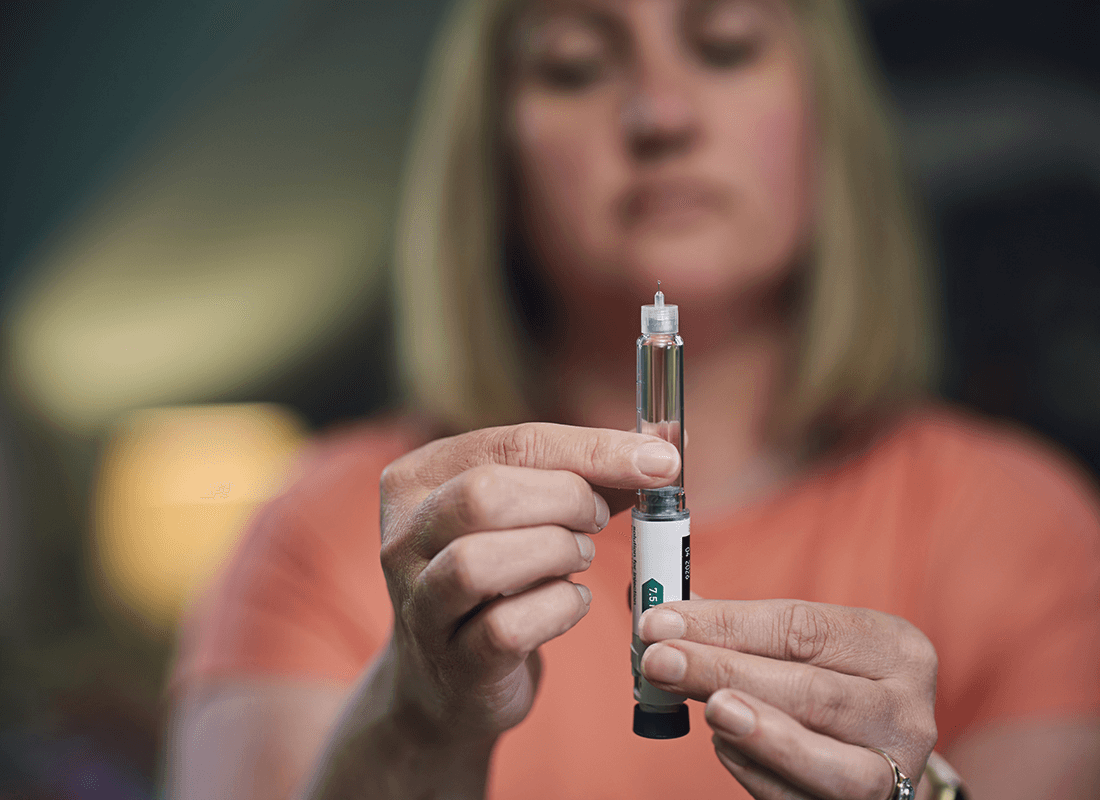
The scale hasn't moved in three weeks. Your clothes fit the same. Hunger that vanished months ago now appears between meals, subtle but persistent. These aren't failures of willpower. They're signals that your body has adapted to the current protocol and needs something to shift.
Recognizing a plateau early matters because the longer you wait, the more frustration builds and the harder it becomes to identify what actually needs adjustment. Most people assume the medication has stopped working entirely when, really, one or two variables have drifted out of alignment.
When the Scale Goes Silent
Weight loss on semaglutide typically follows a pattern. According to the Fit3D Blog, most people experience steady progress of 1-2 pounds per week during active loss phases. When that momentum disappears for three to four consecutive weeks despite consistent medication and no obvious dietary changes, you're likely facing a true plateau rather than normal fluctuation.
One or two weeks of stable weight doesn't signal a problem. Water retention from sodium, hormones, travel, or even a hard workout can temporarily mask fat loss. Your body holds onto fluid for repair, for digestion, for dozens of metabolic processes that have nothing to do with actual fat storage. The scale reflects all of it without distinction.
The difference between a temporary stall and a real plateau comes down to time and context. If you're still losing inches, if your energy remains stable, if clothes continue fitting differently, the scale's silence might not matter. But when everything stops, when measurements freeze, and hunger creeps back, that's when the system needs attention.
Appetite Changes You Can't Ignore
Semaglutide's primary mechanism is appetite suppression. When that effect weakens, you notice it in specific ways. Meals that used to leave you satisfied for five hours now leave you thinking about food after three. Snacks you ignored for months suddenly look appealing again. The mental space food occupied early in treatment, when you could barely finish half a plate, starts filling back up with thoughts about your next meal.
This isn't about cravings for specific foods. It's a general increase in food awareness. You find yourself opening the refrigerator without a clear reason. You think about dinner while eating lunch. The quiet, effortless appetite control that made the first months feel easy is beginning to require conscious effort again.
Some people describe this as the medication "wearing off," but receptor adaptation is a more accurate term. The GLP-1 signal hasn't disappeared. It's just not loud enough anymore to override your body's compensatory hunger signals, especially if you've lost significant weight and your metabolism has adjusted downward.
Body Composition Tells a Different Story
The scale measures total mass. It can't distinguish between fat, muscle, water, or the weight of last night's meal, which is still moving through your digestive system. This creates confusion when you're doing everything right, but the number won't budge.
Strength training while on semaglutide can lead to simultaneous fat loss and muscle gain, especially if you're new to resistance training. The scale stays flat, but your waist shrinks, your shoulders broaden, and your jeans fit differently. This is progress the scale can't capture.
Tracking waist circumference weekly provides clarity that the scale can't. A half-inch reduction in waist measurement represents meaningful fat loss even if weight hasn't changed. Progress photos taken monthly reveal changes in body shape that daily weigh-ins obscure. When people say "the scale isn't moving, but I'm losing inches," they're describing successful recomposition, not a plateau.
MeAgain App helps distinguish between these scenarios by tracking multiple progress indicators beyond weight alone. The app prompts you to log measurements, energy levels, and how clothes fit, creating a fuller picture of what's actually happening in your body. When the scale stalls but other metrics improve, you know to stay the course rather than panic and change everything at once.
Energy Shifts That Signal Metabolic Slowdown
Fatigue that wasn't there before often accompanies plateaus. You wake up tired despite having slept well. Workouts feel harder at the same intensity. The afternoon energy dip that disappeared early in treatment returns with force.
This happens because your body is burning fewer calories than it did at a higher weight, and if protein intake has dropped, muscle loss accelerates the metabolic decline. You're not imagining the exhaustion. Your basal metabolic rate has genuinely decreased, and your body is conserving energy in response to prolonged calorie restriction.
Non-exercise activity drops without conscious awareness. You sit more, stand less, take the elevator instead of stairs, and park closer to entrances. These micro-decisions add up to hundreds of fewer calories burned daily. The medication is still suppressing appetite, but the gap between intake and expenditure has narrowed enough to stall progress.
The Three-Week Rule
Weight fluctuates. Hormones shift. Stress, sleep, and sodium all influence the number on the scale in ways unrelated to fat loss. A true plateau requires sustained stability across multiple weeks, not just a bad weigh-in after a salty meal or a weekend of travel.
Three to four weeks of unchanged weight, measurements, and subjective markers like hunger and energy levels constitute a plateau worth addressing. Anything shorter is noise. Many people on forums describe panic after one week of stable weight, comparing themselves to others who continue losing steadily. That comparison creates unnecessary anxiety when their bodies are simply retaining water or adjusting to a recent dose increase.
The confusion intensifies when someone has been stuck for two months, then starts regaining weight despite consistent dosing and no obvious dietary changes. That progression from plateau to reversal signals something beyond normal adaptation. It might mean the dose is no longer sufficient, protein has dropped too low, or stress and sleep have deteriorated enough to override the medication's effects.
But knowing you're stuck doesn't automatically reveal what needs to change.
Related Reading
What to Do When Semaglutide Stops Working
Start with what you can control today, not what might need adjusting later. The medication is still active in your system. Your receptors still respond. But the environment around that response has shifted, and small recalibrations in how you eat, move, and track progress can restart momentum without waiting for dose changes or switching medications entirely.
Most people facing a plateau assume they need pharmaceutical intervention first. They ask their provider about increasing the dose or trying a different GLP-1 medication before examining whether protein has dropped, movement has decreased, or sleep has deteriorated enough to stall results. Those factors matter more than most realize, and they're adjustable right now.
Make Nutrition Adjustments
Your body needs different support at 180 pounds than it did at 220 pounds. The calorie intake that created a deficit three months ago might now match your reduced metabolic rate exactly, producing maintenance instead of loss. This doesn't require obsessive tracking, but it does require honest assessment of what's actually going into your body versus what you think is.
Protein deserves first attention. Lean sources like chicken, fish, tofu, and eggs support muscle retention while providing the highest thermic effect of any macronutrient. Your body burns more calories digesting protein than it does processing fats or carbohydrates, creating a metabolic advantage that compounds over weeks. When appetite is suppressed, and portions shrink, protein often gets displaced by easier-to-eat options that require less chewing and feel lighter in the stomach.
Swapping refined grains for whole grains (brown rice, quinoa, whole wheat bread) adds fiber that slows digestion and extends satiety between meals. Adding more fruits and vegetables increases nutrient density without adding significant calories, addressing potential deficiencies that can slow metabolism and increase fatigue. Drinking more water instead of sugary beverages or alcohol eliminates empty calories that don't register as food but still count toward your daily intake.
The shift from grazing to eating only when truly hungry requires tuning into physical signals rather than emotional ones. Boredom, stress, and habit all trigger eating behaviors that semaglutide can't fully override, especially as receptor sensitivity decreases. Recognizing the difference between stomach hunger and head hunger becomes essential as the medication's appetite-suppressing effects weaken.
You don't need calorie counting to create a deficit. Strategic swaps accomplish the same goal with less mental overhead and more sustainability. A registered dietitian or weight loss specialist can provide personalized guidance based on your specific situation, but the fundamentals remain consistent across individuals: prioritize protein, increase fiber, reduce empty calories, and eat in response to genuine hunger rather than routine or emotion.
Do More Movement
General guidelines suggest 150 to 300 minutes of moderate-intensity aerobic exercise weekly, but maintaining weight loss while on semaglutide often requires exceeding those minimums. Your body is burning fewer calories than it did at a higher weight, and non-exercise activity has likely decreased without conscious awareness. Structured movement compensates for both metabolic slowdown and reduced daily activity.
Strength training becomes non-negotiable if you're not already doing it. Research confirms that combining resistance training with cardio results in superior fat loss compared to either approach alone. Muscle tissue burns more calories at rest than fat tissue, so building and preserving muscle directly counteracts the metabolic adaptation that creates plateaus.
If you've been lifting already, progressive overload matters. Increase the weight, add another weekly session, or extend your sets. Your muscles adapt to familiar stimuli, and what challenged you two months ago no longer provides enough stress to drive continued adaptation. The same principle applies to cardio: if 30-minute walks feel easy, extend them to 45 minutes or increase your pace until breathing becomes noticeably harder.
Movement doesn't require gym memberships or structured workouts. Taking a brisk walk as part of your morning routine, going for long weekend swims or bike rides, using lunch breaks for bodyweight exercises, finding a sport or class you genuinely enjoy, standing and walking more during work hours, or following a yoga video before bed all contribute to total daily energy expenditure. The key is consistency and gradual progression, not intensity that burns you out after two weeks.
Build More Muscle
Muscle loss during weight loss makes continued progress harder by reducing your resting metabolic rate. Preserving and building lean mass requires intentional effort beyond just moving more. Strength training provides the stimulus, but protein provides the raw material your body needs to repair and grow muscle tissue.
Bodyweight exercises, resistance bands, dumbbells, or weight machines all work if used consistently with progressive challenge. Start with weights that feel manageable for 8 to 12 repetitions, then gradually increase resistance as your strength improves. The discomfort in the final few reps signals your muscles are working hard enough to adapt.
According to Medical News Today, people typically lose about 15% of their body weight on semaglutide, but without adequate protein and resistance training, a significant portion of that loss comes from muscle rather than fat alone. This creates a metabolic disadvantage that makes plateaus more likely and harder to break.
Craig Primack, MD, an obesity medicine physician and senior vice president of weight loss at Hims & Hers, recommends aiming for at least 100 grams of protein daily while losing weight. This target supports muscle maintenance and provides satiety beyond semaglutide's appetite-suppressing effects. Lean proteins like chicken, turkey, tofu, and fish offer high protein density without excessive calories or fat.
Hitting 100 grams daily feels impossible when appetite is suppressed, and portions are small. Prioritizing protein at every meal helps: eggs for breakfast, chicken or fish for lunch, Greek yogurt as a snack, and another lean protein source for dinner. Protein shakes or powders can fill gaps when whole food sources feel too heavy or time-consuming to prepare.
MeAgain tracks protein intake alongside your weight and measurements, helping you identify whether insufficient protein is contributing to your plateau. The app calculates personalized protein targets based on your current weight and goals, then prompts you to log intake throughout the day. When you can see your protein totals in real time, hitting your target becomes a clear, actionable goal rather than a vague intention.
Get Enough Sleep
Sleep deprivation spikes appetite and tanks exercise motivation through hormonal pathways that semaglutide can't fully counteract. Ghrelin increases, leptin decreases, and insulin sensitivity worsens, leaving you hungrier, less satisfied after meals, and more prone to blood sugar swings that trigger additional cravings. Seven to nine hours nightly isn't optional if you're serious about breaking a plateau.
Consistency matters more than duration. Waking up and going to bed at the same time every day, including weekends, regulates your circadian rhythm and improves sleep quality. Your body learns when to release melatonin and cortisol, making it easier to fall asleep at night and wake feeling rested in the morning.
Avoiding caffeine, alcohol, and large meals within three hours of bedtime prevents stimulation and digestive discomfort that fragments sleep. Taking time to wind down without screens helps naturally increase melatonin production. Blue light from phones and computers suppresses melatonin, delaying sleep onset and reducing total sleep time even when you're in bed for eight hours.
Reserving your bed for sleep and sex only trains your brain to associate that space with rest rather than work, scrolling, or watching television. When you climb into bed, your body should recognize the signal and automatically begin the transition toward sleep.
Lower Your Stress Levels
High stress raises appetite, disrupts sleep, and increases cravings for sugary and fatty foods by elevating cortisol levels. Even with semaglutide suppressing baseline hunger, chronic stress can override that signal and drive eating behaviors that have nothing to do with physical need.
Journaling, meditation, spending time in nature, hanging out with loved ones, and engaging in physical activity (especially outdoors or with friends) all reduce cortisol levels and improve stress resilience. These aren't luxuries or optional self-care practices. They're metabolic interventions that directly influence whether your body stores or burns fat.
Sometimes stress reduction requires bigger changes: cutting back at work, hiring more childcare, or reaching out to a therapist. If your plateau coincides with a stressful life period (job change, family crisis, financial pressure), addressing the stressor matters as much as adjusting your diet or exercise routine.
Slowed weight loss creates its own stress, which then perpetuates the plateau. Breaking that cycle requires accepting that plateaus are normal, temporary, and solvable with the right adjustments. Patience and consistency matter more than perfect execution.
Reach Out to Your Healthcare Provider About Medication Adjustments
If improvements in nutrition, movement, sleep, and stress don't restart progress after three to four weeks, medical guidance becomes necessary. Your prescribing healthcare provider may recommend increasing your dose if you're not yet at the maximum available, or switching to a different medication that may be more effective for your current situation.
Wegovy contains a higher dose of semaglutide than Ozempic and is FDA-approved specifically for weight loss. Mounjaro and Zepbound contain tirzepatide, which targets two hormones instead of one, potentially producing stronger appetite suppression and greater weight loss for people who have plateaued on semaglutide alone.
Your provider might also check for underlying factors that make weight loss more difficult, such as insulin resistance, thyroid dysfunction, or hormonal changes related to menopause. These conditions can create metabolic resistance that no amount of dietary discipline or exercise intensity can fully overcome without targeted medical treatment.
Medication adjustments aren't admissions of failure. They recognize that your body has adapted to the current protocol and that you need a different level of pharmaceutical support to continue progressing. The goal is sustained weight loss and improved metabolic health, not proving you can succeed on the lowest possible dose.
But knowing when to adjust medication versus when to adjust behavior requires data, not guesswork.
Stuck on Semaglutide? Restart Progress the Smart Way
When semaglutide stops working, it's rarely the medication itself that's failed. Muscle loss, low protein, dehydration, and missed habits quietly stall results and increase side effects. Catching those issues early means you can adjust before frustration turns into giving up entirely.
MeAgain helps you catch those issues early. Our GLP-1 app turns the work that keeps semaglutide effective into a simple, motivating game — so you stay consistent even when progress slows.
With MeAgain, you can:
Track protein, fiber, water, and movement to support fat loss and protect muscle
Reduce common GLP-1 side effects like constipation and fatigue
Visualize your progress with a Journey Card, so plateaus don’t erase motivation
Stay engaged daily with our capybara guide — no spreadsheets, no guesswork
If your results have stalled, don’t quit — adjust.
Download MeAgain and turn your semaglutide journey back into forward progress.
Related Reading
What to Do When Semaglutide Stops Working
How Much Protein Should I Eat on Semaglutide
How to Track My Semaglutide Side Effects?
Best App for Tracking Semaglutide Results